Best Cities to Visit in Colombia
If Colombia’s been sitting somewhere on your travel radar, let me tell you—it’s probably not where you think it is. I had my own assumptions before going: safety concerns, chaos, maybe a bit overwhelming. What I found instead was one of the most vibrant, welcoming, and diverse countries I’ve ever explored. Colombia hits you with color, rhythm, and raw energy the moment you arrive—and it doesn’t let go.
I’ve spent time moving between its cities, figuring out what makes each one tick, getting lost in neighborhoods, eating way too much street food, and chatting with locals who genuinely love where they live. That’s the thing about Colombia—it’s not just about places, it’s about the feeling you get moving through them.
This isn’t a country you “tick off.” It’s one you experience. From cool mountain capitals to Caribbean coastal gems, Colombia delivers a mix that’s hard to beat. If you’re planning your first trip, these are the cities I’d focus on: Bogotá, Medellín, Cartagena, Cali, and Santa Marta (with Tayrona National Park). Each one gives you a completely different side of the country—and together, they create a trip that feels full, balanced, and unforgettable.
Top Cities to Visit in Colombia
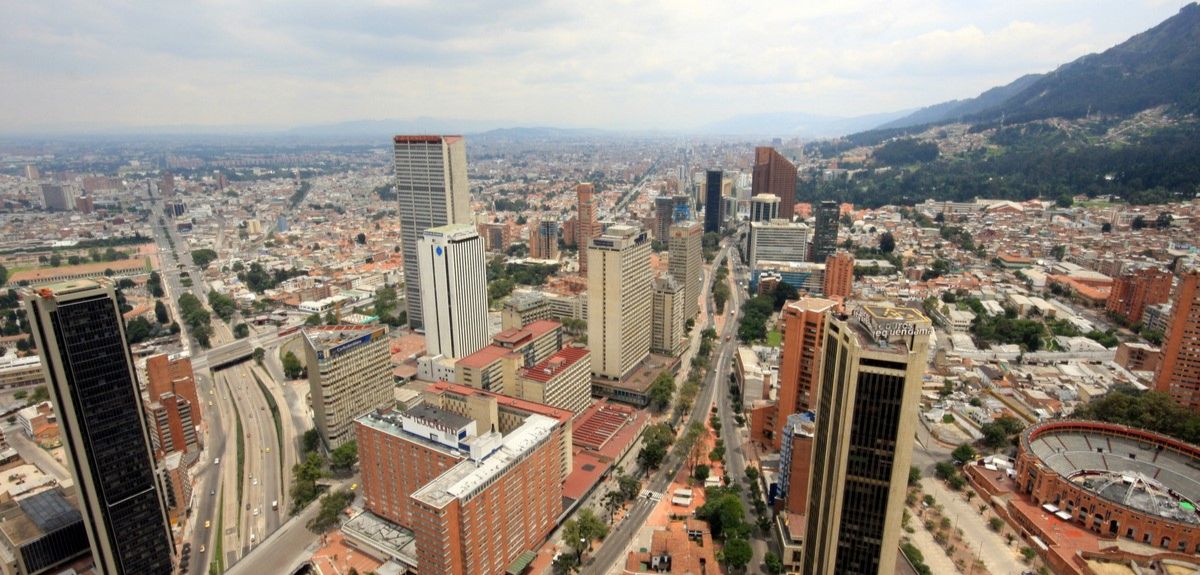
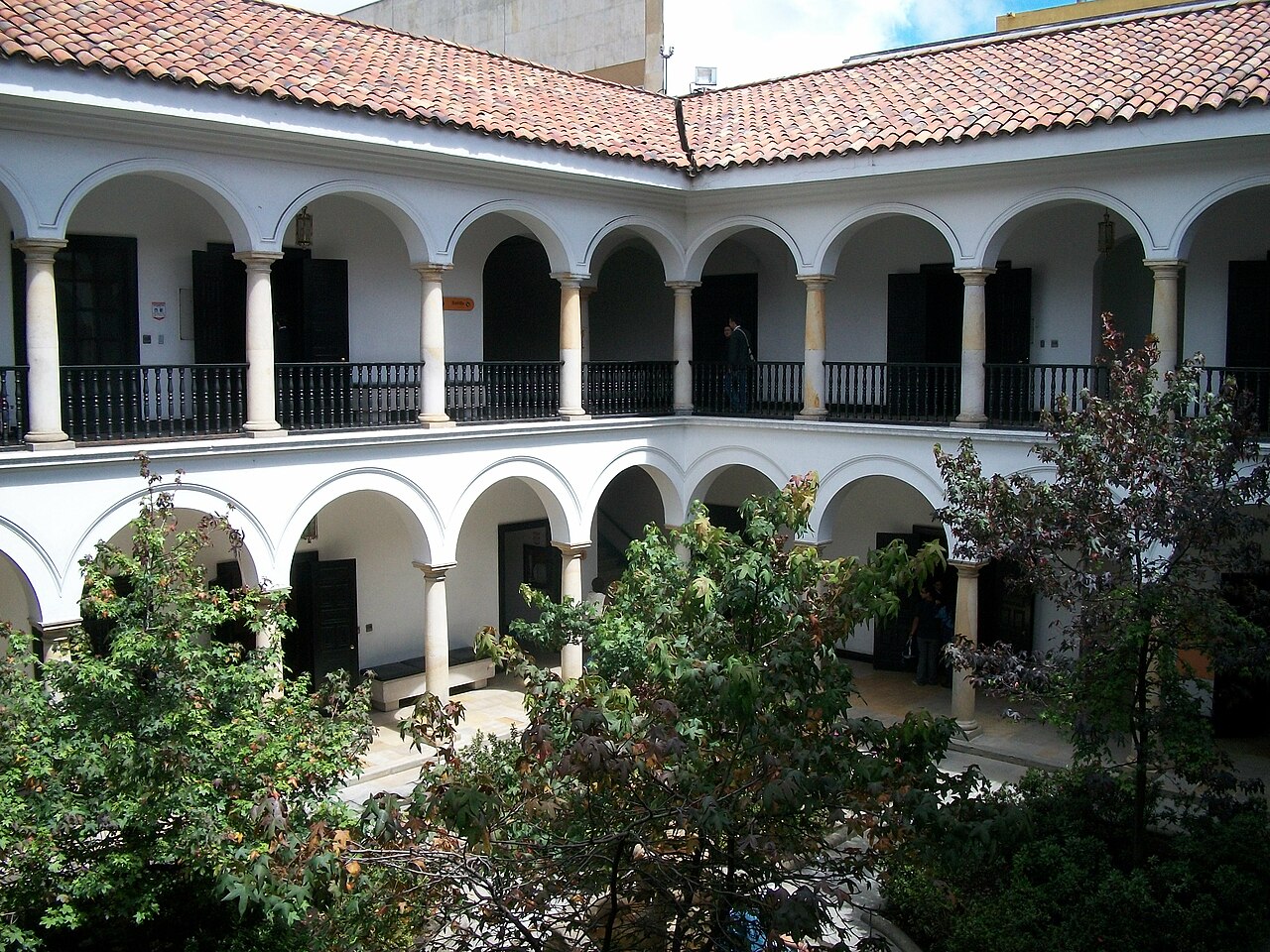
- Bogotá: A high-altitude capital that feels intense, creative, and alive. Think street art, museums, and neighborhoods full of character. It’s gritty in places, but that’s part of its charm.
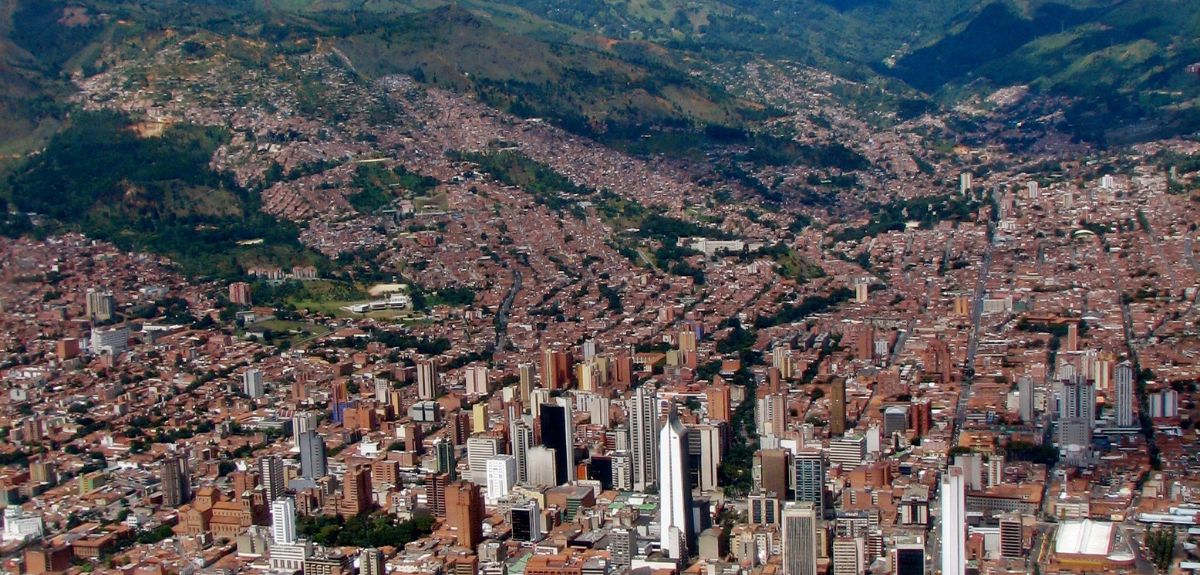
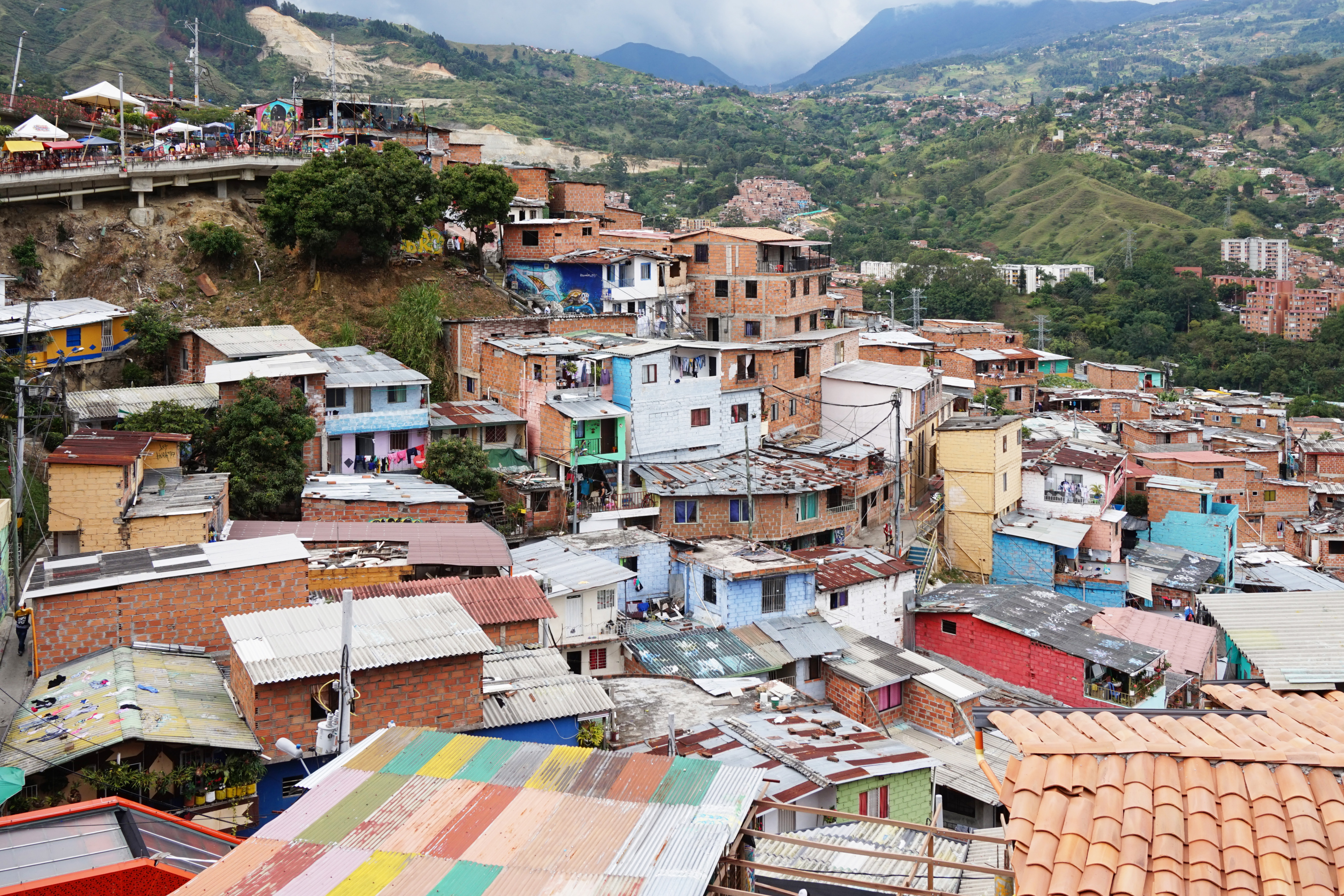
- Medellín: Once infamous, now one of the most innovative cities in the world. Eternal spring weather, incredible public transport, and a social transformation story you actually feel as you explore.
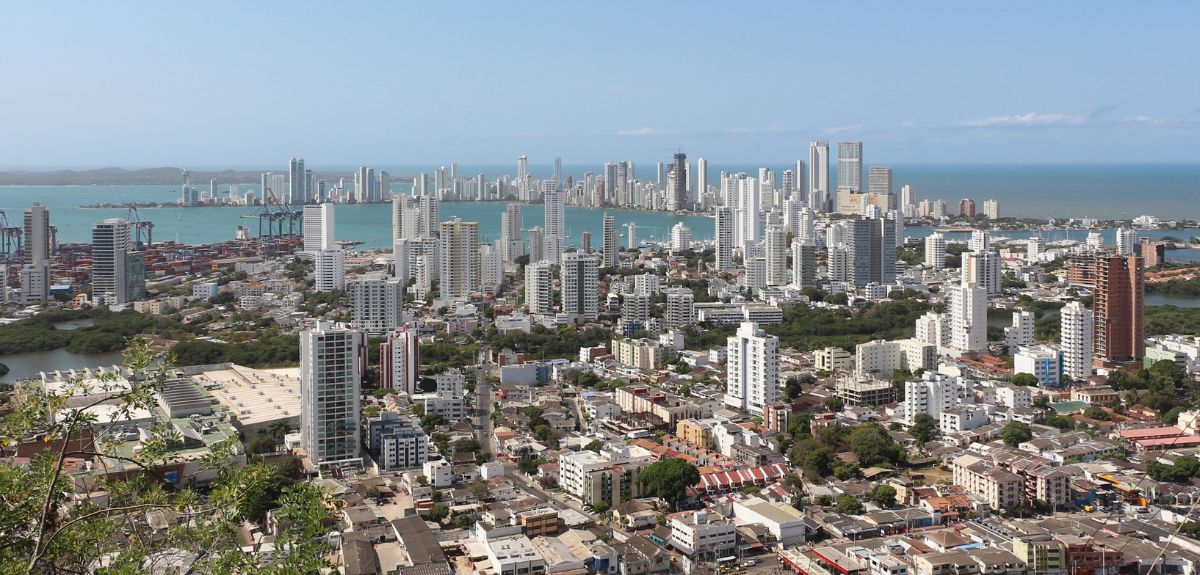
- Cartagena: Caribbean vibes, colorful colonial streets, and warm nights. It’s romantic, photogenic, and yes—touristy—but still absolutely worth it.
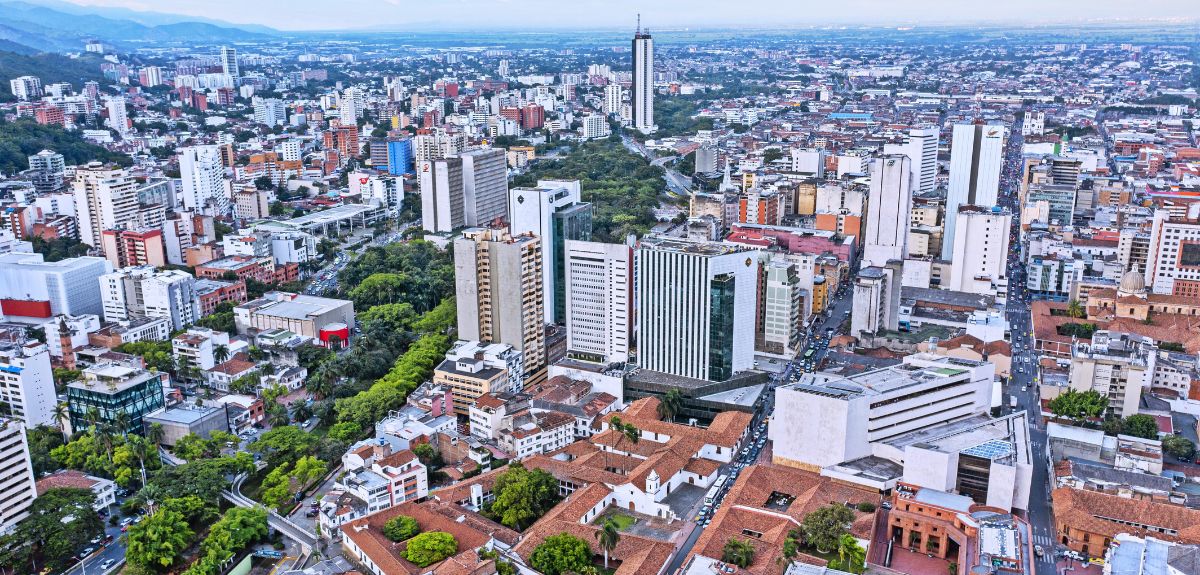
- Cali: The salsa capital of the world. Less polished, more local, and full of rhythm. If you want to feel Colombia’s energy, this is where you go.
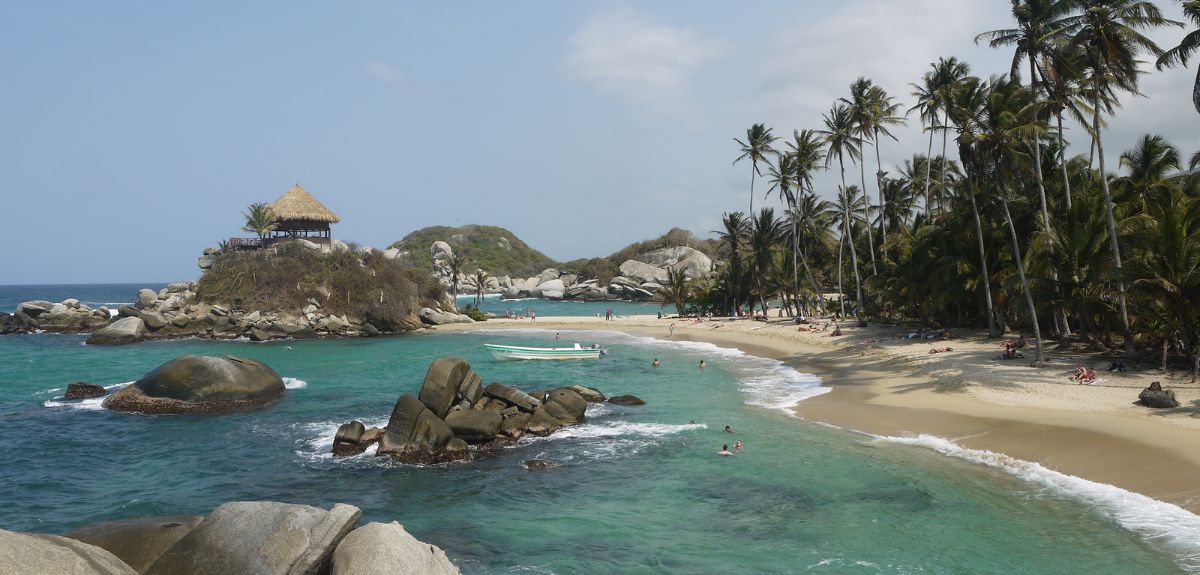
- Santa Marta & Tayrona National Park: Laid-back coastal life meets jungle and wild beaches. It’s the gateway to some of the most beautiful natural scenery in the country.
Accommodation – Colombia is great value compared to a lot of destinations. In cities like Medellín or Bogotá, a solid mid-range hotel will cost around $40–80 USD per night for a double room. Hostels are everywhere and well done—expect $10–20 USD for a dorm bed, or $25–40 USD for a private room. Boutique stays in Cartagena’s Old Town can jump to $100–200 USD, especially in high season. If you plan ahead, you’ll find some great deals.
Food – Food is affordable and filling. A local lunch menu (called “corrientazo”) usually costs $4–7 USD and includes soup, a main dish, rice, beans, juice—honestly, it’s a lot. Street food like arepas or empanadas costs $1–3 USD. Mid-range restaurants sit around $10–20 USD per person. If you go upscale in Cartagena, expect $25–50 USD. Coffee? Usually under $2 USD, and it’s excellent.
Transportation – Domestic flights are cheap and save a ton of time—$30–80 USD between major cities if you book early. Buses are even cheaper ($10–25 USD), but journeys can be long. In cities, Uber and taxis are very affordable—most rides cost $2–6 USD. Medellín’s metro is clean, efficient, and costs less than $1 USD per ride.
Activities – $45–70 USD per person. That covers a mid-range stay, local meals, transport, and a couple of activities. If you want more comfort—boutique hotels, nicer restaurants—aim for $80–130 USD. On a tight budget? You can make it work with $30–40 USD by staying in hostels, eating local, and keeping things simple.
Colombia feels real. That’s the first thing that stuck with me. It’s not overly polished or predictable. One moment you’re walking through a colorful colonial street in Cartagena, the next you’re riding a cable car over hillside neighborhoods in Medellín. It shifts quickly—and that’s exactly what makes it exciting.
The people are a huge part of the experience. Colombians are open, curious, and proud of their country. Even with basic Spanish, I found conversations happening everywhere—from cafés to bus stops. And those small interactions? They add up.
The vibe changes city to city. Bogotá feels big, cultural, a bit chaotic—but rewarding if you give it time. Medellín is easy to settle into, almost addictive with its climate and energy. Cartagena is slower, hotter, more about soaking it all in. Cali feels raw and rhythmic. Santa Marta is where you go to breathe.
Weather-wise, it depends where you are. Bogotá is cool year-round (think light jacket), Medellín sits in that perfect spring-like range, and the coast—Cartagena and Santa Marta—is hot and humid pretty much all the time.
Safety has improved massively, but you still need to stay aware. Stick to known neighborhoods, avoid flashing valuables, and use Uber or trusted taxis at night. I never felt unsafe, but I stayed smart about it.
One thing I didn’t expect? How emotionally engaging the country feels. Colombia has been through a lot, and you sense that history—but you also feel its momentum forward. There’s creativity, resilience, and optimism everywhere. This isn’t just a trip—it’s a journey through contrast.
So if you’re planning Colombia, start with these cities. Use them as your anchors, dive deeper with detailed guides, and map out your route in a way that makes sense for your time.