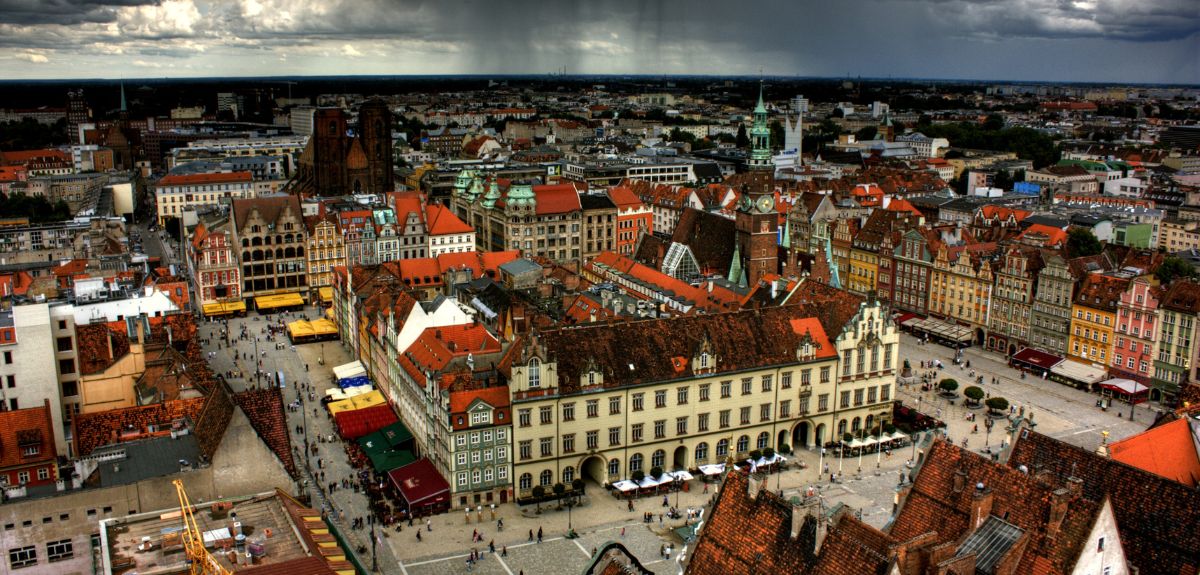
If you’re thinking about heading to Poland, you’re in for something special. I’ve wandered a bunch of this country myself—getting lost in colorful old towns, stuffing my face with pierogi, and just soaking up the mix of deep history and modern energy. Poland punches way above its weight: you’ve got medieval vibes that survived wars, rebuilt capitals that feel futuristic, Baltic coast charm, and people who are straightforward but super welcoming once you chat a bit. It’s affordable, easy to get around, and perfect for anyone who wants real culture without the massive crowds or insane prices of Western Europe.
Whether you’re into history that hits hard (like WWII sites), fairy-tale architecture, vibrant squares buzzing at night, or just good food and beer, Poland delivers. I’ve picked five standout cities that give you the best cross-section of what the country offers: Kraków, Warsaw, Gdańsk, Wrocław, and Poznań. These are the ones that keep popping up as must-visits, and each has its own flavor. I’ll link you to deeper guides for each so you can plan smart—grab our interactive maps, check costs, and build your itinerary.
Accommodation – Mid-range hotels or nice Airbnbs in city centers run $60–100 per night for a double room with private bath and good location. Hostels are solid at $15–35 for a dorm bed, and budget private rooms or apartments start around $40–70. Luxury or peak summer spots (July–August) can push $120–200+. Shoulder seasons (spring May–June or fall September–October) drop prices a ton—book early.
Food – Polish eats are hearty and cheap. Pierogi or bigos at a milk bar (bar mleczny—super local canteens) costs $5–10 for a filling meal. Street food or casual spots like zapiekanka (Polish pizza) are $4–8. A decent restaurant dinner with beer? $15–25 per person. Coffee and pastry breakfast is $3–6. Beer is cheap—pint around $3–5. Splurge on fine dining? $40–80, but you eat amazingly without it.
Transportation – Trains are great—high-speed between Warsaw and Kraków/Gdańsk runs $20–50 if booked ahead. Buses are cheaper at $10–30 for similar routes. City public transport (trams, buses, metro) is $1–2 per ride, or day passes $4–6. Taxis/Uber short hops $5–15. Renting a car? $30–50/day plus gas (~$6/gallon). Poland’s trains and buses make city-hopping easy—no need for a car in most cases.
Activities – Many are budget-friendly. Entry to big sites like Wawel Castle or museums is $10–20 (book online to skip lines). Salt Mine tour ~$25. Free walking tours tip-based. City cards (like Krakow or Warsaw) give transport + discounts for $20–50 and save cash.
Suggested daily budget – $70–100 per person for mid-range: decent hotel/Airbnb, mix of local eats and a restaurant meal, public transport, and a couple paid sights. Splurge a bit? $120–160. Shoestring (hostel, milk bars, walking) $40–60 easy.
These are the experiences I consider absolute non-negotiables.
Poland has this incredible blend of resilience and warmth. History is everywhere—reconstructed Old Towns after WWII destruction, powerful museums on the past—but it’s forward-looking too. Cities feel alive: late-night vibes in squares, festivals popping up, and food that’s comforting and flavorful (pierogi, bigos, oscypek cheese—don’t miss it).
Expect friendly but direct people—Poles are honest, helpful if you ask, and English is common in tourist spots (younger folks especially). Learn basics like “dzień dobry” (hello), “dziękuję” (thank you), “proszę” (please)—it goes far and sparks smiles.
Stepping into Kraków is like walking through the gilded pages of a medieval manuscript, where every cobblestone tells a story of royal splendor and resilient spirit. As the morning mist lifts off the Vistula River, the city reveals its true
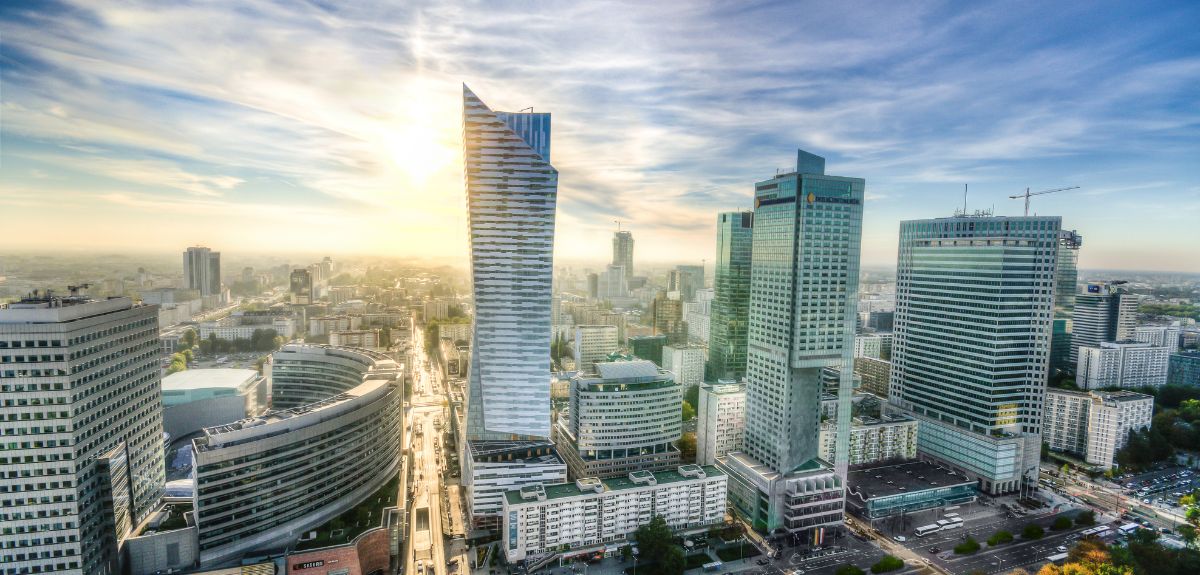
Rising from the ashes like a gilded phoenix, Warsaw is a symphony of resilient history and cutting-edge sophistication. To wander through this metropolis is to witness a city that has masterfully woven its complex past into a tapestry of modern
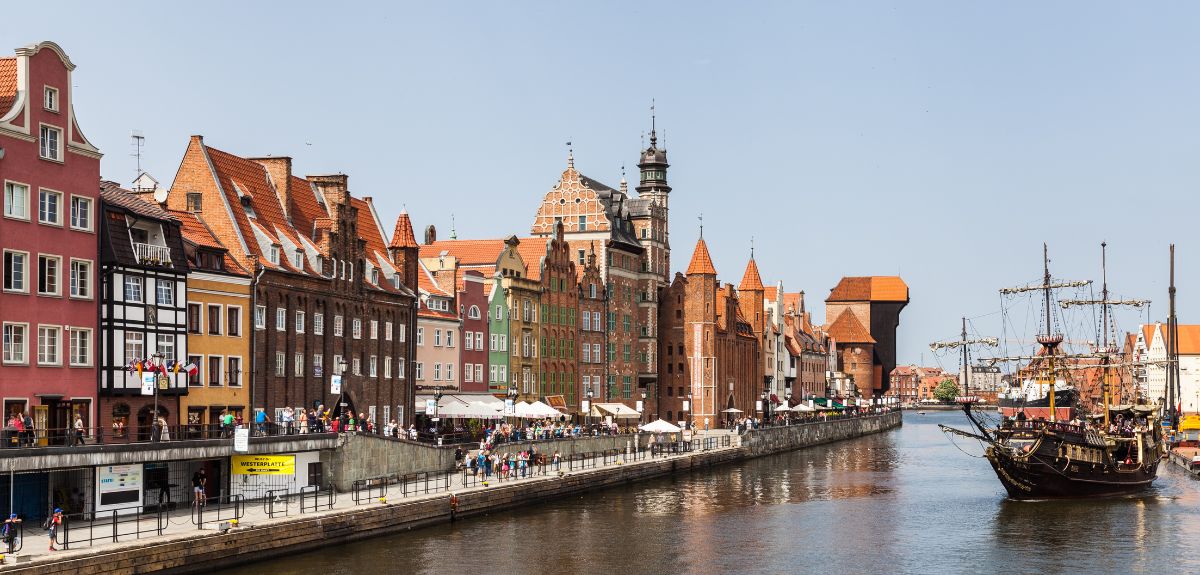
Gilded by the amber glow of the Baltic sunset, Gdańsk unfolds like a masterpiece of Hanseatic elegance and maritime mystery. To wander its cobblestone lanes is to step into a living fairy tale where Gothic spires pierce the sky and
Nestled along the winding Odra River, Wrocław unfolds like a vibrant tapestry of Gothic spires and pastel-hued townhouses that whisper tales of a thousand years. This is a city where Bohemian soul meets Polish elegance, creating an atmosphere that is
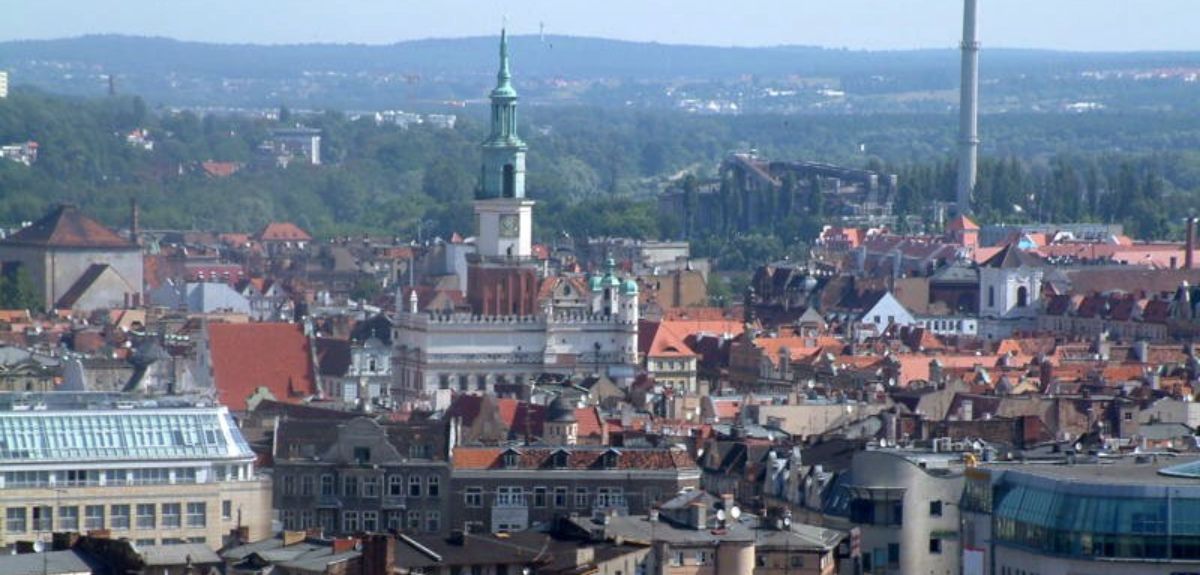
Polished and pulsing with a spirited elegance, Poznań is where Poland’s ancient soul meets a vibrant, modern heartbeat. To wander through its historic streets is to step into a living fairytale, where pastel-hued facades and the sweet aroma of fresh
Weather-wise, summers (June–August) are warm (70–85°F), perfect for outdoors but pack light layers. Spring/fall milder (50–70°F) and cheaper. Winters cold/snowy (20–40°F), but magical with Christmas markets. Rain happens—umbrella or waterproof jacket.
Safety is solid—Poland’s one of Europe’s safer spots. Low violent crime; I’ve walked alone at night in cities no problem. Watch pickpockets in crowds (train stations, markets)—use a secure bag. Roads can be tricky if driving—stick to trains/buses. Public transport reliable.
Culture-wise, meals are late (dinner 8 PM+), coffee culture strong, and there’s pride in history/food. Festivals, markets, and beer gardens make it fun. Whether chasing history in Kraków, modern vibes in Warsaw, or coastal chill in Gdańsk, Poland pulls you in. Check our interactive maps for Kraków, Warsaw, Gdańsk, Wrocław, and Poznań—start mapping your adventure.