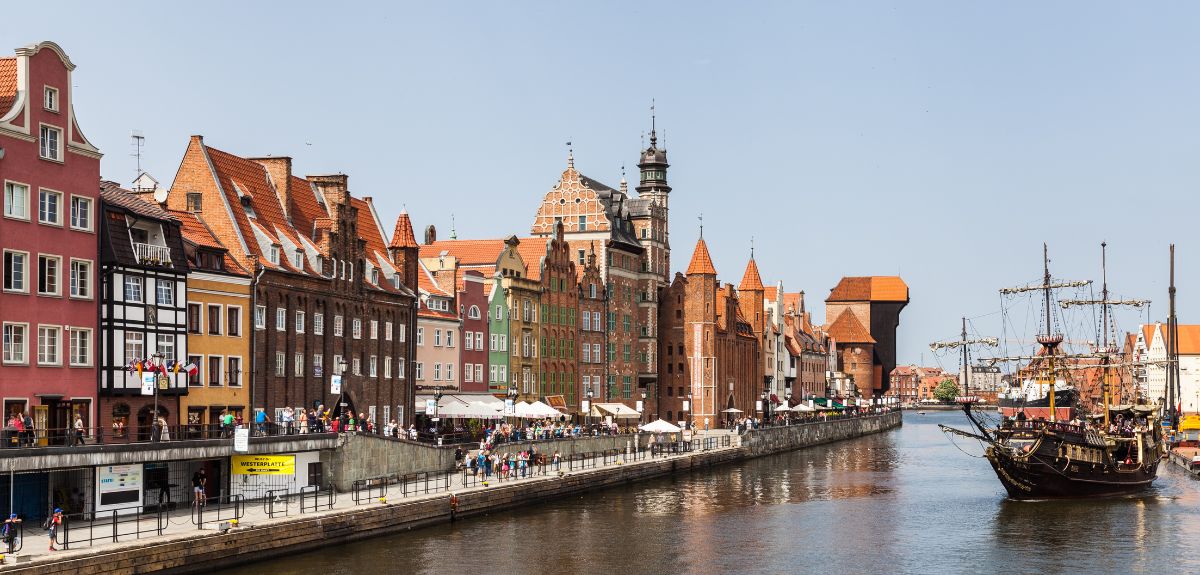


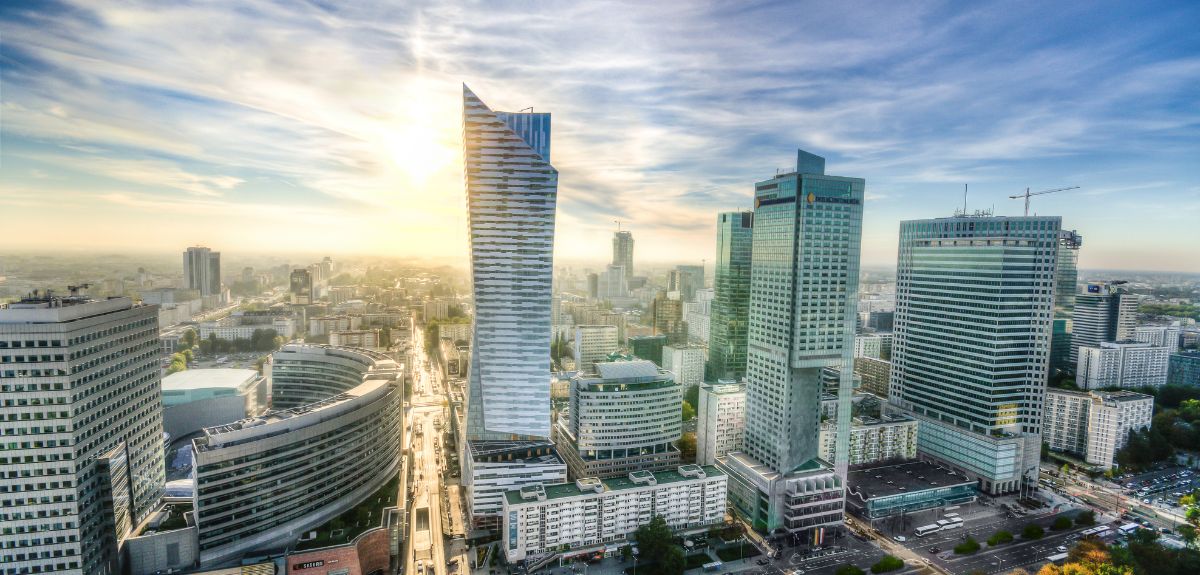
Rising from the ashes like a gilded phoenix, Warsaw is a symphony of resilient history and cutting-edge sophistication. To wander through this metropolis is to witness a city that has masterfully woven its complex past into a tapestry of modern glamour and vibrant urban energy.
Why Visit Warsaw?
Beyond its storied streets, Warsaw beckons with an irresistible blend of royal heritage and contemporary chic that captivates every traveler’s soul.
- The Old Town stands as a testament to the city’s indomotive spirit, a meticulously reconstructed heart of pastel facades and charming cobblestone squares that feels like a living fairytale.
- The Royal Castle invites you into a world of Baroque opulence, where shimmering throne rooms and Rembrandt masterpieces tell tales of a regal and golden era.
- The Palace of Culture and Science offers a dramatic, moody silhouette against the skyline, providing the ultimate vantage point to watch the city’s neon lights sparkle at twilight.
- Łazienki Park is a lush royal sanctuary where peacocks roam freely around floating palaces, offering a serene and cinematic escape into nature.
- Wilanów Palace, often celebrated as the Polish Versailles, dazzles with its sun-drenched gardens and golden chambers that whisper of eternal elegance.
Warsaw is more than just a destination; it is a spirited journey through time that leaves you enchanted by its grace and inspired by its undeniable strength.
WARSAW KEY INFO
Everything you need to hit the ground running.
WHEN TO VISIT
May to September for outdoor festivals and warm weather; December for festive Christmas markets and cozy winter vibes.
HOW TO GET THERE
Fly into Warsaw Chopin Airport (WAW). It’s a direct train to the city center (~20-25 min).
HOW TO GET AROUND
Tram! It is the fastest way to cross the city and avoid legendary traffic. Use the Jakdojade app for real-time routes and easy ticket purchases.
IDEAL TRIP LENGTH
2-3 days for the city itself, but 5 days if you want to include day trips to Auschwitz, Krakow, or Gdansk.
What is Warsaw Mainly Known For?
Warsaw is famous for its meticulously reconstructed Old Town, a symbol of resilience rebuilt brick-by-brick after WWII. It’s also known for the Palace of Culture and Science, a towering Soviet-era landmark offering panoramic views. Beyond the sights, it’s known as the Phoenix City, a vibrant metropolis defined by its infectious energy and deep historical soul.
Is Warsaw a Walkable City?
100% yes. Warsaw is incredibly walkable with wide, flat sidewalks and beautiful pedestrian zones like the Royal Route. I loved wandering through the reconstructed Old Town, soaking in the history and atmosphere without the constant hum of traffic.
Is it safe to walk in Warsaw at night? Absolutely. It is one of Europe’s safest capitals. I felt completely at ease exploring after dark, though standard common sense is always wise.
What Is the Best Neighborhood to Walk Around?
The Old Town is the winner. Situated along the Vistula River atop a historic escarpment, it offers a resilient vibe of pastel-colored facades, winding cobblestone alleys, and meticulously rebuilt architecture. For something completely different, walk over to the Praga District and explore its gritty-cool soul, famous for vibrant street art, old tenement courtyards, and a raw, artistic energy.
What Are the Best Things to Do in Warsaw? (For Your First Visit)
I visited Warsaw without a strict day-by-day plan. I wanted to take my time, enjoy the city’s resilient history and vibrant, modern energy, and see where the streets took me. I wrote down a few highlights and hit the ground running. Here are the spots I definitely recommend checking out:
Old Town
Warsaw’s heart is a rebuilt pastel dream of cobblestones and resilience. Explore the Market Square, Royal Castle, and Barbican. Price: Free (museums extra). Pro tip: Visit Gnojna Góra at sunset for the best Vistula River views. Check availability and explore popular experiences.

Royal Castle
Step into royal history at this meticulously rebuilt Baroque masterpiece. Explore the dazzling Throne Room and Rembrandt-filled galleries. Price: ~50 PLN. Pro tip: Visit on Wednesdays for free entry and a quieter, more atmospheric stroll through the apartments. Check availability and explore popular experiences.

Palace of Culture and Science
Warsaw’s iconic high-rise offers a moody, Soviet-era vibe. Highlights include the 30th-floor terrace for epic skyline views. Price: ~25-30 PLN. Pro tip: Visit at sunset for a golden glow over the city’s modern skyscrapers. Check availability and explore popular experiences.
![]()
Łazienki Park
A royal oasis of floating palaces and roaming peacocks. Highlights: Palace on the Isle and Sunday Chopin concerts. Price: Park is Free (museums extra). Pro tip: Visit on Fridays for free entry to the historic buildings. Check availability and explore popular experiences.

Warsaw Uprising Museum
Dive into Warsaw’s grit at this immersive, industrial-chic tribute. Vibe: Poignant and interactive. Highlights: Reconstructed sewers and a B-24 Liberator. Price: ~35 PLN. Pro tip: Visit on Thursdays for free entry and a more soulful, quiet experience. Check availability and explore popular experiences.

POLIN Museum
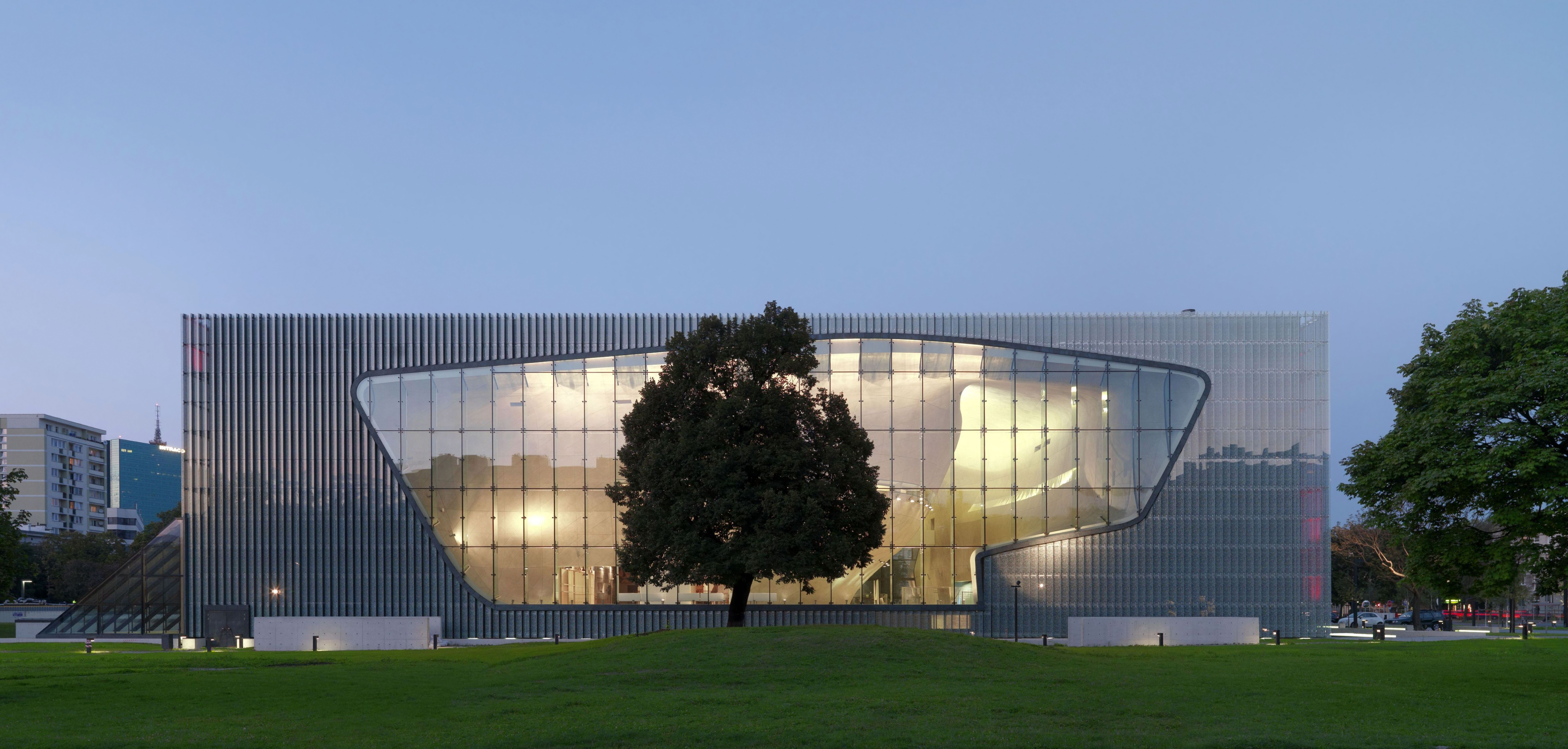
A stunning, glass-clad journey through 1,000 years of Jewish history. Vibe: deeply moving and architectural. Highlights: the Gwoździec synagogue roof and interactive galleries. Price: ~45 PLN. Pro tip: Visit on Thursdays for free entry to the core exhibition. Check availability and explore popular experiences.
Wilanów Palace
Warsaw’s “Polish Versailles” is a golden Baroque dream that survived WWII. Explore the opulent Royal Apartments and sprawling gardens. Vibe: Pure royal elegance. Price: ~35-50 PLN. Pro tip: Visit on Thursdays for free entry to the core exhibition. Check availability and explore popular experiences.
![]()
Vistula River Boulevards
Warsaw’s modern riverside strip buzzes with energy. Chill at urban beaches, explore the neon-lit food scene, and stroll the scenic promenades. Price: Free. Pro tip: Grab a drink at a seasonal barge for the ultimate summer vibe. Check availability and explore popular experiences.
![]()
Praga District
Warsaw’s gritty-cool soul. Explore street art, the Neon Museum, and old tenement courtyards. Vibe: raw and artistic. Price: Free (museums extra). Pro tip: Visit Ząbkowska Street for a shot of Polish vodka in a former factory. Check availability and explore popular experiences.

Copernicus Science Centre
Warsaw’s interactive playground for curious minds. Vibe: high-energy and hands-on. Highlights: the Planetarium and Robotic Theatre. Price: ~48–50 PLN. Pro tip: Visit the free rooftop garden for incredible Vistula River views and a chill escape. Check availability and explore popular experiences.
![]()
Must-Do Activities in Warsaw
To really get the most out of your trip, I recommend checking out these experiences:
No products were found!
What Part of Warsaw is Best for Tourists?
Stay in the Old Town. Everything will be within a 15-minute walk. If you want something a bit more local but still close, the Praga District is lovely—it features a raw, artistic vibe with hidden courtyards, street art, and unique neon museums.
What to Know Before Going to Warsaw
- The Tap Water is Gold: Tap water in Warsaw is safe and drinkable, meeting strict EU quality standards directly from the tap.
- English is Common: English is widely spoken, especially by younger locals and staff in tourist areas, cafes, and restaurants.
- The Warsaw Pass: Often considered a scam; buying individual tickets or using a transport-only card is usually more cost-effective.
- Sunday Closures: Most large shops and supermarkets are closed on Sundays, except for specific shopping Sundays and small convenience stores.
- Tipping is Appreciated: Tipping around 10% in cash for good service is standard practice at restaurants and cafes.
How Many Days Do I Need in Warsaw?
3 days is perfect for first-timers to experience Warsaw’s blend of meticulously rebuilt history and modern urban energy.
- Day 1: Old Town, Royal Castle, Market Square, Barbican, Palace of Culture and Science.
- Day 2: Łazienki Park, Warsaw Uprising Museum, POLIN Museum, Praga District.
- Day 3: Wilanów Palace and a relaxing stroll along the Vistula River Boulevards.
Suggested daily budget – 70-110 EUR / 75-120 USD (Note: This covers a mid-range hotel, a mix of casual and sit-down restaurant meals, and public transport or museum entries. You can go cheaper if you eat at traditional milk bars and explore the compact city center on foot.)
MONEY SAVING TIPS
- Eat Like a Local at a Bar Mleczny: Skip the tourist traps and head to a “Milk Bar” like Bar Mleczny Prasowy or Mleczarnia Jerozolimska for authentic, home-cooked Polish “Pierogi” or a two-course meal for less than 20 PLN.
- Master the Free Museum Days: Time your visits to score free entry at top sites, such as the Royal Castle on Wednesdays, or the Warsaw Uprising Museum and POLIN Museum of the History of Polish Jews on Thursdays.
- Use the Veturilo Bike-Share: Register for Warsaw’s city bike system, Veturilo, to enjoy the first 20 minutes of every ride for free, making it the cheapest and most flexible way to zip between city landmarks.
- Sunset Drinks at Gnojna Góra: Grab a local craft beer from a convenience store and head to the Gnojna Góra viewpoint in the Old Town or the Vistula River Boulevards for a scenic sunset drink without the pricey bar tab.
What’s the Best Month to Visit Warsaw?
May, June, and September are the sweet spots for visiting Warsaw. These months offer pleasant weather and long daylight hours perfect for exploring outdoor cafes and historic parks while avoiding the peak summer heat and crowds. However, December is a wonderful alternative, offering a festive atmosphere with dazzling Christmas lights, holiday markets, and a cozy winter vibe.
How to Get to Warsaw
Most international travelers fly into Warsaw Chopin Airport (WAW). Key direct connection hubs include New York, Chicago, London, Paris, and Frankfurt; travelers from other US cities typically connect through these European hubs.
- From the airport: A train or bus to the city center takes about 20-30 minutes and costs approximately 4.40 PLN (€1). Taxis take 20-25 minutes and cost around 30-50 PLN (€7-12).
- By Train: Warsaw Central (Warszawa Centralna) connects to major European cities like Berlin, Vienna, and Prague, plus domestic hubs like Krakow and Gdansk.
/tp_widget]
How to Get Around Warsaw
Use the public transport – it is efficient, affordable, and the best way to navigate.
- Car Rental: Not recommended for the city due to traffic and parking fees, but use DiscoverCars if exploring regional Poland.
- Walking: Excellent for the historic Old Town and city center, which are compact and pedestrian-friendly.
- Uber/Bolt: Both are widely available and very affordable for quick trips.
- Tours: Great for visiting distant sites like Wilanów Palace without a car.
Tips for first-timers: Avoid driving in the city center—Traffic is heavy and parking is expensive and scarce. Use the efficient tram and metro network or walk to explore the historic and modern districts instead!
Warsaw is the kind of place that steals your heart. It is a resilient masterpiece where poignant history and a gritty, modern soul intertwine. From its meticulously rebuilt old town to the buzzing energy of the Vistula, its spirit is both defiant and inviting. Ultimately, wandering through this city leaves you with a renewed sense of wonder.
Note: This article contains affiliate links. If you purchase something I’ve recommended, I’ll earn a small commission at no extra cost to you. I really appreciate your support and I hope this guide helps you ♡