Get Inspired

Itineraries

Travel Guides

About Me

Top

Slovenia

Best Cities to Visit in Slovenia

If you’re dreaming of a trip to Slovenia, you’re in for a real treat. I’ve spent some serious time exploring this underrated gem of Europe—hiking around emerald lakes, wandering cobblestone streets in charming old towns, sipping local wines in hidden cellars, and just soaking up that fresh mountain air. Slovenia is tiny (you can drive across it in a few hours), but it packs in everything: dramatic Alps, a slice of Adriatic coast, underground caves that’ll blow your mind, and cities that feel lively but never overwhelming. Whether you’re into outdoor adventures, history, food, or just chilling with epic views, Slovenia delivers without the insane crowds you get in neighboring Italy or Austria. Let me share my top picks for the best places to visit, with real-talk tips from my own trips to help you plan smart and travel better.

Slovenia feels like Europe’s best-kept secret—super green, super welcoming, and surprisingly diverse. You can wake up hiking in the Julian Alps, have lunch by a turquoise lake, and end the day swimming in the Mediterranean. I’ve narrowed it down to five standout destinations that give you the full Slovenian experience: Ljubljana, Lake Bled, Piran, Maribor, and Postojna. Each has its own personality, and I’ll hook you up with links to our in-depth guides so you can dive deeper. Plus, I’ll break down the practical stuff—costs, budget hacks, and what daily life on the ground is really like.

Top Cities and Destinations to Visit in Slovenia

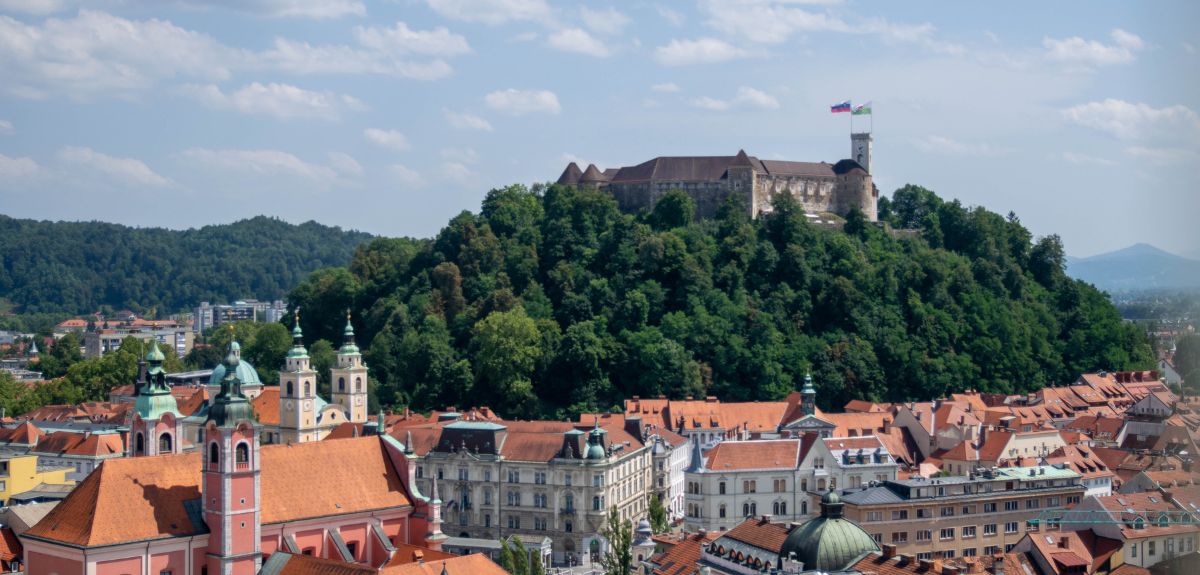
  • Ljubljana: The compact, car-free capital with a riverside old town, a hilltop castle, vibrant cafes, and that perfect mix of baroque and art nouveau vibes.
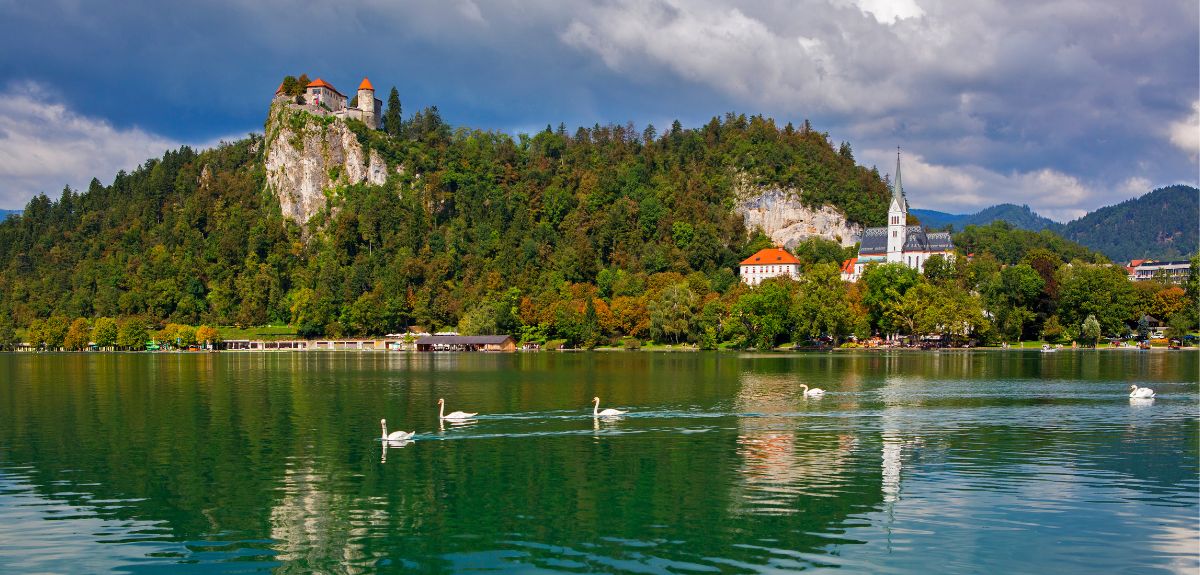
  • Lake Bled: The postcard-perfect alpine lake with a tiny island church, a medieval castle perched above, and hiking trails that make you feel like you’re in a fairy tale.
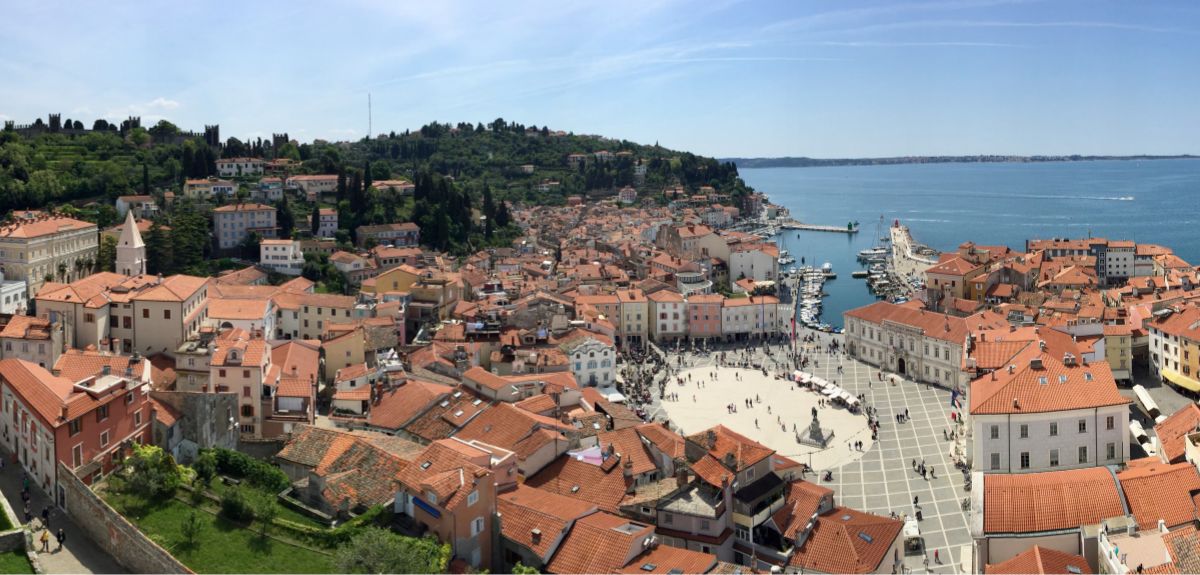
  • Piran: A gorgeous Venetian-style coastal town with narrow alleys, saltwater vibes, fresh seafood, and sunset views that rival anywhere in the Mediterranean.
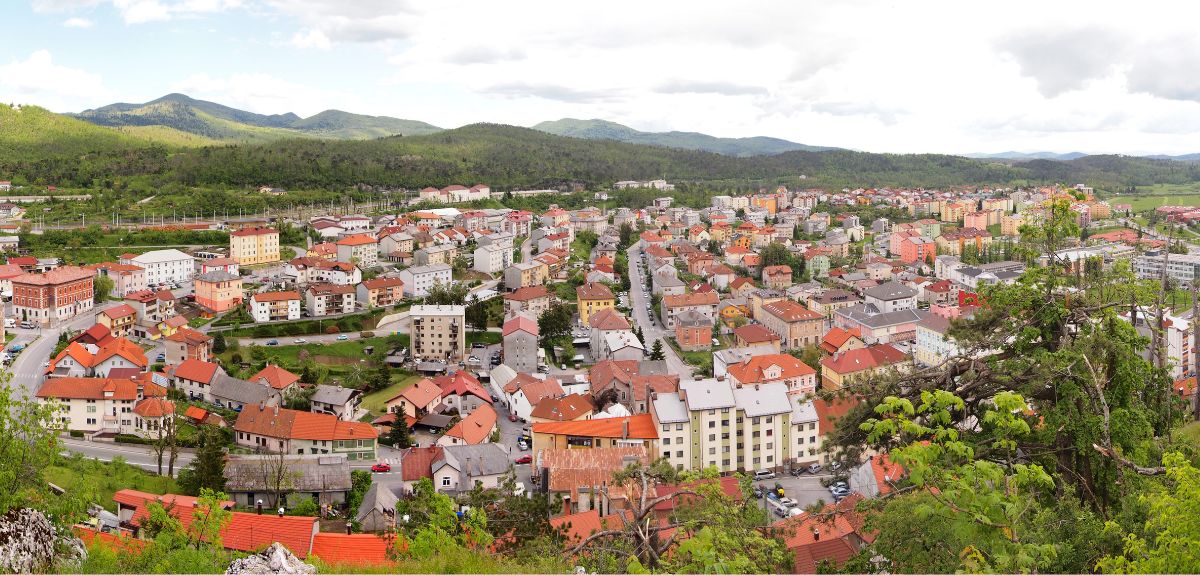
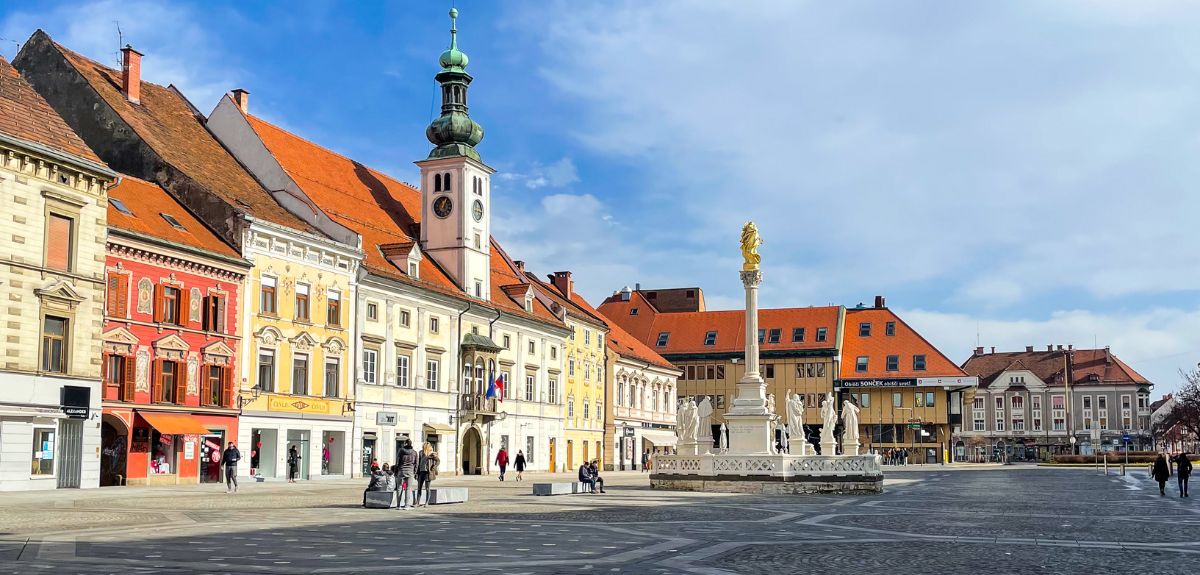
  • Maribor: Slovenia’s second-biggest city, full of energy, with the world’s oldest producing vine, a lively riverside Lent district, and easy access to wine country.
  • Postojna: Home to one of the world’s most impressive cave systems, plus the dramatic Predjama Castle built into a cliff—pure adventure territory.

THINGS TO SEE AND DO IN SLOVENIA

Lake Bled island and church
Predjama Castle
Ljubljana Castle and the views over the red-roofed city
Tartini Square and the medieval walls in Piran
Triple Bridge and Dragon Bridge in Ljubljana
Postojna Cave and the underground train ride
Bled Castle and its museum overlooking the lake
Old Vine House and Lent district in Maribor
Vintgar Gorge boardwalk near Lake Bled

TYPICAL COSTS WHEN TRAVELLING

Accommodation – Mid-range hotels or nice guesthouses in places like Ljubljana or Bled (with private bathrooms, breakfast, and good locations) usually run 80–130 EUR per night for a double room. Hostels or dorm beds are 20–40 EUR, while budget Airbnbs or apartments start around 60–90 EUR. Luxury boutique spots or lakeside hotels can hit 150–250 EUR, especially in peak summer (July–August). Shoulder seasons (May–June or September–October) are way cheaper and less crowded—my favorite time to go.

Food – Slovenian food is hearty and affordable if you eat local. A big lunch at a traditional gostilna (inn) with soup, main, and dessert costs 12–18 EUR. Dinner with a main and a glass of wine is 15–25 EUR. Grab a burek or štruklji for 3–6 EUR on the go, and the famous Bled cream cake (kremšnita) is about 5 EUR. Coffee and a pastry breakfast? 4–7 EUR. Fine dining or seafood in Piran can climb to 40–60 EUR per person, but you can eat amazingly well without breaking the bank.

Transportation – Buses are cheap and reliable—Ljubljana to Bled is around 10 EUR, Ljubljana to Piran about 12–15 EUR. Trains work great for Maribor (around 8–15 EUR from Ljubljana). In cities, single bus or funicular tickets are 1–2 EUR, or get a day pass for 5–10 EUR. Renting a car is handy for caves and smaller spots—expect 30–60 EUR per day plus gas (about 1.60 EUR/liter). Taxis or Uber in Ljubljana run 10–20 EUR for short rides.

Activities – Major sights are reasonably priced. Postojna Cave ticket is around 30–35 EUR (combo with Predjama Castle ~45 EUR). Bled pletna boat to the island is 18 EUR, castle entry 15 EUR. Many hikes and gorges are free or cheap (Vintgar ~10 EUR). Museums in Ljubljana are 8–15 EUR, and the Ljubljana Card (around 30–40 EUR for 24–72 hours) bundles transport and attractions for solid savings.

Discover the best cities and destinations to visit in Slovenia: charming Ljubljana, iconic Lake Bled, coastal Piran, vibrant Maribor, and Postojna Cave. Practical travel tips, costs, interactive maps, and insider guides to plan your perfect trip. Explore cities, plan smart, travel better!

Suggested daily budget – 70–110 EUR / $75–120 USD per person. This covers a mid-range double room (split two ways), eating local meals with a few drinks, public transport or occasional car rental, and a couple paid attractions. Want boutique hotels and nicer dinners? Bump it to 120–180 EUR. Backpacker style with hostels, markets, and free hikes? You can do 40–60 EUR comfortably.

MONEY SAVING TIPS

1
Go for lunch specials Traditional restaurants often have daily menus for 12–18 EUR that include starter, main, dessert, and sometimes a drink. I had an incredible one near Lake Bled—trout, dumplings, and strudel—and felt stuffed for half the price of dinner.
2
Use buses and bikes Slovenia’s buses are punctual and cheap—FlixBus or local lines get you almost anywhere. In Ljubljana, rent a BicikeLJ bike for basically nothing (first hour free with registration). I biked the entire riverside path in Ljubljana and saved a ton on taxis.
3
Grab a tourist card The Ljubljana Card or Julian Alps Card (for Bled area) gives free public transport, attraction entries, and discounts. I used the Ljubljana one and got into the castle plus a river cruise for way less than buying separately—saved at least 20 EUR in a day.
4
Visit in shoulder season May, June, September, and October have perfect weather, fewer crowds, and prices 20–40% lower on accommodation and tours. I went in late September and had Lake Bled almost to myself at sunrise—pure magic.

WHAT CAN I EXPECT FROM SLOVENIA?

Slovenia has this effortless charm—think pristine nature everywhere, friendly locals who love sharing their country, and a laid-back pace that makes you slow down and enjoy it. It’s one of the greenest places in Europe (over 60% forest), so expect jaw-dropping scenery around every corner: turquoise rivers, towering peaks, and vineyards rolling down hills. The people are warm and proud—English is widely spoken in tourist areas, and you’ll often get bonus tips or a free taste of local honey or wine just for chatting.

Weather-wise, summers are warm (75–85°F / 24–30°C, perfect for lakes and coast), but spring and fall are ideal for hiking without the heat or crowds (55–70°F / 13–21°C). Winters can be cold and snowy in the mountains (great for skiing near Maribor), while the coast stays milder. Pack layers—weather can flip fast in the Alps.

  • Ljubljana is one of those rare European gems that feels like a well-kept secret, even though it’s sitting right in the heart of the continent. It’s a city where dragons guard the bridges, the riverbanks are lined with endless outdoor

  • Maribor is that cool, laid-back cousin of Ljubljana that doesn’t try too hard but still manages to impress you at every turn. It’s Slovenia’s second-largest city, but it feels more like a giant, friendly village tucked between the rolling vineyards

Safety is excellent—one of the safest countries in Europe. I’ve walked alone at night in Ljubljana and Piran without a worry, but like anywhere touristy, watch your bag in crowded spots (especially Ljubljana markets or Bled viewpoints). Pickpocketing is rare but possible. Driving is easy on good roads, though mountain passes can be windy—stick to buses if that’s not your thing.

Culture revolves around nature and seasonality. Locals hike every weekend, love their 20+ varieties of wine (Maribor region is legendary), and eat fresh, farm-to-table food. Dinners start earlier than Spain (7–9 PM is normal), and tap water is delicious everywhere—bring a reusable bottle. Sustainability is big; you’ll see beehives everywhere (Slovenia loves its bees) and almost no single-use plastic. It’s a place that feels authentic, not overrun, where you can have real moments—like rowing to Bled’s island at dawn or sipping Teran wine on Piran’s walls at sunset.

So, fire up our interactive maps and detailed guides for Ljubljana, Lake Bled, Piran, Maribor, and Postojna, and start mapping your adventure. Explore cities, plan smart, travel better!

1

post a comment