




Description
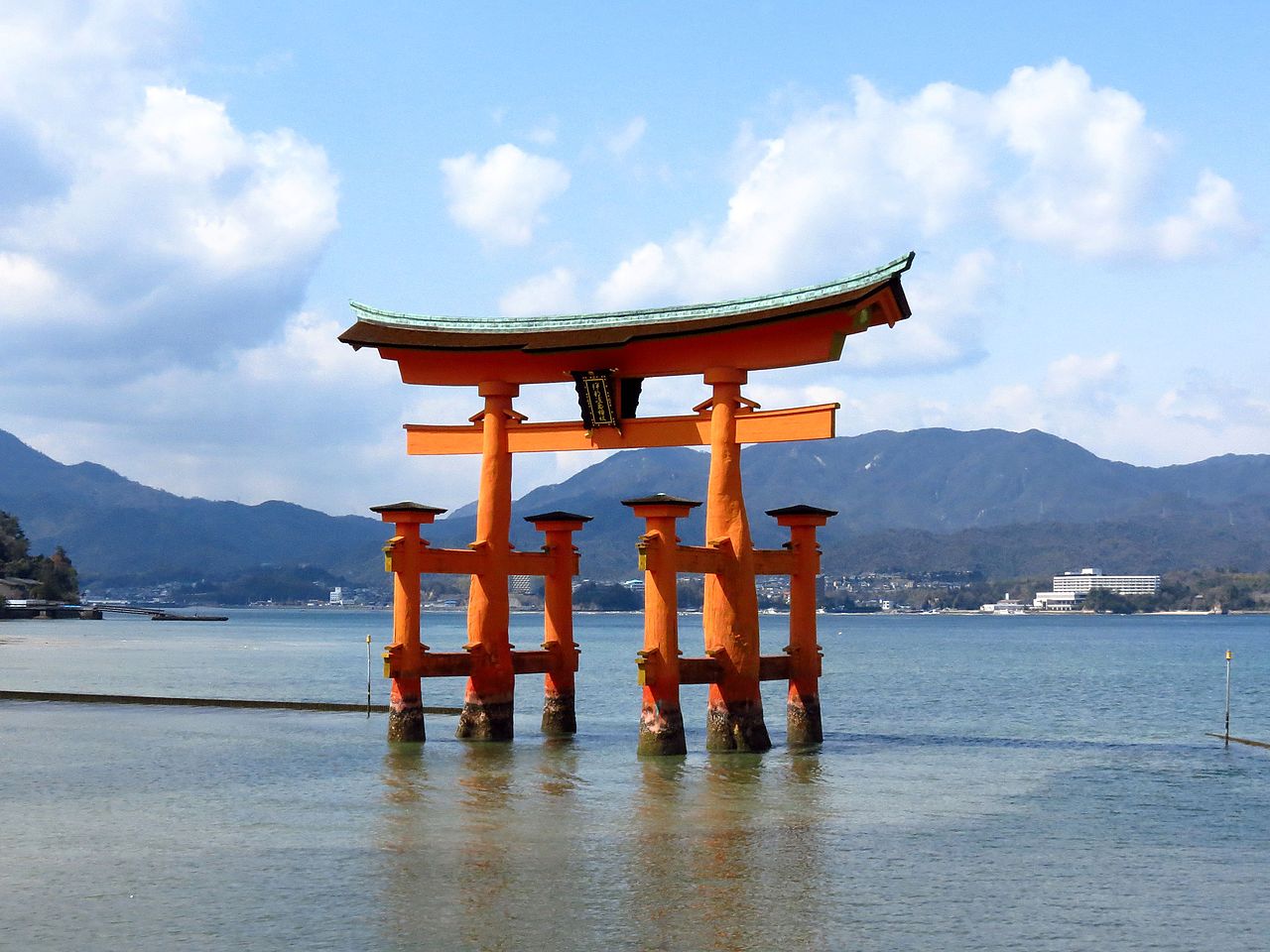
Dating back over 1,400 years, the UNESCO World Heritage-listed Itsukushima Shrine stands as one of Japan’s three most iconic scenic views. Stepping onto its ancient vermilion corridors as the high tide sweeps beneath your feet hits different, completely immersing you in a timeless dialogue between sacred tradition and the sea.
Why is this experience so famous?
Itsukushima Shrine is consistently featured in major travel guides as one of Japan’s three most scenic spots and a globally essential landmark. People rave about its spectacular, centuries-old vermilion architecture and the world-famous “floating” torii gate, which appears to magically hover over the Seto Inland Sea during high tide. It is an absolute must-do bucket list item because it is not just a standard sightseeing stop; it offers an immersive cultural deep dive into ancient Shinto history and a breathtaking dialogue between human artistry and natural divinity.
Is it worth visiting?
Definitely, especially if you are seeking a deeply spiritual experience and want to witness one of Japan’s most breathtaking landmarks. You will be enchanted by the iconic “floating” torii gate at high tide, the remarkable Shinden-zukuri style architecture on stilts, and the option to explore the ancient primeval forest of Mount Misen rising behind. The atmosphere is profoundly serene and tranquil, offering a harmonious blend of nature and divinity that travelers consider an exceptional value. This internationally renowned destination is highly rated, with countless positive reviews celebrating it as an unforgettable must-see. Skip the hassle of planning, book online today to reserve now & pay later, and benefit from free cancellation.
What’s the best time to visit?
For the best weather and beautiful scenery, aim for Spring (late March to early April) for cherry blossoms or Fall (October to November) for autumn foliage. The high season brings heavy crowds, while winter offers fewer tourists and crisp views. Insider tip: Visit on weekday mornings to beat the day-trippers, and always check the daily tide tables to experience the shrine floating at high tide.
How much time should I allow for this experience?
Allow a total of 1 to 2 hours for a basic visit focused on exploring the main Itsukushima Shrine complex and viewing the iconic floating torii gate from the boardwalk. If you plan for a more thorough experience, including walking out to the base of the gate at low tide, visiting neighboring temples like Daisho-in, and riding the ropeway or hiking Mount Misen, budget a complete 6 hours to a full day. Always allow an extra 45 minutes of buffer time to account for the local train and ferry transit from downtown Hiroshima. This experience can be easily scheduled as a comprehensive full-day trip, allowing you to witness the magical transformation of the shrine at both high and low tides.
Is it better to go in the morning or afternoon?
This is a fantastic question, and for a world-class coastal monument like Itsukushima Shrine, the answer revolves heavily around both lighting and the tide.
The Morning Advantage: A morning visit (ideally right at opening at 6:30 AM) is for the crowd-averse traveler seeking a solemn, spiritual atmosphere. You benefit from the soft, divine morning light reflecting off the water and significantly fewer tourists, allowing you to experience the designated National Treasure corridor in peaceful silence.
The Afternoon/Evening Advantage: The afternoon offers a more dramatic, cinematic transformation. Late afternoon brings the highly coveted “Golden Hour” lighting, casting deep orange tones across the torii gate, followed by the daily sunset illumination that turns the shrine into a dreamy backdrop.
My Recommendation: For an outdoor, coastal spiritual site of this caliber, my recommendation is explicitly a Late Afternoon visit extending into the Evening. While it will be busier, the transition of the sky against the sea and the subsequent night illumination provides an unparalleled, ethereal visual experience that defines Miyajima.
Insider Tip: The ultimate variable here isn’t just the sun—it’s the ocean. You need to check the local tide tables before booking your ferry. Aim to catch the water levels above 250 cm to witness the famous “floating” effect, or below 100 cm if you want to walk directly out on the sand to stand beneath the massive torii pillars.
This memorable afternoon excursion serves as the ultimate anchor for a day trip from Hiroshima, perfectly concluding your sightseeing before setting you up ideally for a relaxing evening ferry ride back, followed by a premier okonomiyaki dinner in downtown Hiroshima.
In summary, this is a must-do, sacred cultural experience that connects you with the historic Shinto significance of a UNESCO World Heritage site and its iconic floating torii gate. Plan to allow 1 to 2 hours for your visit, and the best seasons are Spring or Fall for pleasant weather. Booking online offers flexibility with options to reserve now and pay later alongside free cancellation benefits. Secure your tickets now.
Copyright & Affiliate Notice: Image Credit: Wikimedia Commons – Image licensed under Creative Commons via Wikimedia Commons. This site contains affiliate links. We may earn a commission if you buy through our links – at no extra cost to you.