







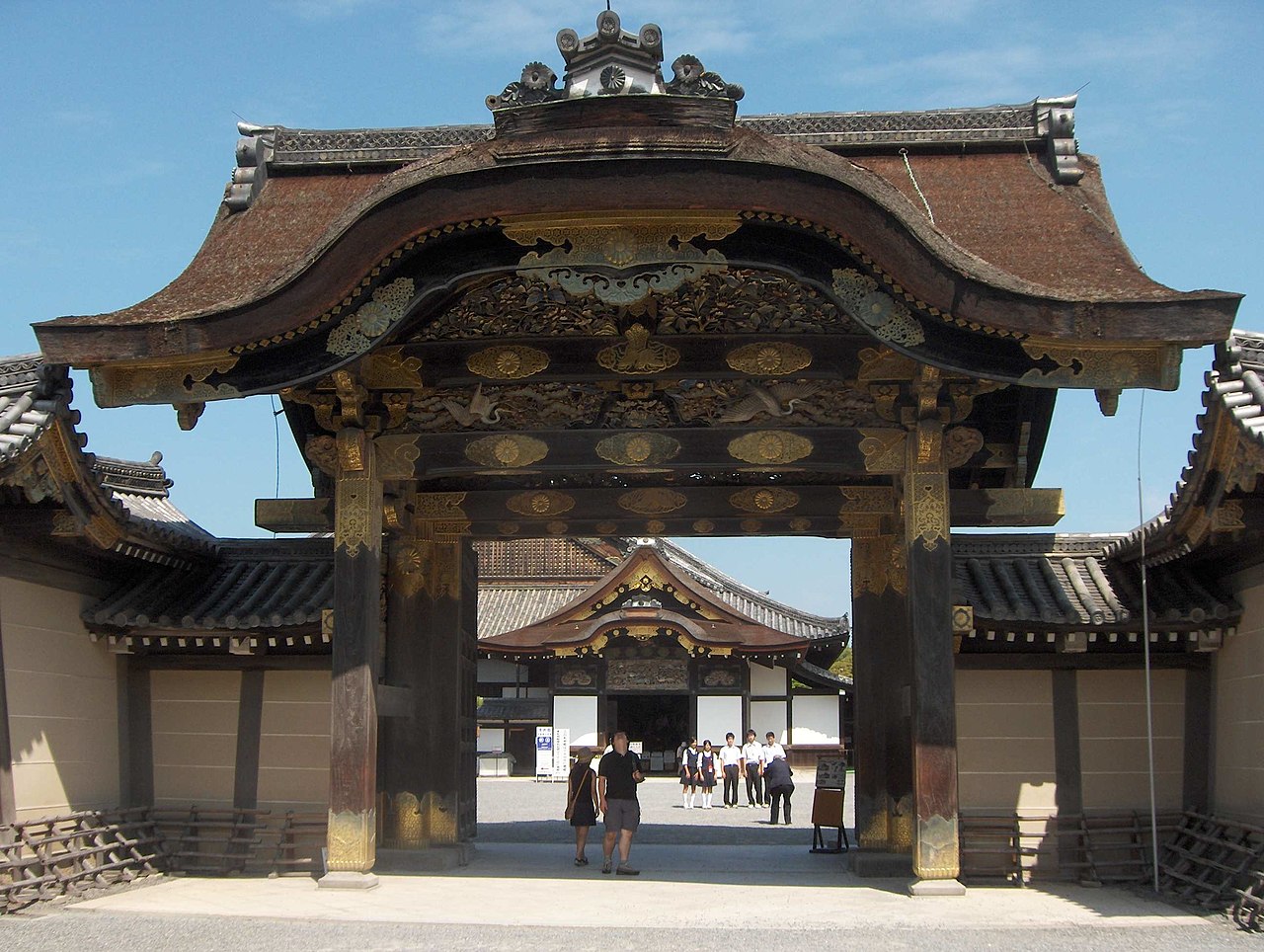
Description
Built in 1603, Nijō Castle stands as one of the finest surviving examples of Japan’s feudal-era palace architecture and is a designated UNESCO World Heritage Site. Stepping onto the famous squeaking nightingale floors, the raw energy of samurai history and political power truly hits different, fully immersing you in the soul of old Kyoto.
Why is this experience so famous?
Nijō Castle is consistently featured in major travel guides as a top-tier, essential experience in Kyoto, celebrated globally as a magnificent UNESCO World Heritage Site. People rave about its perfect blend of historical majesty and architectural beauty, famously recognized as one of the finest surviving examples of Japan’s feudal-era palace architecture. It’s a absolute must-do because it’s not just a palace tour; it’s an immersive, high-energy cultural deep dive that drops you straight into the heart of the legendary Tokugawa shogunate and rich samurai history.
Is it worth visiting?
Absolutely, especially if you are seeking a deeper understanding of Japan’s feudal history and architectural prowess. You will be amazed by the magnificent Ninomaru Palace and its famous “nightingale floors” that chirp when walked upon to provide an audible security measure, alongside the meticulously maintained traditional Japanese gardens. The atmosphere is deeply historic, offering an educational and immersive look into the Tokugawa shogunate that is considered great value. This UNESCO World Heritage Site is consistently featured as a must-visit destination in Kyoto by countless positive reviews. Skip the hassle of waiting in line, book online today to reserve now & pay later, and benefit from free cancellation.
What’s the best time to visit?
For the best weather and stunning foliage, visit during Spring (late March to April) for cherry blossoms or Fall (November) for vibrant autumn colors. High season brings magical illuminations but massive crowds that can trigger temporary closures. To beat the lines, arrive early on weekday mornings, or opt for less crowded winter months.
How much time should I allow for this experience?
Allow a total of 1 to 1.5 hours for a basic visit focused primarily on viewing the Ninomaru-goten Palace and its garden. If you plan for a more thorough experience, including exploring the Honmaru Garden, the Honmaru-goten Palace, and enjoying a relaxing break at the on-site tea houses, budget for a complete 2 to 3 hours. Always allow an extra 30 minutes of buffer time for entering the complex and renting an audio guide, especially during peak seasons when bottleneck crowds can form inside the palace corridors. This flexible activity can be seamlessly scheduled as a refreshing morning start right at opening to dodge the major tour groups, or as a relaxed late afternoon slot before admissions close.
Is it better to go in the morning or afternoon?
This is a fantastic question, and the timing of your visit to Nijō Castle will dramatically shape your experience of this historic shogun palace.
The Morning Advantage: A morning visit is perfect for the proactive traveler looking to beat the daytime heat and heavy tour groups. Entering early allows you to experience the peaceful strolling gardens in crisp daylight and hear the unique squeak of the famous “nightingale floors” without a dense crowd buffering the sound. It is a highly efficient way to start a heavy day of sightseeing.
The Afternoon Advantage: An afternoon visit offers a much more relaxed, contemplative vibe. As the daylight begins to soften, the long shadows and warm afternoon light create stunning, atmospheric scenes across the classic Edo-period Ninomaru garden. The palace architecture takes on a grander, historic weight as the day winds down.
My Recommendation: For a major historical landmark and open-air heritage site like Nijō Castle, my recommendation is unequivocally the Morning. Exploring extensive traditional wooden structures and walking gardens is always more enjoyable when your energy is high, the air is fresh, and the crowds are at their thinnest.
Insider Tip: To maximize this strategy, arrive right as the gates open at 8:45 AM on a weekday. Head straight to the Ninomaru Palace before the large tour groups arrive, ensuring you can hear the defensive chirp of the nightingale floors exactly as the samurai intended.
This morning slot sets you up perfectly for the rest of your day, connecting seamlessly to a lunch stroll through the nearby Nishiki Market to experience “Kyoto’s Kitchen” or an early afternoon visit to the nearby Kyoto Imperial Palace.
In summary, this is a must-do, culturally rich experience that delivers a fascinating journey into Japan’s feudal-era history. The best season to visit is spring during the spectacular cherry blossom season, and you should budget plenty of time to explore the historic palace grounds. Booking online offers great flexibility with reserve now and pay later options alongside free cancellation benefits. Secure your tickets now.
Copyright & Affiliate Notice: Image Credit: Wikimedia Commons – Image licensed under Creative Commons via Wikimedia Commons. This site contains affiliate links. We may earn a commission if you buy through our links – at no extra cost to you.


