




Description
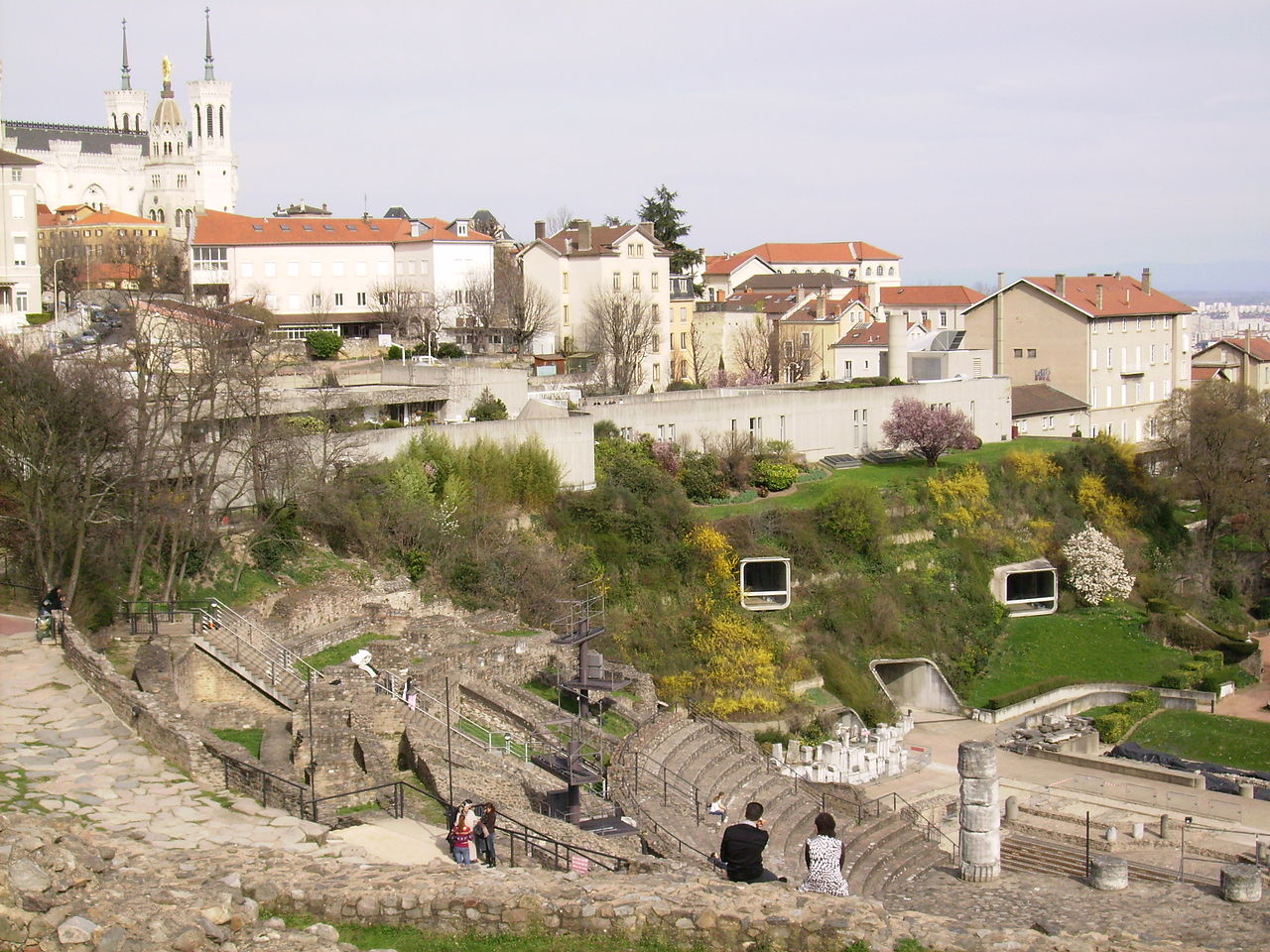
As a centerpiece of a UNESCO World Heritage site, Lugdunum houses one of France’s most significant archaeological collections within a bold, brutalist museum hidden inside Fourviere Hill. Descending the concrete spiral ramp into the heart of the ancient Roman capital hits different, seamlessly connecting you to two millennia of history through breathtaking theaters and masterfully preserved mosaics.
Why is this experience so famous?
Lugdunum Museum and Roman Theatres is consistently ranked as a top-tier cultural experience and is globally recognized as a prestigious UNESCO World Heritage site. People rave about the museum’s bold, brutalist architecture, which is ingeniously carved into the hillside to offer a seamless transition between modern design and the remarkably preserved ancient theaters. This is an absolute must-do because it is far more than a simple museum visit; it is a high-energy journey back to the very origins of Roman Lyon, providing a profound and immersive deep dive into the city’s ancient history that you simply won’t find anywhere else.
Is it worth visiting?
Absolutely, especially if you are seeking a deep dive into the ancient origins of Lyon at this UNESCO World Heritage site. You will be amazed by the two remarkably preserved Roman theaters and the bold, brutalist underground museum that is seamlessly integrated into the hillside. The atmosphere is profoundly historic yet modern, offering a high-quality educational experience that is considered great value. This attraction is consistently highly rated for its exceptional Gallo-Roman collections and iconic architecture. Skip the hassle of waiting in line, book online today to reserve now and pay later, and benefit from free cancellation.
What’s the best time to visit?
Aim for Spring or Fall for the most pleasant weather when exploring the outdoor Roman theaters. While the museum is rarely overcrowded, visiting during the summer high season means busier sites and hotter temperatures. For a savvy experience, visit on weekday mornings or around 4 PM to avoid groups. Note that the museum is closed on Mondays, and the theaters host the Nuits de Fourvière festival every summer.
How much time should I allow for this experience?
Allow a total of 1.5 to 2 hours for a basic visit focused on exploring the two ancient Roman theaters and a walk-through of the museum’s primary architectural highlights. For a more thorough experience, including a deep dive into the extensive Gallo-Roman collections and a detailed tour of the archaeological site, budget for a complete 3 to 4 hours. Always allow an extra 20 to 30 minutes of buffer time for the funicular ride up Fourvière Hill and the walk between the outdoor theaters and the museum entrance. This visit is best scheduled as a morning activity to enjoy the outdoor theaters before the midday heat, easily followed by a visit to the nearby Basilica or a walk down through the Roman ruins into Old Lyon for lunch.
Is it better to go in the morning or afternoon?
This is a fantastic question, and for a site as significant as Lugdunum, the timing of your visit completely changes the atmosphere.
The Morning Advantage: Arriving for a morning visit (ideally at the 11 AM museum opening) is the choice for the focused historian. You benefit from cooler temperatures while exploring the outdoor Roman theaters and significantly fewer crowds inside the museum, allowing you to appreciate the Gallo-Roman artifacts in a quiet, contemplative environment. It is an efficient and mentally fresh way to start your day.
The Afternoon Advantage: However, the afternoon offers a more cinematic and relaxed vibe. As the sun begins to dip, the light hitting the ancient stones of the theaters creates a dramatic, golden glow that is perfect for photography. The site feels less like a classroom and more like a living part of the Lyon landscape as the day winds down.
My Recommendation: For an archaeological site of this scale, my recommendation is unequivocally the Morning. Starting early allows you to beat the heat on the exposed theater steps before moving into the climate-controlled, underground museum. This ensures your energy levels are high for the wealth of historical information you’ll encounter.
Insider Tip: Aim to arrive at the Roman theaters around 10 AM, an hour before the museum opens. This gives you plenty of time to explore the outdoor ruins for free and take photos without people in your shots, so you can be first in line when the museum doors open at 11 AM.
This morning schedule works perfectly for your itinerary, as it leaves you ideally positioned to walk down the scenic Fourvière hill afterward, arriving in Vieux Lyon just in time for a traditional bouchon lunch.
In summary, this is a must-do, historical experience that offers a profound journey into Lyon’s Roman origins through its bold underground museum and two grand ancient theaters. Plan to allow 2 to 3 hours for your visit, with the Spring or Fall seasons being the most pleasant for exploring the outdoor ruins. Booking online provides the flexibility of reserving now and paying later along with free cancellation benefits. Secure your tickets now.
Copyright & Affiliate Notice: Image Credit: Wikimedia Commons – Image licensed under Creative Commons via Wikimedia Commons. This site contains affiliate links. We may earn a commission if you buy through our links – at no extra cost to you.