






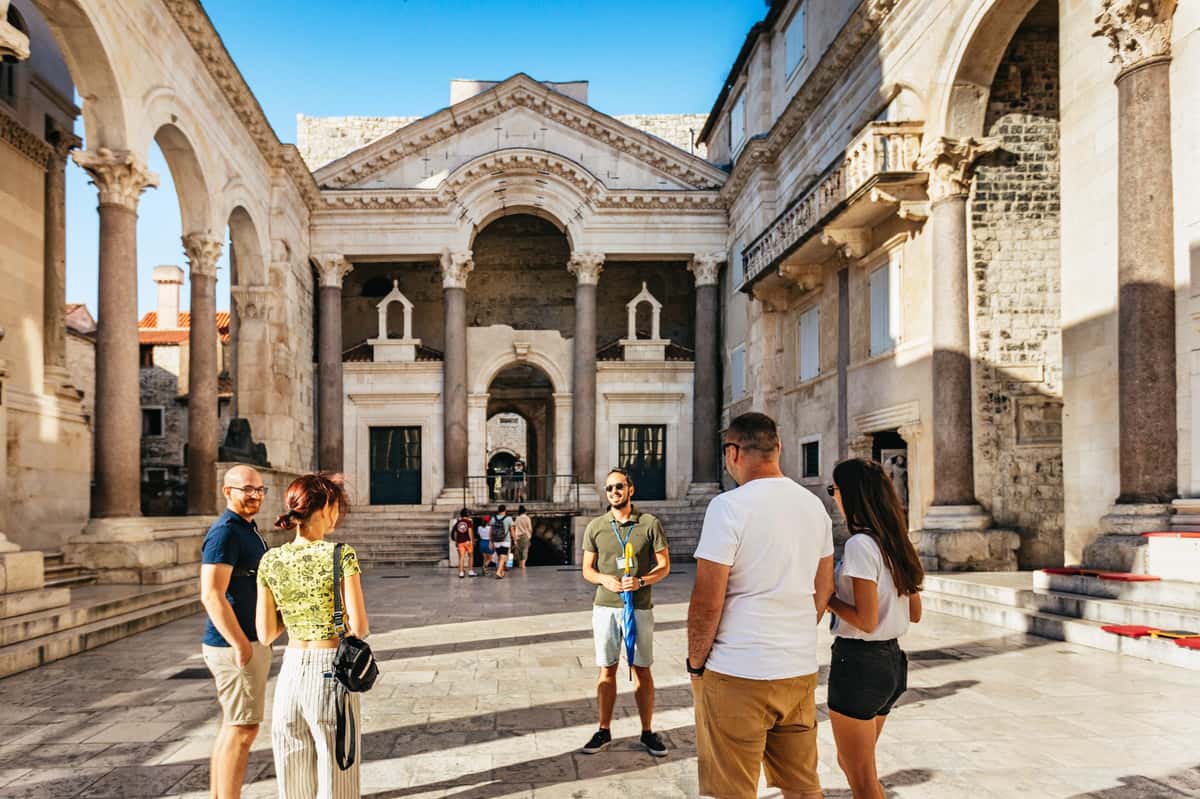
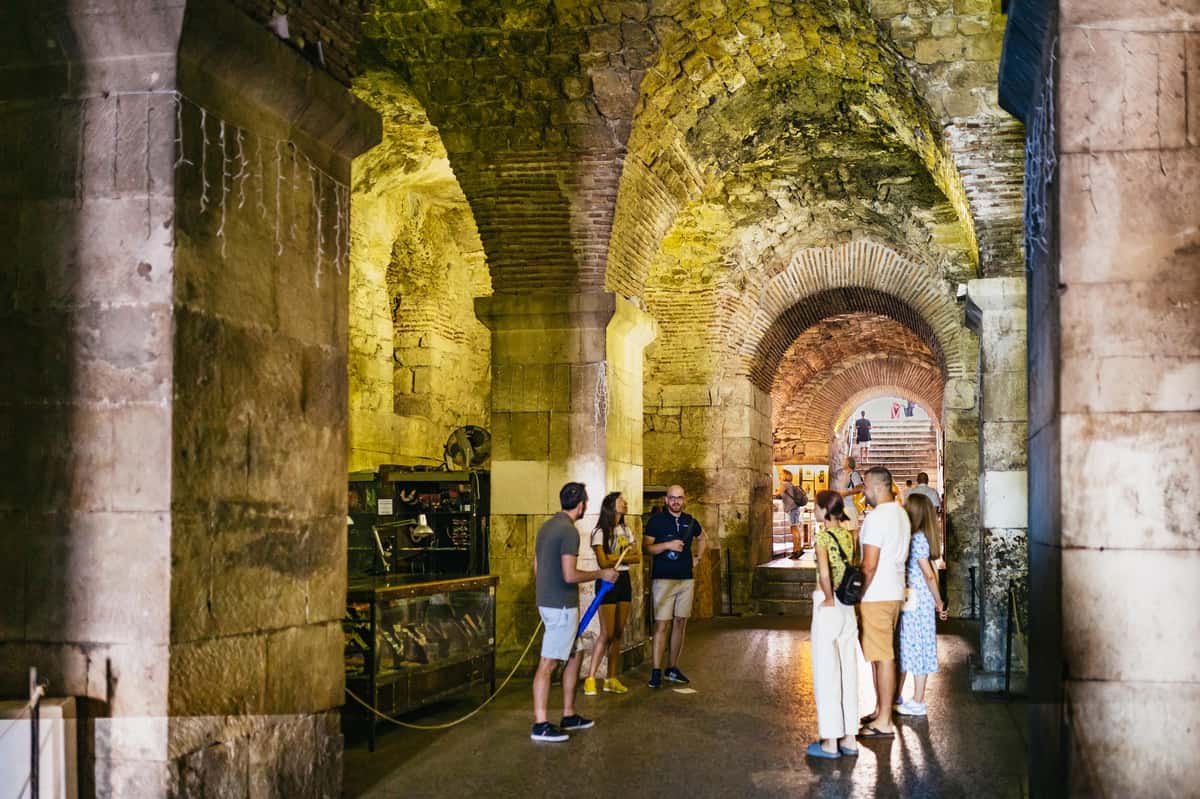

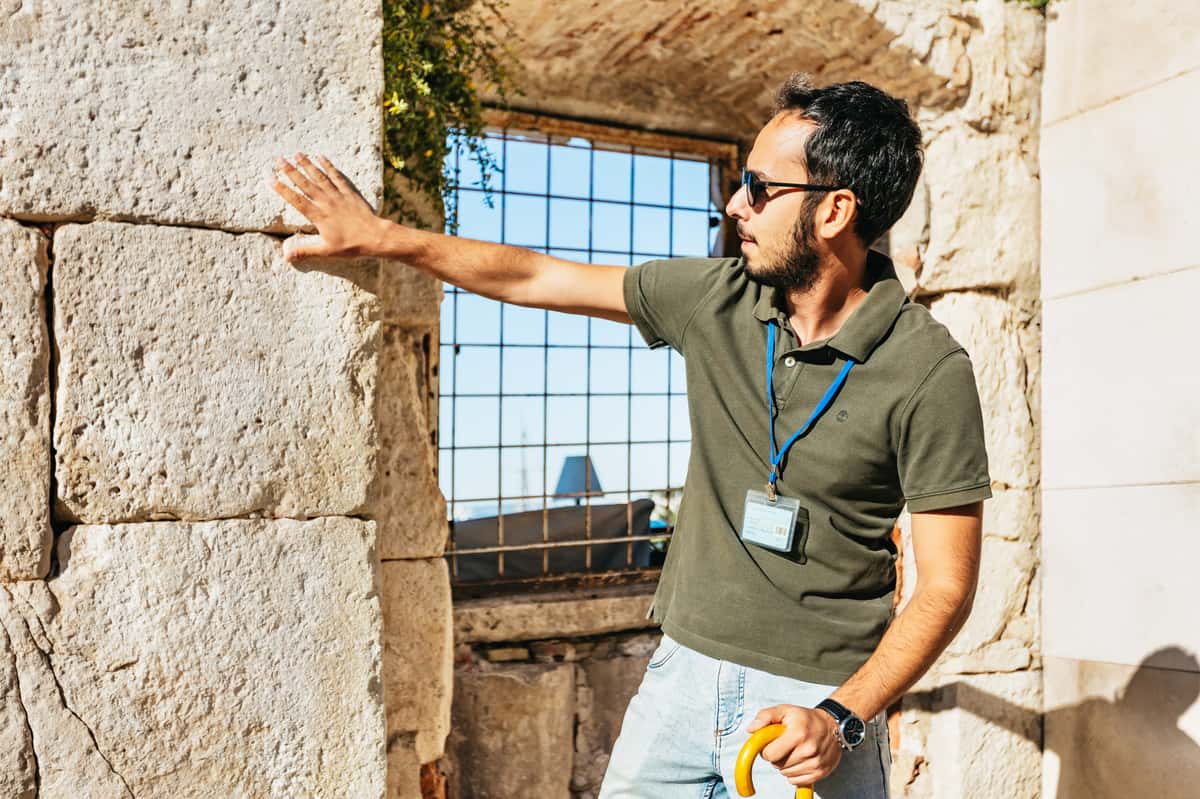
Description
Dating back to 305 CE, Diocletian’s Palace is so well-preserved that it remains the living heart of Split, encompassing half the Old Town. Wandering through the ancient colonnades of the Peristyle and past the world’s oldest cathedral hits different, perfectly blending 1,700 years of imperial history with a vibrant, modern Mediterranean soul.
Why is this experience so famous?
Why is it famous?
Diocletian’s Palace is consistently ranked as a top experience in Croatia and is featured in major travel guides as one of the world’s most complete remains of a Roman palace. People rave about its famous blend of ancient Roman architecture and vibrant modern life, where 1,700-year-old walls now house a bustling maze of shops and cafes. It is a must-do because it’s not just a tour; it’s an immersive cultural deep dive into a UNESCO World Heritage site that has been continuously inhabited for centuries, offering you the rare chance to walk through a living piece of history.
Is it worth visiting?
Absolutely, especially if you are seeking a deep dive into ancient history and the stunning architecture of the Roman Empire. You will be captivated by the well-preserved remains of Diocletian’s Palace, the ancient colonnades of the Peristyle square, and the Saint Domnius Cathedral, which is the oldest Catholic cathedral still in its original form. The vibe is incredibly immersive and educational, led by knowledgeable guides who bring 1,700 years of history to life as you stroll along the scenic Riva promenade. This tour is highly rated and consistently receives positive reviews for providing a comprehensive and engaging overview of Split’s Old Town. Skip the hassle of navigating on your own, book online today to reserve now & pay later, and benefit from free cancellation.
What’s the best time to visit?
Aim for the shoulder seasons, specifically May, June, or September, for mild temperatures and pleasant sightseeing weather. Summer brings intense heat and overwhelming cruise ship crowds, making the narrow palace streets difficult to navigate. For a savvier experience, book a morning tour before 9:00 AM to beat the midday rush and heat, and try to visit on weekdays to avoid the peak weekend tourist traffic.
How much time should I allow for this experience?
Allow a total of 1.5 to 3 hours for this experience. A basic visit focusing on the core guided walking tour takes approximately 90 minutes. If you prefer a more thorough exploration that includes climbing the cathedral bell tower, visiting the palace substructures, and enjoying a leisurely stroll along the Riva promenade, you should budget for 3 hours. It is practical to allow a 20-minute buffer to locate your guide at the Golden Gate and complete the check-in process. This tour is best scheduled for the early morning to avoid the midday heat or in the late afternoon to transition seamlessly into a seaside dinner.
Is it better to go in the morning or afternoon?
This is an excellent question, and for a historical deep-dive into an ancient stone complex like Diocletian’s Palace, timing is everything.
The Morning Advantage: Morning tours, specifically those starting around 8:30 AM or 9:00 AM, are for the traveler who values discovery over distraction. You benefit from the coolest temperatures of the day—crucial when walking on sun-baked Roman limestone—and you beat the massive influx of cruise ship crowds that typically descend on the Peristyle by 11:00 AM. It is a peaceful, crisp way to see the city wake up.
The Afternoon Advantage: Conversely, the late afternoon offers a more cinematic, relaxed energy. As the sun begins to dip, the white Brač stone of the palace takes on a warm, golden glow, and the Riva promenade comes alive with the local “pomalo” (take it easy) lifestyle. It is undeniably romantic, though you will be sharing the narrow corridors with many more people.
My Recommendation: For a tour of this historical caliber, my recommendation is unequivocally the Morning. Exploring 1,700 years of history requires focus and comfort; the morning’s freshness allows you to appreciate the architectural nuances of the Saint Domnius Cathedral and the Golden Gate without the heat exhaustion or the noise of peak-hour crowds.
Insider Tip: Book the earliest possible slot and make sure to rub the big toe of the Gregory of Nin statue right at the start of your tour—local legend says it guarantees good luck and a return to Split.
Choosing the morning perfectly segments your day, finishing just in time for a traditional seafood lunch at a local konoba in the Varos neighborhood, leaving your afternoon completely free for a nap or a swim at Bačvice beach.
In summary, this is a must-do historical experience that takes you through 1,700 years of Split’s fascinating past. Plan to allow between 90 minutes and 6 hours for your tour, and the best seasons to visit are Spring or Fall. Booking online offers flexibility with reserve now and pay later and free cancellation benefits. Secure your tickets now.