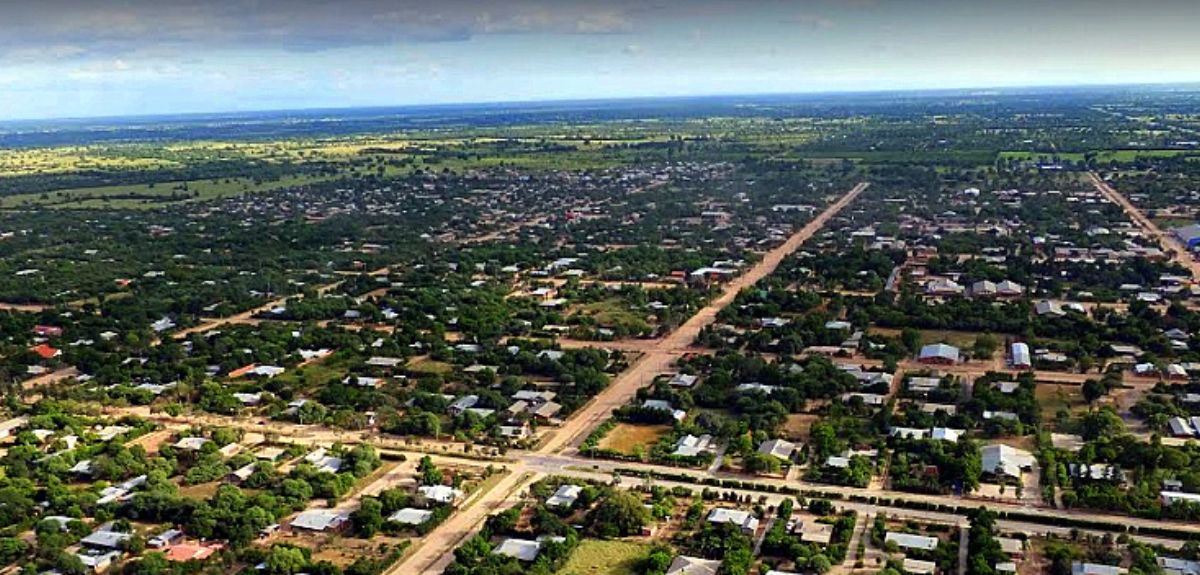
If you’re dreaming of a trip to Paraguay, you’re in for a real hidden gem experience. I’ve wandered through this underrated South American country, soaking up its laid-back vibes, stunning natural wonders, and warm hospitality that makes you feel like family right away. Paraguay often gets overlooked between its flashier neighbors, but that’s exactly what makes it special—authentic, affordable, and full of surprises. From bustling riverfront capitals to massive engineering feats, beach towns with epic carnivals, and unique Mennonite communities in the wild Chaco, it’s a place that rewards curious travelers who want something off the beaten path. Whether you’re into history, nature, shopping, or just chilling with locals over tereré (their refreshing cold mate), Paraguay delivers. Let me share my top picks to help you explore cities, plan smart, and travel better.
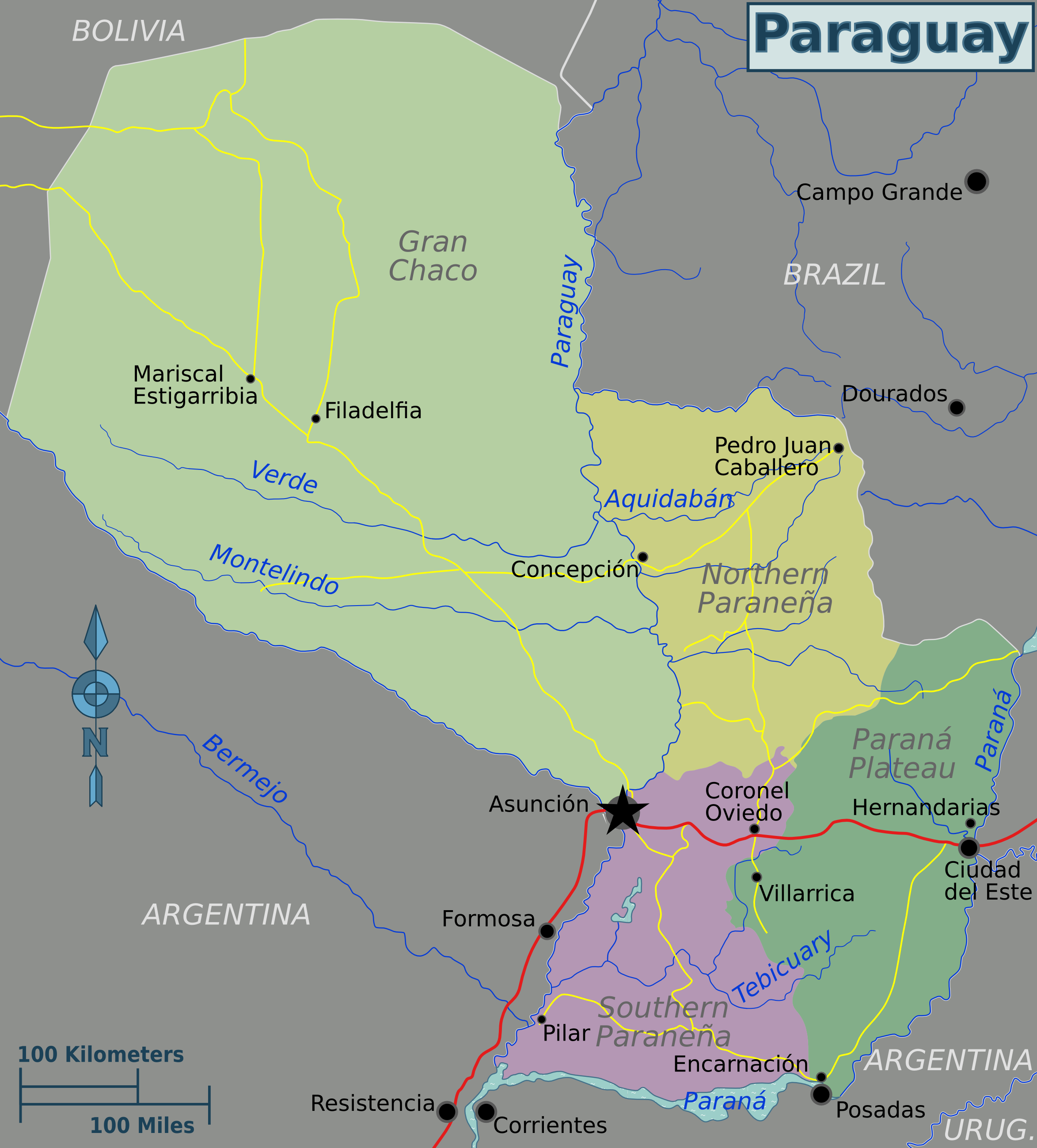
Paraguay hits you with a mix of cultures—Guarani indigenous roots, Spanish colonial history, Brazilian and Argentine influences, and even Mennonite farming communities. It’s landlocked but feels alive thanks to the mighty Paraná and Paraguay Rivers. I’ve narrowed it down to five standout spots that capture the country’s diversity: the capital Asunción, the border buzz of Ciudad del Este (with Itaipu Dam), the sunny carnival vibes of Encarnación, the engineering marvel of Itaipu Dam itself, and the fascinating Filadelfia in the Chaco. Each has its own flavor, and I’ll link you to deeper guides. Plus, practical tips on costs, hacks, and what to expect so you can make the most of your trip.
Accommodation – Mid-range hotels or guesthouses with AC, Wi-Fi, and good locations run about $40–80 USD per night for a double room in Asunción or Encarnación. Hostels and budget options are $15–30 USD for a dorm or simple private room. Airbnbs start around $30–60 USD. Luxury or boutique spots (especially with pools) can hit $100–150 USD in peak season (December–February for summer/carnival). Shoulder seasons like May–September are cheaper and more comfortable.
Food – Super affordable and tasty. A hearty lunch “menú del día” with meat, rice, salad, and drink costs $5–10 USD. Street empanadas, chipa (cheese bread), or sopa paraguaya (cornbread) are $1–3 USD. Dinner at a casual spot runs $8–15 USD per person. Asunción has craft beer and international options (even good Asian fusion). Tereré or fresh juice? Under $2 USD. Splurge on a nice steak dinner for $20–30 USD—you won’t break the bank.
Transportation – Buses are the way to go: Asunción to Encarnación or Ciudad del Este is $10–25 USD for comfortable long-distance rides (5–6 hours). Local buses or taxis/Uber are $1–5 USD per ride. Within cities, walking or cheap taxis work well. Renting a car is $30–50 USD/day if you want flexibility for the Chaco or ruins, but gas adds up. Flights between Asunción and other spots are limited but reasonable.
Activities – Many are free or cheap. Itaipu Dam panoramic tour is often free or low-cost on the Paraguayan side. Jesuit ruins entry ~$3–5 USD. Beaches and parks are free. Guided tours or carnival tickets add $10–40 USD. Boat tours or ziplines around $20–50 USD.
Suggested daily budget – $50–80 USD per person for mid-range comfort (hotel, meals out, buses, a couple attractions). Budget travelers can do $30–45 USD with hostels, street food, and public transport. Splurging on nicer stays, tours, or carnival? $100–150 USD. It’s easy to travel well here on less than in neighboring countries.
These are the experiences I consider absolute non-negotiables.
Paraguay has this welcoming, unpretentious energy that grows on you fast. It’s a blend of indigenous Guarani pride, colonial remnants, and modern everyday life—think colorful markets next to quiet plazas, or massive dams powering the region while cowboys ride in the Chaco. The people are genuinely friendly and curious about outsiders; don’t be surprised if someone invites you for tereré or a chat. Spanish and Guarani are official, but basic Spanish gets you far—locals appreciate the effort.
The vibe varies: Asunción feels like a growing capital with street art, craft beer, and river sunsets. Ciudad del Este is chaotic and commercial, great as a base for Iguazu-adjacent adventures. Encarnación brings beach relaxation and wild Carnival energy (February is next-level). Itaipu blows your mind with its scale—one of the planet’s biggest engineering projects. Filadelfia offers a fascinating cultural contrast with orderly Mennonite farms, museums, and raw nature nearby
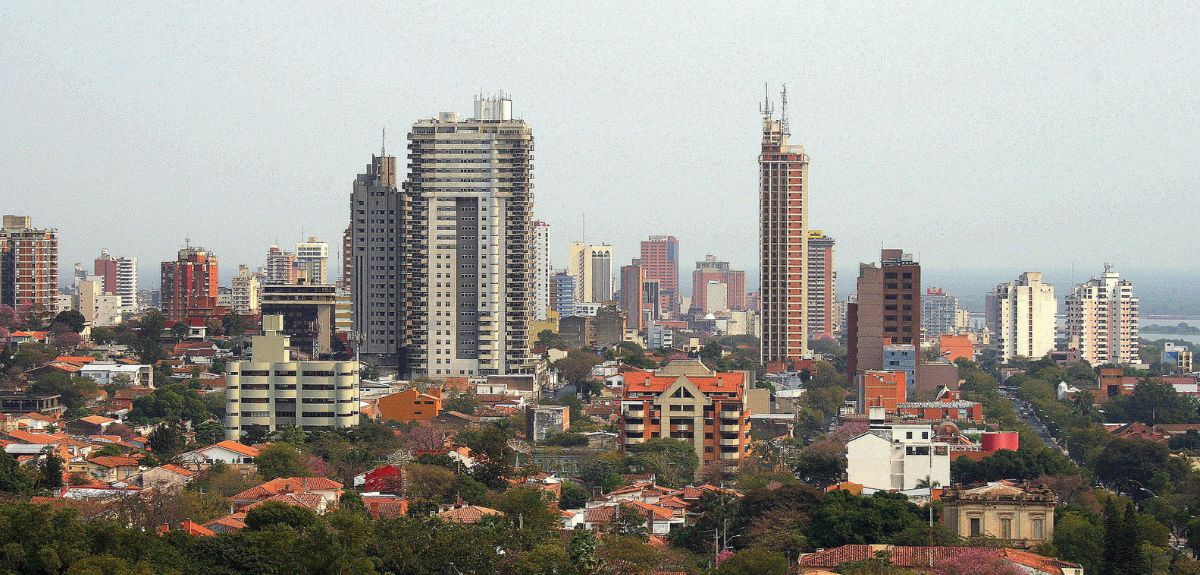
Asunción is a city where the air is thick with the scent of blooming jasmine and the soulful echoes of a harp. As the "Mother of Cities," this Paraguayan gem balances its storied colonial past with a blossoming modern energy,
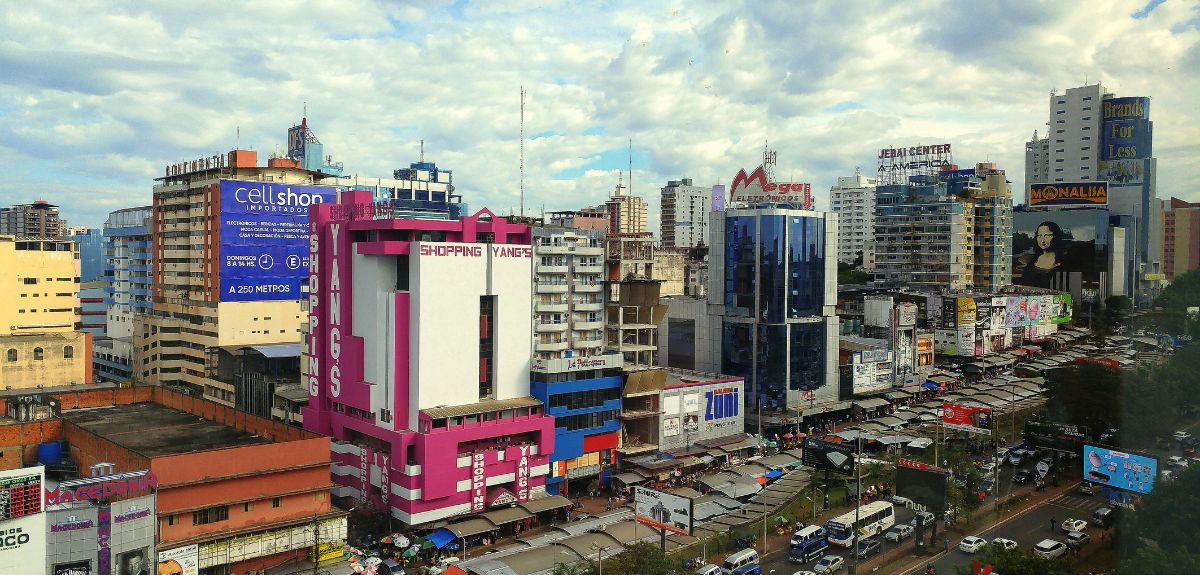
Ciudad del Este is a glittering mosaic of commerce and culture, where the energetic hum of the Triple Frontier meets the majestic roar of nearby waterfalls. As the sun glints off the Paraná River, this bustling Paraguayan gem reveals a
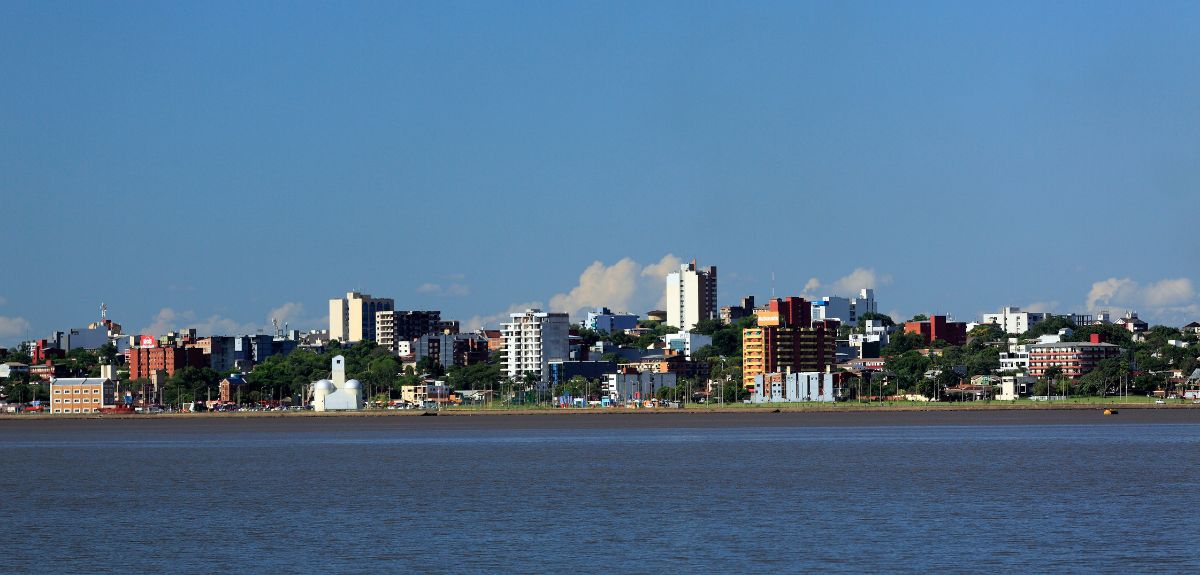
Glistening under the golden South American sun, Encarnación is a city where the rhythmic pulse of the Paraná River meets a vibrant, cosmopolitan soul. Known as the Pearl of the South, this Paraguayan gem invites you to trade the mundane
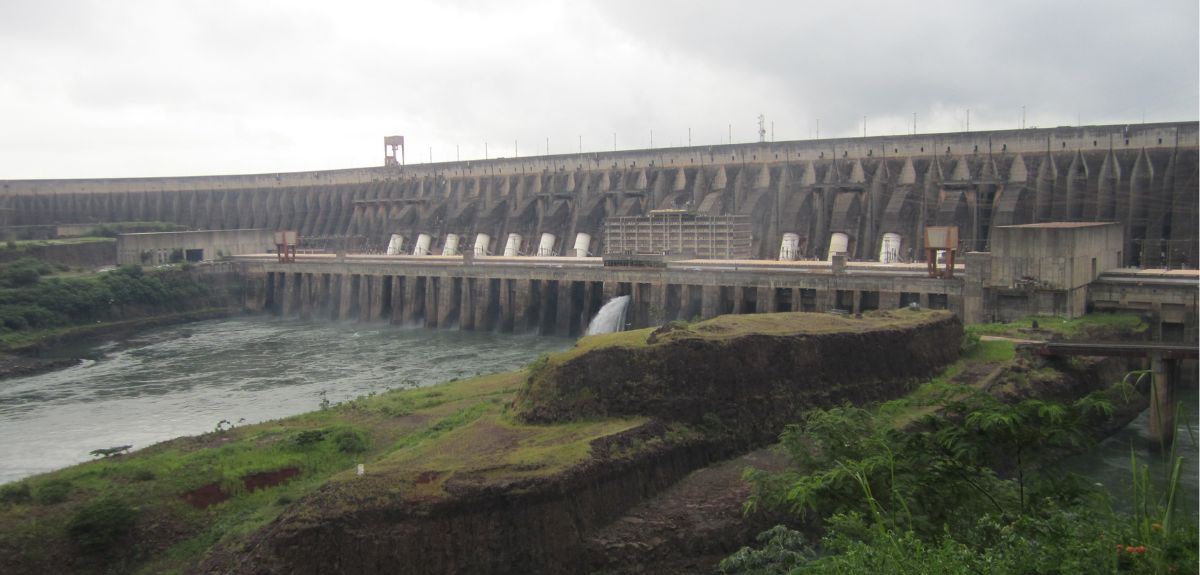
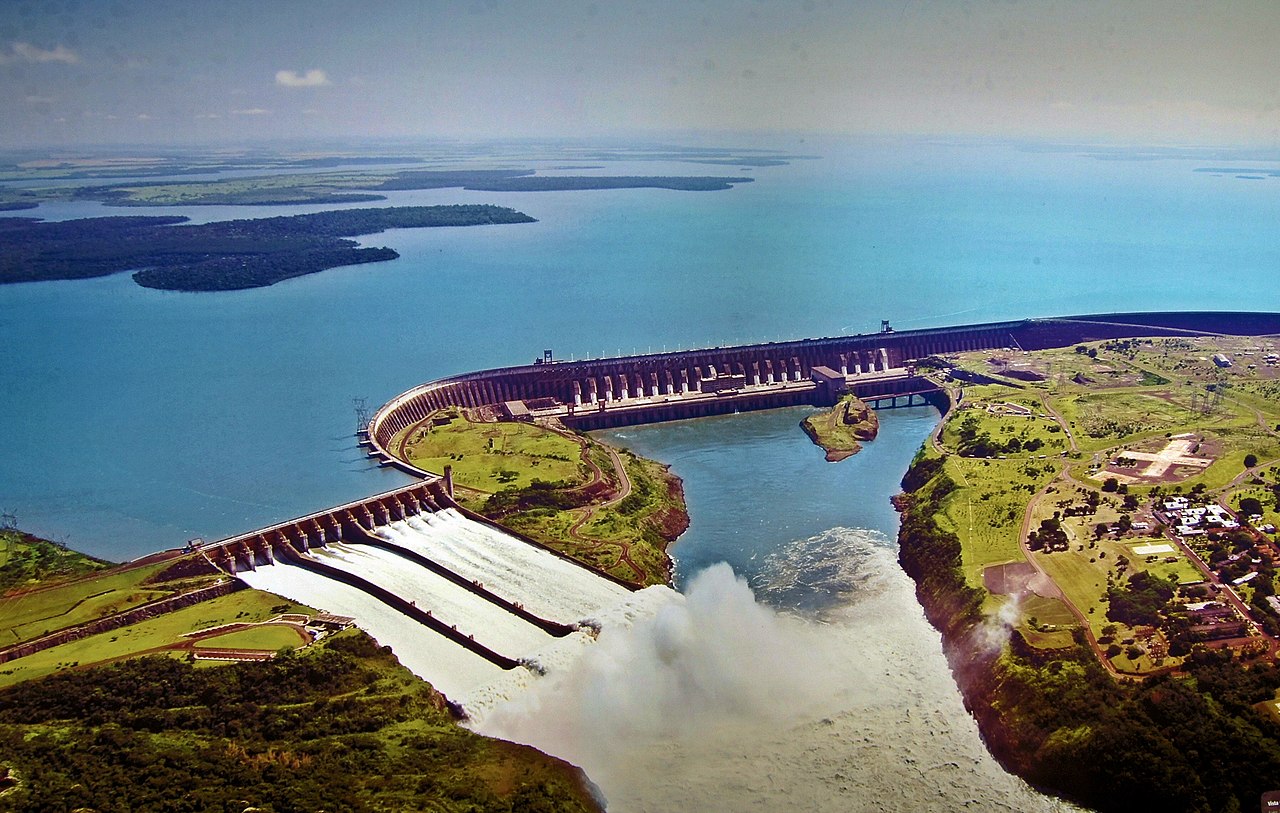
Imagine a place where the raw power of nature is harnessed by the sheer brilliance of human ingenuity, creating a symphony of concrete and rushing water that resonates through the heart of South America. Standing before the Itaipu Dam is
Deep within the heart of the Gran Chaco, where the golden sun dips behind a horizon of ancient bottle trees, lies Filadelfia—a captivating mirage of European order and South American spirit. This unique oasis, born from the resilience of Mennonite
Weather is subtropical: hot and humid summers (December–February, 80–95°F), milder winters (June–August, 50–70°F, drier and ideal for exploring). Rainy season can make roads muddy in the Chaco. Safety-wise, it’s generally chill for South America—exercise normal precautions like anywhere. Watch for pickpockets in crowded Asunción spots or Ciudad del Este markets, but I wandered solo without major issues. Use common sense at night and in border areas.
Public transport works, roads are improving (though Chaco drives need a sturdy vehicle), and the country feels authentic—no heavy tourist crowds. You’ll share mate, dance to polka or cumbia influences, and leave with stories most travelers miss. Grab our interactive maps and guides for Asunción, Ciudad del Este, Encarnación, and more to map your adventure. Paraguay might surprise you—in the best way. Explore cities, plan smart, travel better!