


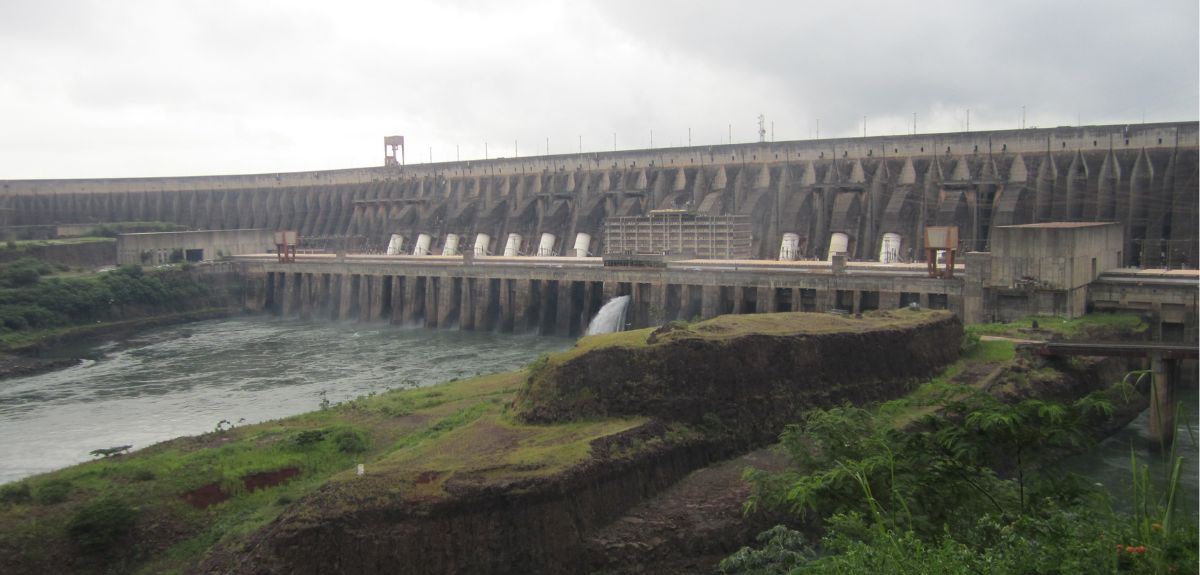
Imagine a place where the raw power of nature is harnessed by the sheer brilliance of human ingenuity, creating a symphony of concrete and rushing water that resonates through the heart of South America. Standing before the Itaipu Dam is like witnessing a modern-day titan, a colossal monument to collaboration and energy that straddles the border between Paraguay and Brazil with an air of quiet, industrial majesty.
Why Visit Itaipu Dam?
Beyond its reputation as a marvel of engineering, Itaipu offers a captivating journey through sustainable innovation, indigenous history, and the breathtaking landscapes of the Alto Paraná region. Here is why this wonder of the modern world deserves a place on your itinerary:
- The Central Lookout: Experience the true scale of this behemoth from the perfect vantage point, where the massive hollow gravity dam stretches toward the horizon like a fortress of light.
- Itaipu Ecomuseum: Delve into a glamorous retrospective of the dam’s construction, where interactive exhibits and social history bring the Herculean efforts of the 1970s to life.
- Bela Vista Biological Refuge: Wander through a lush sanctuary where conservation meets luxury, offering a rare glimpse of local wildlife protected by the dam’s environmental initiatives.
- The Night Illumination: Witness the dam transform into a sparkling jewel after dark, as hundreds of floodlights dance across the concrete facade in a dramatic display of shadow and light.
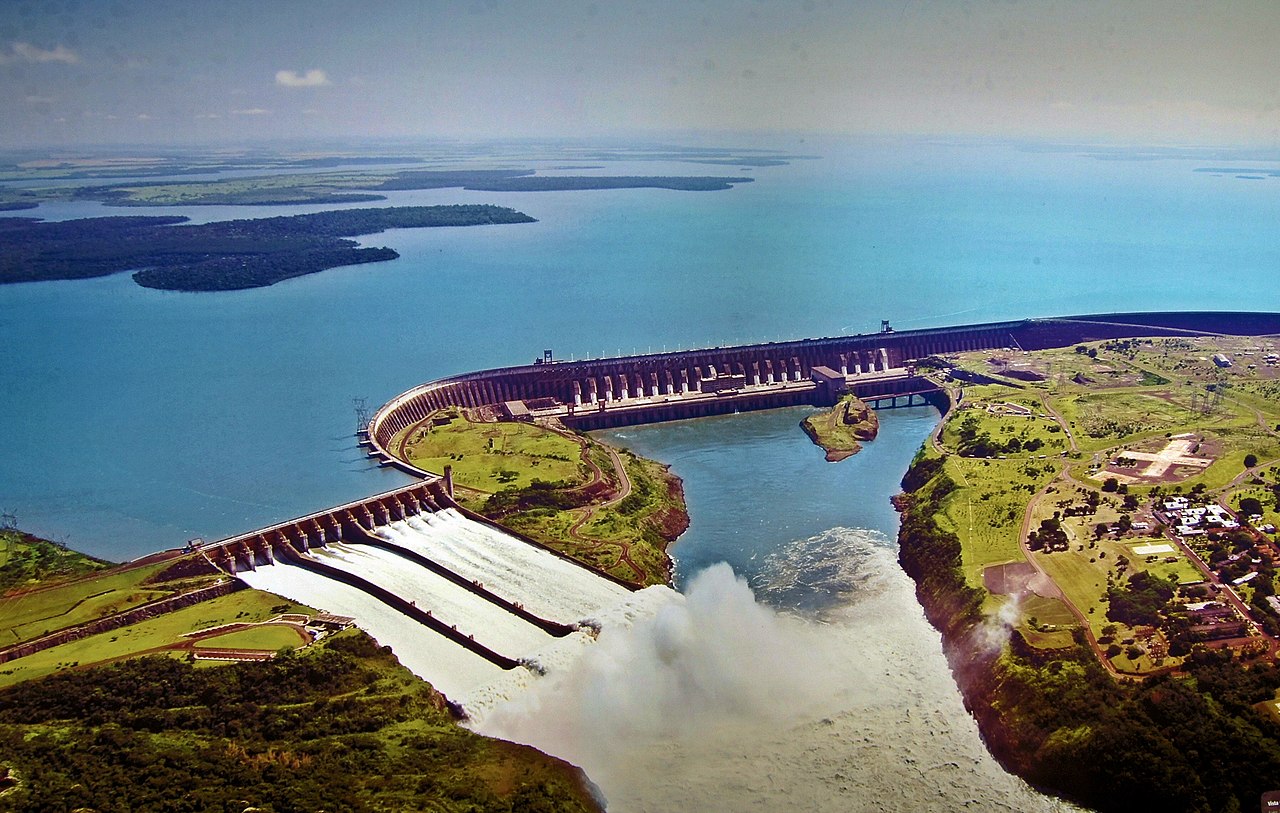
- Itaipu Lake: Explore the vast, shimmering reservoir created by the dam, a serene expanse of blue that offers a tranquil contrast to the thundering turbines deep within the structure.
Whether you are captivated by the rhythmic pulse of renewable energy or the serene beauty of the surrounding nature, a visit to Itaipu Dam is an empowering encounter with the future of our planet.
ITAIPU DAM KEY INFO
Everything you need to hit the ground running.
WHEN TO VISIT
December to March for peak water volume and impressive spillway views; May to August for cooler weather and fewer crowds.
HOW TO GET THERE
Fly into Foz do Iguacu International Airport (IGU). It’s a taxi or rideshare to the city center (~15-20 min).
HOW TO GET AROUND
Bus! It’s the most reliable way to reach the visitor center from Foz do Iguaçu or Ciudad del Este. Use the local Foztrans lines 101 or 102.
IDEAL TRIP LENGTH
0.5-1 days for the dam itself, but 2-3 days if you want to include Iguazu Falls and the surrounding biological refuges.
What is Itaipu Dam Mainly Known For?
Itaipu Dam is famous for being the sounding stone, a name derived from the Guarani language reflecting its indigenous roots. It’s also known for its massive hollow gravity dam, a concrete marvel stretching nearly 8 kilometers. Beyond the sights, it’s known as a Wonder of the Modern World for its record-breaking renewable energy production.
Is Itaipu Dam a Walkable City?
Not really. Itaipu Dam is a massive industrial complex, not a typical city. While the visitor centers have walkable areas, you’ll need the official tour buses to navigate the 8km-long structure and reach the various viewpoints.
Is it safe to walk in Itaipu Dam at night?
Yes, the complex is highly secure and well-monitored. I felt completely at ease during the night illumination tour, though you must stay with your group.
What Is the Best Neighborhood to Walk Around?
Vila A is the winner, a historic residential area nestled near the Paraná River. This leafy neighborhood features charming, well-ordered streets and original mid-century architecture built for the dam’s first technicians. For something completely different, walk over to Vila C, a vibrant district with an industrial edge and street-level energy that reflects the hardworking roots of the dam’s original construction crews.
What Are the Best Things to Do in Itaipu Dam? (For Your First Visit)
I visited Itaipu Dam without a strict day-by-day plan. I wanted to take my time, enjoy the engineering brilliance and collaborative spirit, and see where the streets took me. I wrote down a few highlights and hit the ground running. Here are the spots I definitely recommend checking out:
Itaipu Dam
Experience the raw power of this engineering titan. Marvel at the massive hollow gravity dam and central lookout. Panoramic tours cost around $6. Pro tip: Visit when the spillway is open for a truly thunderous, unforgettable spectacle. Check availability and explore popular experiences.
Itaipu Ecomuseum
Step into a glamorous retrospective of the dam’s history. Explore interactive exhibits and 1970s construction memorabilia. Price: ~4 USD. Pro tip: Visit during the golden hour for the best photos of the surrounding gardens. Check availability and explore popular experiences.
Bela Vista Biological Refuge
Escape into this lush wildlife sanctuary where conservation meets jungle cool. Spot jaguars and colorful toucans along forest trails. Entry: ~$6. Pro tip: Book the night tour for a mysterious, atmospheric encounter with nocturnal residents. Check availability and explore popular experiences.

Museo de Itaipu Tierra Guarani
Dive into Guarani heritage at this immersive cultural hub. Explore ancestral tools, wildlife exhibits, and the region’s spiritual history. Entry: ~$1. Pro tip: Check out the scale model of the dam to truly grasp its massive footprint. Check availability and explore popular experiences.

Credit: TripAdvisor
Itaipu Lake
Soak in the serene vibes of this massive reservoir. Enjoy boat tours and stunning sunset views over the water. Price: Free (tours extra). Pro tip: Visit at dusk for a tranquil escape from the dam’s industrial energy. Check availability and explore popular experiences.

Monday Falls
Experience a thundering, uncrowded alternative to Iguazu. Marvel at the 40-meter drops from panoramic walkways or the elevator. Entry: ~$12. Pro tip: Visit at dusk to see thousands of swifts nesting behind the falls. Check availability and explore popular experiences.

Friendship Bridge
Feel the border-crossing buzz on this iconic bridge connecting Paraguay and Brazil. Take in epic Paraná River views and bustling trade energy. Price: Free. Pro tip: Cross at sunset for a golden-hour spectacle over the water. Check availability and explore popular experiences.

Central Lookout
Stand at the heart of this industrial titan for mind-blowing views of the dam’s massive concrete curves. Price: Included in $6 panoramic tour. Pro tip: Arrive early to beat the crowds and snag the perfect centered shot. Check availability and explore popular experiences.

Credit: Wikimedia Commons
Tati Yupi Biological Refuge
Escape into this lush riverside sanctuary where jungle trails meet serene lake views. Highlights: tractor rides, horseback riding, and hidden waterfalls. Price: Free. Pro tip: Snag your entry pass at the nearby zoo before heading to the reserve. Check availability and explore popular experiences.


Must-Do Activities in Itaipu Dam
To really get the most out of your trip, I recommend checking out these experiences:
No products were found!
What Part of Itaipu Dam is Best for Tourists?
Stay in the Foz do Iguacu City Center. Everything will be within a 15-minute walk. If you want something a bit more local but still close, Vila A is lovely—it features charming, well-ordered streets and leafy parks perfect for a relaxed stroll.
What to Know Before Going to Itaipu Dam
- Stick to Bottled: Tap water is generally unsafe; stick to bottled or purified water to avoid waterborne illnesses.
- Language Barriers: English is limited among locals; guides at the dam are often trilingual, but basic Spanish or Portuguese helps.
- The Itaipu Special: This technical tour is the ultimate pass, offering exclusive internal access; book well in advance.
- Sunday Closures: Many shops close or have reduced hours on Sundays; check specific mall schedules before heading out.
- Tipping Etiquette: A 10% service fee is usually included in restaurants; otherwise, rounding up for good service is appreciated.
How Many Days Do I Need in Itaipu Dam?
3 days is the ideal duration to witness this engineering marvel and explore the surrounding natural wonders of the Alto Parana region.
- Day 1: Itaipu Dam, Central Lookout, Spillway Lookout, Night Illumination Tour.
- Day 2: Itaipu Ecomuseum, Bela Vista Biological Refuge, Museo de Itaipu Tierra Guarani, Tati Yupi Biological Refuge.
- Day 3: Take a breathtaking day trip to the iconic Iguazu Falls and the thundering Monday Falls.
Suggested daily budget – 90-140 EUR / 100-155 USD (Note: This covers mid-range hotels in nearby Foz do Iguaçu or Ciudad del Este, sit-down restaurant meals, and a technical dam tour with local bus transport. You can go cheaper if you stay in hostels, eat street food like chipa, and opt for the panoramic bus tour.)
MONEY SAVING TIPS
- Score a Cross-Border Combo: Head to the food courts in Ciudad del Este for a Prato do Dia (Plate of the Day) or a budget-friendly Burger King meal, which is significantly cheaper than the Brazilian side, or grab a few traditional Chipa breads from street vendors for less than R$5.
- Explore the Green Side for Free: While the main dam tours have fees, entrance to the Itaipu Ecomuseum and certain biological areas are often included or offered at a lower rate for residents and students; check the official visitor center for seasonal free admission days or educational “Free Walking” circuits around the Ecomuseum.
- Master the Public Transit: Skip the pricey R$30+ taxis and take the local Foztrans bus lines 101 or 102 from the Urban Bus Terminal (TTU) in Foz do Iguaçu for only R$3.45 to reach the visitor center directly.
- Sunset at the Lake Shore: Avoid the cost of a sunset catamaran by grabbing a cold mbeju and a store-bought beer or tereré, then heading to the public banks of Itaipu Lake or the nearby Tati Yupi Biological Refuge for a scenic waterfront picnic with a view of the reservoir.
What’s the Best Month to Visit Itaipu Dam?
May and August are the sweet spots for visiting Itaipu Dam. These months offer cooler, more comfortable weather and significantly fewer crowds for exploring the massive complex. However, December is a magical alternative, as the increased water volume often leads to spectacular spillway openings and the dam transforms with dramatic night illuminations.
How to Get to Itaipu Dam
Most international travelers fly into Foz do Iguacu International Airport (IGU). Direct flights arrive from major South American hubs like São Paulo, Rio de Janeiro, and Lima; travelers from the US or Europe typically connect through these cities.
- From the airport: The city center is a 15–20 minute journey. Taxis or rideshares typically cost between $10 and $20.
- By Train: There are no passenger rail services; access is primarily by bus or car from Foz do Iguaçu or Ciudad del Este.
How to Get Around Itaipu Dam
Stick to the official tour buses—it is the only way to navigate the massive dam complex.
- Car Rental: Not recommended for the dam itself as private vehicles have restricted access; use DiscoverCars only for regional travel between Foz do Iguaçu and Ciudad del Este.
- Walking: Impossible for the whole area; the structure is 8km long and requires motorized transport.
- Uber/Bolt: Available and reliable for reaching the visitor centers.
- Tours: Non-negotiable; you must join an official guided tour to see the viewpoints.
Tips for first-timers: Avoid arriving without a pre-booked tour—Wait times are long and popular sessions sell out quickly. Book your tickets online in advance to guarantee your spot and see the dam’s inner workings without the hassle!
Itaipu Dam is the kind of place that lingers in your memory. It is a monumental symphony of industrial majesty and raw, harnessed power, defined by its colossal structure, collaborative spirit, and a profound, sustainable innovation. This wonder of the modern world invites you to witness human ingenuity, leaving you with a renewed sense of wonder.
Note: This article contains affiliate links. If you purchase something I’ve recommended, I’ll earn a small commission at no extra cost to you. I really appreciate your support and I hope this guide helps you ♡