

Get Inspired

Itineraries

Travel Guides

About Me

Top
  >  Paraguay   >  Best Places to Visit in Filadelfia
best places to visit in filadelfia

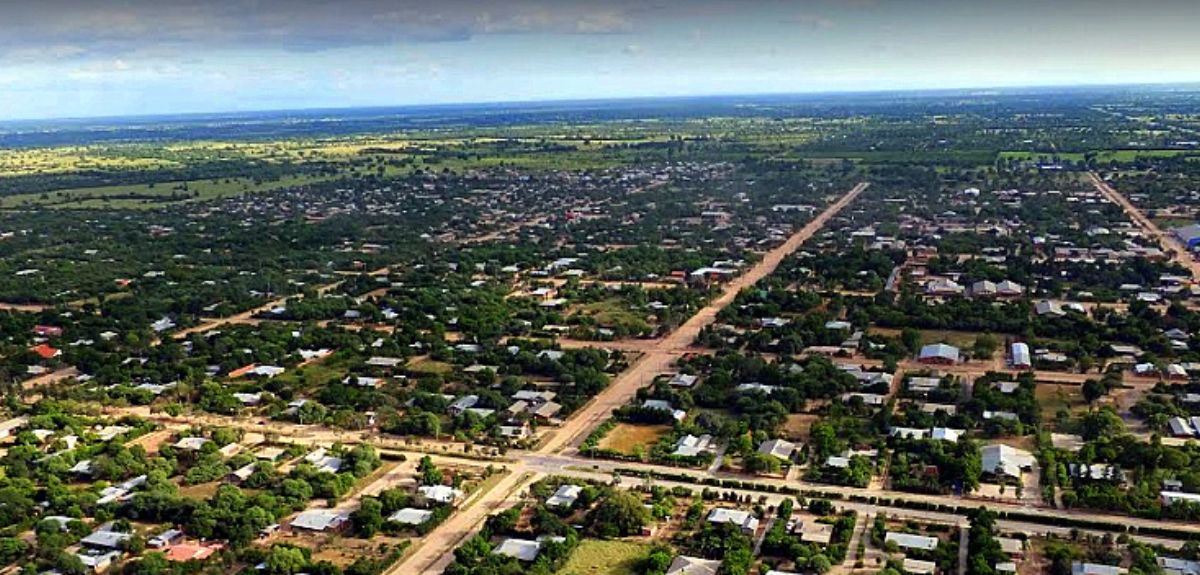
Deep within the heart of the Gran Chaco, where the golden sun dips behind a horizon of ancient bottle trees, lies Filadelfia—a captivating mirage of European order and South American spirit. This unique oasis, born from the resilience of Mennonite pioneers, offers a travel experience that feels like a beautifully scripted story of triumph and tradition unfolding in the wild, untamed wilderness.

Why Visit Filadelfia?

From its impeccably organized streets to the whispers of history in its world-class museums, Filadelfia invites you to discover a side of Paraguay where industrious grit meets a serene, sophisticated charm. Here is why this Chaco capital is a must-see destination:

  • Jakob Unger Museum: Immerse yourself in the fascinating saga of the settlers while admiring a stunning collection of the region’s diverse and exotic wildlife.
  • Avenida Hindenburg: Stroll down the town’s primary artery, a wide and peaceful boulevard where the unique blend of German-Russian heritage and Paraguayan culture is most vibrant.
  • Museo Industrial: Step back in time among the vintage machinery and factory ruins that highlight the town’s incredible journey into a modern agricultural powerhouse.
  • Mennonite Gastronomy: Indulge in a culinary journey where traditional European flavors meet local ingredients, offering a sophisticated taste of the colony’s hardworking history.
  • Laguna Capitan: Venture just beyond the city to witness the ethereal beauty of saline lagoons, where flamingos dance against the backdrop of the rugged Chaco landscape.

Whether you are tracing the footsteps of history or seeking the quiet elegance of the plains, Filadelfia promises an unforgettable escape into one of the world’s most unique cultural frontiers.

FILADELFIA KEY INFO

Everything you need to hit the ground running.

WHEN TO VISIT

May to September for mild weather and manageable trekking; April to May for pleasant transitions and cultural events.

HOW TO GET THERE

Fly into Silvio Pettirossi International Airport (ASU). It’s a bus or private car to the city center (~7 hours).

HOW TO GET AROUND

Walk! The town center is compact and flat, making most attractions easily accessible on foot. For longer distances, use a local motorbike taxi or a pickup truck taxi.

IDEAL TRIP LENGTH

2-3 days for the city itself, but 4-5 days if you want to include day trips to the Mennonite colonies or Laguna Capitan.

What is Filadelfia Mainly Known For?

Filadelfia is famous for its unique Mennonite heritage, founded by 1930s refugees who transformed the harsh Chaco into a thriving agricultural hub. It’s also known for the Jakob Unger Museum, which showcases local history and diverse regional wildlife. Beyond the sights, it’s known as the Capital of the Chaco, where German traditions blend with a modern, industrious pulse.

Is Filadelfia a Walkable City?

100% yes. Filadelfia is incredibly walkable due to its small, compact grid and flat terrain. I loved exploring the historic museums and central avenues on foot, enjoying the quiet, orderly atmosphere without the typical city traffic noise.

Is it safe to walk in Filadelfia at night? Absolutely. It is generally very safe with a peaceful, community-oriented environment. I felt completely at ease, though I always recommend using standard traveler’s common sense.

What Is the Best Neighborhood to Walk Around?

Centro is the winner, a historic heart set on the flat Chaco plains. Its wide, dusty streets feature utilitarian German-Russian architecture and vibrant local markets reflecting Mennonite and indigenous cultures. For something completely different, walk over to the Industrial District, a unique area defined by 1950s factory ruins, vintage machinery, and a bustling, gritty pulse that highlights the town’s hardworking cooperative spirit.

What Are the Best Things to Do in Filadelfia? (For Your First Visit)

I visited Filadelfia without a strict day-by-day plan. I wanted to take my time, enjoy the unique Mennonite heritage and quiet Chaco vibe, and see where the streets took me. I wrote down a few highlights and hit the ground running. Here are the spots I definitely recommend checking out:

Jakob Unger Museum

Discover the Chaco’s soul through pioneer history and exotic wildlife displays. Check out the legendary settler artifacts and regional taxidermy. Entry is approximately $3. Pro tip: Visit in the morning for a quieter, more immersive experience. Check availability and explore popular experiences.

Scientific Museum Jakob Unger

Credit: Fernheim / Scientific Museum Jakob Unger

Museo del Chaco

Get a raw look at the Chaco’s wild side and Mennonite roots. Highlights: local wildlife displays and pioneer artifacts. Price: Free (donations welcome). Pro tip: Pair your visit with a stop at the nearby Hotel Florida for traditional eats. Check availability and explore popular experiences.

Museo del Chaco

Credit: Wikimedia Commons / Ilosuna

Museo Hospitalario Dr. Wilhelm Kaethler

Explore the roots of Chaco healthcare in this former hospital. Highlights: vintage medical tools and pioneer survival stories. Price: Free (donations welcome). Pro tip: Visit late afternoon when the light hits the historic brickwork just right. Check availability and explore popular experiences.

Hospital Museum Dr. Wilhelm Kaethler

Credit: Fernheim / Hospital Museum Dr. Wilhelm Kaethler

Museo Industrial

Vibe with the Chaco’s industrial past at this gritty, atmospheric site. Highlights: vintage machinery and 1950s factory ruins. Price: Free (donations welcome). Pro tip: Visit at golden hour for the best rustic photos against the weathered brickwork. Check availability and explore popular experiences.

Industrial Museum

Credit: Fernheim / Industrial Museum

Knelsenhaus

Step into Mennonite history at this charming heritage house. Highlights include traditional furniture and rare settler photographs. Entry is free (donations welcome). Pro tip: Visit at sunset for the most atmospheric photos of the historic exterior. Check availability and explore popular experiences.

Household museum Knelsenhaus

Credit: Fernheim / Household museum Knelsenhaus

Museo Escolar

Step back into Chaco’s academic past at this historic 1935 schoolhouse. Highlights: vintage typewriters, old photos, and early teaching tools. Price: Free (donations welcome). Pro tip: Notice the original architecture, a rare survivor of the colony’s early years. Check availability and explore popular experiences.

School Museum Peter P. Klassen

Credit: Fernheim / School Museum Peter P. Klassen

Menno-Simons-Hof

Soak up Chaco history at this serene complex. Highlights include the Mennonite History Museum and local tourist office. Price: Free (donations welcome). Pro tip: Start your city tour here for the best local maps and expert advice. Check availability and explore popular experiences.

Menno-Simons-Hof

Credit: Wikimedia Commons

Parque Rueadas Pioneras

An open-air museum, located on the eastern access road to Filadelfia, exhibits means of transportation of the early years. Vehicles like the ox-drawn cart, the railroad with its steam-powered locomotive, horse buggies, wagons, the Farmall M tractor and grader were of utmost importance during the time of geographical isolation. Check availability and explore popular experiences.

Parque Rueadas Pioneras

Credit: Fernheim / Parque Rueadas Pioneras

Agricultural Museum

The Agricultural Museum shows the economic development of the colony Fernheim from its beginnings to the present. Photographs, charts and exhibits with their respective descriptions cover 18 different topics of interest. The museum opened in 2021. Check availability and explore popular experiences.

Agricultural Museum

Credit: Fernheim / Agricultural Museum

Iglesia Menonita Central

This museum opened in 2015 in the oldest building on the Menno Simons Hof, which used to be an elementary school. Pictures, exhibits and descriptions of different cultures explain the relationships between the various different ethnic groups of the central Chaco. The museum displays missionary work of the local churches, from the first years to the present as well, and highlights the challenges of a multicultural society. Check availability and explore popular experiences.

Intercultural Encounter Museum

Credit: Fernheim / Intercultural Encounter Museum

What Part of Filadelfia is Best for Tourists?

Stay in the Centro. Everything will be within a 15-minute walk. If you want something a bit more local but still close, the Industrial District is lovely—it features a gritty, atmospheric vibe with historic 1950s factory ruins and vintage machinery.

What to Know Before Going to Filadelfia

  • Stick to Bottled: Avoid tap water; drink only bottled or purified water to prevent potential health issues or stomach discomfort.
  • Limited English: German and Spanish are primary; English is understood mainly by younger residents and at the tourism office.
  • No Tourist Pass: Filadelfia has no official city card; most museums are free, by donation, or require small individual fees.
  • Sunday Closures: Shops and supermarkets close on Sundays and Saturday afternoons; plan ahead for food and essential supplies.
  • Tipping Etiquette: Tip around 10% in restaurants if not included; rounding up for taxis and small services is appreciated.

How Many Days Do I Need in Filadelfia?

3 days is the ideal duration for first-time visitors to balance unique Mennonite heritage, local history, and the quiet Chaco atmosphere.

  • Day 1: Avenida Hindenburg, Monumento a los Fundadores, Iglesia Menonita Central, Jakob Unger Museum.
  • Day 2: Museo del Chaco, Museo Hospitalario, Museo Industrial, Knelsenhaus, Museo Escolar.
  • Day 3: Take a scenic day trip to Laguna Capitan to see saline lagoons and flamingos.

Suggested daily budget – 85-115 EUR / 95-125 USD (Note: This covers mid-range hotels, dining at local restaurants, and museum entrance fees or local taxis. You can go cheaper if you eat at local markets and explore the compact town center on foot.)

MONEY SAVING TIPS

  1. Master the Mennonite Menu: Look for the daily Prato do Dia at local cooperative diners or grab a traditional Mbeju with cocido for a few dollars at the central market stalls.
  2. Explore with the Experts: Visit the Tourism Office at Menno-Simons-Hof for free brochures and information on self-guided museum circuits, as formal free walking tours are rare in this remote colony.
  3. Ride Like a Local: Skip the taxis and use the NASA-Golondrina bus service for regional travel, or rent a bicycle from your guesthouse as there is no formal city bike-share system in this compact town.
  4. Sunset at the Industrial District: Grab a cold beer from a local supermarket and head to the ruins of the 1950s Industrial District for a unique, atmospheric picnic with a view of the Chaco’s historic machinery.

What’s the Best Month to Visit Filadelfia?

May and June are the sweet spots for visiting Filadelfia. During these months, you will enjoy mild temperatures perfect for exploring the historic center and trekking while avoiding the intense Chaco heat. However, September is a magical alternative, offering pleasant weather and vibrant cultural events as the region transitions into spring.

How to Get to Filadelfia

Most international travelers fly into Silvio Pettirossi International Airport (ASU). It serves as the main hub with direct connections from Madrid, Panama City, Buenos Aires, and São Paulo.

  • From the airport: Filadelfia is approximately 7 hours away. A long-distance bus or private car transfer to the city center costs roughly $20 to $100 depending on the service.
  • By Train: There are currently no passenger rail services to Filadelfia; regional travel relies on bus networks connecting to Asuncion and other Chaco colonies.

How to Get Around Filadelfia

Walk – it is the absolute best way to navigate the town.

  • Car Rental: Not recommended for the center due to its small size, but use DiscoverCars if planning trips to remote Chaco lagoons.
  • Walking: Perfect and highly recommended; the grid layout is flat, compact, and very easy to traverse.
  • Uber/Bolt: Not available; rely on local motorbike or pickup truck taxis for longer distances.
  • Tours: Great for hassle-free visits to distant Mennonite colonies or wildlife spotting in the Gran Chaco.

Tips for first-timers: Avoid relying on standard taxis—They are scarce and often unavailable for short trips. Use local motorbike taxis or walk the flat, compact town center to reach most attractions easily!

Filadelfia is the kind of place that lingers in your memory. It is a captivating oasis of industrious spirit and pioneer resilience, defined by its orderly streets, profound Mennonite history, and the untamed, rugged beauty of the Gran Chaco. This unique cultural frontier invites you to slow down, leaving you with a renewed sense of wonder.

Note: This article contains affiliate links. If you purchase something I’ve recommended, I’ll earn a small commission at no extra cost to you. I really appreciate your support and I hope this guide helps you ♡

post a comment