



What is Bruges Mainly Known For?
Bruges is famous for its intricate lace and world-class chocolate, reflecting centuries of artisanal tradition. It’s also known for the Belfry Tower, a medieval bell tower offering panoramic views from the Grote Markt. Beyond the sights, it’s known as the Venice of the North due to its enchanting network of scenic, tree-lined canals.
Is Bruges a Walkable City?
100% yes. Bruges is incredibly compact and flat, making it a dream to explore on foot. You can wander the medieval streets and scenic canals away from traffic noise.
Is it safe to walk in Bruges at night? Absolutely. It is statistically one of the safest cities in Europe. I felt completely at ease wandering after dark, though standard common sense always applies.
What Is the Best Neighborhood to Walk Around?
The Historic City Centre is the winner. Centered around the Grote Markt and the winding Reien canals, this area dazzles with colorful Flemish gables and intricate medieval architecture along narrow, cobbled streets. It feels like a living fairytale. For something completely different, walk over to Sint-Gillis, the city’s artsy district known for its quiet galleries, bohemian spirit, and creative cultural spaces.
What Are the Best Things to Do in Bruges? (For Your First Visit)
I visited Bruges without a strict plan. I just wanted to take my time, enjoy the medieval fairy-tale atmosphere, and see where the streets took me. I wrote down a few highlights and hit the ground running. Here are the spots I definitely recommend checking out:
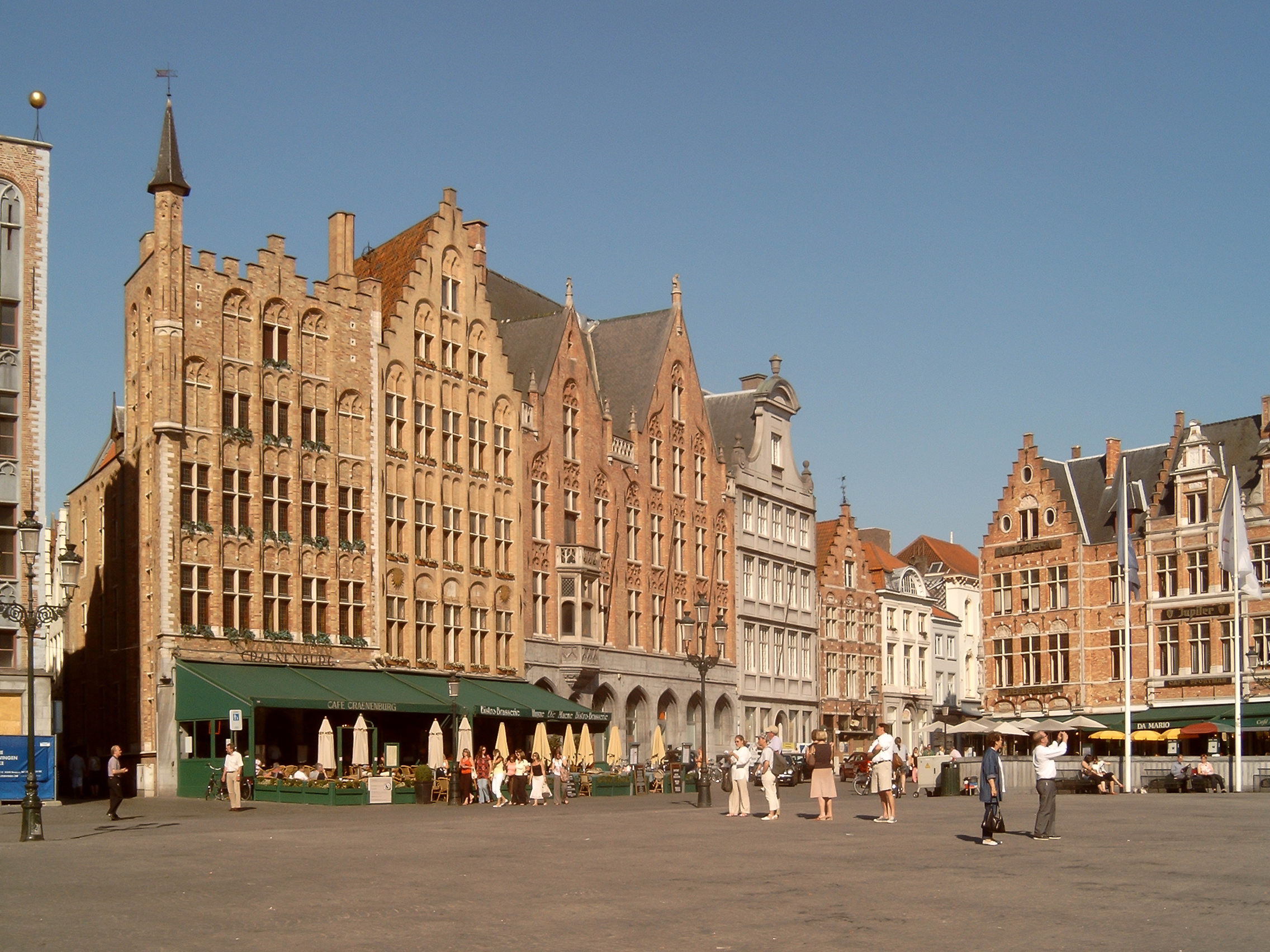
Grote Markt
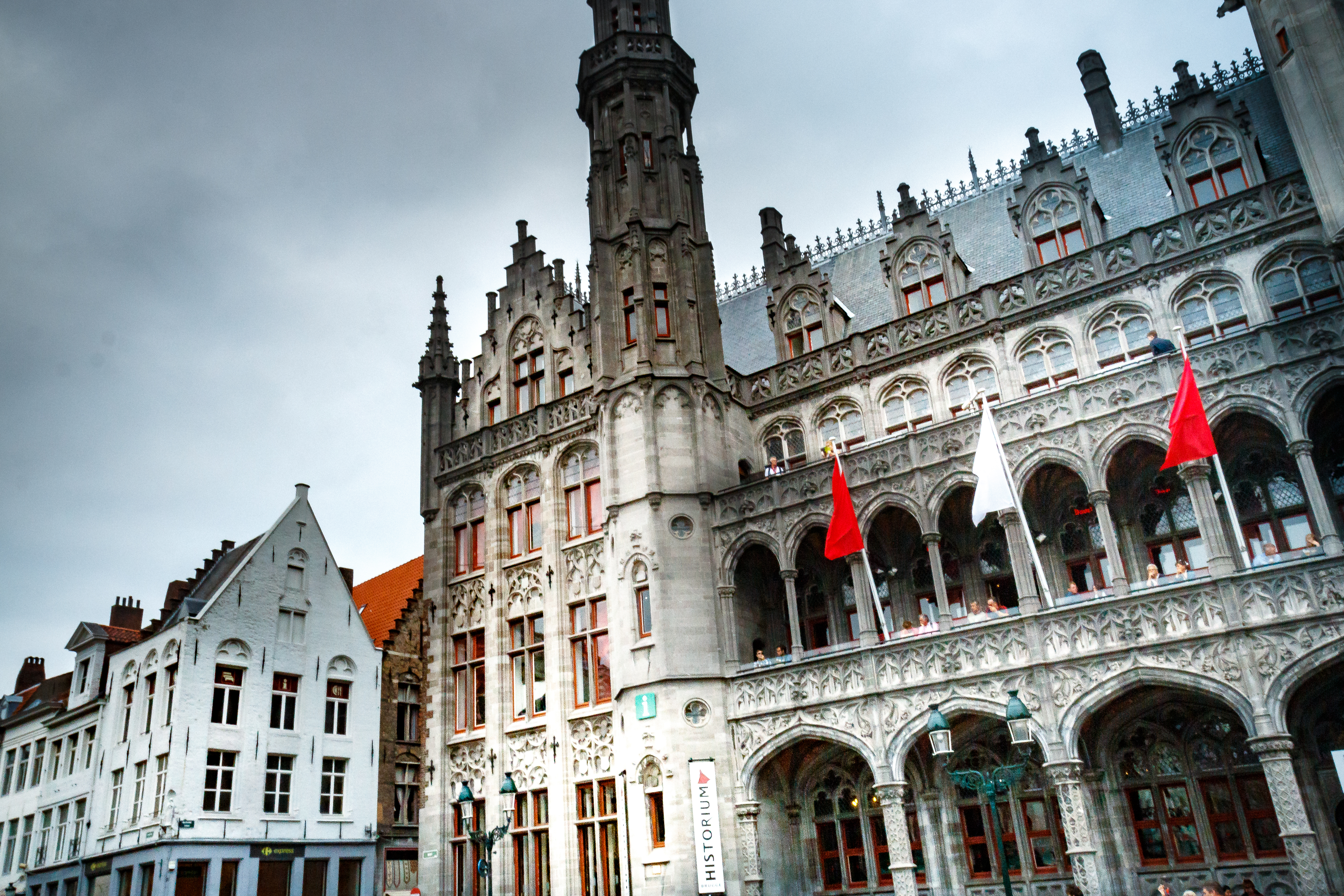
Bruges’ beating heart, where medieval gables meet cinematic vibes. Highlights: the 13th-century Belfry and the neo-Gothic Provincial Court. Cost: Free. Pro Tip: Visit at dusk when the lights turn on for a truly magical, atmospheric scene. Check availability and explore popular experiences.
Belfry of Bruges
Climb 366 steps for epic, panoramic views and a taste of medieval history. Highlights include the 47-bell carillon and drum room. Price: 15-16 EUR. Pro tip: Arrive before 9:30 AM to beat the crowds and long queues. Check availability and explore popular experiences.

Minnewater Park
Bruges’ ultimate chill spot, Minnewater Park is a fairytale oasis of weeping willows and romantic canal views. Highlights include the Lovers Bridge and elegant swans. Price: Free. Pro tip: Visit at sunset for the most atmospheric, crowd-free photos. Check availability and explore popular experiences.

Basilica of the Holy Blood
Step into this moody, dual-level sanctuary where medieval mystery meets golden opulence. Marvel at the Romanesque lower chapel and the sacred blood relic upstairs. Entrance is free; museum is €5. Pro tip: Visit at 2 PM to witness the relic’s daily veneration. Check availability and explore popular experiences.

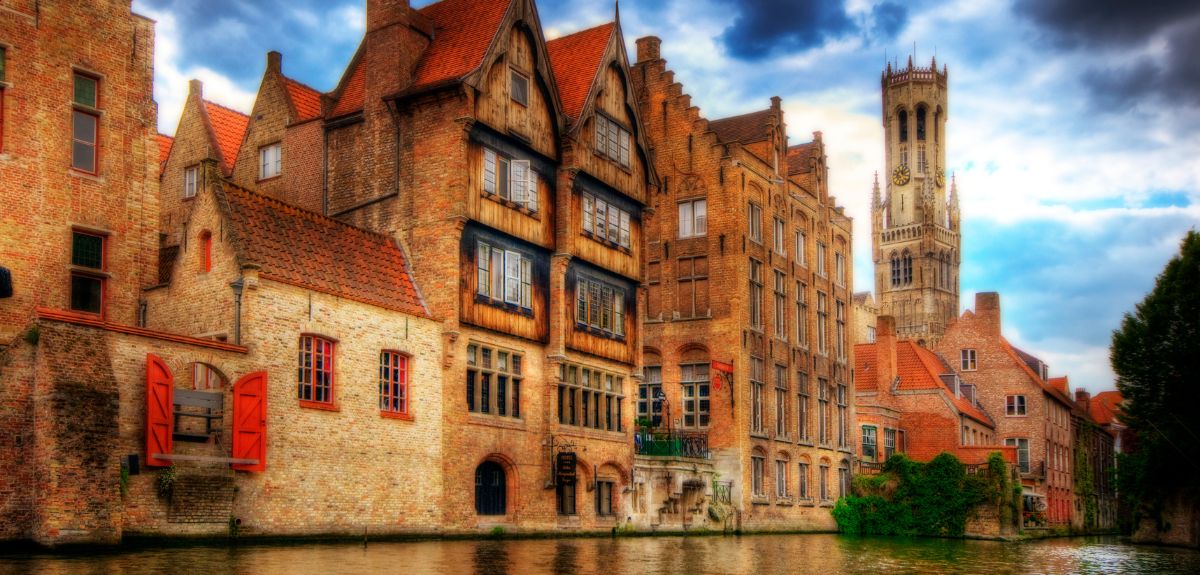
Rozenhoedkaai
Bruges’ most iconic, fairytale corner. Expect medieval gables reflecting in still canals with the Belfry looming behind. Highlights: Photo ops, boat tours, and night lights. Price: Free. Pro tip: Visit at sunrise for empty streets and magical mist. Check availability and explore popular experiences.

Church of Our Lady
Bruges’ soaring Gothic icon feels like a peaceful time capsule. Gaze at Michelangelo’s Madonna and Child and the grand royal tombs. Price: Free for the church, 10 EUR for the museum. Pro tip: Visit early to dodge the crowds. Check availability and explore popular experiences.

Princely Beguinage Ten Wijngaarde
Step into a serene, whitewashed sanctuary where time slows down. Wander the tranquil courtyard and visit the small museum. Price: Free (museum extra). Pro tip: Visit in spring to see the garden blanketed in yellow daffodils. Check availability and explore popular experiences.

Burg Square
Bruges’ soul lives in this majestic square where history feels effortless. Check out the Gothic City Hall and the mystical Basilica of the Holy Blood. Free to wander. Pro tip: Visit at night when the stone facades glow. Check availability and explore popular experiences.

Groeningemuseum
Dive into a world of Flemish Primitives and modern art in this sleek, quiet sanctuary. Highlights include masterpieces by Jan van Eyck and Hans Memling. Tickets are around €15. Pro tip: Visit on a weekday morning for total serenity. Check availability and explore popular experiences.

De Halve Maan Brewery
Step into Bruges’ last authentic family brewery for a historic, hops-filled vibe. Catch the rooftop’s 360° city views and the legendary underground beer pipeline. Tours: €16. Pro tip: Sip an exclusive, unfiltered Brugse Zot straight from the tank. Check availability and explore popular experiences.



What is Bruges Mainly Known For?
Bruges is famous for its intricate lace and world-class chocolate, reflecting centuries of artisanal tradition. It’s also known for the Belfry Tower, a medieval bell tower offering panoramic views from the Grote Markt. Beyond the sights, it’s known as the Venice of the North due to its enchanting network of scenic, tree-lined canals.
Is Bruges a Walkable City?
100% yes. Bruges is incredibly compact and flat, making it a dream to explore on foot. You can wander the medieval streets and scenic canals away from traffic noise.
Is it safe to walk in Bruges at night? Absolutely. It is statistically one of the safest cities in Europe. I felt completely at ease wandering after dark, though standard common sense always applies.
What Is the Best Neighborhood to Walk Around?
The Historic City Centre is the winner. Centered around the Grote Markt and the winding Reien canals, this area dazzles with colorful Flemish gables and intricate medieval architecture along narrow, cobbled streets. It feels like a living fairytale. For something completely different, walk over to Sint-Gillis, the city’s artsy district known for its quiet galleries, bohemian spirit, and creative cultural spaces.
What Are the Best Things to Do in Bruges? (For Your First Visit)
I visited Bruges without a strict plan. I just wanted to take my time, enjoy the medieval fairy-tale atmosphere, and see where the streets took me. I wrote down a few highlights and hit the ground running. Here are the spots I definitely recommend checking out:
Grote Markt
Bruges’ beating heart, where medieval gables meet cinematic vibes. Highlights: the 13th-century Belfry and the neo-Gothic Provincial Court. Cost: Free. Pro Tip: Visit at dusk when the lights turn on for a truly magical, atmospheric scene. Check availability and explore popular experiences.
Belfry of Bruges
Climb 366 steps for epic, panoramic views and a taste of medieval history. Highlights include the 47-bell carillon and drum room. Price: 15-16 EUR. Pro tip: Arrive before 9:30 AM to beat the crowds and long queues. Check availability and explore popular experiences.
Minnewater Park
Bruges’ ultimate chill spot, Minnewater Park is a fairytale oasis of weeping willows and romantic canal views. Highlights include the Lovers Bridge and elegant swans. Price: Free. Pro tip: Visit at sunset for the most atmospheric, crowd-free photos. Check availability and explore popular experiences.
Basilica of the Holy Blood
Step into this moody, dual-level sanctuary where medieval mystery meets golden opulence. Marvel at the Romanesque lower chapel and the sacred blood relic upstairs. Entrance is free; museum is €5. Pro tip: Visit at 2 PM to witness the relic’s daily veneration. Check availability and explore popular experiences.
Rozenhoedkaai
Bruges’ most iconic, fairytale corner. Expect medieval gables reflecting in still canals with the Belfry looming behind. Highlights: Photo ops, boat tours, and night lights. Price: Free. Pro tip: Visit at sunrise for empty streets and magical mist. Check availability and explore popular experiences.
Church of Our Lady
Bruges’ soaring Gothic icon feels like a peaceful time capsule. Gaze at Michelangelo’s Madonna and Child and the grand royal tombs. Price: Free for the church, 10 EUR for the museum. Pro tip: Visit early to dodge the crowds. Check availability and explore popular experiences.
Princely Beguinage Ten Wijngaarde
Step into a serene, whitewashed sanctuary where time slows down. Wander the tranquil courtyard and visit the small museum. Price: Free (museum extra). Pro tip: Visit in spring to see the garden blanketed in yellow daffodils. Check availability and explore popular experiences.
Burg Square
Bruges’ soul lives in this majestic square where history feels effortless. Check out the Gothic City Hall and the mystical Basilica of the Holy Blood. Free to wander. Pro tip: Visit at night when the stone facades glow. Check availability and explore popular experiences.
Groeningemuseum
Dive into a world of Flemish Primitives and modern art in this sleek, quiet sanctuary. Highlights include masterpieces by Jan van Eyck and Hans Memling. Tickets are around €15. Pro tip: Visit on a weekday morning for total serenity. Check availability and explore popular experiences.
De Halve Maan Brewery
Step into Bruges’ last authentic family brewery for a historic, hops-filled vibe. Catch the rooftop’s 360° city views and the legendary underground beer pipeline. Tours: €16. Pro tip: Sip an exclusive, unfiltered Brugse Zot straight from the tank. Check availability and explore popular experiences.
What Part of Bruges is Best for Tourists?
Stay in the City Centre. Everything will be within a 15-minute walk. If you want something a bit more local but still close, the Sint-Anna Quarter is lovely—it offers a quiet atmosphere with windmills and authentic streets away from the main tourist crowds.
What to Know Before Going to Bruges
- The Tap Water is Gold: Tap water is free, safe, and high-quality; use the many public fountains to refill your bottle.
- English is Ubiquitous: Locals speak excellent English, especially in tourist areas, making communication for English speakers effortless and straightforward.
- The Musea Brugge Card: This pass offers great value if visiting multiple museums and includes a scenic canal cruise.
- Quiet Sundays: Most shops and supermarkets close on Sundays, though souvenir stores and some specialists remain open.
- Tipping is Optional: Service is included, but rounding up or leaving 5-10% is appreciated for good service.
How Many Days Do I Need in Bruges?
2 to 3 days is ideal to experience the medieval charm of Bruges without the rush of day-trippers.
- Day 1: Market Square, Belfry of Bruges, Basilica of the Holy Blood, Rosary Quay, Canal Tour.
- Day 2: Minnewater Park, Choco-Story Museum, Groeningemuseum, De Halve Maan Brewery, Beguinage.
- Day 3: Cycling day trip to the picturesque village of Damme.
Suggested daily budget – 150-220 EUR / 160-235 USD (Note: This covers a 3-star hotel, restaurant dining, and a canal tour. You can go cheaper if you stick to street food like waffles and fries or explore the city by walking).
MONEY SAVING TIPS
- Savor the Savings: Look for a ‘dagmenu’ (daily menu) at local cafes for affordable fixed-price meals, or grab a classic Brussels waffle for €2-3 and a cone of fries for just a few euros from street vendors around the Markt.
- Walk with Legends: Join a pay-what-you-like Free Walking Tour starting at the statue on the main square (Markt) under the red umbrella to see the highlights or the city’s darker side without a hefty upfront cost.
- Master the Move: Skip the taxis and grab a De Lijn 24-hour day pass for €9, which gives you unlimited travel on all local buses if you need a break from walking the compact historic center.
- Picnic with a View: Buy local Belgian beers and treats from a supermarket like Carrefour and head to the peaceful Minnewater Park or the ramparts near the Sint-Janshuismolen windmill for a scenic, budget-friendly alfresco lunch.
What’s the Best Month to Visit Bruges?
May and September are the sweet spots for visiting Bruges. These months offer pleasant weather perfect for exploring medieval streets and enjoying outdoor cafes without the intense peak summer crowds. However, December is a magical alternative, as the city transforms with festive Christmas markets, twinkling lights, and a cozy winter atmosphere.
How to Get to Bruges
Most international travelers fly into Brussels Airport (BRU). Key direct hubs include New York, Washington D.C., and major European cities like London or Madrid.
- From the airport: The most efficient transfer is by direct train, taking approximately 86 to 90 minutes and costing about 21 EUR.
- By Train: Bruges is exceptionally well-connected by frequent Intercity (IC) trains from Brussels, Ghent, and Antwerp, making it easily accessible from across the Belgian rail network.
How to Get Around Bruges
Explore on foot—it is the only way to experience the magic.
- Car Rental: Not recommended. The city center is largely car-free with expensive parking.
- Walking: Perfect and essential. The historic center is compact and best explored by wandering the cobblestone streets.
- Uber/Bolt: Uber is available but limited within the pedestrian zones.
- Tours: Boat tours of the canals and guided walking tours are excellent alternatives for those who prefer not to navigate solo.
Tips for first-timers: Avoid driving into the city center—The narrow, medieval cobblestone streets are a congested, one-way nightmare with limited parking. Park at the spacious, affordable station parking lot and enjoy a scenic 10-minute walk or shuttle ride instead!
Bruges is the kind of place that steals your heart. Its essence lies in the timeless romance of its shimmering canals, the architectural poetry of its medieval spires, and the sweet, lingering scent of artisan chocolate. Wandering its cobblestone paths feels like stepping into a living dream, leaving you with a profound and renewed sense of wonder.
Note: This article contains affiliate links. If you purchase something I’ve recommended, I’ll earn a small commission at no extra cost to you. I really appreciate your support and I hope this guide helps you ♡