

Get Inspired

Itineraries

Travel Guides

About Me

Top
  >  Italy   >  Best Places to Visit in Venice
best places to visit in venice

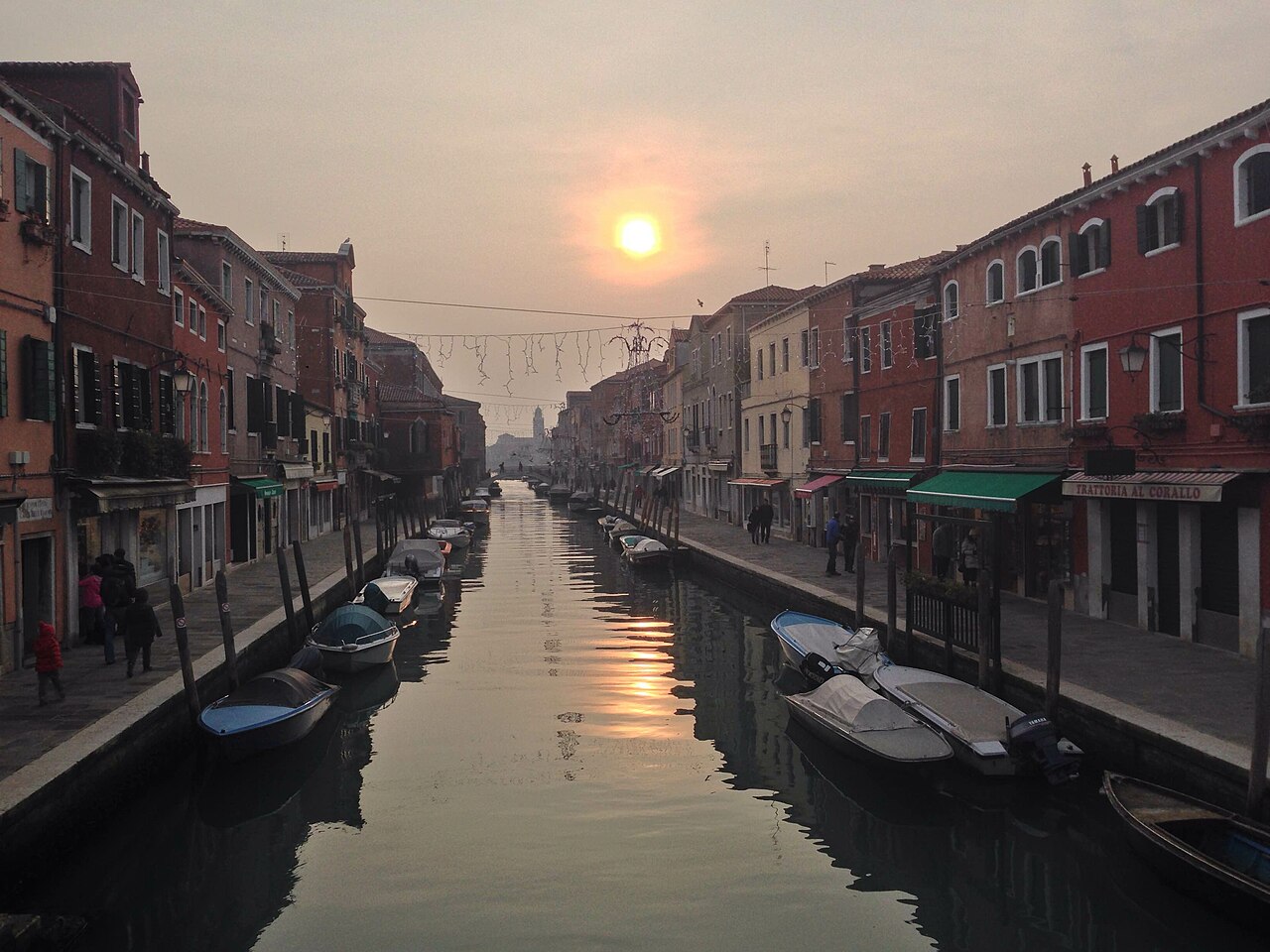
Venice hit me like a dream—a city where streets are made of water and the only traffic is a graceful gondola. It’s absolutely unlike anywhere else on Earth. Every corner turned reveals a hidden *campo* (square), every bridge offers a postcard view, and the whole place feels steeped in centuries of history and art. I’ve spent hours getting deliciously lost in its narrow *calle*, following the scent of fresh seafood and the sound of distant opera. Forget the tourist crowds for a moment; this is a city that rewards the wanderer. Get ready to ditch your map and dive into the magic of the floating city. Below are my must-dos to help you navigate this lagoon masterpiece.

Why Visit Venice?

Beyond the iconic postcards, Venice offers a sensory journey into a world of unparalleled romance, architectural grandeur, and a defiant beauty that has survived the centuries.

  • St. Mark’s Basilica: Step into the “Golden Church” to witness over 4,000 square meters of shimmering Byzantine mosaics that transform the interior into a celestial treasure chest.
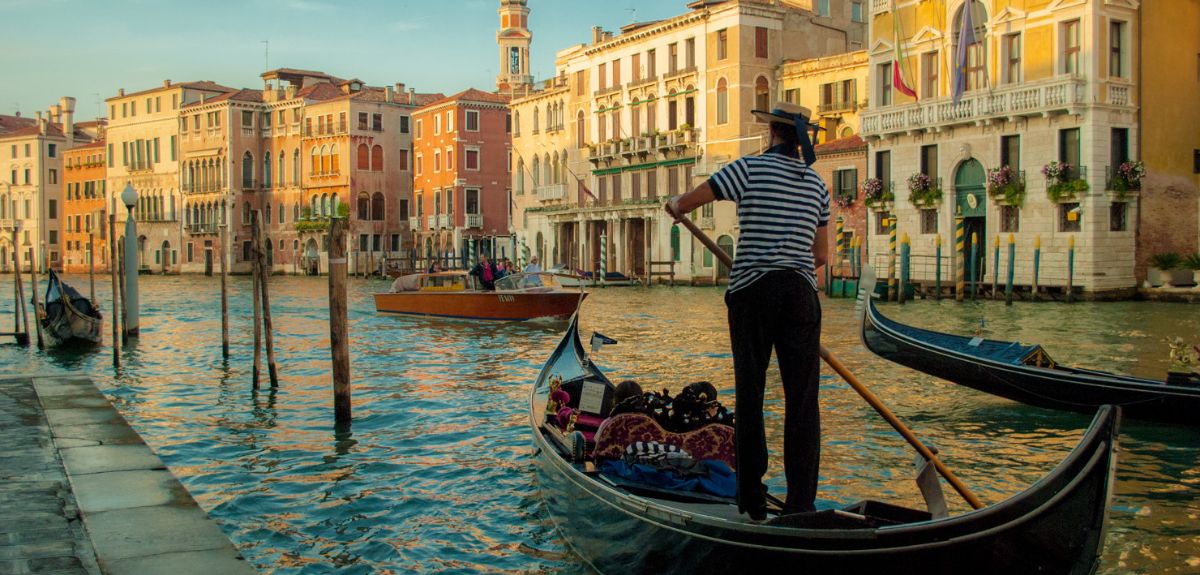
  • The Grand Canal: Glide along Venice’s liquid high street in a traditional gondola, passing an endless parade of majestic palaces that tell the story of a merchant’s paradise.
  • Doge’s Palace: Explore the opulent heart of Venetian power, from the pink-marbled exterior to the moody, legendary Bridge of Sighs.
  • Burano Island: Lose yourself in a kaleidoscope of candy-colored houses and delicate lace-making traditions on this vibrant, artisanal escape in the lagoon.
  • Cicchetti Culture: Indulge like a local by hopping between historic bacari to savor small plates of fresh seafood and local wines in the atmospheric alleys of Cannaregio.

Whether you are getting lost in its narrow stone calli or watching the moon rise over the lagoon, Venice is a city that doesn’t just invite you to visit—it invites you to fall in love with the impossible.

VENICE KEY INFO

Everything you need to hit the ground running.

WHEN TO VISIT

April to June for mild weather and sightseeing; September to October for pleasant temperatures and fewer crowds.

HOW TO GET THERE

Fly into Venice Marco Polo Airport (VCE). It’s a boat or bus to the city center (~20-30 min).

HOW TO GET AROUND

Walk! The historic center is pedestrian-only and best explored on foot. For longer distances or island hopping, use the Vaporetto water bus and buy tickets via the Venezia Unica app.

IDEAL TRIP LENGTH

2-3 days for the city itself, but 4 days if you want to explore the islands of Murano and Burano.

What is Venice Mainly Known For?

Venice is famous for its intricate network of canals and iconic gondolas that navigate this “sinking” stone city. It’s also known for St Mark’s Basilica, a glittering masterpiece of Byzantine mosaics. Beyond the sights, it’s known as the Queen of the Adriatic, a floating labyrinth defined by its romantic atmosphere and Renaissance soul.

Is Venice a Walkable City?

100% yes. Venice is the gold standard of walkability because it is entirely car-free. Navigating its compact maze of bridges and alleys on foot is the only way to truly soak in the magic without the hum of traffic.

Is it safe to walk in Venice at night? Absolutely. It is exceptionally safe with very low crime rates. I felt completely at ease wandering late, though common sense regarding pickpockets is wise.

What Is the Best Neighborhood to Walk Around?

The historic center around San Marco is the winner. Situated along the sweeping Grand Canal beneath the shadow of the Campanile, it offers a cinematic vibe of gold-leafed basilicas, white Istrian stone, and grand gothic palaces. For something completely different, walk over to Dorsoduro, a bohemian enclave south of the canal famous for its artsy galleries, student-filled squares, and chic, creative energy.

What Are the Best Things to Do in Venice? (For Your First Visit)

I visited Venice without a strict day-by-day plan. I wanted to take my time, enjoy the romantic atmosphere and labyrinthine charm, and see where the streets took me. I wrote down a few highlights and hit the ground running. Here are the spots I definitely recommend checking out:

St Mark’s Basilica

Venetian gold meets Byzantine soul in this glittering masterpiece. Marvel at 4,000sqm of mosaics and the jewel-encrusted Pala d’Oro. Entry: €10. Pro tip: Visit between 11:30 AM–12:30 PM when the lights turn on, making the gold glow. Check availability and explore popular experiences.

St Mark
Credit: Wikimedia Commons / Zairon

Doge’s Palace

Venice’s gothic seat of power feels like a cinematic dream. Explore the opulent Golden Staircase and cross the moody Bridge of Sighs. Entry: ~€30. Pro tip: Book “Secret Itineraries” to see Casanova’s hidden prison cell and avoid crowds. Check availability and explore popular experiences.

Doge
Credit: Wikimedia Commons

St Mark’s Square

Venice’s grand open-air ballroom is pure magic. Watch pigeons swirl between the Campanile and clock tower. Price: Free. Pro tip: Visit at sunrise or midnight to have the entire square to yourself and avoid the tourist crush. Check availability and explore popular experiences.

St Mark's Square Venice

Credit: Wikimedia Commons

Grand Canal

Venice’s liquid main street is a cinematic masterpiece of gothic palazzos and shimmering water. Highlights: Rialto Bridge and the Ca’ d’Oro. Price: Free (walking) or €9.50 (Vaporetto). Pro tip: Ride Line 1 at sunset for the ultimate golden hour. Check availability and explore popular experiences.

Grand Canal
Credit: Wikimedia Commons

Rialto Bridge

Venice’s liquid main street centerpiece is a Renaissance masterpiece of white stone and bustling shops. Highlight: Grand Canal views. Price: Free. Pro tip: Visit at sunrise to dodge the crowds and catch the golden light. Check availability and explore popular experiences.

Rialto Bridge Venice

Credit: Wikimedia Commons

Bridge of Sighs

Venice’s limestone legend connects the palace to the prison with a moody, Baroque soul. Highlights: Latticed windows and canal views. Price: ~€30 (Doge’s Palace). Pro tip: Visit at sunset for a romantic gondola kiss beneath the arch. Check availability and explore popular experiences.

Bridge of Sighs
Credit: Wikimedia Commons

Burano

A neon-bright fisherman’s dream. Wander through a kaleidoscope of candy-colored houses and watch local lace-makers at work. Price: Free. Pro tip: Head to Tre Ponti for the ultimate panoramic shot of the colorful canals. Check availability and explore popular experiences.

Burano
Credit: Wikimedia Commons / kallerna

Murano

Venice’s glassmaking island offers a smoky, artisanal vibe. Watch master blowers craft molten art or explore the Glass Museum. Highlights: live furnace demos and mosaic-filled churches. Price: Free (museum extra). Pro Tip: Visit a workshop for a free demo! Check availability and explore popular experiences.

Murano Venice

Credit: Wikimedia Commons

Libreria Acqua Alta

Venice’s quirky, floating bookstore is a bibliophile’s dream. Explore books stacked in gondolas and bathtubs to survive floods. Highlight: the staircase made of old books. Price: Free. Pro tip: Head to the back for epic canal-side photos. Check availability and explore popular experiences.

Libreria Acqua Alta
Credit: Wikimedia Commons

Teatro La Fenice

Venice’s legendary opera house is pure gold-leafed drama. Rising from the ashes, it’s a gilded masterpiece of plush red and ornate ceilings. Price: ~€12. Pro tip: Check for last-minute opera tickets for an unforgettable, high-culture evening. Check availability and explore popular experiences.

Teatro La Fenice

Credit: Wikimedia Commons

What Part of Venice is Best for Tourists?

Stay in the San Marco district. Everything will be within a 15-minute walk. If you want something a bit more local but still close, the Dorsoduro neighborhood is lovely—it offers a vibrant, artsy vibe with indie galleries and a relaxing atmosphere away from the main crowds.

What to Know Before Going to Venice

  • The Tap Water is Gold: Venice’s tap water is 100% safe, high-quality, and free to drink from taps and public fountains.
  • English is Common: English is widely spoken in tourist areas, hotels, and restaurants, making communication very easy for international visitors.
  • The Venezia Unica Pass: This all-in-one pass is worth it for skip-the-line museum entry and unlimited public vaporetto transport.
  • Sunday Openings: Major attractions and tourist shops stay open, though smaller local boutiques and supermarkets may have reduced hours.
  • Tipping is Appreciated: Tipping isn’t mandatory due to the coperto charge, but rounding up or leaving 5-10% is appreciated.

How Many Days Do I Need in Venice?

3 days is perfect for first-timers to experience the city’s timeless romance and architectural wonders.

  • Day 1: St Mark’s Basilica, Doge’s Palace, St Mark’s Square, Grand Canal, Rialto Bridge.
  • Day 2: Libreria Acqua Alta, Teatro La Fenice, Bridge of Sighs, Accademia Gallery.
  • Day 3: Take a scenic boat trip to the islands of Murano and Burano.

Suggested daily budget – 145-180 EUR / 157-195 USD (Note: This covers a 3-star hotel, mid-range restaurant meals, and a mix of vaporetto rides and paid attractions. You can go cheaper if you eat cicchetti and explore the city on foot.)

MONEY SAVING TIPS

  1. Snack on Cicchetti: Skip the formal restaurants for lunch and head to local bacari (wine bars) for cicchetti, Venetian tapas-style snacks starting at just €1.50–€3.00 each; pair them with an Ombra (small glass of house wine) for around €1.50.
  2. Join the Free Walk: Meet at the Campo San Geremia near the train station for a Venice Free Walking Tour to explore the hidden alleys of Cannaregio and learn the city’s history for just the cost of a tip.
  3. Grab a Venezia Unica City Pass: Avoid the steep €9.50 single vaporetto fares by purchasing a 24, 48, or 72-hour ACTV Transport Card, which offers unlimited rides on water buses and land buses starting at €25.
  4. Picnic with a View: Buy a cold Moretti beer and some local snacks from a Coop or Conad supermarket and head to the Fondamenta delle Zattere or the Giardini della Biennale for a sunset drink by the water without the “tavolo” service fees.

What’s the Best Month to Visit Venice?

May and September are the sweet spots for visiting Venice. These months provide pleasant temperatures perfect for Gondola rides and exploring narrow alleys while avoiding the intense summer heat and peak tourist crowds. However, February is a wonderful alternative, offering a mystical atmosphere as the city transforms into a grand stage for the iconic Venice Carnival.

How to Get to Venice

Most international travelers fly into Venice Marco Polo Airport (VCE). Key direct connection hubs include New York, London, Paris, Dubai, and Frankfurt.

  • From the airport: The Alilaguna water bus takes about 60–90 minutes to San Marco (€15). Alternatively, the ATVO or ACTV land buses reach Piazzale Roma in 20 minutes (€10).
  • By Train: Venice Santa Lucia is the main station, offering direct high-speed connections to Rome, Florence, Milan, and international hubs like Munich or Vienna.

How to Get Around Venice

Explore on foot and via Vaporetto—Venice is a car-free floating masterpiece.

  • Car Rental: Absolutely not recommended; cars are banned in the historic center. Use DiscoverCars only for exploring the mainland.
  • Walking: Ideal and necessary. The compact, labyrinthine streets and bridges are best discovered by getting lost on foot.
  • Uber/Bolt: Not available. Traditional water taxis exist but are very expensive.
  • Tours: Excellent for visiting islands like Murano and Burano or navigating the complex canal history with a local guide.

Tips for first-timers: Avoid dragging heavy luggage across bridges—The endless stairs and narrow cobblestones are a physical nightmare. Book a hotel near a water bus stop or use a licensed porter service instead!

Venice is the kind of place that steals your heart. Its essence lies in the ethereal dance of sunlight on emerald canals and the timeless whispers of Gothic palazzos, creating a landscape of haunting beauty and deep, historic soul. Ultimately, wandering through this floating masterpiece leaves you with a renewed sense of wonder and connection to the past.

Note: This article contains affiliate links. If you purchase something I’ve recommended, I’ll earn a small commission at no extra cost to you. I really appreciate your support and I hope this guide helps you ♡

post a comment