

Get Inspired

Itineraries

Travel Guides

About Me

Top
  >  Italy   >  Best Places to Visit in Milan
best places to visit in milan

Milan is pure Italian flair mixed with a hyper-modern, international energy. It’s where business suits meet high fashion, and ancient history sits right next to cutting-edge design. It’s often overshadowed by Rome or Venice, but trust me, this city has a chic, confident buzz all its own. I love that you can spend the morning staring up at the intricate Duomo, the afternoon shopping in the Galleria Vittorio Emanuele II, and the evening sipping an elegant Aperitivo in the Navigli canal district. Milan is all about style, substance, and a subtle but powerful history. If you’re ready for a sophisticated urban adventure, keep reading for the best of Italy’s dynamic second city.

Why Visit Milan?

Beyond its reputation as a global design hub, Milan offers a sensory journey through imperial grandeur and cutting-edge creativity. Here are five reasons why this city is the ultimate destination for the discerning traveler:

  • Duomo di Milano: Ascend to the rooftop of this marble masterpiece to walk among a forest of 135 Gothic spires while the city unfolds beneath you in a breathtaking panorama.
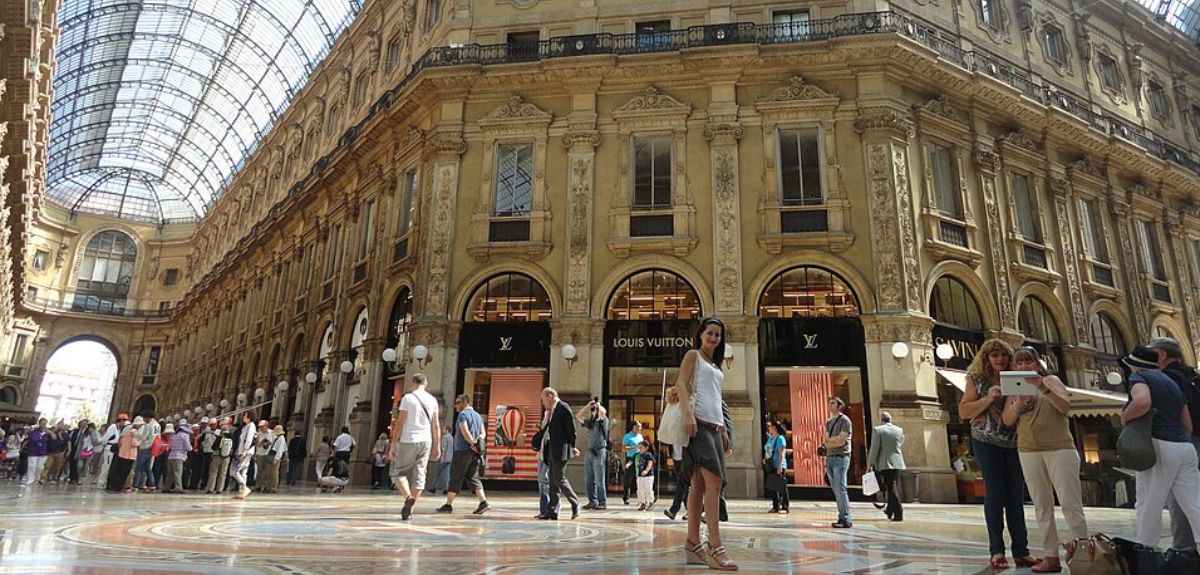
  • Galleria Vittorio Emanuele II: Step into Italy’s oldest active shopping mall, a neo-Renaissance “living room” topped with a soaring glass dome and lined with the world’s most prestigious luxury houses.
  • Teatro alla Scala: Immerse yourself in the red-and-gold opulence of one of the world’s most legendary opera houses, where every performance is a masterclass in musical brilliance.
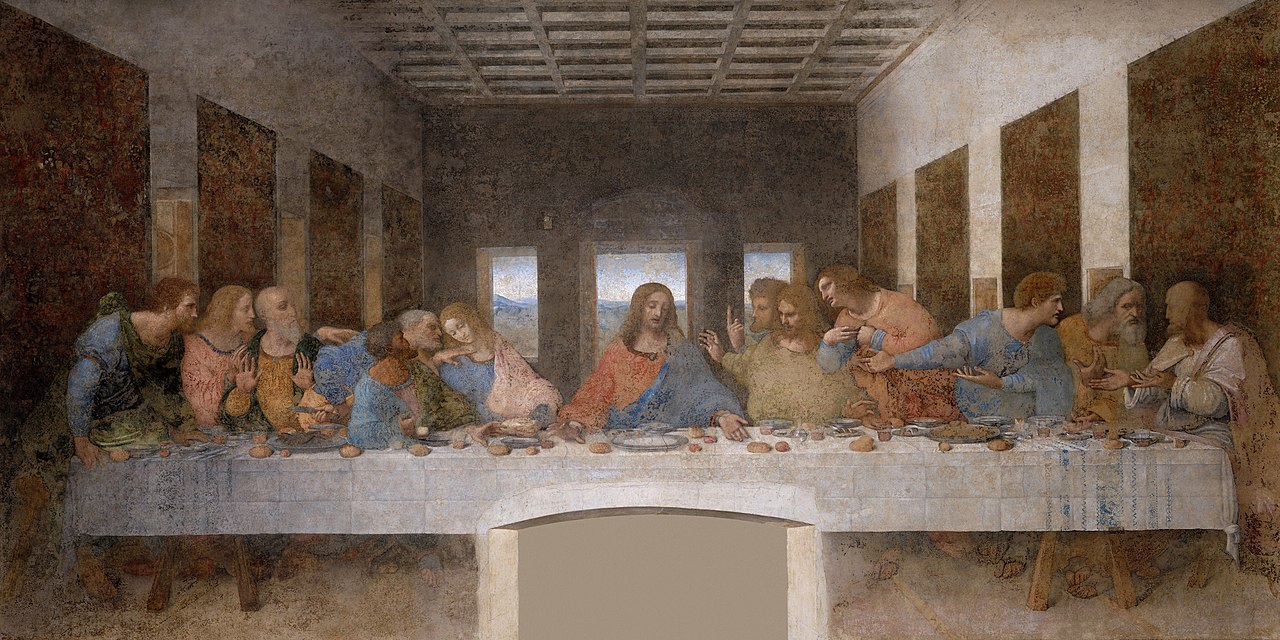
  • The Last Supper: Secure a rare glimpse of Leonardo da Vinci’s genius at Santa Maria delle Grazie, a spiritual encounter with one of history’s most profound artistic treasures.
  • Navigli District: Experience the bohemian soul of the city along ancient canals, where the vibrant nightlife and artistic energy capture the true essence of the Milanese spirit.

Whether you are wandering the cobblestone alleys of Brera or hunting for the next big trend in the Quadrilatero della Moda, Milan promises a chic and soul-stirring escape that stays with you long after the final curtain call.

MILAN KEY INFO

Everything you need to hit the ground running.

WHEN TO VISIT

April to June for mild weather and design events; September to October for fashion weeks and pleasant temperatures.

HOW TO GET THERE

Fly into Milan Malpensa Airport (MXP). It’s the Malpensa Express train to the city center (~35-50 min).

HOW TO GET AROUND

Walk! Milan’s historic center is incredibly compact and best explored on foot. For longer trips, use the efficient ATM Milano app to navigate the extensive metro and tram network.

IDEAL TRIP LENGTH

2-3 days for the city itself, but 4-5 days if you want to include day trips to Lake Como or Bergamo.

What is Milan Mainly Known For?

Milan is famous for the Madonnina, the golden statue atop the cathedral that traditionally marked the city’s highest point. It’s also known for the Duomo di Milano, a massive Gothic masterpiece with 135 spires and 3,400 statues. Beyond the sights, it’s known as the world’s fashion capital, defined by its sophisticated luxury and sleek Italian style.

Is Milan a Walkable City?

100% yes. Milan is incredibly compact and flat, with extensive pedestrian-only zones like Brera that make exploring on foot a joy. I loved soaking in the elegant atmosphere without the constant hum of traffic.

Is it safe to walk in Milan at night? Absolutely. It is generally very safe for travelers. I felt completely at ease wandering after dark, though standard common sense remains wise.

What Is the Best Neighborhood to Walk Around?

Brera is the winner. Situated north of the Duomo’s gothic spires, it offers a romantic maze of narrow cobblestone streets, sun-faded ochre buildings, and elegant balconies. For something completely different, walk over to the Navigli District, a bohemian canal-side enclave pulsing with vibrant street art, historic iron bridges, and a spirited, industrial edge.

What Are the Best Things to Do in Milan? (For Your First Visit)

I visited Milan without a strict day-by-day plan. I wanted to take my time, enjoy the city’s high-fashion elegance and artistic energy, and see where the streets took me. I wrote down a few highlights and hit the ground running. Here are the spots I definitely recommend checking out:

Duomo di Milano

Milan’s gothic soul is a marble forest of 3,400 statues and 135 spires. Highlights: the golden Madonnina and panoramic rooftop terraces. Price: ~€10–€25. Pro tip: Book a sunset rooftop slot for a golden glow over the city. Check availability and explore popular experiences.

Duomo di Milano
Credit: Wikimedia Commons / Jiuguang Wang

Galleria Vittorio Emanuele II

Milan’s “living room” is a neo-Renaissance masterpiece with a soaring glass dome and luxury boutiques. Highlights: the central Octagon and floor mosaics. Price: Free. Pro tip: Spin on the bull’s testicles for good luck. Check availability and explore popular experiences.

Galleria Vittorio Emanuele II
Credit: Wikimedia Commons

Teatro alla Scala

Milan’s legendary opera house is pure red-and-gold magic. Highlights: the massive crystal chandelier and museum treasures. Price: ~€10–€30 (museum) or €200+ (opera). Pro tip: Score cheap “loggione” gallery tickets for the most passionate vibe. Check availability and explore popular experiences.

Teatro alla Scala Milan

Credit: Wikimedia Commons

Castello Sforzesco

Step into this red-brick Renaissance fortress for pure medieval vibes. Highlights: Da Vinci’s ceiling frescoes and Michelangelo’s final sculpture. Price: Free (grounds) or ~€5 (museums). Pro tip: Visit the back gate for direct access to Parco Sempione. Check availability and explore popular experiences.

Castello Sforzesco
Credit: Wikimedia Commons / Jakub Hałun

Pinacoteca di Brera

Dive into Milan’s artistic heart at this world-class gallery. Vibe: pure Renaissance elegance. Highlights: Raphael’s Marriage of the Virgin and Hayez’s The Kiss. Price: ~€15. Pro tip: Visit the free courtyard for stunning neoclassical architecture and photos. Check availability and explore popular experiences.

Pinacoteca di Brera

Credit: Wikimedia Commons

Santa Maria delle Grazie

A Renaissance jewel where Gothic meets Da Vinci’s genius. Highlights: Leonardo’s “Last Supper” and the charming Frog Cloister. Price: Free (church); ~€15 (mural). Pro tip: Book Last Supper tickets months ahead; they sell out instantly. Check availability and explore popular experiences.

Santa Maria delle Grazie
Credit: Wikimedia Commons / Marcin Białek

Navigli District

Milan’s bohemian canal district pulses with artistic energy and nightlife. Explore the Vicolo dei Lavandai and the Darsena harbor. Price: Free (strolling). Pro tip: Visit on the last Sunday of the month for the massive antiques market. Check availability and explore popular experiences.

Navigli District
Credit: Wikimedia Commons

Parco Sempione

Milan’s lush backyard is a chill urban escape. Wander past the Arco della Pace or lounge by the pond. Price: Free. Pro tip: Grab a gelato and head to the lawns behind the castle for the ultimate local vibe. Check availability and explore popular experiences.

Parco Sempione
Credit: Wikimedia Commons / Alessandro Perazzoli

Quadrilatero della Moda

Milan’s high-fashion heart pulses with luxury and sleek Italian style. Highlights: the iconic Via Montenapoleone and stunning window displays. Price: Free (strolling). Pro tip: Visit during the January or July sales for elite designer finds at lower prices. Check availability and explore popular experiences.

Via Montenapoleone Milano

Credit: Wikimedia Commons

Cimitero Monumentale

Milan’s open-air museum is an atmospheric maze of stunning sculptures and grand tombs. Highlights: the Famedio and Campari family’s Last Supper. Price: Free. Pro tip: Visit at dusk for a beautifully eerie, cinematic experience. Check availability and explore popular experiences.

Cimitero Monumentale
Credit: Wikimedia Commons / Paolobon140

What Part of Milan is Best for Tourists?

Stay in the Centro Storico. Everything will be within a 15-minute walk. If you want something a bit more local but still close, the Brera neighborhood is lovely—it features artistic boutiques and charming cobblestone lanes perfect for an evening aperitivo.

What to Know Before Going to Milan

  • The Tap Water is Gold: Milan’s tap water is high-quality, safe, and free from public fountains known as vedovelle.
  • English is Common: Most locals in central areas speak English, making communication easy for travelers in shops and restaurants.
  • The Milan Pass: This all-inclusive card offers great value for active sightseers visiting multiple museums and using public transport.
  • Open Seven Days: Major shops and supermarkets in the city center typically stay open on Sundays with standard hours.
  • Tipping is Optional: Service is often included; rounding up the bill or leaving small change is appreciated but not expected.

How Many Days Do I Need in Milan?

3 days is perfect for first-timers to experience the city’s blend of Gothic grandeur, Renaissance art, and high-fashion pulse.

  • Day 1: Duomo di Milano, Galleria Vittorio Emanuele II, Teatro alla Scala, Castello Sforzesco, Quadrilatero della Moda.
  • Day 2: Pinacoteca di Brera, Santa Maria delle Grazie, Navigli District, Parco Sempione, Cimitero Monumentale.
  • Day 3: Take a scenic day trip to Lake Como to explore the stunning lakeside villas and alpine views.

Suggested daily budget – 150-200 EUR / 160-215 USD (Note: This covers a 3-star hotel, traditional trattoria meals, and a mix of metro travel and major attraction entries. You can go cheaper if you stick to street food like panzerotti and explore the city on foot.)

MONEY SAVING TIPS

  1. Master the Pranzo di Lavoro: Look for restaurants offering a “Menu Fisso” or “Pranzo di Lavoro” (work lunch) starting around €12–€15 for two courses and wine, or grab a legendary “Panzerotto” from Luini near the Duomo for about €3.50.
  2. Culture for Free: Join a Free Walking Tour meeting at the 9/11 Memorial (Piazza dei Mercanti) or plan your visit for the first Sunday of the month (“Domenica al Museo”) for free entry to state museums like Pinacoteca di Brera.
  3. Pedal with BikeMi: Use the “BikeMi” bike-share system for just €4.50 for a daily pass, or grab a 3-day ATM transport pass for €15.50 to get unlimited rides on the metro, trams, and buses.
  4. Sunset at the Navigli: Skip the pricey aperitivo bars and grab a Peroni from a local “alimentari” to enjoy a sunset picnic along the banks of the Naviglio Grande or on the lawn at Parco Sempione behind the castle.

What’s the Best Month to Visit Milan?

May and September are the sweet spots for visiting Milan. These months offer pleasant temperatures perfect for exploring fashion districts and outdoor cafes while avoiding the intense summer heat and peak tourist crowds. However, December is a wonderful alternative, offering a festive atmosphere with elegant Christmas markets and sparkling lights throughout the city.

How to Get to Milan

Most international travelers fly into Milan Malpensa Airport (MXP). Major direct connection hubs include New York, London, Paris, and Dubai, with extensive service from major US and European cities.

  • From the airport: The Malpensa Express train takes about 35–50 minutes to the city center and costs €13. Taxis have a fixed rate of approximately €95–€104.
  • By Train: Milano Centrale is a major European hub with high-speed connections to Rome, Venice, Paris, and Zurich via Trenitalia and Italo services.

How to Get Around Milan

Stick to the Metro and walking—it is the fastest way to navigate Milan.

  • Car Rental: Not recommended for city exploration due to ZTL restricted zones and heavy traffic; use DiscoverCars only for trips to the Italian Lakes.
  • Walking: Ideal for the historic center, where major sites like the Duomo and Brera are clustered.
  • Uber/Bolt: Uber is available (Black only) but expensive; use the Free Now app for taxis.
  • Tours: Excellent for visiting the Last Supper or exploring the Navigli canals.

Tips for first-timers: Avoid driving in the city center—Traffic is restricted (ZTL zones), parking is expensive, and fines are steep. Use the efficient Metro system or explore the compact historic neighborhoods on foot instead!

Milan is the kind of place that steals your heart. It is a sophisticated mosaic where timeless Renaissance elegance meets a high-octane, modern pulse. From its marble-clad spires to the bohemian hum of its canals, the city breathes an air of effortless style and artistic depth. Ultimately, walking through Milan leaves you with a renewed sense of wonder.

Note: This article contains affiliate links. If you purchase something I’ve recommended, I’ll earn a small commission at no extra cost to you. I really appreciate your support and I hope this guide helps you ♡

post a comment