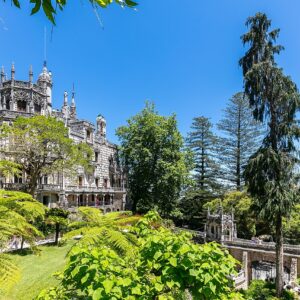






Description
Dating back to 1620, Shukkeien is a magnificent 400-year-old traditional strolling garden that has survived both devastating fires and the atomic bomb. Stepping into this historic oasis in the heart of Hiroshima hits different, offering a deeply serene escape through beautifully miniaturized landscapes, scenic bridges, and traditional teahouses.
Why is this experience so famous?
Shukkeien is consistently featured in travel guides as a premier cultural attraction in Hiroshima, celebrated as a national scenic spot with over 400 years of history. People rave about its masterfully crafted “shrunken scenery,” which beautifully mimics mountains, valleys, and forests in miniature around a central pond. It is famous for its perfect blend of historic teahouses and the iconic Koko-kyo stone arch bridge—a remarkable structure that stood as a symbol of resilience through the 1945 atomic blast. This is an absolute must-do because it is not just a garden tour; it is a profound historical experience and a peaceful escape that connects you to traditional Edo-period aesthetics and the enduring spirit of Japan.
Is it worth visiting?
Definitely, especially if you love traditional landscape architecture and historical Japanese culture. You will be enchanted by the beautifully miniaturized landscapes, historic teahouses, and the striking Kokokyo stone arch bridge that spans across the central pond. The atmosphere functions as a serene oasis, providing a peaceful escape from the city’s bustle that offers great value. This iconic cultural oasis is highly rated and consistently praised in positive reviews. Skip the hassle of waiting in line, book online today to reserve now & pay later, and benefit from free cancellation.
What’s the best time to visit?
For the most vibrant displays and mild weather, aim for Spring (late March to April) for cherry blossoms or Autumn (November) for foliage. These high seasons offer stunning views but bring peak crowds. To experience a quieter atmosphere, visit on a weekday morning between 9:00 and 11:00 AM, when most tour groups bypass the garden for the Peace Park.
How much time should I allow for this experience?
Allow a total of 30 to 60 minutes for a basic visit focused on walking the main paths and viewing the compressed scenery. If you plan for a more thorough experience, including photographing the seasonal flowers, visiting the teahouses, and taking an unhurried look at the historic bridges, budget for a complete 1 to 2 hours. Always allow an extra 15 to 20 minutes of buffer time for purchasing entry tickets at the gate and navigating public transport, especially if arriving by tram or bus from Hiroshima Station. This peaceful stroll garden fits naturally at either the beginning or end of your sightseeing day, serving as an excellent, quiet counterweight to a morning visit at the nearby Hiroshima Peace Memorial Park and Museum.
Is it better to go in the morning or afternoon?
This is a fantastic question, and the timing of your visit will greatly shape your experience at this historic stroll garden.
The Morning Advantage: Planning a morning visit means experiencing the garden at its most serene and fresh. You benefit from cooler, comfortable temperatures, beautifully soft natural light that is absolutely ideal for photography, and crucially, far fewer crowds. Since the garden’s scenic paths are intimate and narrow, arriving early allows you to contemplate the miniaturized landscapes in absolute peace.
The Afternoon Advantage: An afternoon visit offers a completely different, relaxed rhythm. The late-day sun casts long, dramatic shadows across the koi ponds and bridges, providing a warm, golden glow that enhances the historic tea houses. It is a wonderful way to wind down and slow your pace after a busy day of sightseeing.
My Recommendation: For a traditional nature and cultural attraction of this caliber, my recommendation is unequivocally the morning. Traditional Japanese gardens are designed to be spaces of quiet reflection, and experiencing Shukkeien before the daytime crowds arrive preserves that essential sense of tranquility.
Insider Tip: To maximize your experience, aim to arrive right at opening at 9:00 AM. Being among the first through the gates gives you about an hour of near-total solitude to photograph the iconic Kokokyo Bridge and miniaturized valleys without other visitors in your frame.
This peaceful morning stroll serves as the perfect springboard for the rest of your day, leaving you feeling energized and deeply relaxed as you head out for an early lunch of Hiroshima-style okonomiyaki or continue onward to explore the nearby Hiroshima Castle grounds.
In summary, this is a must-do, serene cultural experience that allows you to explore a magnificent 400-year-old traditional Japanese stroll garden. Plan to allow 1 to 2 hours for your visit, and the best seasons to admire the vibrant scenery are Spring or Fall. Booking online offers great flexibility with reserve now and pay later options along with free cancellation benefits. Secure your tickets now.
Copyright & Affiliate Notice: Image Credit: Wikimedia Commons – Image licensed under Creative Commons via Wikimedia Commons. This site contains affiliate links. We may earn a commission if you buy through our links – at no extra cost to you.