If you’re dreaming of a trip to Japan, you’re in for something special. I’ve spent a ton of time wandering this incredible country—dodging the neon chaos of Tokyo’s crossings, slowing down in Kyoto’s temple gardens, stuffing my face with street food in Osaka, standing quiet at Hiroshima’s memorials, and freezing (happily) at Sapporo’s snow sculptures. Japan hits you with contrasts that somehow make perfect sense: ultra-modern trains that run to the second, ancient shrines that feel timeless, and a food scene that ranges from $5 ramen that changes your life to multi-course kaiseki that feels like art. Whether you’re chasing cherry blossoms, city energy, history, or just that perfect bowl of noodles, Japan’s cities deliver. Let me walk you through my top picks for the best cities to visit, with practical tips and a bit of my own wandering so you can plan smart and travel better.
Japan is a country that keeps surprising you. One minute you’re in a quiet bamboo grove, the next you’re under a giant glowing crab in a neon canyon. I’ve narrowed it down to five must-visit cities that give you a real taste of the country’s range: Tokyo, Kyoto, Osaka, Hiroshima, and Sapporo. Each has its own rhythm, and I’ll point you toward the detailed guides so you can dig deeper. I’ve also packed in the practical stuff—costs, money-saving moves, and what everyday life on the ground actually feels like—so you can map your adventure without the guesswork.
Top Cities to Visit in Japan
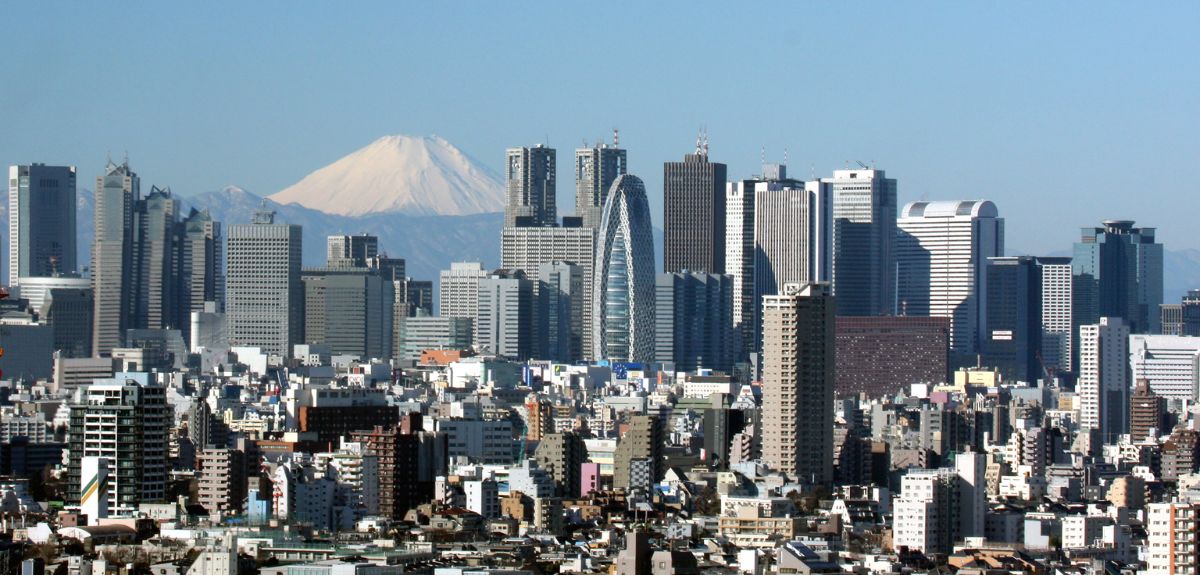
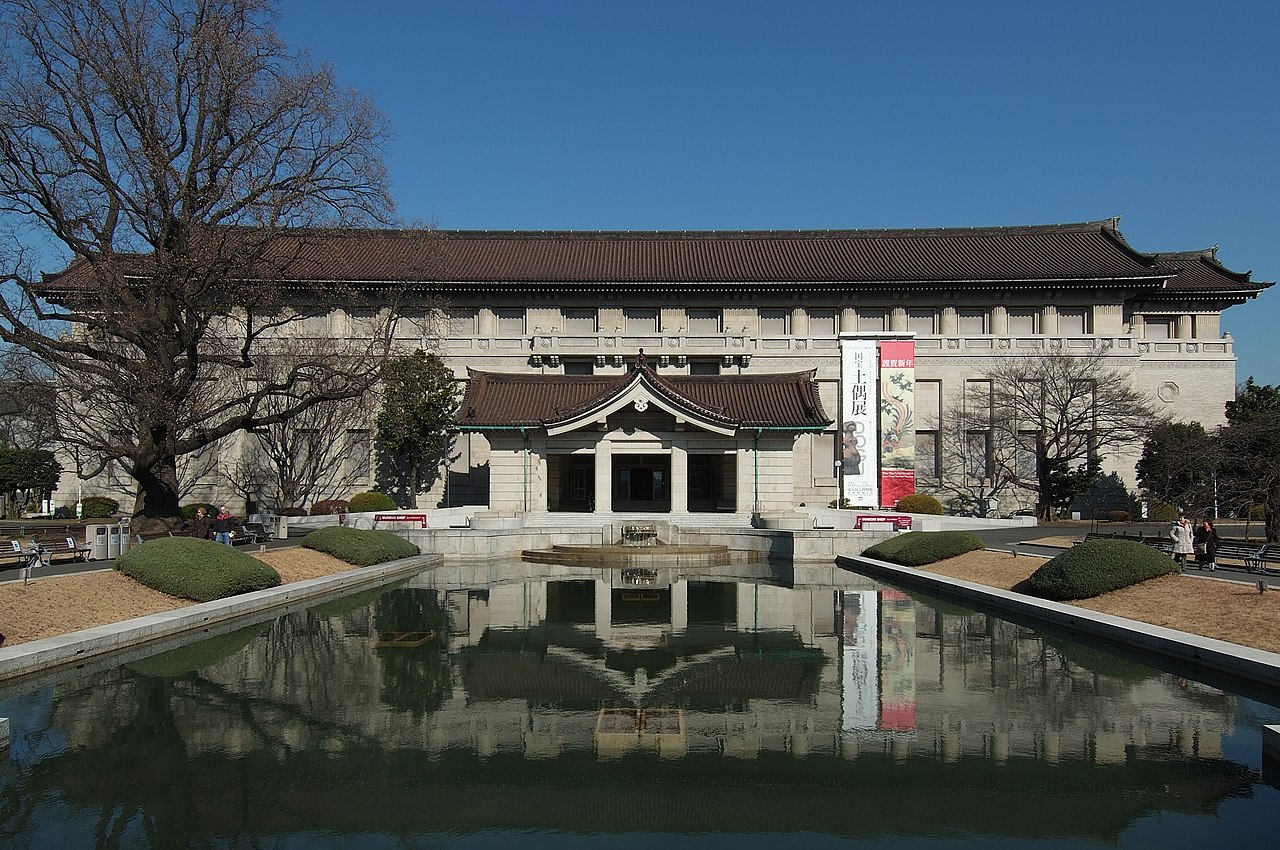
- Tokyo: Japan’s electric capital, a sprawling mix of futuristic neighborhoods, world-class food, and quiet shrines hidden between skyscrapers. Think Shibuya Crossing energy, Asakusa’s traditional streets, and endless late-night ramen.
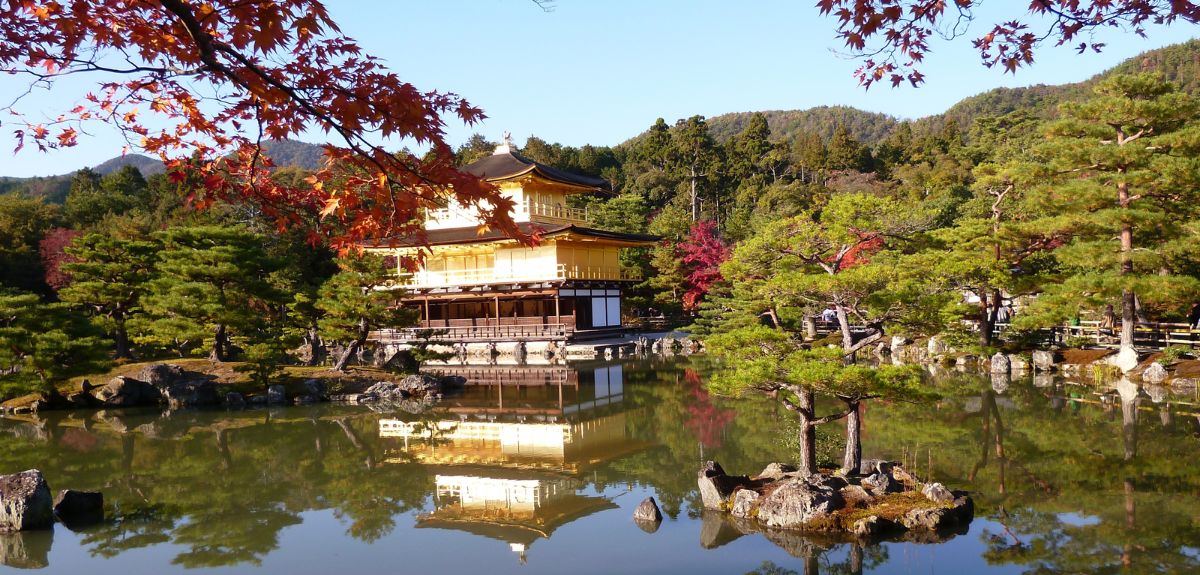
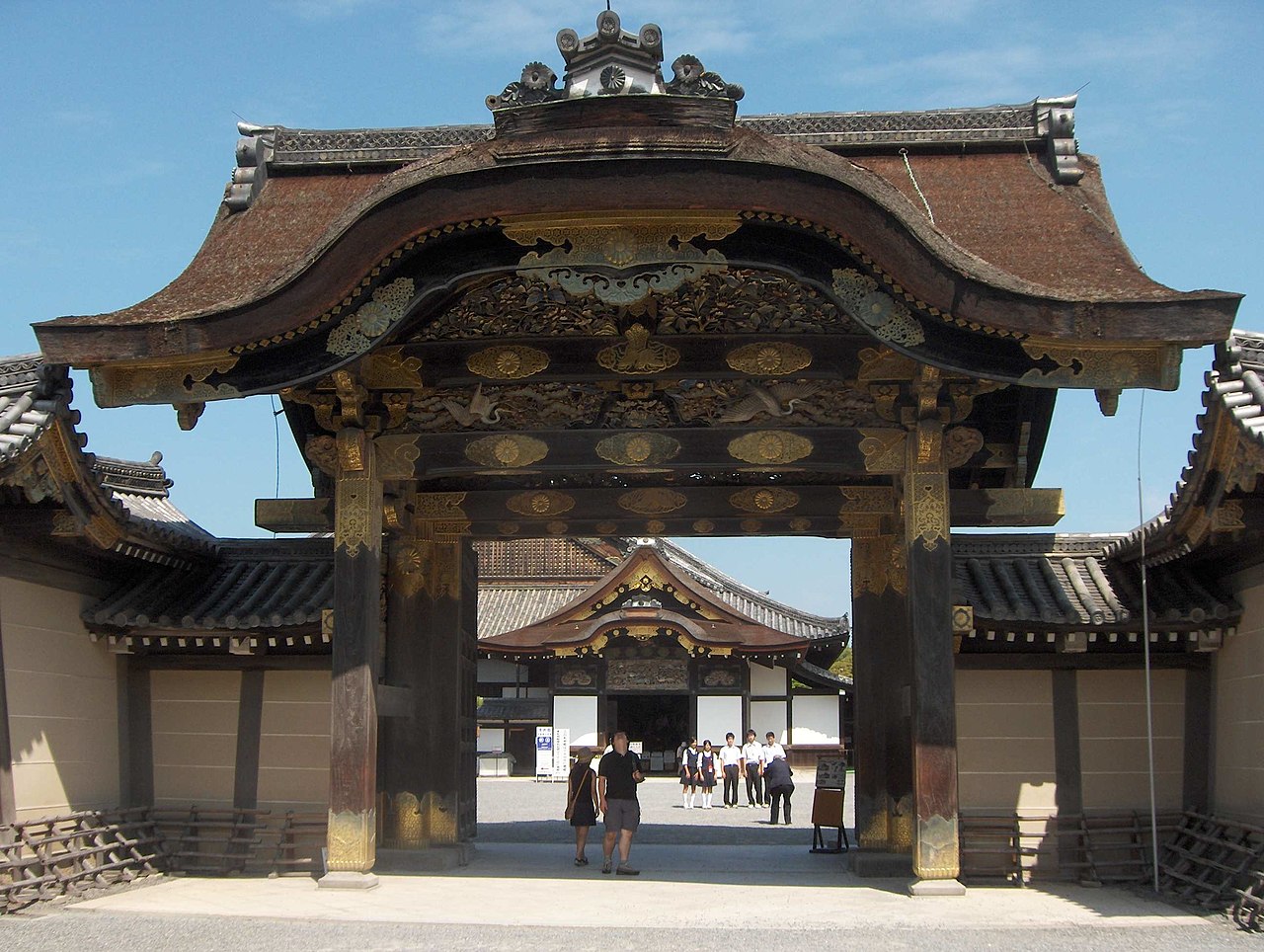
- Kyoto: The cultural heart, home to thousands of temples and shrines, geisha districts, and those famous bamboo groves. It’s slower, more traditional, and pure postcard Japan.
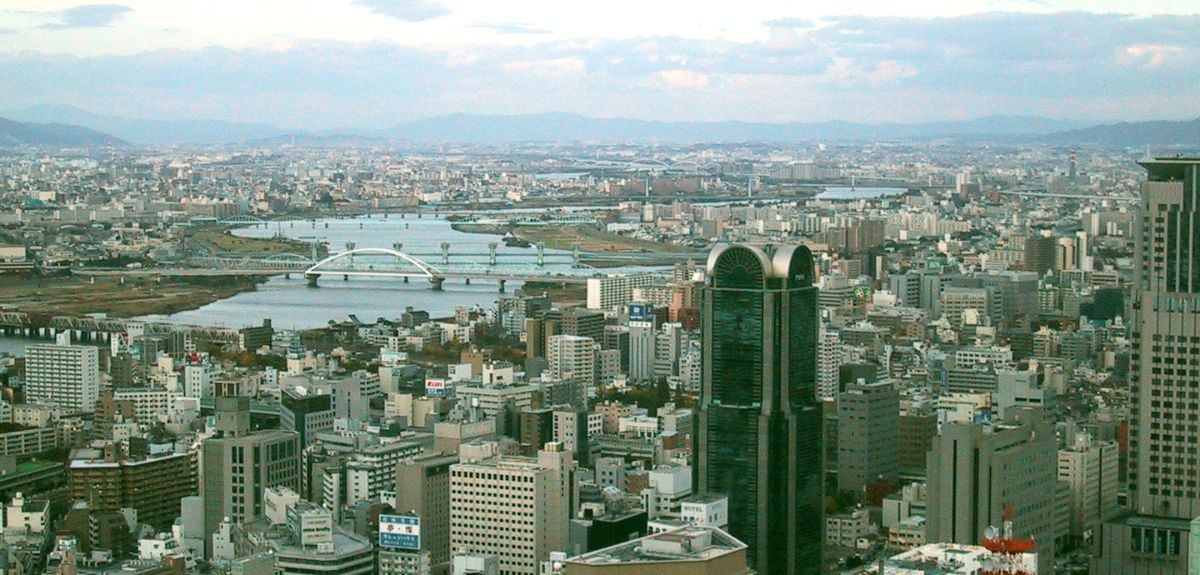
- Osaka: The friendly, food-obsessed city that lives for takoyaki, okonomiyaki, and neon nights in Dotonbori. Livelier and often cheaper than its neighbors—perfect for eating your way through Japan.
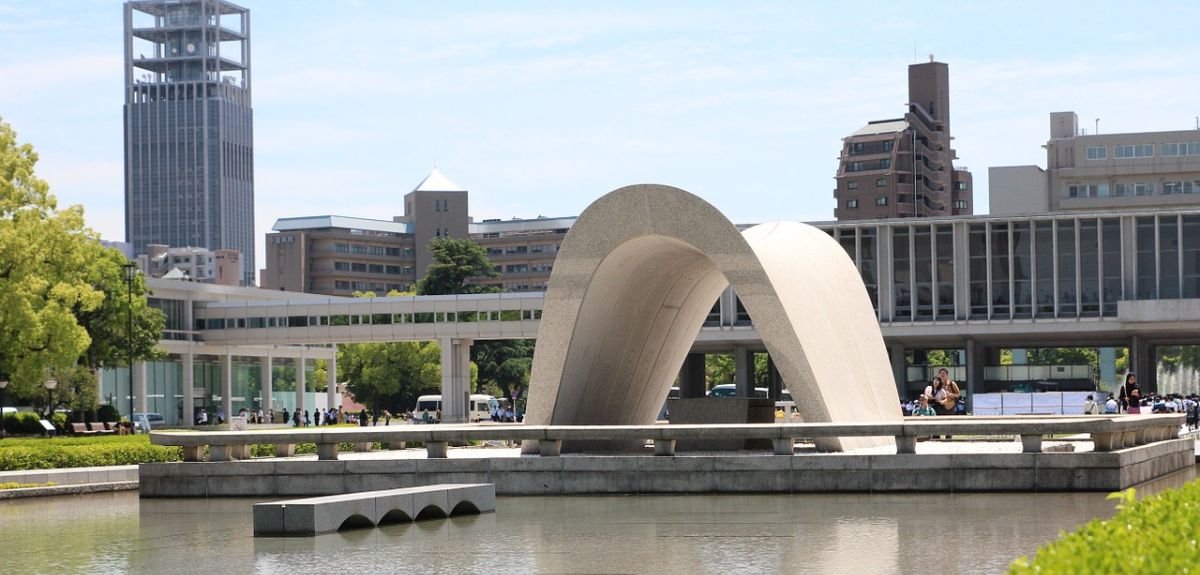
- Hiroshima: A modern, resilient city centered on the Peace Memorial Park and Museum, with the serene island of Miyajima and its floating torii gate just a short ferry ride away.
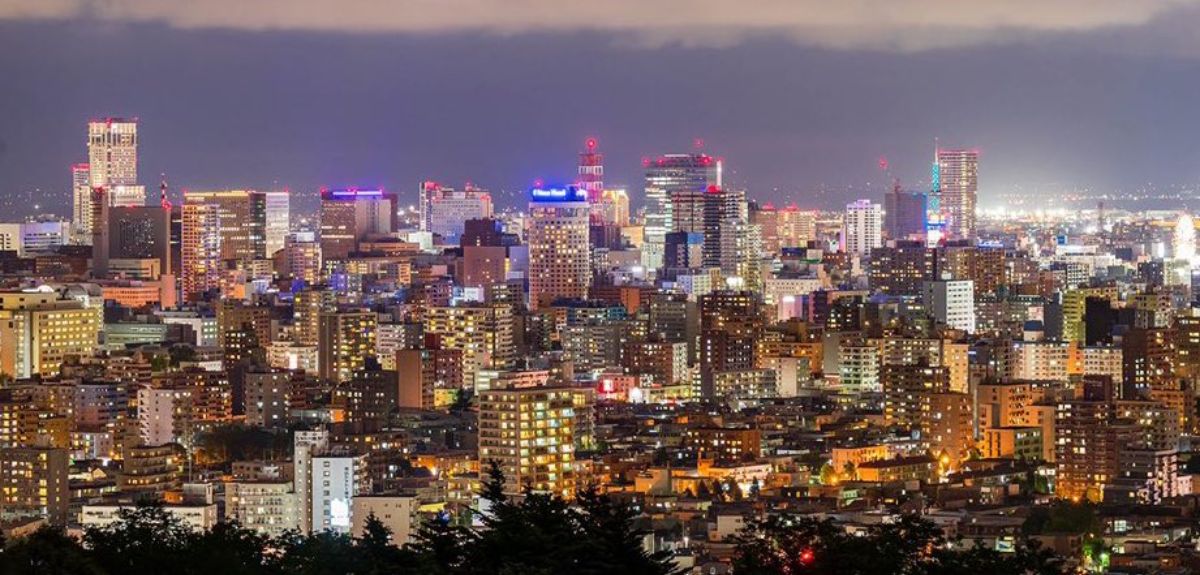
- Sapporo: Hokkaido’s northern hub, famous for its massive Snow Festival, legendary ramen and beer, fresh seafood, and easy access to powdery ski resorts and hot springs.
Accommodation – Mid-range business hotels in major cities (clean, central, private bathroom) usually run $80–150 USD per night for a double, depending on the city and season. Tokyo and Kyoto sit on the higher end; Osaka and Hiroshima are often a bit more reasonable. Capsule hotels or hostel dorms start around $25–45 USD. A traditional ryokan (with dinner and breakfast) can jump to $150–300+ USD per person. Peak seasons—cherry blossoms in spring and fall foliage—push prices up, so book early or aim for shoulder months.
Food – This is where Japan shines for value. A solid bowl of ramen or gyudon (beef bowl) costs $5–10 USD. Convenience-store meals (onigiri, bento, sandwiches) are surprisingly good for $3–6 USD. Street food in Osaka—takoyaki or okonomiyaki—runs $5–12 USD a plate. A casual sit-down dinner with a drink is often $15–30 USD. You can eat extremely well without spending a fortune; the real splurge is reserved for omakase sushi or kaiseki if you want it.
Transportation – Japan’s trains are world-class. A one-way Shinkansen ticket from Tokyo to Kyoto is roughly $90–100 USD. The nationwide JR Pass (7-day ordinary around $335 USD / ¥50,000) only makes sense if you’re doing multiple long legs in a short window—calculate your specific route first. City subways and buses are cheap: $1.50–3 USD per ride, or grab a 24/48/72-hour subway pass in Tokyo for $6–12 USD. IC cards (Suica, Pasmo, ICOCA) work almost everywhere and are the easiest way to move around. Flights from Tokyo to Sapporo can be as low as $40–100 USD one way if you book early on low-cost carriers.
Activities – Many of the best experiences are free or nearly free: Senso-ji, Meiji Shrine, Fushimi Inari, Arashiyama Bamboo Grove, and wandering Dotonbori. Paid spots are reasonable—Kinkaku-ji about $3–4 USD, Osaka Castle around $4 USD, Hiroshima Peace Memorial Museum about $1–2 USD, Tokyo Skytree or teamLab experiences $20–30 USD. Universal Studios Japan is the big-ticket item at $60–85 USD depending on the day.
Japan has this calm, precise energy mixed with bursts of pure fun. It’s a place where trains arrive to the second, streets stay spotless even without many public bins (you carry your trash until you find one), and people are helpful even if English isn’t universal. You’ll feel the contrast constantly: hyper-modern shopping districts next to centuries-old temples, quiet temple gardens a short walk from neon nightlife.
Expect order and politeness. Queues form naturally. Talking loudly on trains or eating strong-smelling food on local lines is frowned on. Shoes come off in many traditional places (and sometimes restaurants). Tipping isn’t a thing—good service is just the baseline. Cash is still useful at smaller spots, temples, and some markets, though cards and IC cards work more places than they used to. Learn a few phrases—konnichiwa, arigatou gozaimasu, sumimasen—and you’ll get smiles.
Weather swings hard by region and season. Spring (late March–April) brings cherry blossoms and mild days (50–68°F). Summer is hot and humid in the cities (often 80–95°F with sticky air), plus rainy season in June–July. Fall is gorgeous with foliage. Winter is mild in Tokyo/Osaka/Kyoto but proper cold and snowy up in Sapporo (think below freezing and magical during the Snow Festival). Pack layers and a compact umbrella year-round.
Safety is one of Japan’s strongest points. Violent crime is extremely rare. I’ve walked alone at night in every one of these cities without worry. The bigger concerns are natural—earthquakes (buildings are built for them), summer heat, and the occasional typhoon. Download a safety alert app, and you’ll be fine. Pickpockets exist in crowded tourist spots, so keep an eye on bags, but overall it feels remarkably secure.
Japan’s culture is in the details: the quiet respect on public transport, the care put into even a simple meal, the way festivals and seasons shape daily life. Whether you’re standing under the floating torii on Miyajima at sunset, eating your way through Osaka’s alleys, or watching snow sculptures light up in Sapporo, the country has a way of making ordinary moments feel special. Grab our interactive maps for Tokyo, Kyoto, Osaka, Hiroshima, and Sapporo, and start planning. Explore cities, plan smart, travel better.