If you’re dreaming of a trip to Egypt, you’re in for something unforgettable. I’ve spent a solid stretch of time exploring this place—wandering chaotic streets, staring up at monuments that somehow still feel alive after thousands of years, floating down the Nile at sunset, and snorkeling reefs that look like they were painted. Egypt hits hard: ancient history on a scale that rewires your brain, warm people who’ll pull you into a conversation over tea, and landscapes that swing from desert to river to turquoise sea. Whether you’re here for the pyramids, the temples, the diving, or just that feeling of standing somewhere that shaped the world, Egypt’s cities deliver. Let me walk you through my top picks so you can plan smart and travel better.
Egypt isn’t one vibe—it’s several stacked on top of each other. The noise and energy of Cairo, the open-air museum that is Luxor, the quieter Nubian rhythm of Aswan, the pure monument shock of Giza, and the reef-and-resort reset of Sharm El-Sheikh. I’ve narrowed it to five cities that give you the full range without feeling like you’re racing a checklist. Each one has its own flavor, and I’ll point you toward the detailed city guides so you can dig deeper. You’ll also get the practical stuff—costs, money-saving moves, and what daily life actually feels like on the ground.
Top Cities to Visit in Egypt
- Cairo: Egypt’s chaotic, magnetic capital packed with Islamic architecture, lively markets like Khan el-Khalili, and the brand-new Grand Egyptian Museum that finally puts the Tut treasures in a space worthy of them.
- Luxor: The world’s greatest open-air museum—Karnak Temple, Luxor Temple, the Valley of the Kings, and the Avenue of the Sphinxes all within easy reach of the Nile.
- Giza: Home to the last standing Wonder of the Ancient World—the Pyramids and the Sphinx—sitting right on the edge of the modern city with the Grand Egyptian Museum nearby.
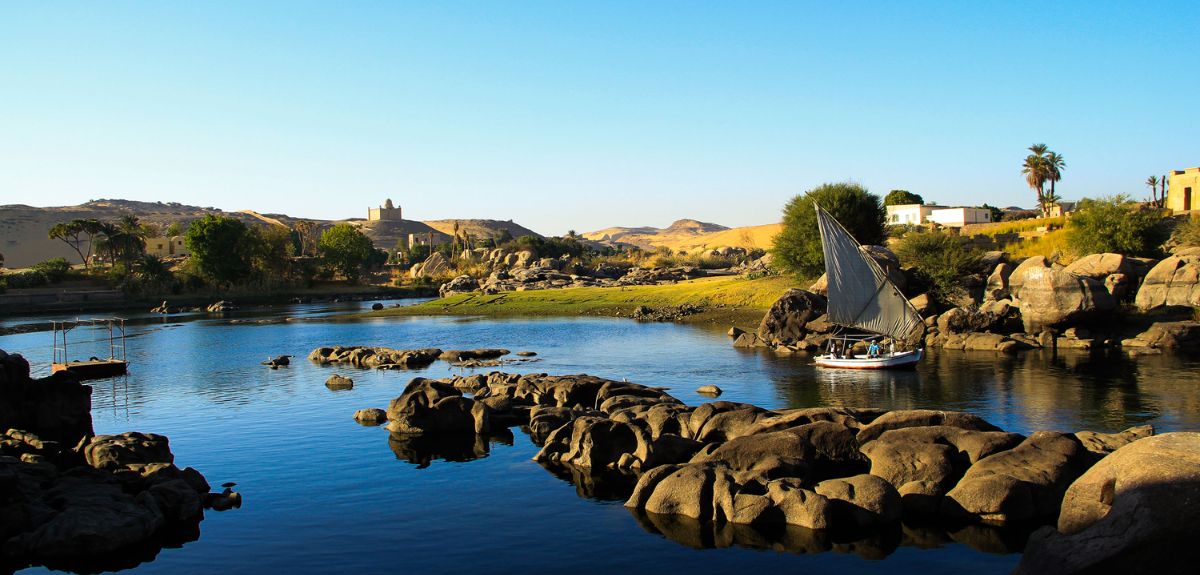
- Aswan: A calmer, more romantic stretch of the Nile with Philae Temple, colorful Nubian villages, felucca sails, and easy access to the epic temples at Abu Simbel.
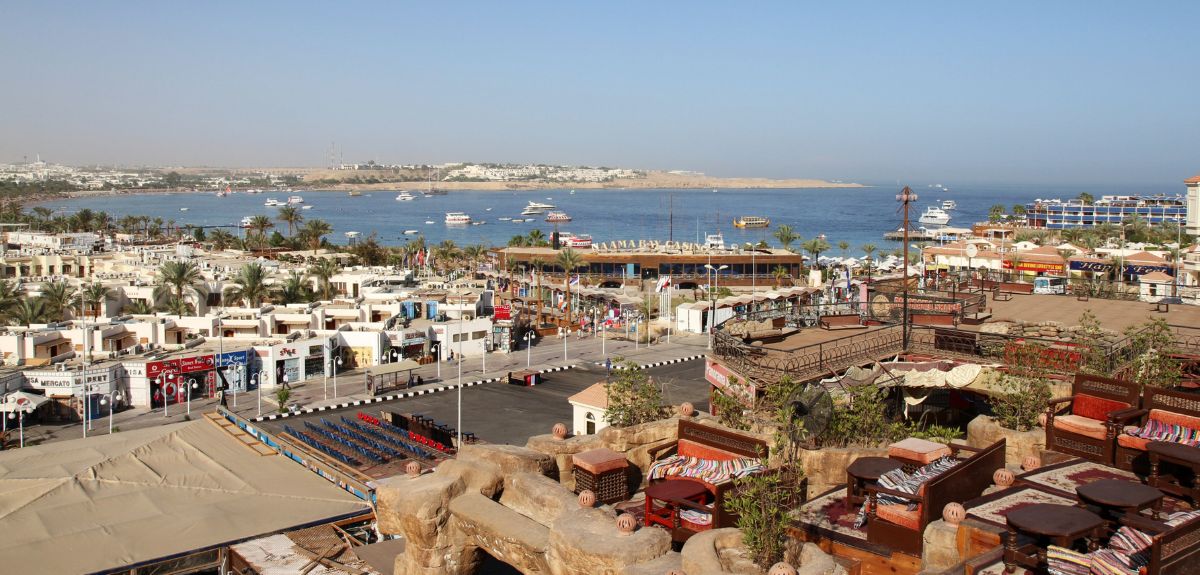
- Sharm El-Sheikh: Red Sea resort energy with world-class diving and snorkeling at Ras Mohammed National Park, plus desert day trips and easy beach time.
Accommodation – Mid-range hotels in Cairo, Luxor, or Aswan with solid amenities and decent locations usually run $50–120 USD per night for a double. Hostels and simple guesthouses start around $15–35 for a dorm or basic private room. In Sharm El-Sheikh the resorts can push higher, especially all-inclusive, but solid mid-range beach spots stay in the $80–150 range. Luxury Nile-view or pyramid-view properties climb to $150–300+. Booking ahead or traveling in shoulder season (spring or fall) knocks prices down noticeably.
Food – Egyptian food is one of the best values on the planet if you eat where locals do. A plate of koshari, ful, or taameya will set you back $1–3. A solid local restaurant meal with grilled meat or fish, salads, and bread runs $4–10. Tourist-oriented spots and hotel restaurants jump to $12–25. Fresh juice is cheap, coffee or tea is a dollar or less, and you can eat really well without ever feeling like you’re sacrificing.
Transportation – Inside cities, the Cairo Metro is dirt cheap (under $0.50 a ride) and Uber/Careem keeps short trips in the $2–6 range. Between cities, overnight trains from Cairo to Luxor or Aswan are budget-friendly and practical. Domestic flights are faster (Cairo–Luxor or Cairo–Aswan around $50–120 one way if booked ahead). Buses are even cheaper for some routes. In Sharm, most resorts handle transfers and dive boats easily.
Activities – Entry fees are reasonable by global standards. Giza Plateau is roughly $13–15, the Grand Egyptian Museum around $30, Karnak or Valley of the Kings in the $10–15 range (extra for special tombs). A full day of snorkeling or diving at Ras Mohammed usually lands $40–80 including boat and gear. Nile felucca rides are inexpensive when shared. Guided day tours with Egyptologist guides are often worth the extra for the context.
Egypt has this magnetic pull that stays with you. One minute you’re standing in front of the Pyramids realizing how small you are, the next you’re haggling (politely) over spices in a bazaar or watching the sun drop behind the Nile while a call to prayer echoes. The scale of the history is hard to process until you’re actually there—temples that make European cathedrals look modest, tombs with colors still bright after 3,000 years, and a river that has been the country’s lifeline forever.
Expect intensity and warmth in equal measure. Cairo is loud, crowded, and full of life—traffic is legendary, but the energy is real. Luxor feels more focused on the monuments; mornings on the West Bank are pure magic if you beat the heat and the bigger groups. Aswan slows things down—Nubian culture, quieter streets, and those pink granite islands in the river. Giza is the monument hit, best early or late. Sharm flips the script completely: clear water, coral, and a more resort-paced rhythm after the temple circuit.
Weather is a big factor. October through April is ideal—comfortable days and cooler nights. Summers in Upper Egypt (Luxor and Aswan) get seriously hot (often 100°F+), so early starts and shade become non-negotiable. Sharm stays more moderate thanks to the sea. Dress modestly in cities and at religious or historic sites (shoulders and knees covered is a solid rule); beach resorts are more relaxed. Basic Arabic phrases go a long way—“shukran,” “la shukran,” “salaam”—and a smile usually opens doors.
Safety on the main tourist circuit (Cairo, Giza, Luxor, Aswan, Sharm) is solid for visitors. Tourist police are visible at major sites, and millions of people visit these places every year without issue. The usual big-city common sense applies: watch belongings in crowded markets, use Uber instead of random taxis when possible, and be firm but polite with persistent vendors. Women traveling solo report that conservative dress and confident body language help a lot. Stick to the well-traveled routes and you’ll be fine.
Egypt’s culture is generous once you settle into the rhythm. Meals stretch late, tea appears constantly, and people are genuinely curious about where you’re from. The mix of ancient and modern is constant—you’ll see a phone tower next to a 3,000-year-old wall and somehow it works. Whether you’re floating past temples on a felucca, descending a reef wall at Ras Mohammed, or just sitting in a café watching the city move, Egypt makes you feel like you’ve stepped into a longer story.
So grab the interactive maps for Cairo, Luxor, Giza, Aswan, and Sharm El-Sheikh, dig into the city guides, and start mapping your route. Explore cities, plan smart, travel better.