

Get Inspired

Itineraries

Travel Guides

About Me

Top
  >  Colombia   >  Best Places to Visit in Cartagena
best places to visit in cartagena

Bathed in the golden glow of the Caribbean sun, Cartagena de Indias is a city where colonial history and tropical glamour dance together in the salty breeze. Every street in the Walled City is a vibrant canvas of bougainvillea-draped balconies and emerald-colored doors, inviting you to lose yourself in a world of rhythmic salsa and timeless romance.

Why Visit Cartagena?

Colombia’s coastal jewel offers a seductive blend of Spanish heritage and Caribbean soul that makes it one of the most enchanting destinations in South America.

  • The Walled City: Wander through this UNESCO World Heritage site, where perfectly preserved ramparts protect a labyrinth of cobblestone streets and hidden plazas.
  • Castillo de San Felipe de Barajas: Explore the greatest fortress ever built by the Spaniards in the New World, a masterpiece of military engineering offering panoramic bay views.
  • Getsemaní: Immerse yourself in the city’s beating heart, an edgy and artistic neighborhood famous for its vibrant street art, local music, and authentic nightlife.
  • Rosario Islands: Escape to a nearby archipelago of coral reefs and turquoise waters, where luxury beach clubs and pristine sands offer the ultimate tropical indulgence.
  • Sunset at the Walls: Experience the magic of a Caribbean dusk with a cocktail at Cafe del Mar, watching the sun dip below the horizon from atop the historic city walls.

Whether you are savoring world-class fusion cuisine or dancing the night away under the stars, Cartagena promises a sensory journey that is as glamorous as it is unforgettable.

CARTAGENA KEY INFO

Everything you need to hit the ground running.

WHEN TO VISIT

December to March for dry weather and festivals; April to May for fewer crowds and sightseeing.

HOW TO GET THERE

Fly into Rafael Nuñez International Airport (CTG). It’s a 15-20 minute taxi or private transfer to the city center (~15-20 min).

HOW TO GET AROUND

Walk! The Walled City is best explored on foot to soak in the colonial charm. For longer trips, use the InDrive or Cabify apps for reliable fares.

IDEAL TRIP LENGTH

3-4 days for the city itself, but 5-7 days if you want to include day trips to the Rosario Islands or San Basilio de Palenque.

What is Cartagena Mainly Known For?

Cartagena is famous for its vibrant colonial history, a preserved UNESCO World Heritage site where Spanish grandeur meets Caribbean soul. It’s also known for Castillo de San Felipe de Barajas, a massive stone fortress dominating the skyline. Beyond the sights, it’s known as the Heroic City, where bougainvillea-draped balconies and rhythmic salsa define its enchanting tropical vibe.

Is Cartagena a Walkable City?

100% yes. Cartagena’s Walled City and Getsemaní are incredibly compact and best explored on foot. I loved wandering the vibrant, pedestrian-friendly streets, soaking in the colonial charm without the constant hum of traffic.

Is it safe to walk in Cartagena at night? Absolutely. The main tourist areas are well-patrolled and lively. I felt completely at ease, though I always recommend staying in well-lit areas and using standard common sense.

What Is the Best Neighborhood to Walk Around?

The Walled City is the winner. Tucked behind massive stone fortifications against the Caribbean Sea, this UNESCO gem is a maze of cobblestone streets, vibrant colonial facades, and flower-draped balconies. For something completely different, walk over to Getsemani, a bohemian district bursting with expressive street art, rhythmic salsa beats, and a gritty, authentic charm that captures the city’s modern creative soul.

What Are the Best Things to Do in Cartagena? (For Your First Visit)

I visited Cartagena without a strict day-by-day plan. I wanted to take my time, enjoy the colonial charm and tropical Caribbean vibe, and see where the streets took me. I wrote down a few highlights and hit the ground running. Here are the spots I definitely recommend checking out:

Castillo de San Felipe de Barajas

Explore this massive stone fortress dominating the skyline. Navigate eerie underground tunnels and take in epic bay views. Price: ~38,000 COP. Pro tip: Arrive at 8 AM to beat the intense Caribbean heat and the crowds. Check availability and explore popular experiences.
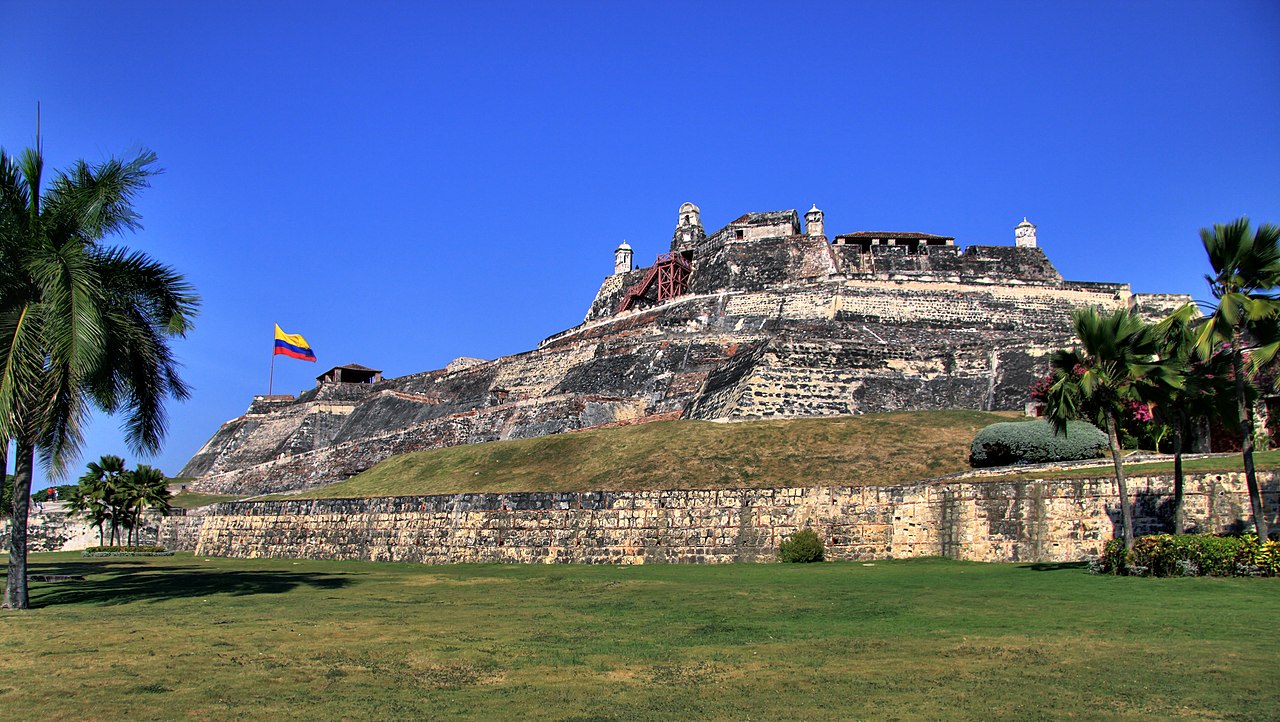
Castillo de San Felipe de Barajas
Credit: Wikimedia Commons

Walled City of Cartagena

Step into a colonial dream with vibrant facades and bougainvillea-draped balconies. Wander the cobblestones to find Plaza de San Diego. Price: Free. Pro tip: Walk the city walls at sunset for the ultimate Caribbean breeze and golden views. Check availability and explore popular experiences.

Walled City of Cartagena
Credit: Wikimedia Commons

Getsemaní

Cartagena’s beating heart. This edgy, colorful barrio overflows with street art and salsa beats. Highlights: Plaza de la Trinidad and Umbrella Street. Price: Free. Pro tip: Grab a street burger at night for the ultimate local experience. Check availability and explore popular experiences.

Getsemaní
Credit: Wikimedia Commons

Rosario Islands

Turquoise waters meet white sands in this Caribbean archipelago. Snorkel vibrant reefs or lounge at beach clubs. Day trips: ~250,000 COP. Pro tip: Book a private boat for a quieter experience away from the busy Playa Blanca crowds. Check availability and explore popular experiences.

Rosario Islands

Credit: Wikimedia Commons

Convento de la Popa

Perched atop Cartagena’s highest hill, this 17th-century convent offers serene cloisters and elite 360-degree vistas. Don’t miss the flower-filled courtyard and gold-leaf altar. Price: ~15,000 COP. Pro tip: Take a taxi up; the walk is steep and unsafe. Check availability and explore popular experiences.

Convento de la Popa
Credit: Wikimedia Commons / Petruss

Torre del Reloj

The ultimate gateway to the Old City. This iconic yellow clock tower glows at sunset, marking the spot where colonial history meets modern energy. Price: Free. Pro tip: Arrive at dusk when the arches light up for the perfect photo. Check availability and explore popular experiences.

Torre del Reloj
Credit: Wikimedia Commons

Palace of the Inquisition

Step into a beautiful baroque building with a dark past. Explore chilling torture devices and colonial artifacts in this historic museum. Price: ~24,000 COP. Pro tip: Visit on the last Sunday of the month for free entry. Check availability and explore popular experiences.
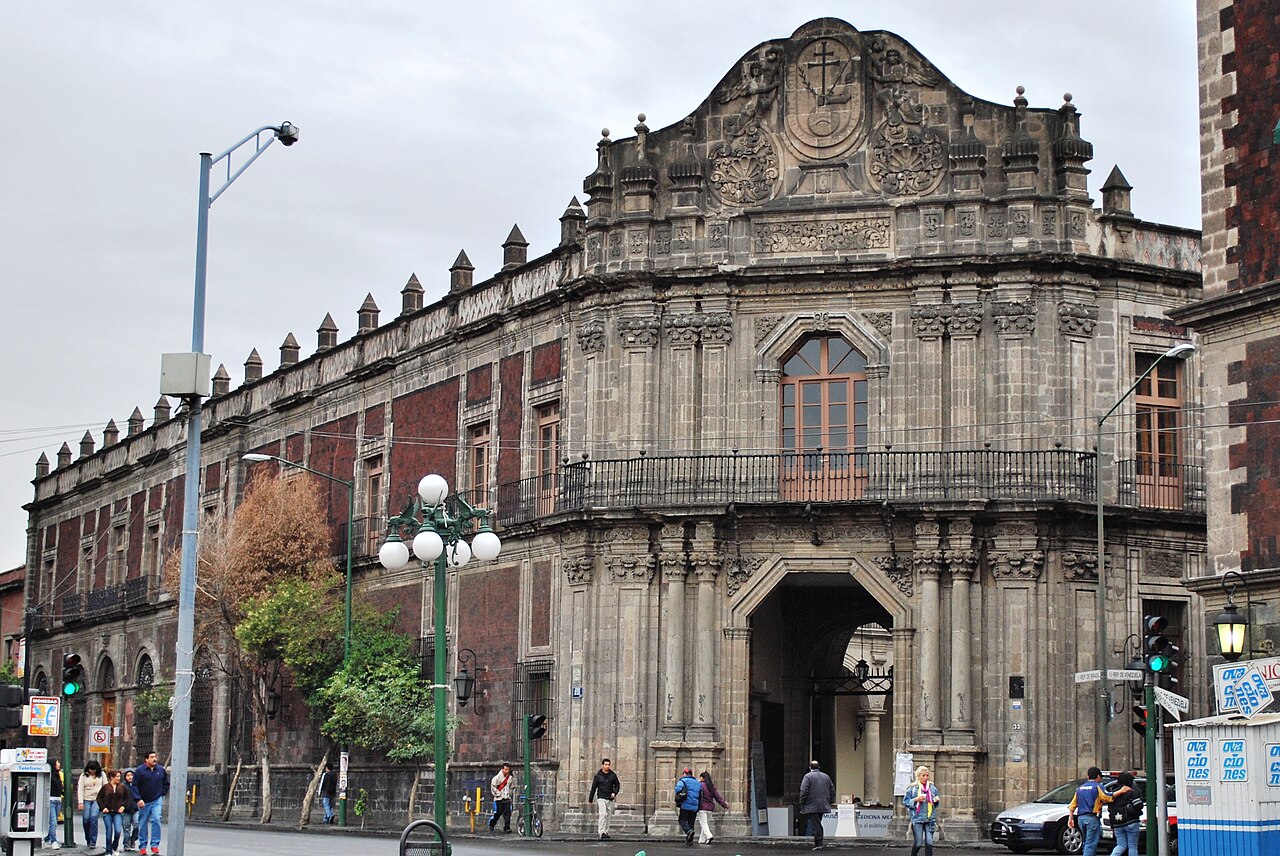
Palace of the Inquisition
Credit: Wikimedia Commons / Thelmadatter

Sanctuary of Saint Peter Claver

Step into this atmospheric colonial gem. This peaceful sanctuary features a lush courtyard, religious art, and the saint’s relics. Price: ~28,000 COP. Pro tip: Visit the third floor for moving exhibits on Afro-Colombian history and human rights. Check availability and explore popular experiences.

Sanctuary of Saint Peter Claver
Credit: Wikimedia Commons

Monumento a los Zapatos Viejos

A quirky tribute to local poetry located right behind the fortress. Highlights: Gigantic bronze boots perfect for photos and great views of San Felipe. Price: Free. Pro tip: Arrive early to avoid the line for the best shot. Check availability and explore popular experiences.

Monumento a los Zapatos Viejos
Credit: Wikimedia Commons

Las Bóvedas

Historic dungeons turned vibrant market. Explore 23 yellow-arched vaults filled with local crafts and emeralds. Price: Free entry. Pro tip: Walk atop the walls for sunset Caribbean views before browsing the artisan stalls. Check availability and explore popular experiences.
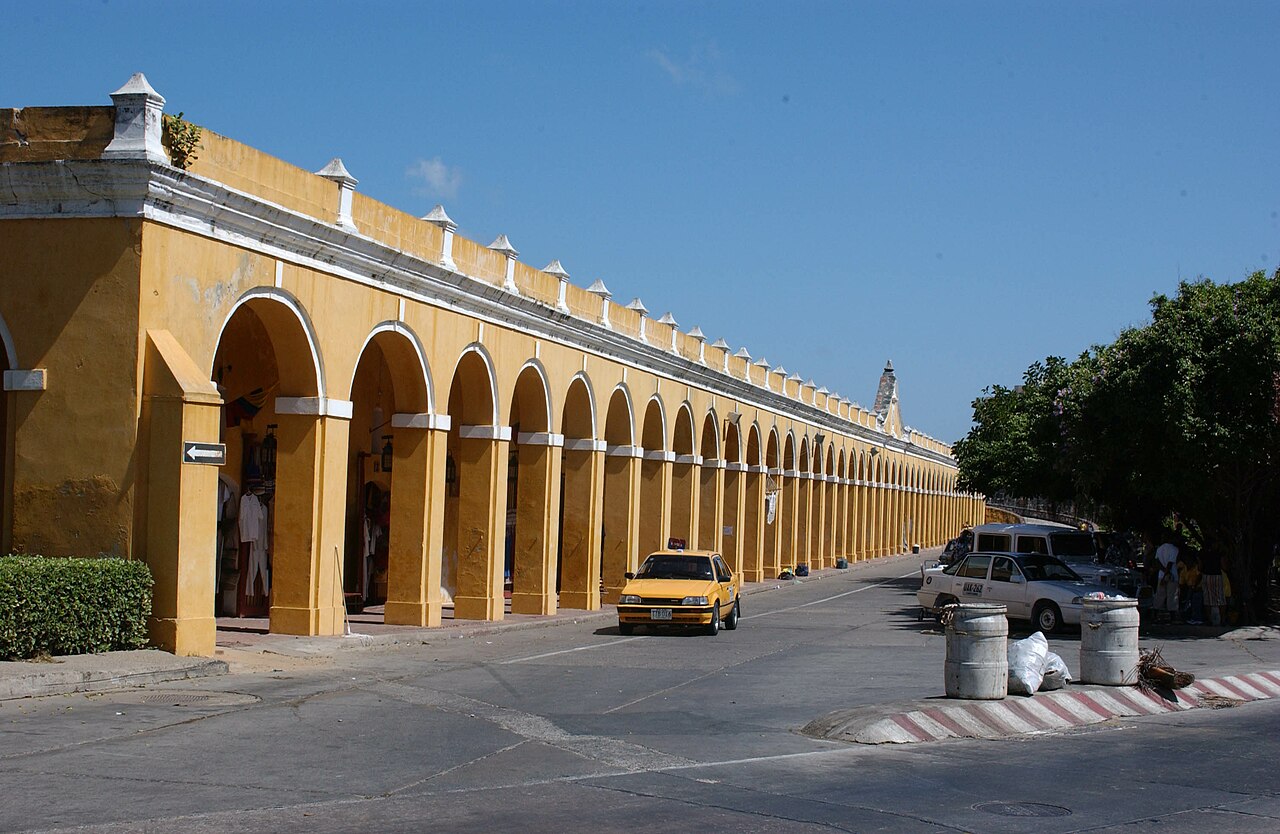
Las Bóvedas
Credit: Wikimedia Commons

What Part of Cartagena is Best for Tourists?

Stay in the Walled City. Everything will be within a 15-minute walk. If you want something a bit more local but still close, the Getsemaní neighborhood is lovely—it features a vibrant street art scene, hip bars, and a laid-back atmosphere at Plaza de la Trinidad.

What to Know Before Going to Cartagena

  • Stick to Bottled: While technically treated in the city, most travelers find bottled or filtered water safer to avoid stomach issues.
  • Limited English: English is common in tourist areas and high-end hotels, but basic Spanish is essential for navigating elsewhere.
  • The Cultural Pass: This pass offers prepaid credits for various tours and experiences, providing flexibility and value for sightseeing.
  • Open for Business: Unlike many European cities, most shops and restaurants in Cartagena remain open on Sundays to accommodate tourists.
  • Check for Propina: A voluntary 10% service charge is usually added to restaurant bills; verify before adding any additional tip.

How Many Days Do I Need in Cartagena?

3 days is the ideal duration for first-time visitors to balance colonial history, vibrant street culture, and a relaxing Caribbean island escape.

  • Day 1: Walled City, Torre del Reloj, Castillo de San Felipe de Barajas, Sanctuary of Saint Peter Claver, Palace of the Inquisition.
  • Day 2: Getsemaní, Convento de la Popa, Monumento a los Zapatos Viejos, Las Bóvedas, Museum of Modern Art.
  • Day 3: Take a scenic boat trip to the Rosario Islands for snorkeling and beach relaxation.

Suggested daily budget – 85-130 EUR / 90-140 USD (Note: This covers mid-range 3 or 4-star hotels, dining at local sit-down restaurants, and guided tours or taxi transportation. You can go cheaper if you eat at street food stalls or use local buses).

MONEY SAVING TIPS

  1. Master the Menu del Día: Look for local fondas serving a Menu del Día (daily lunch special) for 8,000–12,000 COP, or grab an arepa with cheese from a street vendor for 3,000–5,000 COP to keep food costs under $5.
  2. Tip-Based Trekking: Join a Free Walking Tour meeting daily at Plaza de los Coches or Camellón de los Mártires to see the main sights for a tip, or visit the Palace of the Inquisition on the last Sunday of the month for free entry.
  3. Ride the Transcaribe: Skip pricey taxis and use the Transcaribe bus system for 3,900 COP per trip; you just need to buy a rechargeable smart card at the main stations to access dedicated lanes that bypass city traffic.
  4. Sunset at the City Walls: Avoid the expensive drinks at Cafe del Mar by grabbing a cold Club Colombia beer from a nearby supermarket and heading to the Baluarte de Santo Domingo walls for the exact same sunset view for free.

What’s the Best Month to Visit Cartagena?

February and March are the sweet spots for visiting Cartagena. During these months, you will enjoy dry, breezy weather and thinner crowds compared to the peak holiday rush. However, December is a magical alternative, as the city transforms with festive Christmas decorations, vibrant holiday lights, and a celebratory Caribbean atmosphere.

How to Get to Cartagena

Most international travelers fly into Rafael Núñez International Airport (CTG). Key direct connections include Miami, Fort Lauderdale, New York, Panama City, and Madrid.

  • From the airport: The city center is a 10–15 minute drive. Official taxis cost approximately 18,000–30,000 COP, while the Transcaribe bus (T102) costs about 3,000 COP.
  • By Train: There are no passenger rail services to Cartagena. Travel between cities is primarily done via domestic flights or regional buses (Expreso Brasilia or Berlinas) connecting to Barranquilla and Santa Marta.

How to Get Around Cartagena

Walk and use taxis – it is the absolute best way to navigate.

  • Car Rental: Not recommended for the city due to narrow streets and limited parking; use DiscoverCars only if planning regional day trips.
  • Walking: Excellent and preferred for exploring the compact, historic Walled City and Getsemani districts.
  • Uber/Bolt: Uber is widely available and reliable, though yellow taxis are also plentiful (negotiate fares upfront).
  • Tours: Great for hassle-free visits to the Rosario Islands or guided historical walks through the colonial center.

Tips for first-timers: Avoid boarding taxis without a price—Most lack meters and drivers often overcharge tourists. Always negotiate and agree on a fare before getting in, or use ride-hailing apps like Uber for transparent, fixed pricing!

Cartagena is the kind of place that steals your heart. It is a vibrant tapestry where sun-drenched colonial history and salty Caribbean breezes meet the soulful, rhythmic energy of its colorful streets. As you depart from its golden walls and flower-filled balconies, it leaves you with a renewed sense of wonder and a deep connection to the past.

Note: This article contains affiliate links. If you purchase something I’ve recommended, I’ll earn a small commission at no extra cost to you. I really appreciate your support and I hope this guide helps you ♡

post a comment