

Get Inspired

Itineraries

Travel Guides

About Me

Top
  >  Belgium   >  Best Places to Visit in Ghent
best places to visit in ghent

Gentle ripples on the Leie river reflect the golden glow of medieval spires as dusk falls over Ghent, a city that feels like a beautifully preserved secret. Stepping onto its cobblestone streets is like entering a living fairytale where history and modern vibrance dance in perfect harmony. From the shadow of formidable fortresses to the cozy glow of candlelit canalside bars, Ghent offers an enchanting escape for those who seek elegance and soul in every corner.

Why Visit Ghent?

Belgium is a treasure trove of European charm, offering a sophisticated blend of world-class gastronomy, stunning architecture, and a rich artistic heritage that captivates every traveler.

  • Gravensteen Castle: This imposing 12th-century fortress stands right in the city center, complete with a moat and battlements that offer breathtaking panoramic views.
  • Saint Bavo’s Cathedral: A masterpiece of Gothic architecture and home to the world-renowned Adoration of the Mystic Lamb altarpiece.
  • Graslei and Korenlei: These picturesque quays are lined with historic guildhalls, serving as the perfect backdrop for a glamorous evening stroll by the water.
  • The Ghent Belfry: Ascend this UNESCO World Heritage site to hear the chime of the bells and see the city sprawling beneath you in all its glory.
  • Patershol District: A maze of narrow alleys filled with culinary delights, where the aromas of Belgian chocolate and refined cuisine create an irresistible atmosphere.

Whether you are sipping champagne by the canal or lost in the majesty of its cathedrals, Ghent promises a journey that is as timeless as it is unforgettable.

GHENT KEY INFO

Everything you need to hit the ground running.

WHEN TO VISIT

April to June for mild weather and spring blooms; December for festive Christmas markets and thinner crowds.

HOW TO GET THERE

Fly into Brussels Airport (BRU). It’s a direct train to the city center (~60 min).

HOW TO GET AROUND

Walk! Ghent’s historic center is compact and pedestrian-friendly. For longer trips, use the De Lijn app to access the city’s extensive tram and bus network.

IDEAL TRIP LENGTH

1-2 days for the city itself, but 3 days if you want to include day trips to Brussels or Bruges.

What is Ghent Mainly Known For?

Ghent is famous for the Ghent Altarpiece, a 15th-century masterpiece and the world’s most frequently stolen artwork. It’s also known for Gravensteen, a remarkably preserved 12th-century moated castle in the city center. Beyond the sights, it’s known as a vibrant, car-free student city with a legendary medieval skyline and edgy street art.

Is Ghent a Walkable City?

100% yes. Ghent’s compact medieval core is one of Europe’s largest car-free zones, making it a joy to explore. Without traffic noise, you can fully soak in the vibrant, historic atmosphere.

Is it safe to walk in Ghent at night?
Yes, it is very safe. As a traveler, I felt completely at ease, though I always recommend using standard common sense in any city.

What Is the Best Neighborhood to Walk Around?

De Kuip is the winner. Nestled along the Leie river, this car-free heart glitters with golden medieval spires, narrow cobblestone alleys, and grand stone facades like Gravensteen Castle. Its atmosphere is a living fairy tale of historic charm and water views. For something completely different, walk over to Oude Dokken, an industrial-cool district known for its gritty street art and vibrant food halls along the former harbour docks.

What Are the Best Things to Do in Ghent? (For Your First Visit)

I arrived in Ghent without a strict day-by-day plan. I wanted to take my time, soak up the enchanting medieval-meets-modern vibe, and see where the streets took me. I noted a few highlights and hit the ground running. Here are the spots I definitely recommend checking out:

Gravensteen Castle

Step into a medieval movie set at Gravensteen. This moated fortress features a torture museum and epic battlements. Vibe: gritty history meets city views. Price: 13 Euro. Pro tip: Go at sunset for the best photos of Ghent. Check availability and explore popular experiences.

Gravensteen Castle
Credit: Wikimedia Commons / Marc Ryckaert (MJJR)

Saint Bavo’s Cathedral

A Gothic masterpiece where ancient history meets artistic flex. Marvel at the legendary Ghent Altarpiece and Rubens’ brilliance. Entry is free; altarpiece/AR tour is €16. Pro tip: Visit the Romanesque crypt to see murals from the cathedral’s earliest days. Check availability and explore popular experiences.

Saint Bavo
Credit: Wikimedia Commons / Mylius

Ghent Belfry

Ghent’s skyline-defining medieval masterpiece. Climb past the legendary 54-bell carillon and dragon mascot for epic 360° views. Price: €13. Pro tip: Take the lift from the first floor to save your legs for the top! Check availability and explore popular experiences.

Ghent Belfry
Credit: Wikimedia Commons

Graslei and Korenlei

Ghent’s chill heart. These scenic quays boast medieval guildhouses and golden-hour canal views. Perfect for waterside lounging. Cost: Free. Pro Tip: Grab local beer and join the students on the stone walls at sunset for the ultimate vibe. Check availability and explore popular experiences.

Graslei and Korenlei
Credit: Wikimedia Commons / Michiel Hendryckx

Saint Nicholas’ Church

St. Nicholas’ Church (Sint-Niklaaskerk) is one of the oldest and most prominent landmarks in Ghent, Belgium. Built in the early 13th century to replace an earlier Romanesque church, it stands as the definitive example of Scheldt Gothic, a regional architectural style characterized by the use of blue-gray limestone quarried from the Tournai region. Check availability and explore popular experiences.
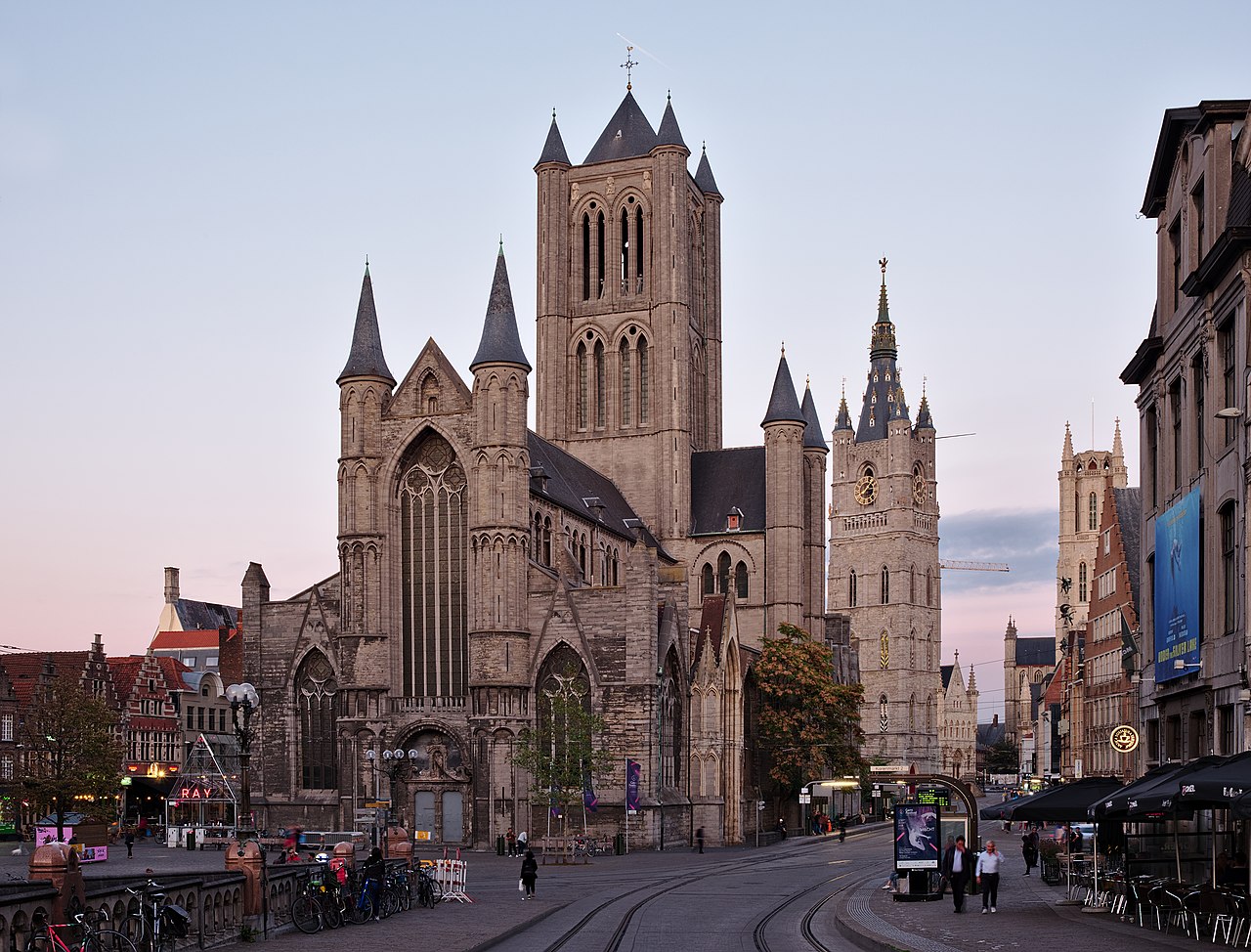
Saint Nicholas
Credit: Wikimedia Commons

St. Michael’s Bridge

Ghent’s ultimate photo spot. This stone beauty offers cinematic views of the Three Towers and Graslei. Vibe: Pure fairytale. Cost: Free. Pro tip: Visit at twilight when the city glow hits different for that perfect selfie. Check availability and explore popular experiences.

St. Michael
Credit: Wikimedia Commons

Patershol

Ghent’s medieval soul lives in Patershol’s maze of cobblestone alleys and crooked houses. Explore hidden courtyards, the House of Alijn, and global eateries. Price: Free. Pro tip: Visit at dusk when the warm lighting creates a cinematic, romantic atmosphere. Check availability and explore popular experiences.

Patershol
Credit: Wikimedia Commons

Ghent City Museum (STAM)

A cool mix of medieval abbey and modern tech. Walk across the giant aerial floor map and build LEGO towers. Tickets around €12 (cheaper for youth). Pro tip: Relax at the sunny STAMcafé after your tour. Check availability and explore popular experiences.

Ghent City Museum (STAM)
Credit: Wikimedia Commons / Paul Hermans

Museum of Fine Arts (MSK)

Step into a world of old-world charm and edgy masterpieces. Discover works by Bosch and Magritte in a stunning, sun-soaked building. Entry is around €15. Pro tip: Don’t miss the live restoration of the world-famous Ghent Altarpiece. Check availability and explore popular experiences.

Museum of Fine Arts (MSK)
Credit: Wikimedia Commons / marie-julie

Vrijdagmarkt

Soak up the historic buzz at Vrijdagmarkt, Ghent’s legendary square. Marvel at the Jacob van Artevelde statue and stunning guildhalls. Price: Free. Pro tip: Swap your shoe for a giant Max beer at the quirky Dulle Griet pub. Check availability and explore popular experiences.

Vrijdagmarkt
Credit: Wikimedia Commons

What Part of Ghent is Best for Tourists?

Stay in the Historic City Centre. Everything will be within a 30-minute walk. If you want something a bit more local but still close, the Patershol neighborhood is lovely—it offers winding cobblestone streets and a vibrant culinary scene with authentic charm.

What to Know Before Going to Ghent

  • The Tap Water is Gold: Tap water is safe and highly regulated; however, it is often hard with a high mineral content.
  • Fluent in English: Locals in Ghent generally have high English proficiency, making communication very easy for most travelers.
  • CityCard Gent: This all-in pass offers great value with free entry to top attractions and unlimited use of public transport.
  • Sunday Quiet: Most shops are closed on Sundays, except for the first Sunday of each month when many remain open.
  • Tipping is Optional: Service is included in bills, but rounding up or leaving 5-10% is appreciated for good service.

How Many Days Do I Need in Ghent?

2 days is ideal for experiencing Ghent’s blend of medieval history and vibrant local life within a walkable center.

  • Day 1: Gravensteen Castle, Saint Bavo’s Cathedral, Belfry of Ghent, Graslei and Korenlei, Saint Nicholas’ Church.
  • Day 2: MSK Ghent, STAM City Museum, S.M.A.K., Patershol district, Vrijdagmarkt.
  • Day 3: Take a scenic train ride to the medieval canals of Bruges.

Suggested daily budget – 150-200 EUR / 165-220 USD (Note: This covers mid-range hotels or boutique B&Bs, sit-down dining at nice restaurants, and museum entrance fees or canal tours. You can go cheaper if you stay in hostels, eat street food from the Vrijdagmarkt, and explore the historic center by walking.)

MONEY SAVING TIPS

  1. Student-Friendly Feasts: Head to student restaurants like De Kantiene at Campus Kantienberg for a main dish at just 5.30 EUR, or look for specific deals like free fries on the Korenmarkt at noon.
  2. Pay-What-You-Feel Tours: Join a Free Walking Tour meeting at Sint-Baafsplein or Hostel Uppelink to see highlights like Gravensteen Castle and the Belfry for just a tip.
  3. All-In-One Transit: Grab a CityCard Gent for 48 or 72 hours to get free entry to top museums and unlimited use of all trams and buses, including the hop-on/hop-off water tram.
  4. Riverside Refreshments: Skip the expensive terraces and grab a store-bought beer to enjoy on the picturesque Graslei or Korenlei quays, where locals gather to soak in the views of the Leie river.

What’s the Best Month to Visit Ghent?

May and June are the sweet spots for visiting Ghent. These months offer mild weather and spring blooms, perfect for exploring the canals and outdoor cafes while avoiding peak summer crowds. However, December is a magical alternative, as the city transforms into a winter wonderland with festive Christmas markets and a cozy, candlelit atmosphere.

How to Get to Ghent

Most international travelers fly into Brussels Airport (BRU). It serves as a major hub with direct connections from New York, London, and Frankfurt.

  • From the airport: Take a direct train to Ghent-Sint-Pieters station. The journey takes approximately 60 minutes and costs about 21 EUR.
  • By Train: Ghent is perfectly connected via rail to Brussels, Antwerp, and Bruges, with frequent high-speed links to Paris and Amsterdam.

How to Get Around Ghent

Stick to walking and the tram – it’s the most efficient way to explore.

  • Car Rental: Not recommended for the city center due to car-free zones and limited parking.
  • Walking: Perfect for the historic core; most major sights are within easy walking distance of each other.
  • Uber/Bolt: Not widely available; use local taxi ranks or services like V-tax for on-demand rides.
  • Tours: Guided walking, boat, or bike tours are excellent alternatives to see the city without a car.

Tips for first-timers: Avoid driving into the city center—it is a confusing, restricted pedestrian zone with high fines and limited parking. Park at a designated P+R lot on the outskirts and take a quick, stress-free tram into the heart of Ghent!

Ghent is the kind of place that steals your heart. Its essence lies in the harmonious dance between medieval majesty and a rebellious, modern soul, where candlelit canals reflect centuries of storied architecture and a vibrant, creative energy. Ultimately, this city of spires and secrets leaves you with a renewed sense of wonder and a deep, lasting connection.

Note: This article contains affiliate links. If you purchase something I’ve recommended, I’ll earn a small commission at no extra cost to you. I really appreciate your support and I hope this guide helps you ♡

post a comment