

Get Inspired

Itineraries

Travel Guides

About Me

Top
  >  Ecuador   >  Best Places to Visit in Guayaquil
best places to visit in guayaquil

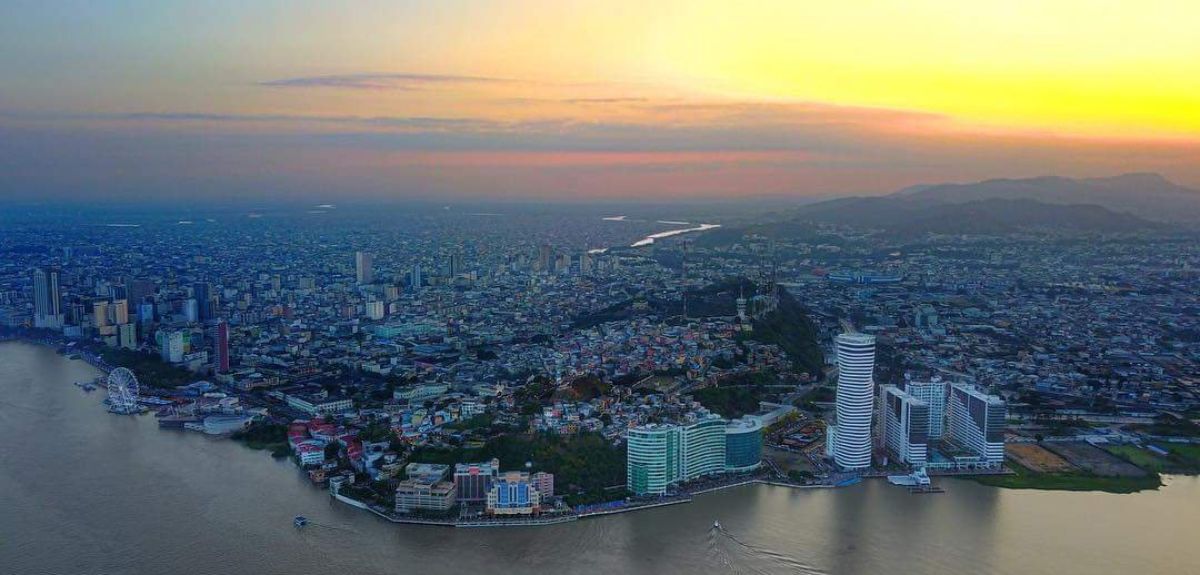
Guayaquil is a city where the Guayas River whispers tales of maritime glory and the streets are alive with a rhythmic, tropical energy. Known as the Pearl of the Pacific, this vibrant port city has transformed into a sophisticated destination where historic charm and modern luxury dance together under the equatorial sun.

Why Visit Guayaquil?

Beyond its bustling ports, Guayaquil offers a treasure trove of cultural experiences and scenic wonders that capture the spirited essence of Ecuador.

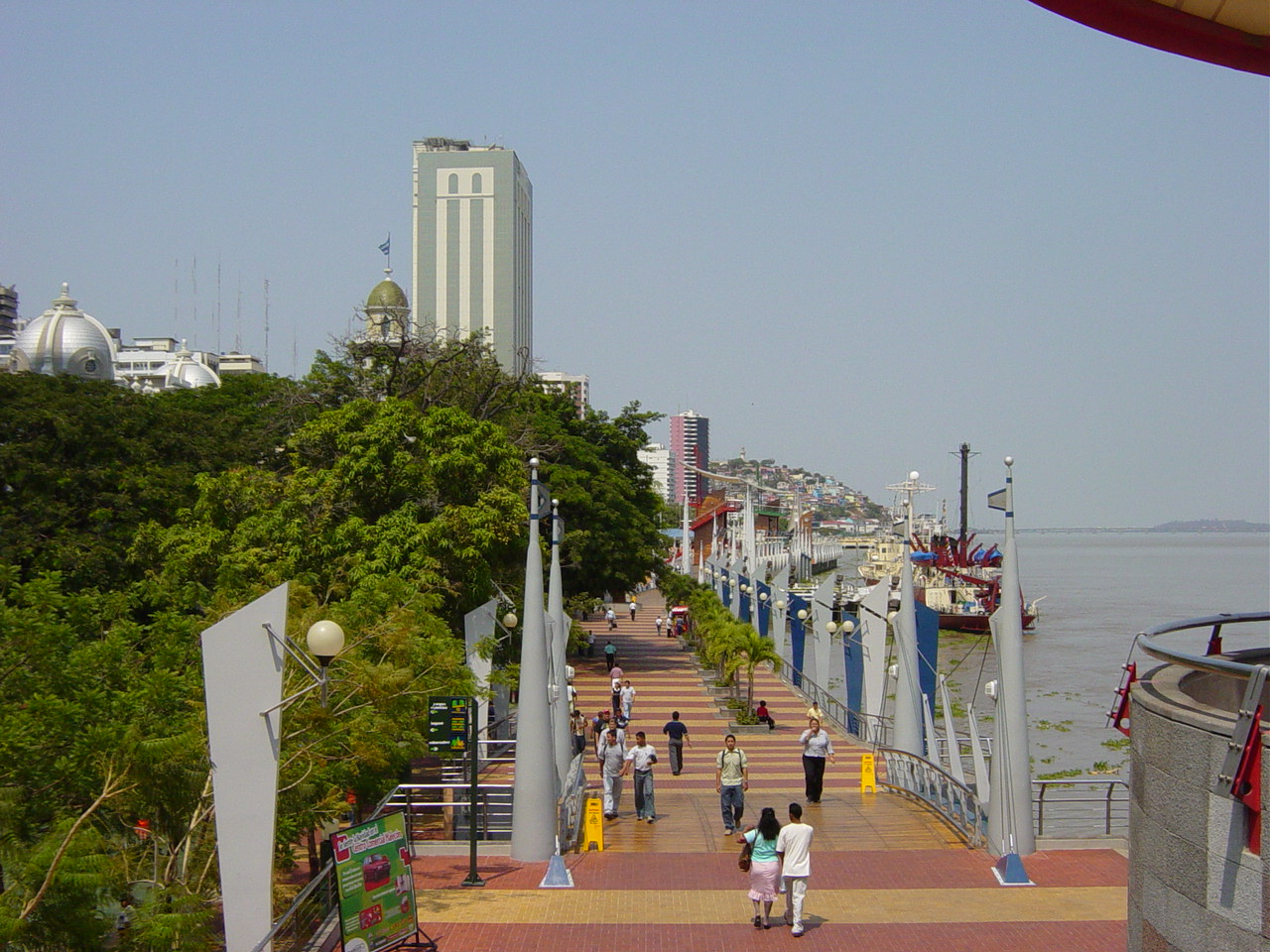
  • Malecón 2000: Stroll along this iconic riverside boardwalk, a masterpiece of urban design featuring lush gardens, high-end shopping, and the grand La Perla Ferris wheel.
  • Santa Ana Hill: Climb the famous 444 steps through a kaleidoscope of colorful houses to reach the lighthouse for a breathtaking 360-degree view of the city.
  • Las Peñas: Wander through the city’s oldest neighborhood, a bohemian sanctuary of cobblestone streets, art galleries, and centuries-old colonial architecture.
  • Parque Seminario: Step into a surreal oasis where prehistoric-looking land iguanas roam freely among the manicured lawns and neo-Gothic cathedral shadows.
  • Historical Park: Escape to this sanctuary of heritage and nature, where rescued wildlife and restored 19th-century mansions tell the story of the city’s golden age.

Whether you are savoring world-class chocolate or watching the sunset paint the river gold, Guayaquil promises a glamorous adventure that is as warm as its people.

GUAYAQUIL KEY INFO

Everything you need to hit the ground running.

WHEN TO VISIT

June to September for clear skies and outdoor sightseeing; December to April for warmer temperatures and whale watching from June to August.

HOW TO GET THERE

Fly into José Joaquín de Olmedo International Airport (GYE). It’s a taxi or private transfer to the city center (~10-15 min).

HOW TO GET AROUND

Metrovía! This bus rapid transit system is the most efficient and affordable way to navigate major landmarks. Use a Metrovía card for quick, easy access across the city.

IDEAL TRIP LENGTH

1-2 days for the city itself, but 3 days if you want to include a day trip to Isla Santay or Churute Mangroves.

What is Guayaquil Mainly Known For?

Guayaquil is famous for its land iguanas, which roam freely among visitors in the historic Parque Seminario. It’s also known for the Malecón 2000, a vibrant 1.5-mile riverside boardwalk featuring gardens and monuments. Beyond the sights, it’s known as the Pearl of the Pacific, serving as Ecuador’s energetic commercial heart and gateway to the Galápagos.

Is Guayaquil a Walkable City?

Mostly, but only in specific tourist zones. The Malecón 2000 and Santa Ana Hill offer beautiful, traffic-free pedestrian paths where I loved soaking in the river breeze.

Is it safe to walk in Guayaquil at night? Generally, it’s safe within well-lit, guarded tourist areas like Las Peñas. I felt at ease there, though I always suggest staying alert and using standard common sense.

What Is the Best Neighborhood to Walk Around?

Las Peñas is the winner, a fabled historic center nestled at the foot of Santa Ana Hill. Its winding cobblestone streets are a tapestry of vibrant, candy-colored facades and colonial architecture overlooking the Guayas River. For something completely different, walk over to Puerto Santa Ana, a modern riverside district filled with sleek skyscrapers, high-end eateries, and a sophisticated urban pulse that defines Guayaquil’s contemporary growth.

What Are the Best Things to Do in Guayaquil? (For Your First Visit)

I visited Guayaquil without a strict day-by-day plan. I wanted to take my time, enjoy the tropical energy and maritime charm, and see where the streets took me. I wrote down a few highlights and hit the ground running. Here are the spots I definitely recommend checking out:

Malecón 2000

Experience Guayaquil’s pulse on this 1.5-mile riverside boardwalk. Vibe with gardens, the Moorish Clock Tower, and La Perla Ferris wheel. Price: Free. Pro tip: Visit at sunset for golden river views and a safer, livelier atmosphere. Check availability and explore popular experiences.
Malecón 2000
Credit: Wikimedia Commons

Santa Ana Hill

Climb 444 numbered steps through this vibrant, hilltop neighborhood. Discover colorful colonial houses, a blue-and-white lighthouse, and 360-degree city views. Price: Free. Pro tip: Visit at sunset for a moody glow and to dodge the midday heat. Check availability and explore popular experiences.

Santa Ana Hill Guayaquil

Credit: Wikimedia Commons

Las Peñas

Step into Guayaquil’s oldest, most bohemian soul. Wander cobblestone streets lined with colorful colonial houses and art galleries. Highlights: Numa Pompilio Llona and the 444 stairs. Price: Free. Pro tip: Visit at night for a vibrant bar scene. Check availability and explore popular experiences.

Las Peñas
Credit: Wikimedia Commons

Parque Seminario

Vibe with Guayaquil’s famous land iguanas in this quirky urban oasis. Marvel at the cathedral views and friendly reptiles. Price: Free. Pro tip: Bring some mango or lettuce to become the iguanas’ new best friend. Check availability and explore popular experiences.

Parque Seminario
Credit: Wikimedia Commons

Guayaquil Metropolitan Cathedral

Vibe with neo-Gothic grandeur at this iconic city centerpiece. Highlights: twin needle-spires and 126 vibrant stained-glass windows. Price: Free. Pro tip: Visit at sunset for a golden glow and to see the famous neighboring iguanas in the park. Check availability and explore popular experiences.

Guayaquil Metropolitan Cathedral
Credit: Wikimedia Commons

Guayaquil Historical Park

Experience a tranquil blend of nature and heritage. Wander through mangroves, spot sloths, and explore restored 19th-century mansions. Highlights: Monkey Island and the Cocoa House. Price: Free. Pro tip: Visit on weekdays to avoid the heavy weekend crowds. Check availability and explore popular experiences.

Guayaquil Historical Park
Credit: Wikimedia Commons

Hemiciclo de la Rotonda

Vibe with history at this iconic riverfront landmark. Marvel at the bronze statues of Bolívar and San Martín framed by soaring columns and national flags. Price: Free. Pro tip: Visit at night when the monument is beautifully illuminated. Check availability and explore popular experiences.

Hemiciclo de la Rotonda
Credit: Wikimedia Commons

El Faro de Guayaquil

Climb 444 steps to this iconic blue-and-white beacon for 360-degree city views. Vibe with the neighboring chapel and naval museum. Price: Free. Pro tip: Visit at sunset for a golden glow and cooler temperatures. Check availability and explore popular experiences.

El Faro de Guayaquil
Credit: Wikimedia Commons / Paulakindsvater

Palacio Municipal

Vibe with neoclassical grandeur at this historic city hall. Admire the ornate facade and grand ironwork near the Zocalo. Price: Free. Pro tip: Visit at night when the building is beautifully illuminated for the best photos. Check availability and explore popular experiences.

Palacio Municipal
Credit: Wikimedia Commons

Clock Tower

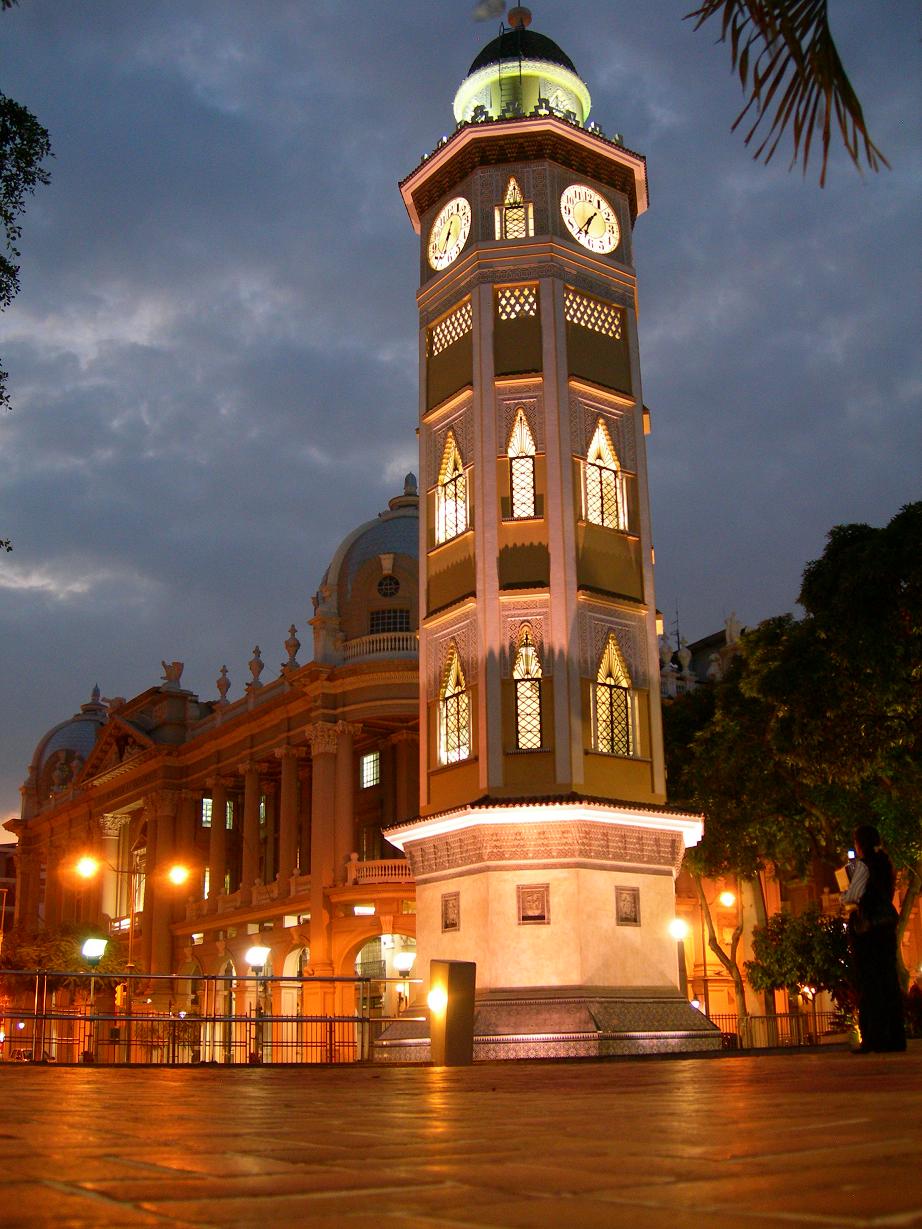
Vibe with Moorish-Byzantine style at this iconic riverside beacon. Highlights: the ornate dome and the historic London-made clock. Price: Free. Pro tip: Climb to the top for a stunning perspective of the Malecón and Guayas River. Check availability and explore popular experiences.
Clock Tower
Credit: Wikimedia Commons

Must-Do Activities in Guayaquil

To really get the most out of your trip, I recommend checking out these experiences:

No products were found!

What Part of Guayaquil is Best for Tourists?

Stay in the Puerto Santa Ana or Malecón area. Everything will be within a 15-minute walk. If you want something a bit more local but still close, the Urdesa neighborhood is lovely—it features a vibrant dining scene with local restaurants and a relaxed, bohemian atmosphere.

What to Know Before Going to Guayaquil

  • Stick to Bottled: Tap water is generally not safe for travelers; stick to bottled or filtered water for drinking and brushing.
  • Limited English: Spanish is the primary language; English is spoken at major hotels but limited among the general public.
  • No Specific City Card: Guayaquil lacks a dedicated tourist pass; most attractions are free, making individual entry very affordable.
  • Sunday Closures: Many small shops close, but large malls and major tourist areas like Malecón 2000 remain open and busy.
  • Tipping Etiquette: A 10% service charge is often included; otherwise, tipping 5-10% or rounding up is appreciated for good service.

How Many Days Do I Need in Guayaquil?

3 days is the ideal duration for first-time visitors to balance historic charm, riverside modernism, and tropical wildlife.

  • Day 1: Malecón 2000, Hemiciclo de la Rotonda, Santa Ana Hill, El Faro de Guayaquil, Guayaquil Metropolitan Cathedral.
  • Day 2: Parque Seminario, Las Peñas, Guayaquil Historical Park, Museum of Anthropology and Contemporary Art, Palacio Municipal.
  • Day 3: Take a scenic day trip to the Churute Mangroves Ecological Reserve or explore the Cocoa Route.

Suggested daily budget – 92-147 EUR / 100-160 USD (Note: This covers mid-range 3 or 4-star hotels, dining at local restaurants, and occasional taxis or museum entries. You can go cheaper if you eat at “almuerzo” set lunch spots and visit free attractions like Malecón 2000).

MONEY SAVING TIPS

  1. Master the Almuerzo: Look for local eateries offering an Almuerzo (lunch special) for $2.50–$5.00, which typically includes a soup like Encebollado, a main dish with rice, and a drink.
  2. Tip-Based Trekking: Join a Free Walking Tour Guayaquil meeting at Centenario Plaza (Av. 9 de Octubre and Av. Lorenzo de Garaycoa) at 10:00 AM or 3:00 PM to see the historic center and Las Peñas on a pay-what-you-wish basis.
  3. Ride the Metrovía: Skip pricey taxis and use the Metrovía bus system for just $0.35 per ride; it’s the most efficient way to navigate the city’s main corridors and the waterfront.
  4. Sunset at the Malecón: Avoid expensive rooftop bars by grabbing a $1.50 Club Premium beer from a local tienda and heading to the Malecón 2000 or the gardens at the foot of Santa Ana Hill for a scenic riverside vibe.

What’s the Best Month to Visit Guayaquil?

May and June are the sweet spots for visiting Guayaquil. During these months, you will enjoy lower humidity and clearer skies as the rainy season ends, making it perfect for exploring the Malecón and Santa Ana Hill. However, December is a festive alternative, offering vibrant Christmas lights, holiday markets, and lively New Year’s Eve celebrations along the riverfront.

How to Get to Guayaquil

Most international travelers fly into José Joaquín de Olmedo International Airport (GYE). Key direct connections include Miami, New York, Madrid, Panama City, and Bogotá.

  • From the airport: The city center is a 15-minute journey. Taxis are the most common transfer, typically costing between $5 and $10.
  • By Train: While regular passenger rail is limited, the scenic Tren Crucero connects Guayaquil to Quito, offering a multi-day luxury journey through the Andes. Regional travel is primarily served by extensive intercity bus networks from the main terminal.

How to Get Around Guayaquil

Use Uber and the Metrovía – they are the safest and most efficient ways to navigate.

  • Car Rental: Not recommended due to heavy traffic and safety concerns. Use DiscoverCars only if planning excursions to the coastal regions.
  • Walking: Good for the Malecón and Las Peñas, but not practical for the whole city due to heat and safety.
  • Uber/Bolt: Uber is widely available, highly recommended for safety, and generally preferred over street taxis.
  • Tours: Great for hassle-free visits to the Historical Park or organized day trips.

Tips for first-timers: Avoid hailing street taxis—Express kidnappings and scams are a significant risk for unaware tourists. Use reputable ride-hailing apps like Uber or Cabify, or have your hotel book a licensed, registered taxi for a much safer journey!

Guayaquil is the kind of place that steals your heart. It is a vibrant tapestry where the rhythmic pulse of the Guayas River meets the kaleidoscopic charm of Las Peñas and the tranquil whispers of ancient mangroves. As you leave its sun-drenched boardwalks and historic hills, it leaves you with a renewed sense of wonder.

Note: This article contains affiliate links. If you purchase something I’ve recommended, I’ll earn a small commission at no extra cost to you. I really appreciate your support and I hope this guide helps you ♡

post a comment