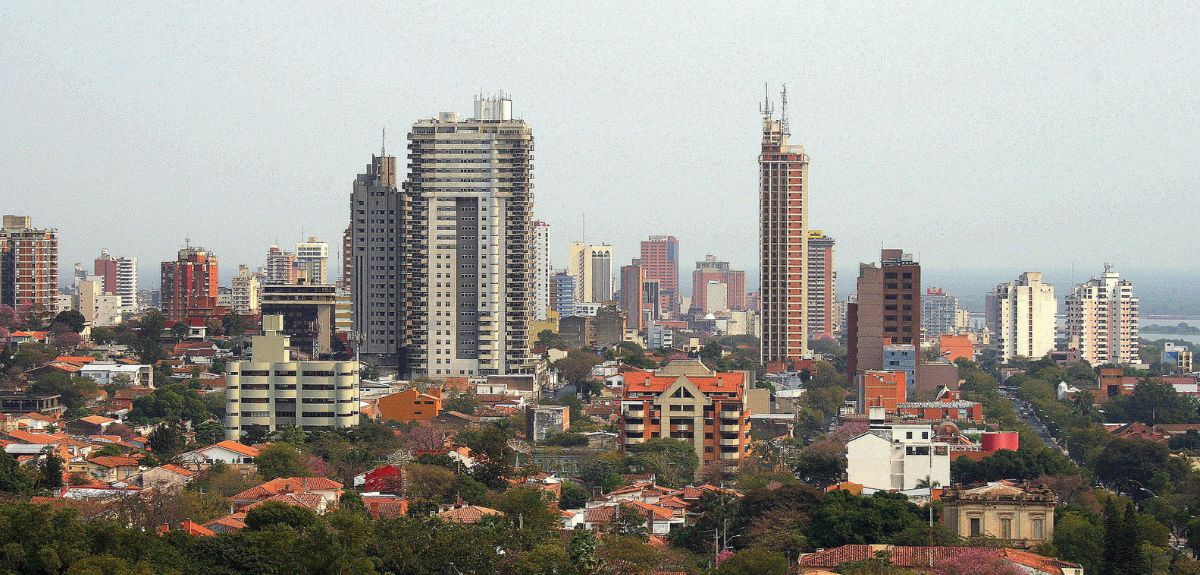


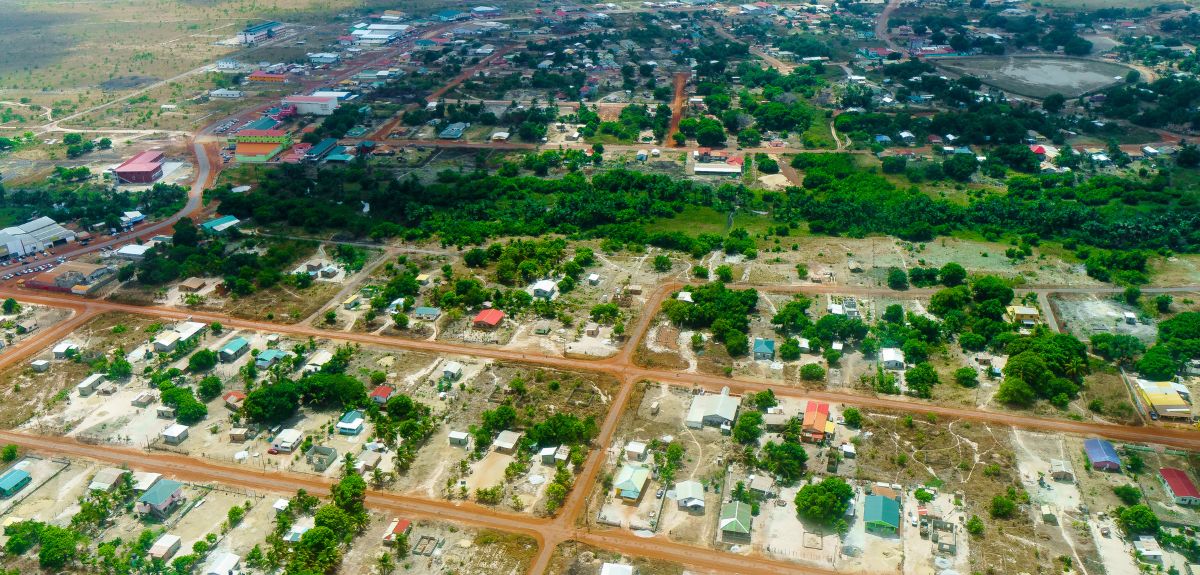
Lethem is a place where the untamed spirit of the Rupununi meets the horizon in a breathtaking dance of golden savannahs and ancient peaks. As the sun dips below the Kanuku Mountains, this vibrant border town transforms into a gateway of adventure, where the dusty red roads lead to hidden waterfalls and the air hums with the legacy of the legendary vaqueros.
Why Visit Lethem?
Beyond its rugged exterior, Lethem offers a unique blend of frontier charm and natural wonders that capture the essence of Guyana’s wild heart. Here is why this savannah sanctuary belongs on your travel itinerary:
- Rupununi Rodeo: Witness the high-octane energy of Easter weekend, where the region’s cowboy culture takes center stage in a thrilling display of skill and tradition.
- Kumu Falls: Escape to the base of the Kanuku Mountains to find crystal-clear waters cascading over ancient rocks, providing the perfect natural spa under the tropical sun.
- Takutu River Bridge: Marvel at this modern engineering feat that links Guyana to Brazil, offering a symbolic bridge between cultures and a stunning view of the river below.
- Kanuku Mountains: Hike into one of Guyana’s most biodiverse regions, where the mist-covered peaks serve as a majestic backdrop and a haven for rare wildlife.
- St. Ignatius Village: Immerse yourself in the local heritage of this nearby Indigenous community, where traditional craftsmanship and a peaceful pace of life offer a soulful connection to the land.
Whether you are chasing the thrill of the rodeo or the serenity of the savannah, Lethem promises a raw and beautiful escape that will leave an indelible mark on your soul.
LETHEM KEY INFO
Everything you need to hit the ground running.
WHEN TO VISIT
September to April for dry weather and wildlife viewing; March/Easter for the Rupununi Rodeo and vibrant cowboy culture.
HOW TO GET THERE
Fly into Lethem Airport (LTM). It’s a short taxi ride to the city center (~5-10 min).
HOW TO GET AROUND
Walk! The town center is compact and best explored on foot. For nearby villages or longer trips, use shared minibuses or the BookARide app to find a private driver.
IDEAL TRIP LENGTH
1-2 days for the city itself, but 7 days if you want to include an expedition to the South Rupununi savannah and cattle ranches.
What is Lethem Mainly Known For?
Lethem is famous for the annual Rupununi Rodeo, a high-octane Easter event showcasing the region’s deep-rooted cowboy culture. It’s also known for the Takutu River Bridge, a vital five-million-dollar link connecting Guyana to Brazil. Beyond the sights, it’s known as the Gateway to the Savannah, where a dusty, vibrant border-town atmosphere meets the wild Rupununi.
Is Lethem a Walkable City?
Mostly, but in short bursts. Lethem’s center is compact and walkable during cooler hours, letting you enjoy the quiet frontier vibe without heavy traffic. However, the town is spread out, and the midday heat can be intense.
Is it safe to walk in Lethem at night? Generally yes. It is much calmer than Georgetown, and I felt at ease, though I always recommend using standard common sense.
What Is the Best Neighborhood to Walk Around?
Central Lethem is the winner, a bustling hub nestled along the Takutu River. Its lively streets are a tapestry of vibrant markets and commercial energy, reflecting a unique border-town charm against the backdrop of the Kanuku Mountains. For something completely different, walk over to Tabatinga, a tranquil riverside district known for its peaceful, laid-back atmosphere and scenic views of the water.
What Are the Best Things to Do in Lethem? (For Your First Visit)
I visited Lethem without a strict day-by-day plan. I wanted to take my time, enjoy the laid-back frontier atmosphere and rugged savannah charm, and see where the streets took me. I wrote down a few highlights and hit the ground running. Here are the spots I definitely recommend checking out:
Kumu Falls
Escape to this Kanuku Mountain gem for crystal-clear cascades and natural rock pools. It’s the ultimate jungle spa vibe. Entry is roughly $5. Pro tip: Visit during the rainy season for the most dramatic, powerful water flow. Check availability and explore popular experiences.

Moco Moco Falls
Chasing “Sky Valley” vibes at this Kanuku Mountain treasure. Tackle the 999-step climb for epic savannah views and a refreshing lagoon dip. Price: ~$30 for tours. Pro tip: Visit during the rainy season for the most thunderous flow. Check availability and explore popular experiences.

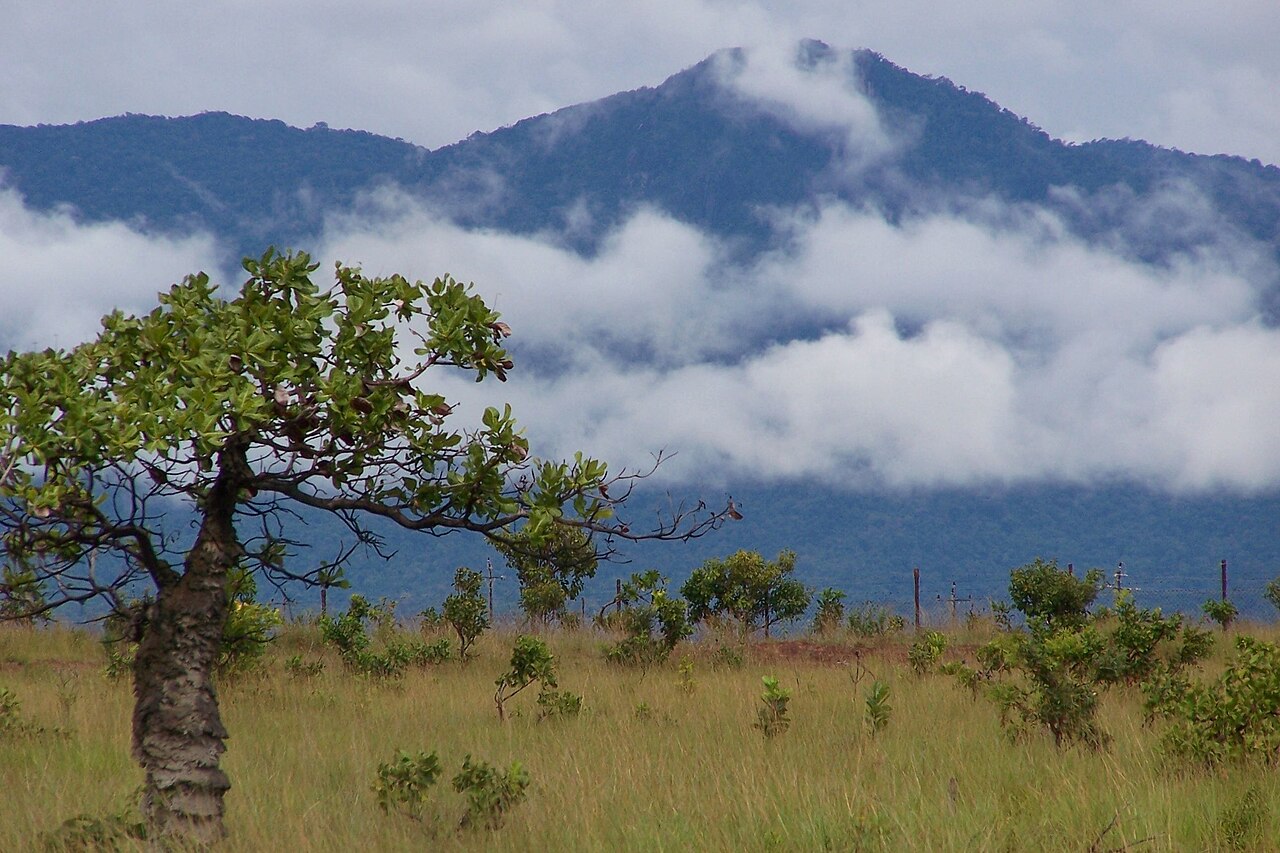
Kanuku Mountains
Untamed jungle meets ancient peaks in this biodiversity hotspot. Trek to Schomburgk Peak for epic savannah sunrises and spot rare Harpy Eagles. Tours: ~$900. Pro tip: Pack a water filter; remote streams are your only hydration source. Check availability and explore popular experiences.
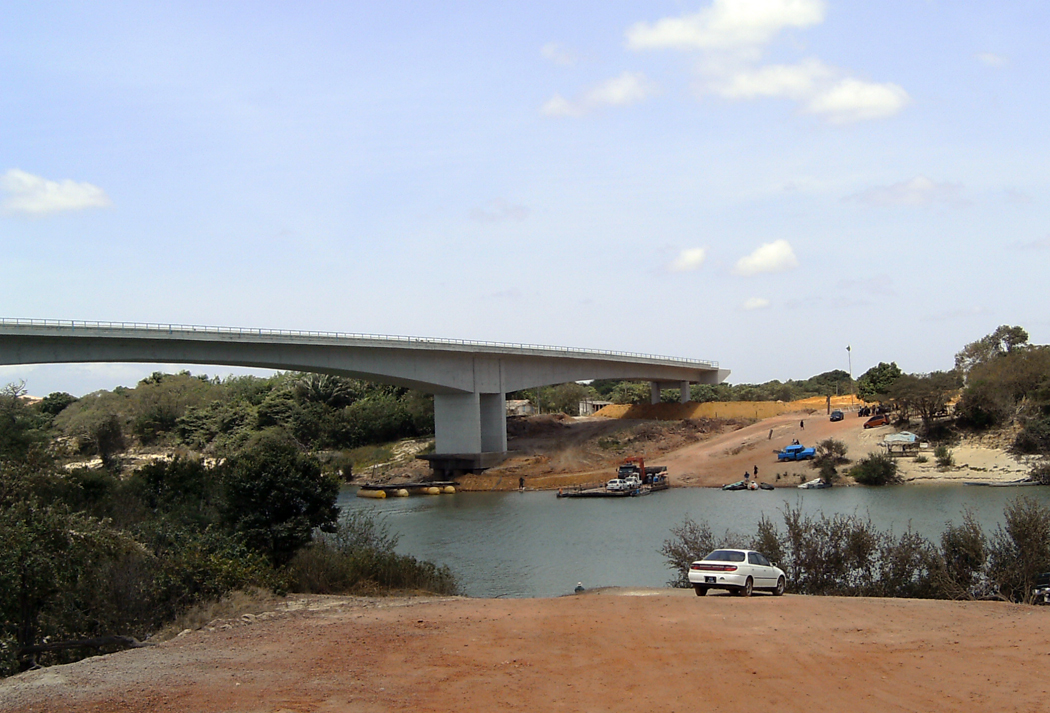
Takutu River Bridge
A cool cross-border link between Guyana and Brazil. Marvel at the unique lane-swapping engineering and river views. Price: Free. Pro tip: Walk across at sunset for the best photos and a nice breeze. Check availability and explore popular experiences.
St. Ignatius Village
Immerse yourself in Rupununi’s soulful heart. This Indigenous community offers a chill, authentic vibe with traditional craft and riverside peace. Price: Free. Pro tip: Visit the village benab for a local experience away from the town’s hustle. Check availability and explore popular experiences.
Credit: Wikimedia Commons
Rupununi Savannah
Golden horizons meet wild adventure. Spot giant anteaters and jaguars across this vast, sun-drenched landscape. Price: Free (tours vary). Pro tip: Visit during the dry season for the best wildlife sightings and epic golden hour photography. Check availability and explore popular experiences.

Lethem Rodeo Ground
Experience the pulse of the Rupununi at this legendary arena. Watch vaqueros tackle wild broncos in a high-octane display of cowboy grit. Entry: ~$15. Pro tip: Arrive early on Easter weekend to snag a shaded seat near the action. Check availability and explore popular experiences.

Schomburgk’s Peak
Conquer the Kanuku’s highest point for a legendary cloud-forest experience. Trek through biodiverse jungle to catch cinematic savannah sunrises and spot rare Cock-of-the-rock birds. Price: ~$150 (guided trek). Pro tip: Bring a headlamp for the pre-dawn summit push. Check availability and explore popular experiences.

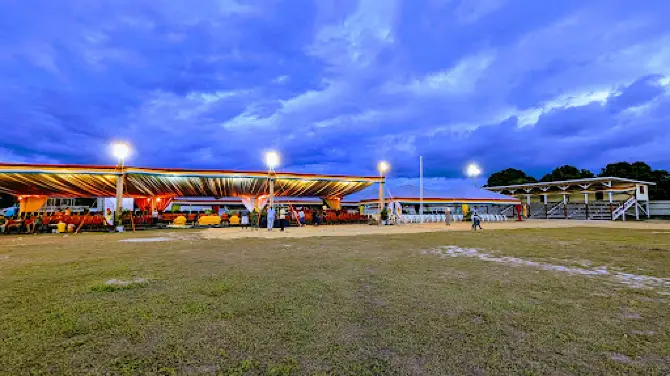
Tabatinga Sports Complex
Where Lethem’s energy meets the field. This local hub is perfect for catching community football matches and sunset vibes. Price: Free. Pro tip: Visit during weekend evenings to mingle with locals and enjoy the cooler breeze. Check availability and explore popular experiences.
Ariwa Beach
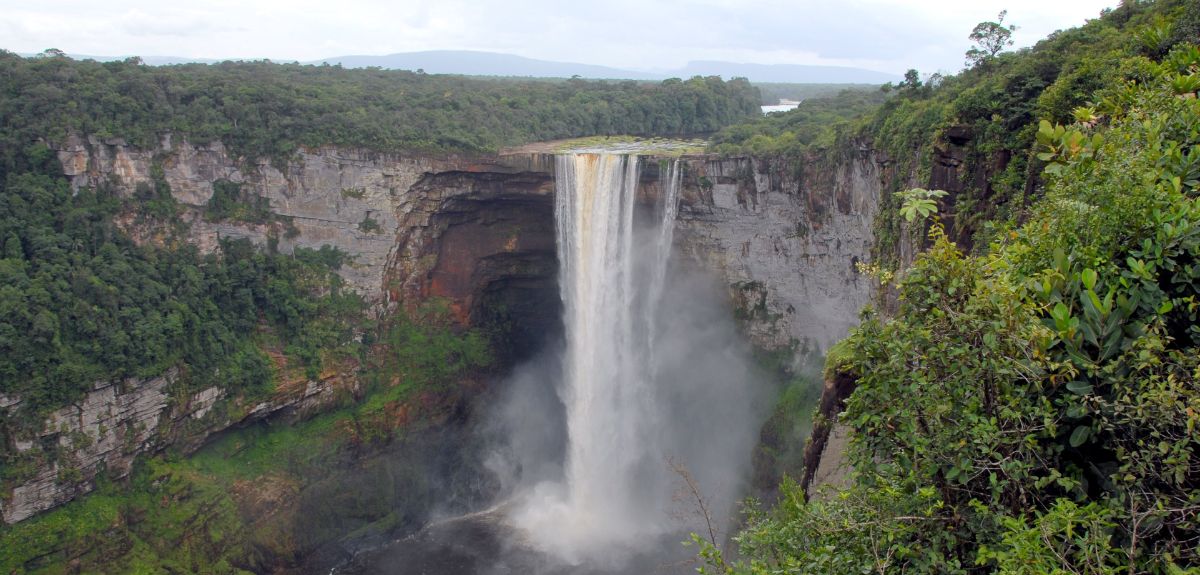
The ultimate riverside hangout where Guyana meets Brazil. Chill on sandy riverbeds, kayak the Takutu, or enjoy a sunset Caipirinha. Price: Free entry. Pro tip: Visit during the dry season for the best beach vibes and local “lime.” Check availability and explore popular experiences.

Must-Do Activities in Lethem
To really get the most out of your trip, I recommend checking out these experiences:
No products were found!
What Part of Lethem is Best for Tourists?
Stay in Central Lethem. Everything will be within a 10-minute walk. If you want something a bit more local but still close, the Tabatinga district is lovely—it offers a tranquil, peaceful riverside vibe with a unique mix of Brazilian and Guyanese influences.
What to Know Before Going to Lethem
- Stick to Bottled: Refrain from drinking tap water; it is best to stick to bottled or properly treated water for safety.
- English is Official: As the official language, English is widely spoken, though you will also hear Portuguese and Guyanese Creole.
- No Local Tourist Card: There is no official Lethem tourist pass; instead, book individual tours through local operators or lodges.
- Sunday Closures: Many shops and businesses close or have reduced hours on Sundays; plan your supplies and errands accordingly.
- Tipping Etiquette: Tipping around 10% for guides and drivers is customary for good service, as service charges are rarely included.
How Many Days Do I Need in Lethem?
3 days is the ideal duration for first-time visitors to experience the rugged frontier charm and natural wonders of the Rupununi savannah.
- Day 1: Takutu River Bridge, St. Ignatius Village, Central Lethem Markets, Kanuku Mountains.
- Day 2: Kumu Falls, Moco Moco Falls, Tabatinga Sports Complex, Rupununi Rodeo Ground.
- Day 3: Take a scenic day trip into the South Rupununi savannah to visit a traditional cattle ranch.
Suggested daily budget – 75-140 EUR / 80-150 USD (Note: This covers mid-range guesthouses or hotels with air conditioning, dining at a mix of local and casual restaurants, and taxis or shared minibuses for local trips. You can go cheaper if you eat at market stalls and explore the compact town center on foot.)
MONEY SAVING TIPS
- Savor the Prato do Dia: Take advantage of Lethem’s border location by visiting local Brazilian-influenced eateries for a Prato do Dia (Plate of the Day), typically featuring generous portions of rice, beans, and meat for around $1,000–$1,500 GYD.
- Explore the Frontier for Free: While organized excursions are pricey, you can enjoy a self-guided cultural tour by visiting the Takutu River Bridge and the One Guyana Monument for free, or check out the St. Ignatius Village craft shops to see Indigenous artisans at work without an entry fee.
- BookARide for Better Value: Skip the expensive private hires and use the BookARide app to find local drivers or hop on a shared minibus (Zone 9) for a few hundred Guyana dollars to reach nearby spots like St. Ignatius or the airport.
- Sunset at Tabatinga Creek: Avoid pricey hotel bars and grab a cold Banks beer or a soft drink from a local grocery store to enjoy a peaceful riverside picnic at Tabatinga Creek, where you can watch the sunset over the water with the Kanuku Mountains in the background.
What’s the Best Month to Visit Lethem?
September and October are the sweet spots for visiting Lethem. During these months, you will enjoy mild weather and fewer crowds, perfect for wildlife viewing and exploring the Rupununi savannah. However, March is a magical alternative, as the city transforms with the high-octane energy and vibrant cowboy culture of the annual Rupununi Rodeo.
How to Get to Lethem
Most international travelers fly into Lethem Airport (LTM). Key direct connections include flights from Georgetown’s Ogle Airport (EFC) and Cheddi Jagan International (GEO), which serves as a hub for travelers from the US, UK, and Caribbean.
- From the airport: The city center is a 5–10 minute taxi ride costing approximately $500–$1,000 GYD.
- By Train: There are no rail services to Lethem. Most regional travel is via the unpaved road from Georgetown or the Takutu River Bridge connecting to Boa Vista, Brazil.
How to Get Around Lethem
Stick to walking and local taxis – it is the most practical way to navigate.
- Car Rental: Not recommended for the town center. Use DiscoverCars only if planning a self-drive expedition into the rugged Rupununi savannah.
- Walking: Excellent for the compact town center during cooler hours; however, the heat makes it difficult for longer distances.
- Uber/Bolt: Not available. Use the BookARide app to find local private drivers.
- Tours: Essential for reaching remote attractions like Kumu Falls or the Kanuku Mountains safely.
Tips for first-timers: Avoid walking long distances at midday—The intense equatorial heat and lack of shade in the spread-out town can be draining. Explore during the cooler morning hours or use a private driver for a more comfortable experience!
Lethem is the kind of place that steals your heart. It is a rugged symphony of sun-drenched savannahs, ancient mountain peaks, and a vibrant frontier spirit that pulses through its dusty red roads. This gateway to the Rupununi invites you to embrace the wild, leaving you with a renewed sense of adventure and a deep connection to the land.
Note: This article contains affiliate links. If you purchase something I’ve recommended, I’ll earn a small commission at no extra cost to you. I really appreciate your support and I hope this guide helps you ♡