

Get Inspired

Itineraries

Travel Guides

About Me

Top
  >  Peru   >  Best Places to Visit in Puno (Lake Titicaca)
best places to visit in puno

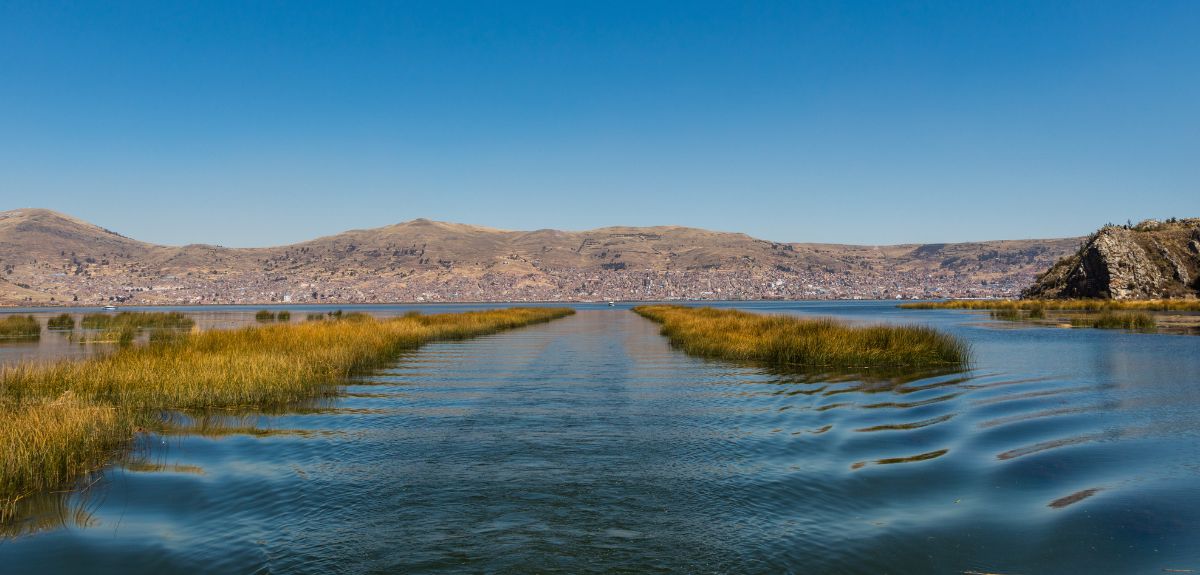
High above the world, where the Andean sky meets the deep sapphire waters of the Altiplano, Lake Titicaca (Puno) unfolds as a realm of mystical beauty and ancient whispers. It is a place where the air is thin and crisp, and the sunlight dances upon a landscape that feels like a shimmering bridge between the earthly and the divine.

Why Visit Lake Titicaca (Puno)?

Beyond its reputation as the highest navigable lake on Earth, this sacred body of water is a living museum of indigenous heritage, offering a glamorous escape into a world of vibrant textiles, floating islands, and timeless traditions.

  • Uros Floating Islands: Marvel at the sheer ingenuity of man-made islands crafted entirely from totora reeds, where the golden soil underfoot yields to the gentle rhythm of the lake.
  • Taquile Island: Ascend the stone stairways of this UNESCO-recognized island to discover a community of master weavers whose intricate textiles are as legendary as the panoramic views of the lake.
  • Sillustani: Wander among the majestic chullpas, ancient stone funerary towers that stand as silent guardians over the serene waters of Lake Umayo, silhouetted against the crimson sunset.
  • Puno Cathedral: Admire the exquisite mestizo-baroque architecture of the city’s spiritual heart, where delicate stone carvings tell the story of a culture reborn through the fusion of two worlds.
  • Amantani Island: Experience the soul of the Andes with an overnight stay, where the warmth of local hospitality is matched only by the brilliance of the starlit sky above the Pachatata and Pachamama peaks.

Whether you are chasing the golden light of the altiplano or seeking a connection to a civilization that predates the Incas, Lake Titicaca promises an enchanting journey that will stay with you forever.

PUNO KEY INFO

Everything you need to hit the ground running.

WHEN TO VISIT

May to September for dry, sunny weather and boat tours; February for the vibrant Candelaria Festival and lush, green landscapes.

HOW TO GET THERE

Fly into Inca Manco Capac International Airport (JUL). It’s a shared or private transfer to the city center (~1 hour).

HOW TO GET AROUND

Walk! Puno’s center is highly compact and best explored on foot. For the islands, hop on a motorized boat from the main port using a Peru Hop pass.

IDEAL TRIP LENGTH

2-3 days for the city itself, but 4-5 days if you want to include an overnight homestay on Amantani Island or visit Copacabana and Isla del Sol.

What is Puno Mainly Known For?

Lake Titicaca (Puno) is famous for its Uros Floating Islands, man-made reed structures where indigenous communities have lived for centuries. It’s also known for the Sillustani chullpas, ancient stone burial towers overlooking Lake Umayo. Beyond the myths, it’s known as the highest navigable lake in the world, sitting at a breathtaking 3,812 meters above sea level.

Is Puno a Walkable City?

Mostly, but specifically in the center. Puno’s core is compact with pedestrianized streets like Jirón Lima, where I loved soaking in the local vibe without traffic noise.

Is it safe to walk in Lake Titicaca (Puno) at night? Generally yes, especially in well-lit tourist areas. I felt at ease wandering near the main square, though it’s always wise to use standard traveler’s common sense.

What Is the Best Neighborhood to Walk Around?

Plaza de Armas is the winner, a historic core nestled beneath the Huajsapata Hill. Its bustling pedestrian streets are a tapestry of red-tiled roofs and grand colonial stone facades near the lake’s edge. For something completely different, walk over to the Uros Floating Islands, a bohemian district of totora reeds and vibrant handicraft markets that defines Puno’s unique cultural pulse.

What Are the Best Things to Do in Puno? (For Your First Visit)

I visited Lake Titicaca without a strict day-by-day plan. I wanted to take my time, enjoy the mystical Andean traditions and serene high-altitude vibe, and see where the streets took me. I wrote down a few highlights and hit the ground running. Here are the spots I definitely recommend checking out:

Uros Floating Islands

Explore these surreal man-made reed islands. Experience a unique way of life, vibrant local crafts, and reed boat rides. Entry is ~S/10. Pro tip: Stay overnight with a local family for an authentic, starlit Andean experience. Check availability and explore popular experiences.

Uros Floating Islands
Credit: Wikimedia Commons / Benedict Adam

Taquile Island

Experience UNESCO-recognized textile magic on this tranquil island. Hike ancient Inca terraces for epic lake vistas and watch men knit world-class hats. Entry: ~S/10. Pro tip: Visit the main square’s cooperative shop for authentic, high-quality handwoven souvenirs. Check availability and explore popular experiences.

Taquile Island
Credit: Wikimedia Commons / Ingo Mehling

Amantani Island

Experience true Andean serenity on this car-free island. Hike to Pachatata for a golden sunset and enjoy a traditional family homestay. Entry: ~S/10. Pro tip: Bring a warm jacket; high-altitude nights get incredibly chilly after dark. Check availability and explore popular experiences.

Amantani Island
Credit: Wikimedia Commons / Sem autor

Sillustani

Explore mysterious pre-Inca burial towers on a peninsula overlooking Lake Umayo. Vibe: Ancient, mystical, and peaceful. Highlights: Huge stone chullpas and the “Lizard Tower.” Price: ~S/15. Pro tip: Visit at sunset for golden-hour views and fewer crowds. Check availability and explore popular experiences.

Sillustani
Credit: Wikimedia Commons

Puno Cathedral

Admire the stunning Andean Baroque facade of this 18th-century stone masterpiece. Highlights include the silver-plated altar and “Lord of the Bullet” painting. Entry: Free. Pro tip: Visit at sunset when the volcanic stone glows a warm reddish-gold. Check availability and explore popular experiences.

Puno Cathedral
Credit: Wikimedia Commons

Lake Titicaca

Sail the world’s highest navigable lake for mystical Andean vibes. Highlight: Deep blue waters and sacred island views. Price: Free to admire, boat tours vary (~S/30). Pro tip: Layer up; the Altiplano wind is no joke. Check availability and explore popular experiences.

Lake Titicaca
Credit: Wikimedia Commons / European Space Agency

Yavari Boat Museum

Step into history on this 1860s British gunship. Vibe: Industrial-chic meets Andean mystery. Highlights: The world’s oldest Bolinder engine and Victorian cabins. Price: ~S/5 donation. Pro tip: Book an overnight stay for the ultimate high-altitude B&B experience. Check availability and explore popular experiences.

Yavari Boat Museum
Credit: Wikimedia Commons / No machine-readable author provided. Ghiz~commonswiki assumed (based on copyright claims).

Mirador El Condor

Climb to this epic viewpoint for sweeping vistas of Puno and Lake Titicaca. Highlight: The massive metal condor statue. Price: Free. Pro tip: Visit at sunset for a golden glow over the Altiplano—just mind the high-altitude stairs! Check availability and explore popular experiences.

Mirador El Condor
Credit: Wikimedia Commons

Carlos Dreyer Museum

Explore Puno’s history in this artist’s former home. Highlights: the Sillustani gold treasure, ancient mummies, and vibrant Andean paintings. Price: 15 soles. Pro tip: Ask for the English guided tour—it’s often included and adds incredible context. Check availability and explore popular experiences.

Carlos Dreyer Museum
Credit: Wikimedia Commons

Isla del Sol

Step into Inca mythology on this serene, car-free island. Hike the ancient Willa Thaki trail to the Chincana ruins for mystical lake vistas. Entry: ~S/10. Pro tip: Stay overnight in Yumani to witness the Altiplano’s legendary starlit skies. Check availability and explore popular experiences.

Isla del Sol
Credit: Wikimedia Commons / Sem autor

What Part of Puno is Best for Tourists?

Stay in the Plaza de Armas. Everything will be within a 15-minute walk. If you want something a bit more local but still close, the Huajsapata Hill area is lovely—it offers a quieter vibe and sweeping panoramic views of the city and Lake Titicaca.

What to Know Before Going to Puno

  • Stick to Bottled: Tap water is not safe to drink; always use bottled or purified water, even for brushing teeth.
  • English is Limited: While tourism staff speak some English, knowing basic Spanish phrases is essential for communicating with most locals.
  • The Cusco Tourist Ticket: This essential pass covers 16 major sites in the region and is necessary for exploring nearby archaeological ruins.
  • Open on Sundays: Unlike other regions, many Puno supermarkets and tourist shops remain open on Sundays for your convenience.
  • Tipping is Appreciated: Tipping isn’t mandatory, but rounding up or leaving 10% in sit-down restaurants is common practice.

How Many Days Do I Need in Lake Titicaca (Puno)?

3 days is the ideal duration for first-time visitors to experience the highest navigable lake and its unique floating communities.

  • Day 1: Uros Floating Islands, Taquile Island, Puno Cathedral, Mirador El Condor, Yavari Boat Museum.
  • Day 2: Sillustani, Carlos Dreyer Museum, Plaza de Armas, Jirón Lima, Lake Umayo.
  • Day 3: Take a scenic boat trip to Amantani Island for an overnight homestay or visit Isla del Sol.

Suggested daily budget – 95-189 EUR / 100-200 USD (Note: This covers mid-range 3-star hotels or guesthouses, dining at standard sit-down restaurants, and guided group boat tours to the islands. You can go cheaper if you eat at local market stalls and stay in hostel dorms.)

MONEY SAVING TIPS

  1. Master the Menú del Día: Look for local eateries away from Jirón Lima that offer a Menú del Día (soup, main, and drink) for 10–15 PEN, or grab a fresh trout sandwich at the Mercado Central for under 8 PEN.
  2. Tip-Based Trekking: Join a Puno Free Walking Tour to see the Plaza de Armas and central markets; tours typically meet daily at the Plaza de Armas near the Cathedral and operate on a pay-what-you-wish basis.
  3. Ride Like a Local: Skip private taxis and use the “Colectivos” (shared minivans) for around 1–2 PEN to reach the port or nearby neighborhoods, or use the Peru Hop pass for the best value on long-distance and island boat connections.
  4. Sunset at Mirador El Condor: Skip the pricey rooftop bars and hike up the steps to Mirador El Condor with a store-bought Arequipeña beer to enjoy the best panoramic sunset views of Lake Titicaca for free.

What’s the Best Month to Visit Lake Titicaca (Puno)?

May and September are the sweet spots for visiting Lake Titicaca. During these months, you will enjoy dry, sunny days perfect for boat tours and exploring islands while avoiding the peak summer crowds. However, February is a magical alternative, as the city transforms with the vibrant Candelaria Festival and lush, green landscapes.

How to Get to Lake Titicaca (Puno)

Most international travelers fly into Inca Manco Capac International Airport (JUL). Direct flights arrive from major Peruvian hubs like Lima and Cusco; travelers from the US or Europe typically connect through Lima.

  • From the airport: The journey to Puno city center takes approximately 1 hour. Shared shuttles cost around 20-25 PEN ($5-7 USD), while a private taxi typically costs between 80 and 100 PEN ($22-27 USD).
  • By Train: Puno Station offers scenic PeruRail connections from Cusco (10 hours) and Arequipa.

How to Get Around Lake Titicaca (Puno)

Walk and use boats – it is the absolute best way to navigate.

  • Car Rental: Not recommended. Puno’s streets are narrow and the best sights are on the water; use DiscoverCars only for regional Andean road trips.
  • Walking: Excellent and preferred for the compact city center and pedestrianized streets like Jirón Lima.
  • Uber/Bolt: Uber is available and reliable for quick point-to-point trips within the city.
  • Tours: Essential for visiting the floating islands and remote archeological sites like Sillustani without a car.

Tips for first-timers: Avoid overexerting yourself on day one—The high altitude can cause severe sickness and exhaustion. Take it slow, stay hydrated, and drink coca tea to help your body acclimate to the 3,812-meter elevation!

Lake Titicaca (Puno) is the kind of place that lingers in your memory. It is a mystical realm of deep sapphire waters and ancient whispers, where vibrant indigenous traditions and sacred reed islands thrive under the crisp Andean sun. As the golden light fades over the altiplano, it leaves you with a renewed sense of wonder.

Note: This article contains affiliate links. If you purchase something I’ve recommended, I’ll earn a small commission at no extra cost to you. I really appreciate your support and I hope this guide helps you ♡

post a comment