

Get Inspired

Itineraries

Travel Guides

About Me

Top
  >  Brazil   >  Best Places to Visit in Salvador
best places to visit in salvador

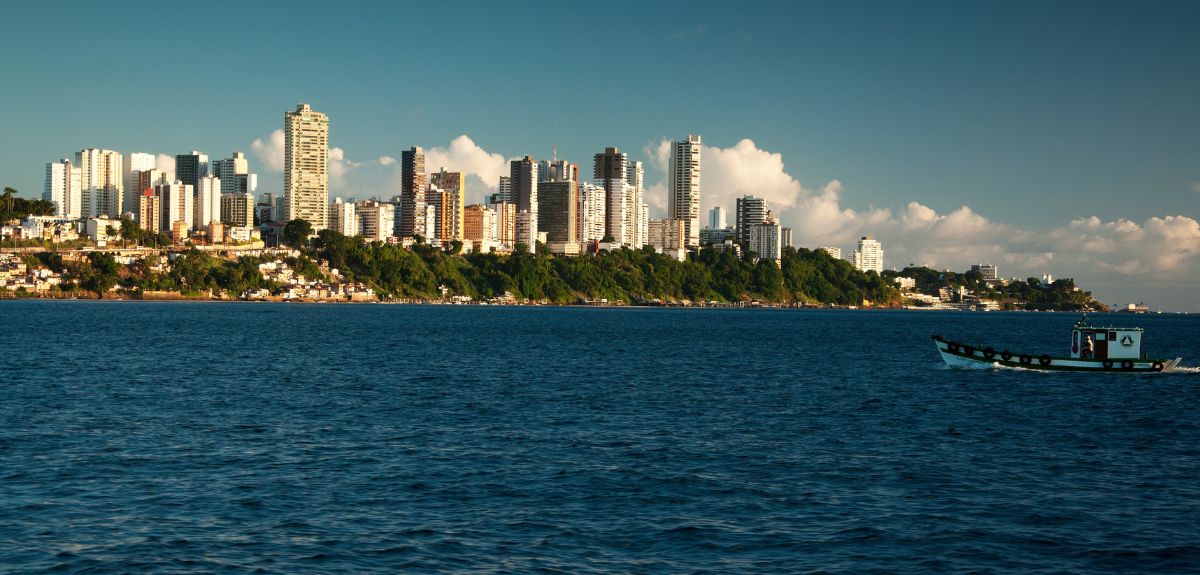
Steeped in a legacy of gold-drenched cathedrals and the rhythmic pulse of African drums, Salvador is a sensory masterpiece that dances to its own soulful beat. Perched dramatically above the sapphire waters of the Bay of All Saints, this Brazilian gem is a kaleidoscope of pastel-hued colonial architecture and sun-kissed energy that feels like a living, breathing celebration of life.

Why Visit Salvador?

Salvador is the spiritual and cultural heart of Brazil, offering an intoxicating blend of heritage and coastal glamour that captivates every traveler who wanders its historic streets.

  • Pelourinho: Lose yourself in the winding cobblestone alleys of this UNESCO World Heritage site, where vibrant facades and baroque splendor tell the story of a complex and captivating past.
  • Sao Francisco Church and Convent: Marvel at the jaw-dropping interior of this “Golden Church,” where nearly every surface is adorned with intricate gilded carvings and exquisite blue azulejo tiles.
  • Farol da Barra: Watch the sunset from this iconic 17th-century lighthouse, a maritime sentinel that guards one of the city’s most beautiful and lively urban beaches.
  • Lacerda Elevator: Experience a piece of Art Deco history as you glide between the Upper and Lower cities, treated to panoramic views of the bustling harbor and the Mercado Modelo.
  • Afro-Brazilian Culture: Immerse yourself in the local essence through the powerful rhythms of Olodum drummers and the graceful, acrobatic tradition of capoeira performed in the city squares.

Whether you are savoring the spice of local street food or twirling to the sounds of samba-reggae, Salvador promises a journey that is as glamorous as it is profoundly moving.

SALVADOR KEY INFO

Everything you need to hit the ground running.

WHEN TO VISIT

December to March for Carnival and beach weather; September to November for lower prices and fewer crowds.

HOW TO GET THERE

Fly into Salvador-Deputado Luís Eduardo Magalhães International Airport (SSA). It’s a taxi or ride-share to the city center (~30 min).

HOW TO GET AROUND

Uber! It is the most practical and comfortable way to hop between major tourist spots like Pelourinho and Barra. Use the Uber or 99 app for quick, affordable rides.

IDEAL TRIP LENGTH

3-4 days for the city itself, but 7 days if you want to include day trips to Morro de Sao Paulo or Praia do Forte.

What is Salvador Mainly Known For?

Salvador is famous for its vibrant Afro-Brazilian culture, where the rhythmic heartbeat of samba-reggae and capoeira defines the city’s soul. It’s also known for Pelourinho, a UNESCO-listed historic center filled with colorful colonial mansions and gold-drenched churches. Beyond the sights, it’s known as Brazil’s Capital of Happiness, famous for hosting the world’s largest street carnival.

Is Salvador a Walkable City?

Mostly, but only in specific hubs. The historic Pelourinho is a pedestrian dream with cobblestone charm and no traffic noise. However, the city is spread out and hilly, so you’ll need the Lacerda Elevator or Ubers between neighborhoods.

Is it safe to walk in Salvador at night? Generally, yes in well-lit, busy areas like Rio Vermelho. I felt at ease, but always use standard common sense and avoid deserted streets.

What Is the Best Neighborhood to Walk Around?

Pelourinho is the winner, a fabled historic center perched on a cliff overlooking the Bay of All Saints. Its winding cobblestone streets are a tapestry of pastel colonial facades and grand gold-drenched baroque churches. For something completely different, walk over to Rio Vermelho, a bohemian district filled with eclectic bars, legendary street food stalls, and a vibrant, artistic pulse that defines the city’s nightlife.

What Are the Best Things to Do in Salvador? (For Your First Visit)

I visited Salvador without a strict day-by-day plan. I wanted to take my time, enjoy the rhythmic energy and colonial charm, and see where the streets took me. I wrote down a few highlights and hit the ground running. Here are the spots I definitely recommend checking out:

Pelourinho

Experience Salvador’s percussive heartbeat in this UNESCO-listed colonial dream. Explore gold-drenched churches and pastel alleys alive with samba-reggae. Price: Free to wander. Pro tip: Visit Tuesday evenings for the electric Terça da Bênção street party and live drumming. Check availability and explore popular experiences.

Pelourinho
Credit: Wikimedia Commons

Lacerda Elevator

Ride this Art Deco icon for a 30-second dash between city levels. Catch epic bay views from the top. Price: R$0.15. Pro tip: Sunset at the upper exit is pure magic for photos of the harbor. Check availability and explore popular experiences.

Lacerda Elevator
Credit: Wikimedia Commons / Paul R. Burley

Mercado Modelo

Dive into Salvador’s soul at this vibrant bayside market. Score authentic handicrafts and spices across 250+ stalls. Price: Free entry. Pro tip: Head to the upstairs terrace for a cold beer and killer sunset views over the harbor. Check availability and explore popular experiences.

Mercado Modelo
Credit: Wikimedia Commons

Farol da Barra

Experience Salvador’s maritime soul at this 17th-century icon. Explore the Nautical Museum and climb the tower for epic bay views. Price: ~R$15. Pro tip: Grab a coconut and catch the city’s most legendary sunset from the grassy slope. Check availability and explore popular experiences.

Farol da Barra
Credit: Wikimedia Commons / Priscila Nobrega Cecilio

Church of Nosso Senhor do Bonfim

Feel the spiritual pulse of Salvador at this iconic hilltop church. Tie a colorful fita ribbon for good luck and explore the fascinating Room of Miracles. Price: Free. Pro tip: Visit on Thursday for the most authentic atmosphere. Check availability and explore popular experiences.

Church of Nosso Senhor do Bonfim
Credit: Wikimedia Commons

Sao Francisco Church and Convent

Step into a gold-drenched Baroque dream. This colonial masterpiece features jaw-dropping gilded carvings and intricate blue azulejo tiles. Price: R$20. Pro tip: Visit on Sunday morning for a mass service to see the interior glow in natural sunlight. Check availability and explore popular experiences.

Sao Francisco Church and Convent
Credit: Wikimedia Commons

Dique do Tororo

Experience Salvador’s spiritual oasis at this scenic lagoon. Marvel at the towering Orisha statues and enjoy the lush jogging trails. Price: Free. Pro tip: Visit at night to see the sculptures illuminated against the city lights. Check availability and explore popular experiences.

Dique do Tororo
Credit: Wikimedia Commons

Forte de Nossa Senhora de Monte Serrat

Step into this 16th-century hexagon fortress for the ultimate colonial vibe. Highlights: historic cannons and panoramic bay views. Price: Free. Pro tip: Arrive before dusk for Salvador’s most breathtaking, golden-hour sunset. Check availability and explore popular experiences.

Forte de Nossa Senhora de Monte Serrat
Credit: Wikimedia Commons

Museum of Modern Art of Bahia

Soak up contemporary cool at this 16th-century waterside manor. Explore the Sculpture Park and bold Brazilian masterpieces. Price: Free. Pro tip: Catch a Saturday sunset here, then stay for the legendary “JAM no MAM” outdoor jazz sessions. Check availability and explore popular experiences.

Museum of Modern Art of Bahia
Credit: Wikimedia Commons

Porto da Barra Beach

Soak up the gold-sand vibes at Salvador’s most iconic urban cove. Dive into calm, crystalline waters framed by historic forts. Price: Free. Pro tip: Arrive late afternoon for Brazil’s most legendary sunset and a chilled beachfront beer. Check availability and explore popular experiences.

Porto da Barra Beach
Credit: Wikimedia Commons / Paul R. Burley

What Part of Salvador is Best for Tourists?

Stay in the Pelourinho. Everything will be within a 15-minute walk. If you want something a bit more local but still close, the Rio Vermelho is lovely—it features a bohemian vibe, legendary nightlife, and the city’s best waterfront dining and beach bars.

What to Know Before Going to Salvador

  • Stick to Bottled: Tap water is generally not safe for drinking; stick to bottled or filtered water for safety.
  • Limited English Proficiency: English is not widely spoken; learning basic Portuguese phrases is highly recommended for easier communication.
  • The Salvador Card: The Salvador Card is mainly for public transport and offers limited value for typical tourist attraction entries.
  • Sunday Closures: Many shops and supermarkets close or have reduced hours on Sundays; plan your shopping accordingly.
  • Tipping Etiquette: A 10% service charge is usually included in restaurant bills; rounding up taxi fares is customary.

How Many Days Do I Need in Salvador?

3 days is the ideal duration for first-time visitors to balance Afro-Brazilian history, colonial architecture, and stunning coastal views.

  • Day 1: Pelourinho, Sao Francisco Church and Convent, Lacerda Elevator, Mercado Modelo, Farol da Barra.
  • Day 2: Church of Nosso Senhor do Bonfim, Dique do Tororo, Museum of Modern Art of Bahia, Rio Vermelho, Forte de Nossa Senhora de Monte Serrat.
  • Day 3: Take a scenic day trip to Praia do Forte or the Frades and Itaparica Islands.

Suggested daily budget – 75-115 EUR / 80-120 USD (Note: This covers mid-range hotels in areas like Barra or Rio Vermelho, dining at local sit-down restaurants, and using Ubers or the metro for transportation. You can go cheaper if you eat at self-service kilo restaurants and take advantage of the many free colonial sites in Pelourinho).

MONEY SAVING TIPS

  1. Savor the Street Snacks: Grab an Acarajé (a deep-fried bean flour ball filled with shrimp) for around R$10–R$15 from a local street stall like Acarajé da Dinha, or look for a Prato Feito (PF) for a filling, fixed-price lunch under R$25.
  2. Tip-Based Trekking: Join a Free Walking Tour meeting at Praça Castro Alves or Terreiro de Jesus to explore the historic Pelourinho district with a local guide on a pay-what-you-wish basis.
  3. Pedal the Coast: Use the Bike Salvador bike-share system for a cheap, scenic ride along the waterfront, or grab a Salvador Card for the most economical way to navigate the city’s bus and metro network.
  4. Sunset at the Lighthouse: Skip the pricey beachfront bars and grab a cold beer from a local supermarket to join the crowds on the grassy slopes of Farol da Barra for a legendary, free sunset view over the Atlantic.

What’s the Best Month to Visit Salvador?

September and October are the sweet spots for visiting Salvador. These months offer pleasant temperatures and lower humidity, allowing you to explore the colonial streets and beaches while avoiding peak summer heat and crowds. However, February is a vibrant alternative for its world-famous Carnival, filling the city with electric energy, music, and parades.

How to Get to Salvador

Most international travelers fly into Salvador-Deputado Luís Eduardo Magalhães International Airport (SSA). Direct flights connect from major hubs like Lisbon, Madrid, Buenos Aires, and Panama City.

  • From the airport: The city center is approximately 20-28 km away. A taxi or ride-share takes about 30-45 minutes costing R$60-R$100, while the metro and shuttle bus combination offers a cheaper alternative.
  • By Train: Salvador lacks intercity passenger rail. Travelers primarily use long-distance buses from the Terminal Rodoviário to reach cities like Recife, Fortaleza, or Rio de Janeiro.

/tp_widget]

How to Get Around Salvador

Use Uber and the Metro – it is the most efficient and safest way to navigate the city.

  • Car Rental: Not recommended due to heavy traffic and limited parking; use DiscoverCars only for day trips to remote beaches.
  • Walking: Excellent for exploring historic Pelourinho and the Barra waterfront, but use transport for longer distances.
  • Uber/Bolt: Uber is widely available, reliable, and the preferred choice for most travelers.
  • Tours: Great for hassle-free visits to distant landmarks like the Church of Bonfim.

Tips for first-timers: Avoid driving in the Pelourinho—Narrow, cobblestone streets are mostly pedestrian-only and parking is a nightmare. Use Uber or taxis for drop-offs near the historic center and explore the vibrant alleys comfortably on foot!

Salvador is the kind of place that steals your heart. It is a vibrant symphony of gold-drenched baroque churches, percussive rhythms, and a deep, soulful heritage that pulses through every pastel-colored alleyway. As you depart its sun-kissed shores and historic fortresses, it leaves you with a renewed sense of wonder and a profound connection to the rhythm of life.

Note: This article contains affiliate links. If you purchase something I’ve recommended, I’ll earn a small commission at no extra cost to you. I really appreciate your support and I hope this guide helps you ♡

post a comment