

Get Inspired

Itineraries

Travel Guides

About Me

Top
  >  Colombia   >  Best Places to Visit in Santa Marta (Tayrona National Park)
best places to visit in santa marta

Imagine a place where the snow-capped peaks of the Sierra Nevada meet the turquoise hem of the Caribbean Sea, and emerald jungles spill onto pristine white sands. Santa Marta is more than just a destination; it is a captivating portal to a mystical realm where ancient indigenous spirits and vibrant coastal energy coexist in a breathtaking dance of beauty and history.

Why Visit Santa Marta (Tayrona National Park)?

This coastal treasure offers a seductive blend of colonial elegance and raw, untamed wilderness that promises an escape unlike any other on earth.

  • Tayrona National Park: Wander through hidden bays and crystalline waters where the jungle meets the sea in a perfect, tropical embrace.
  • Ciudad Perdida: Challenge yourself with a legendary trek to the “Lost City,” an ancient archaeological wonder cradled deep within the mountain clouds.
  • Minca: Escape to the cooling mists of this hillside haven to sip organic coffee while watching toucans glide over lush waterfalls.
  • Catedral de Santa Marta: Admire the stately grandeur of Colombia’s oldest cathedral, a whitewashed icon reflecting the city’s deep historical soul.
  • Taganga: Soak in the bohemian atmosphere of this golden-hour fishing village, renowned for its electric sunsets and world-class diving spots.

From the rhythmic pulse of the Caribbean waves to the silent majesty of the peaks above, Santa Marta invites you to lose yourself in a story that stays with you long after the sun sets.

SANTA MARTA KEY INFO

Everything you need to hit the ground running.

WHEN TO VISIT

March to June for dry weather and smaller crowds; September to November for the lowest prices and tranquil beaches.

HOW TO GET THERE

Fly into Simón Bolívar International Airport (SMR). It’s a taxi to the city center (~30 min).

HOW TO GET AROUND

Bus! It is the most affordable way to reach the park and city highlights. Look for the blue Cootransoriente buses departing from the Mercado Público for a local experience.

IDEAL TRIP LENGTH

2-3 days for the city itself, but 5-7 days if you want to include Tayrona National Park, Minca, or the Ciudad Perdida trek.

What is Santa Marta Mainly Known For?

Santa Marta (Tayrona National Park) is famous for its mystical Ciudad Perdida, an ancient Tairona settlement hidden deep in the jungle. It’s also known for the Catedral de Santa Marta, Colombia’s oldest colonial-era church. Beyond the sights, it’s known as the Pearl of the Americas, where a vibrant coastal energy meets the sacred spirits of the Sierra Nevada.

Is Santa Marta a Walkable City?

Mostly, but primarily in the historic center. The heart of Santa Marta is wonderfully compact and pedestrian-friendly, allowing you to soak in the colonial charm and vibrant plazas without traffic noise.

Is it safe to walk in Santa Marta (Tayrona National Park) at night? Generally yes in well-lit, populated areas like Parque de los Novios. I felt at ease, though I’d recommend using standard common sense and taking taxis after late hours.

What Is the Best Neighborhood to Walk Around?

The Historic Center is the winner. Nestled between the Caribbean shore and the Sierra Nevada foothills, this area charms with colorful colonial facades and narrow, winding streets that lead to lively plazas. For something completely different, walk over to Taganga, a bohemian fishing village with a laid-back backpacker edge and rugged coastal views.

What Are the Best Things to Do in Santa Marta (Tayrona National Park)? (For Your First Visit)

I visited Santa Marta without a strict day-by-day plan. I wanted to take my time, enjoy the tropical jungle-fringed beaches and mystical coastal energy, and see where the streets took me. I wrote down a few highlights and hit the ground running. Here are the spots I definitely recommend checking out:

Tayrona National Park

Where the Sierra Nevada meets the Caribbean. Jungle-fringed beaches and turquoise bays offer pure tropical magic. Don’t miss Cabo San Juan or the Pueblito ruins. Entry: ~$20. Pro tip: Stay overnight in a hammock to experience the sunrise. Check availability and explore popular experiences.

Tayrona National Park
Credit: Wikimedia Commons

Ciudad Perdida

Trek through dense jungle to this ancient Tairona wonder. Conquer 1,200 stone steps to reach mystical mountain terraces. Price: ~US$450–$600 (includes guide/meals). Pro tip: Bring 100% DEET and extra socks; the humidity is no joke. Check availability and explore popular experiences.

Ciudad Perdida
Credit: Wikimedia Commons / Giancarlos1234

Minca

Escape the coast for this misty jungle paradise. Hike to Marinka Waterfalls, spot toucans, or tour organic coffee fincas. Price: Free to ~$8. Pro tip: Bring cash and a headlamp; the best eco-lodges are a steep, dark walk. Check availability and explore popular experiences.

Minca
Credit: Wikimedia Commons

Museo del Oro Tairona

Step into a 16th-century colonial gem for a dazzling dive into indigenous history. Marvel at intricate goldwork and ancient ceramics. Price: Free. Pro tip: Visit midday to escape the heat in its refreshing air-conditioned galleries. Check availability and explore popular experiences.

Museo del Oro Tairona
Credit: Wikimedia Commons

Catedral de Santa Marta

Step into Colombia’s oldest cathedral, a whitewashed colonial icon with a serene, historic soul. Discover Bolívar’s original tomb and the city founder’s remains. Price: Free. Pro tip: Visit at night when the facade glows against the lively plaza. Check availability and explore popular experiences.

Catedral de Santa Marta
Credit: Wikimedia Commons

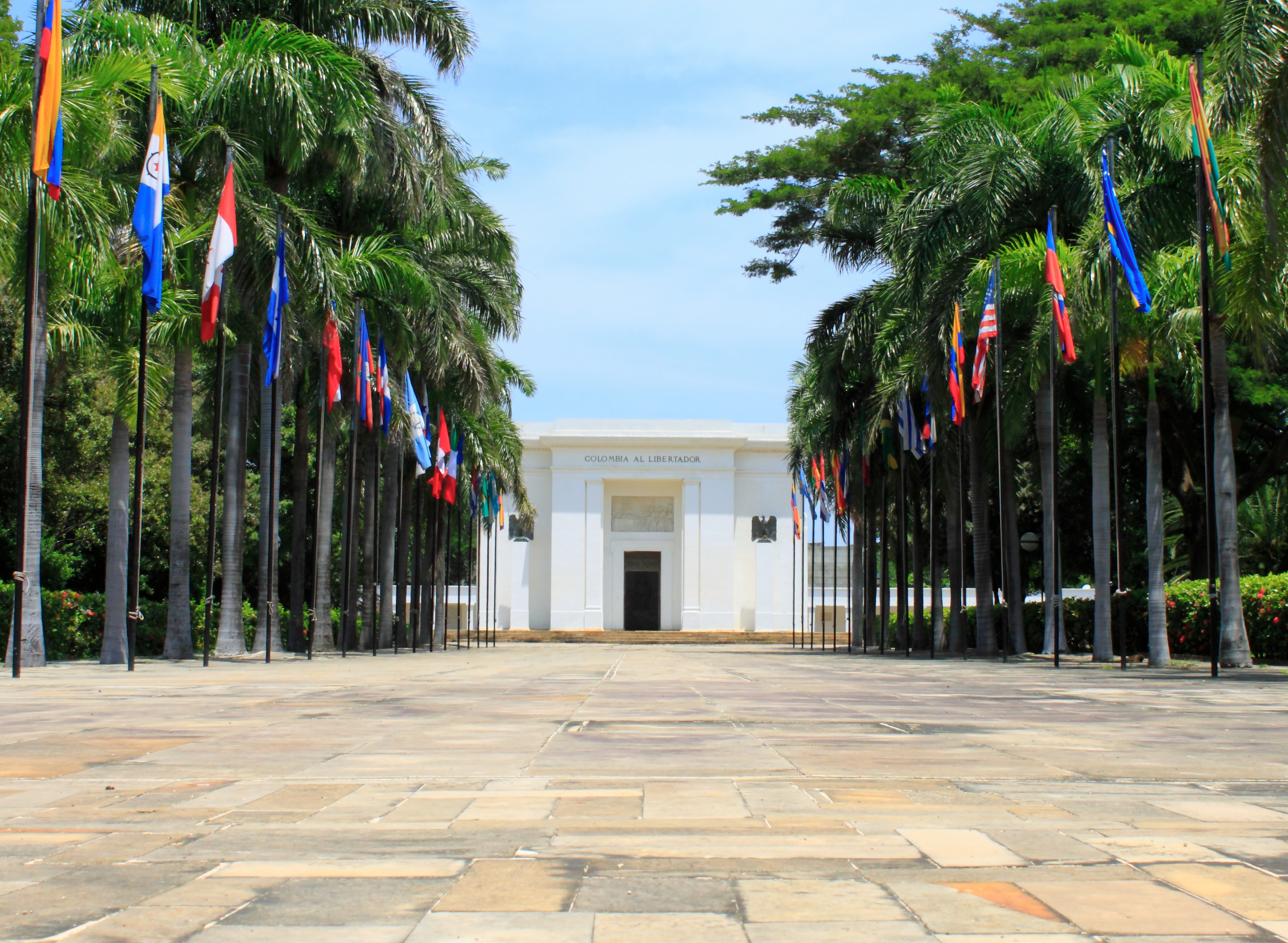
Quinta de San Pedro Alejandrino

Step into history at this lush colonial hacienda where Simón Bolívar spent his final days. Explore the botanical gardens, historic villa, and contemporary art. Price: ~$6–$8 USD. Pro tip: Arrive early to enjoy the peaceful, shaded grounds. Check availability and explore popular experiences.
Quinta de San Pedro Alejandrino

Credit: Wikimedia Commons

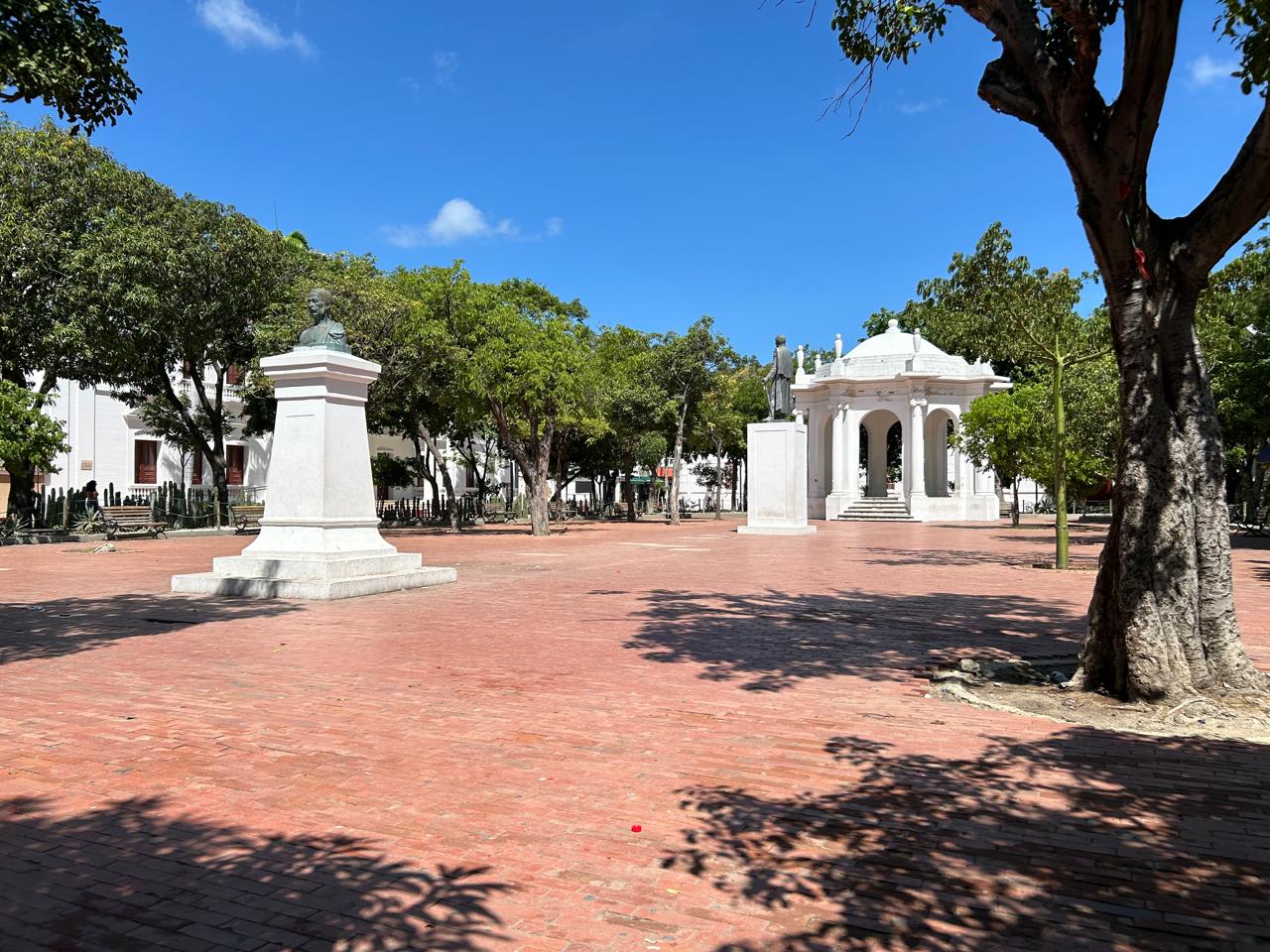
Parque de los Novios

Santa Marta’s social heartbeat. This plaza buzzes with live music, trendy bars, and colonial charm. Highlights: Neon-lit gazebo and street performers. Price: Free. Pro tip: Arrive at sunset when the heat drops and the nightlife ignites. Check availability and explore popular experiences.
Parque de los Novios
Credit: Wikimedia Commons

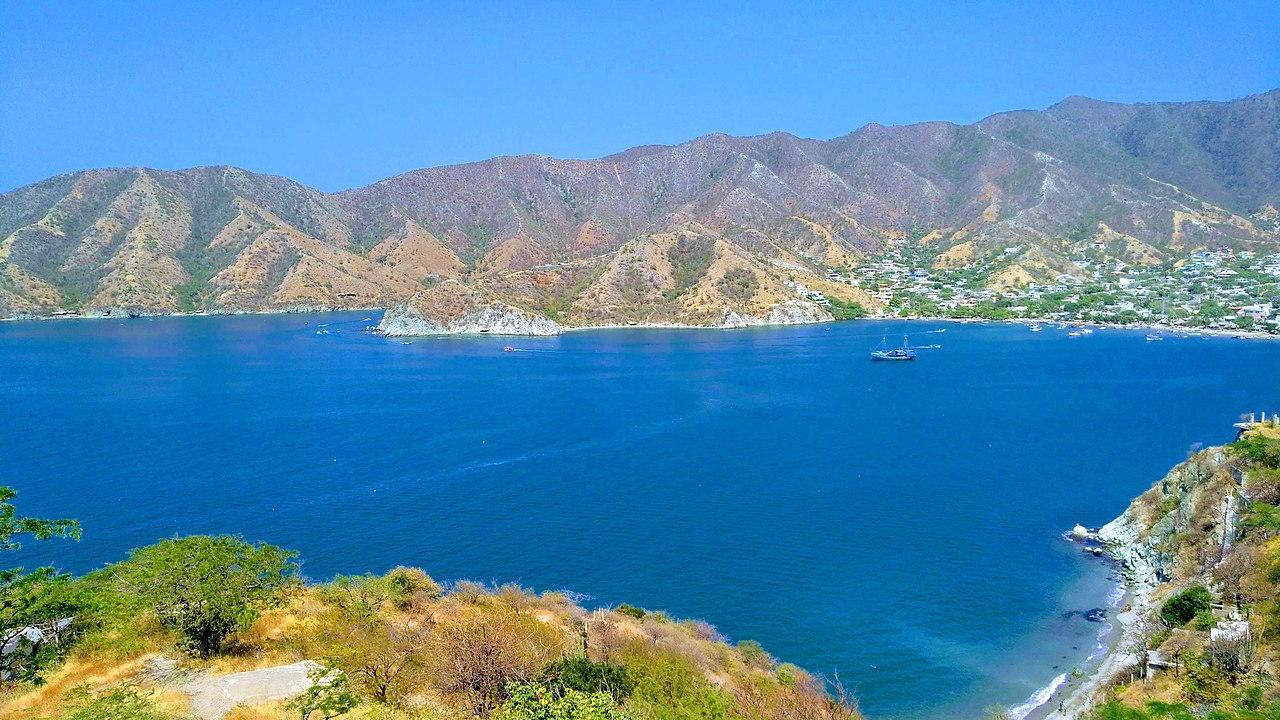
Taganga

A bohemian fishing village turned backpacker hub. Dive into electric blue waters, catch fiery sunsets, or boat to Tayrona. Price: Free to $300 (diving). Pro tip: Grab a cold beer and watch the sunset from the sea wall. Check availability and explore popular experiences.
Taganga
Credit: Wikimedia Commons

El Rodadero

Santa Marta’s high-energy beach strip where city vibes meet Caribbean sunsets. Highlights: boat taxis to Playa Blanca and the Mundo Marino aquarium. Price: Free (beach access). Pro tip: Catch the sunset with a fresh mango shake from a vendor. Check availability and explore popular experiences.

El Rodadero
Credit: Wikimedia Commons

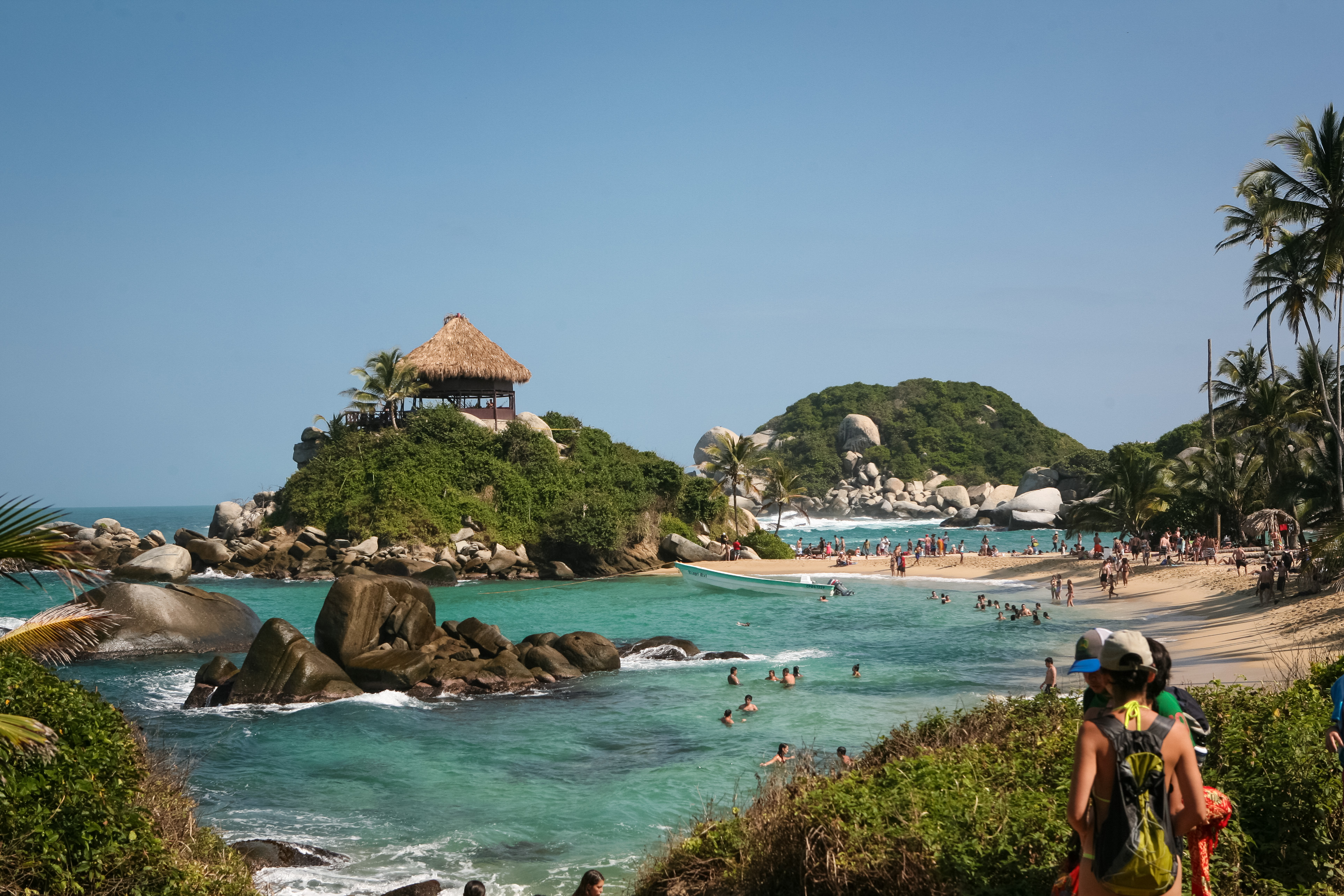
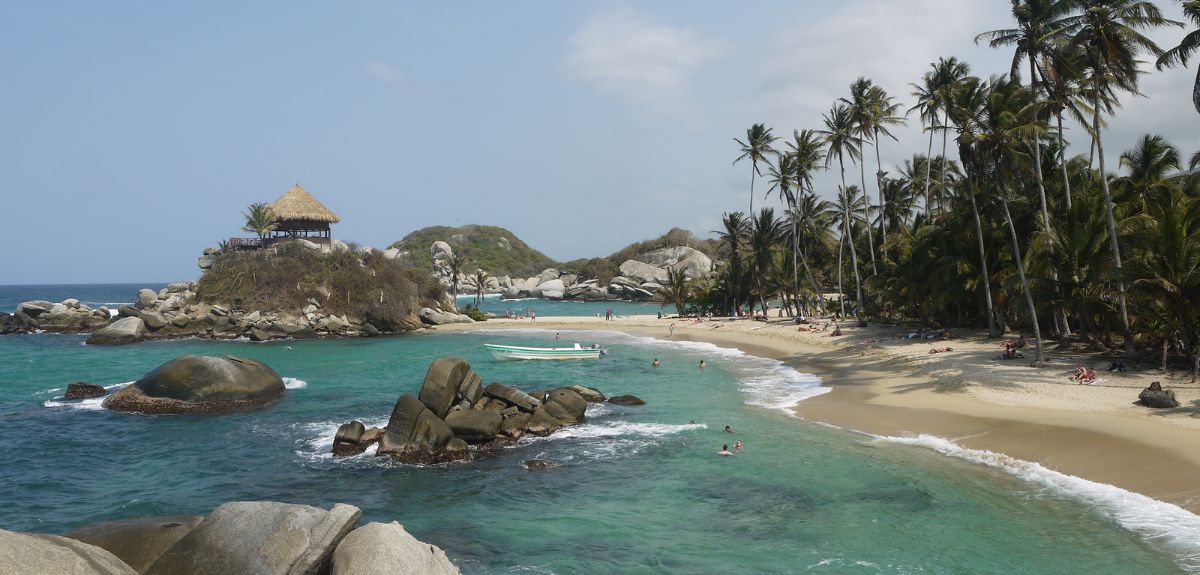
Cabo San Juan

Tayrona’s crown jewel, where giant boulders meet turquoise waters and jungle trails. Highlights: The iconic hilltop hammock hut and dual coastlines. Price: ~$20 park entry. Pro tip: Arrive by 10 AM to snag a rare shady spot. Check availability and explore popular experiences.

Cabo San Juan Tayrona

Credit: Wikimedia Commons

What Part of Santa Marta is Best for Tourists?

Stay in the Historic Center. Everything will be within a 15-minute walk. If you want something a bit more local but still close, the Taganga neighborhood is lovely—it offers a laid-back fishing village vibe with stunning sunsets and easy boat access to pristine Tayrona beaches.

What to Know Before Going to Santa Marta (Tayrona National Park)

  • Stick to Bottled: Tap water is not drinkable; always use bottled or filtered water to avoid illness.
  • Learn Basic Spanish: English proficiency is low among locals; carry a translation app or learn key phrases.
  • The Tayrona Entry Pass: There is no city-wide tourist card, but the national park entry fee is essential.
  • Sundays are Lively: Shops and supermarkets generally remain open on Sundays to cater to locals and tourists.
  • Tipping Etiquette: A 10% voluntary service charge is usually added to restaurant bills; no extra tipping is necessary.

How Many Days Do I Need in Santa Marta?

3 to 5 days is the ideal duration to explore both the historic colonial heart of Santa Marta and the pristine coastal jungles of Tayrona National Park.

  • Day 1: Quinta de San Pedro Alejandrino, Catedral de Santa Marta, Parque de los Novios, Paseo El Camellón, Santa Marta Marina.
  • Day 2: Tairona Gold Museum, Central Market, Rodadero Beach, Mundo Marino Aquarium, Taganga fishing village.
  • Day 3: A full-day hiking and snorkeling adventure to Cabo San Juan and La Piscina within Tayrona National Park.

Suggested daily budget – 55-90 EUR / 60-100 USD (Note: This covers mid-range hotels or private guesthouses, a mix of local restaurants and “menú del día” lunches, and local bus transportation or a guided day tour. You can go cheaper if you stay in hostel dorms, eat street food like empanadas, and use public colectivos).

MONEY SAVING TIPS

  1. Score a Menu del Día: Skip the tourist traps and look for a Menu del Día at local spots for around $10,000–$20,000 COP, or grab an Arepa de Huevo from a street vendor for a delicious, budget-friendly snack.
  2. Join a Tip-Based Trek: Meet at the Spirit of Mozart statue or the Rodrigo de Bastidas monument for a Free Walking Tour of the historic center; it’s a pay-what-you-wish way to see the sights, plus the Museo del Oro Tairona offers free entry for a culture fix.
  3. Ride for Less: While there isn’t a city-wide bike-share, the best value transport is using the local bus system for a few thousand pesos or renting a bike from local shops like Rent Bike Santa Marta to explore the coastline on your own terms.
  4. Sunset at the Malecón: Avoid the pricey bars at Parque de los Novios by grabbing a cold beer from a local Tienda and heading to the Camellón Rodrigo de Bastidas (the waterfront promenade) to enjoy the Caribbean sunset with the locals for free.

What’s the Best Month to Visit Santa Marta?

May and June are the sweet spots for visiting Santa Marta. These shoulder-season months offer a perfect balance of pleasant weather and significantly fewer tourists, allowing for more peaceful exploration of Tayrona’s beaches. However, February is a magical alternative, providing the driest, sunniest days and a vibrant atmosphere as the local carnival season brings the region to life.

How to Get to Santa Marta

Most international travelers fly into Simón Bolívar International Airport (SMR). While it mainly serves domestic routes from Bogotá and Medellín, international visitors typically connect through Panama City or major Colombian hubs.

  • From the airport: The city center is a 30-minute drive. Taxis offer fixed fares around $7–$10 USD, while public buses are available for less than $1 USD.
  • By Train: The Ferrocarril del Atlántico connects Santa Marta to Bogotá, though it is primarily used for freight; passenger services are limited and not the primary tourist route.

How to Get Around Santa Marta (Tayrona National Park)

Use local buses and taxis—they are the most efficient ways to navigate this spread-out region.

  • Car Rental: Not recommended for the city or park; parking is difficult and roads to Minca are rugged. Use DiscoverCars only for regional exploration.
  • Walking: Great for the Historic Center and El Rodadero, but impossible for traveling between the city, Minca, and Tayrona.
  • Uber/Bolt: Uber is available and reliable for point-to-point city travel.
  • Tours: The best stress-free option for reaching Tayrona’s beaches or the Lost City trek.

Tips for first-timers: Avoid arriving without a reservation—The park has strict daily capacities and often sells out, leaving you stranded at the gate. Book your entry and overnight stays online in advance to guarantee your spot in paradise!

Santa Marta (Tayrona National Park) is the kind of place that steals your heart. It is a breathtaking tapestry where the wild, emerald jungle meets the turquoise Caribbean, steeped in ancient indigenous history and a rhythmic, soulful energy. As you leave its sun-drenched shores and misty peaks, it leaves you with a renewed sense of wonder.

Note: This article contains affiliate links. If you purchase something I’ve recommended, I’ll earn a small commission at no extra cost to you. I really appreciate your support and I hope this guide helps you ♡

post a comment