If you’re dreaming of a trip to Bolivia, you’re in for one of the most mind-blowing adventures in South America. I’ve spent weeks wandering this wild, high-altitude country—puffing my way through thin air in La Paz, sliding across the endless white expanse of the Salar de Uyuni, and getting lost in colonial streets that feel frozen in time. Bolivia hits you with extreme contrasts: jagged Andean peaks, surreal salt deserts, vibrant indigenous markets, and a raw, unpolished energy that makes every day feel like an expedition.
Whether you’re a backpacker chasing epic photos, a history nerd digging into silver mines, or someone who just wants jaw-dropping landscapes without the crowds of Peru or Chile, Bolivia delivers. It’s affordable, authentic, and still feels like a frontier. Let me walk you through my top picks for the best cities (and one legendary natural “city” of salt) to visit, with practical tips drawn from real on-the-ground experiences to help you explore cities, plan smart, and travel better.
Bolivia packs incredible diversity into one landlocked nation. From the chaotic, cable-car-suspended heights of La Paz to the mirror-like infinity of the Salar de Uyuni, the elegant whitewashed charm of Sucre, the gritty mining history of Potosí, and the tropical lowlands vibe of Santa Cruz de la Sierra—each spot offers its own flavor. I’ve narrowed it down to these five must-visits that cover the highlands, the surreal desert, colonial gems, and a gateway to the east. They’ll give you a solid taste of Bolivia’s mix of indigenous culture, Spanish colonial legacy, and raw natural drama. I’ll link you to deeper guides for each so you can map out your adventure with our interactive tools.
Top Cities to Visit in Bolivia
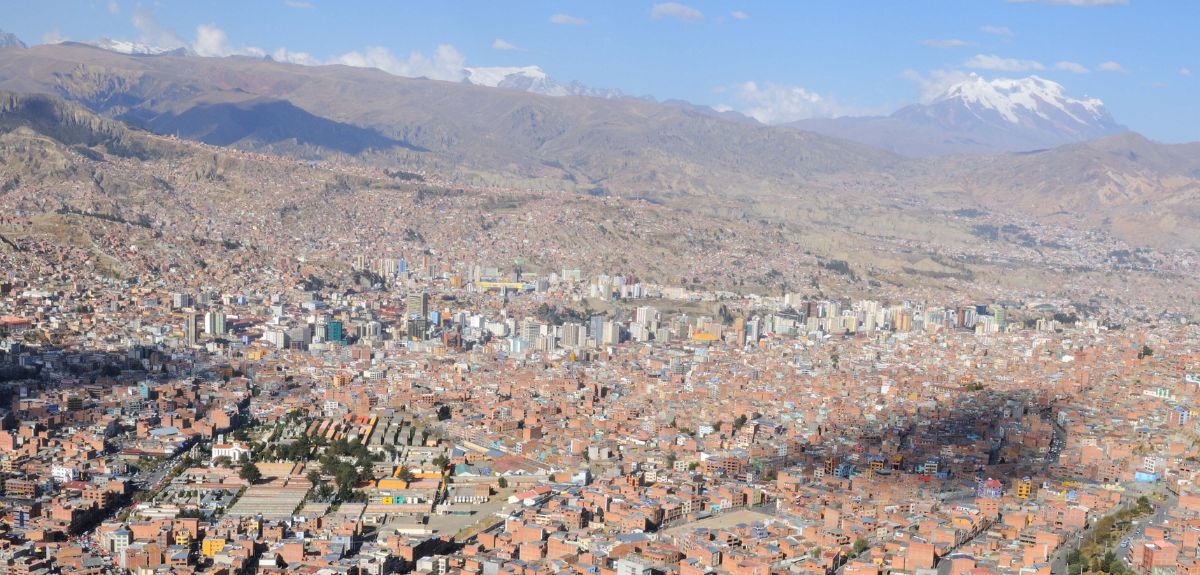
- La Paz: The world’s highest capital, built into a dramatic canyon with Mi Teleférico cable cars zipping overhead, chaotic witches’ markets, and insane views of snow-capped peaks like Illimani. It’s urban adventure at 3,650m+ altitude.
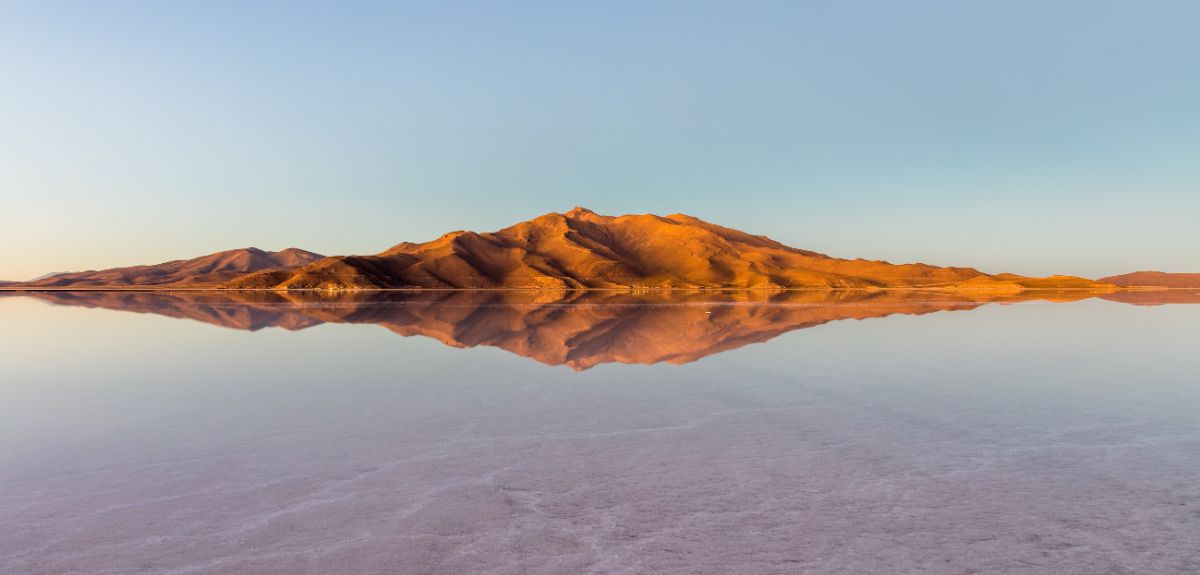
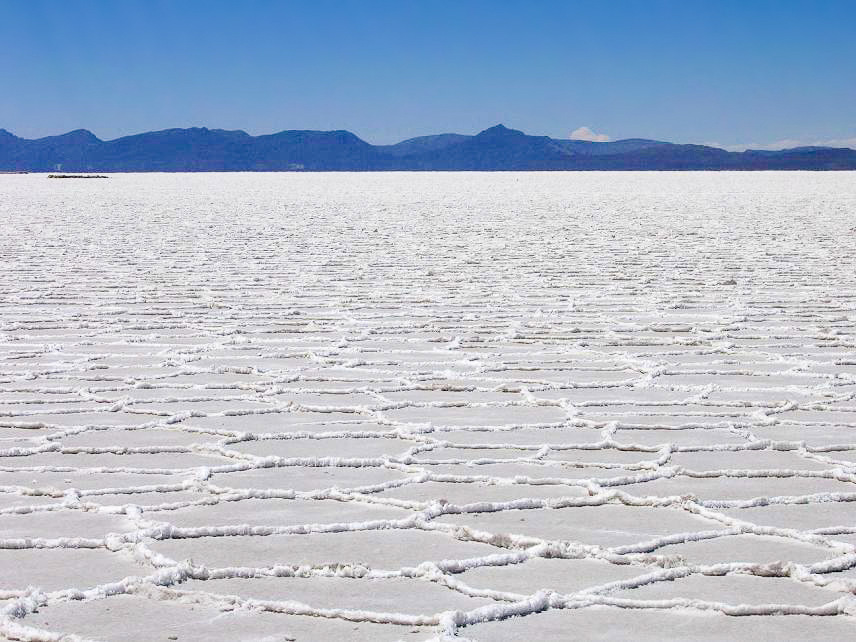
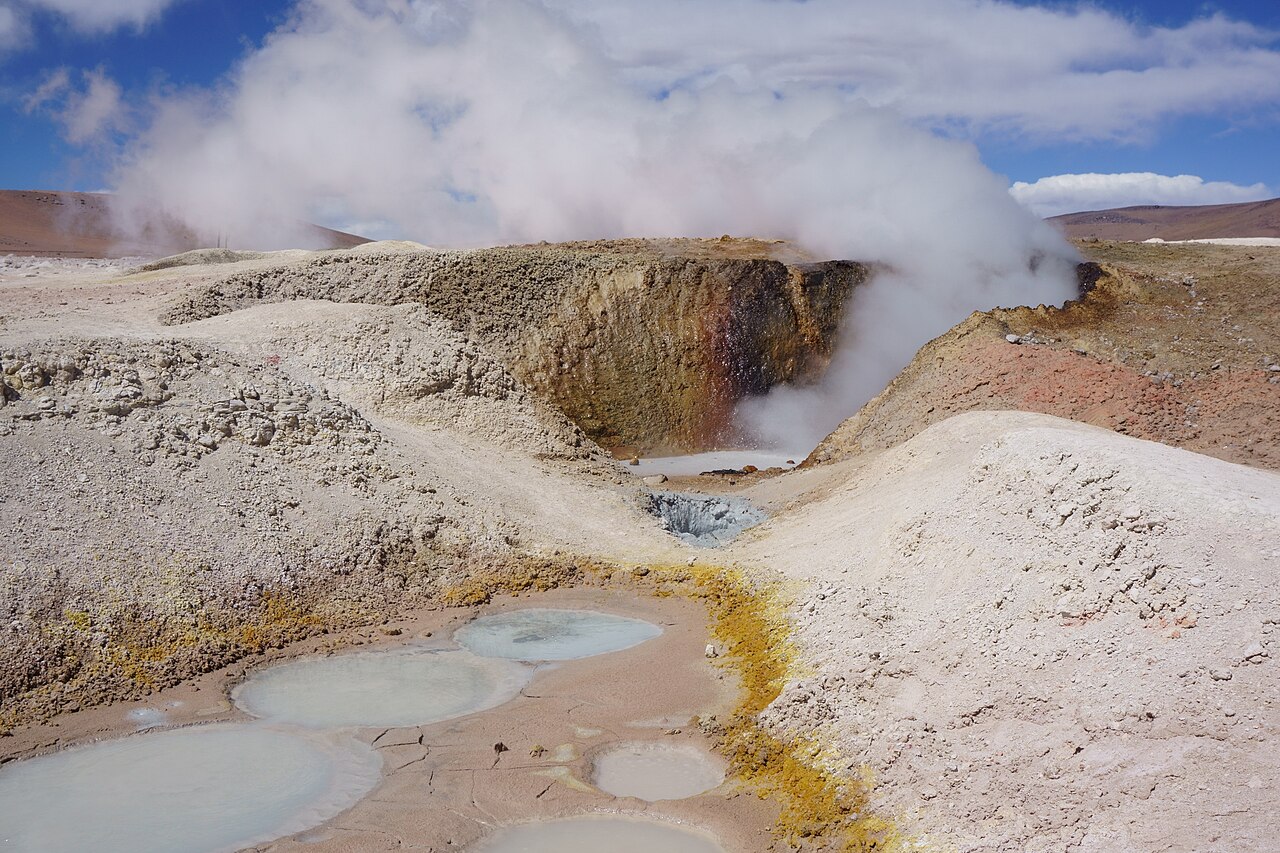
- Salar de Uyuni: Not exactly a city, but the planet’s largest salt flat—an otherworldly white desert perfect for perspective-bending photos, flamingo lagoons, and multi-day jeep tours that feel like driving on another planet.
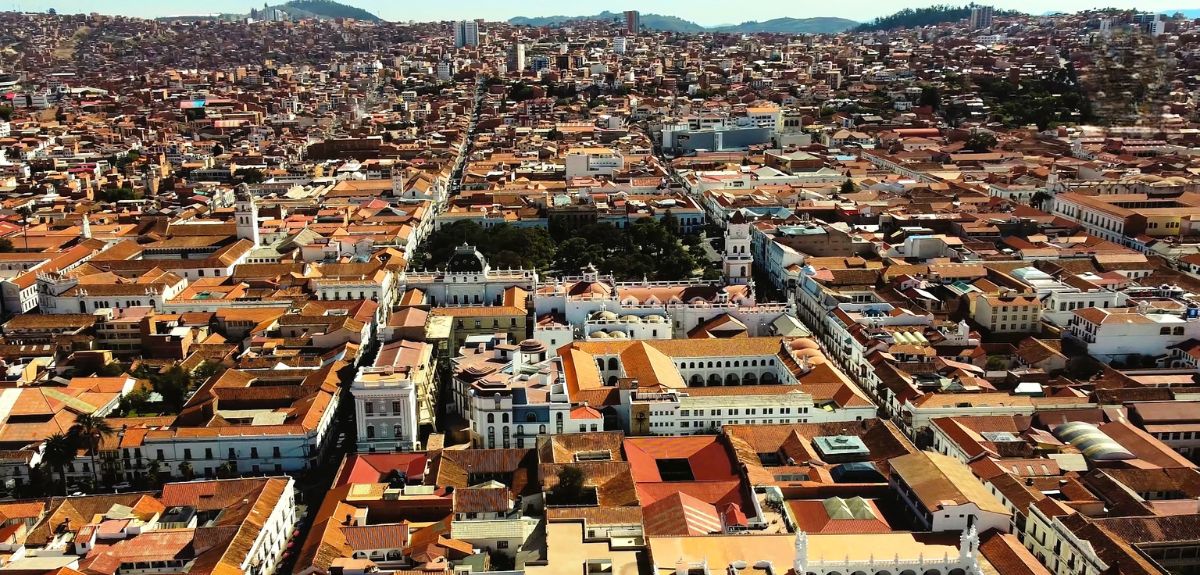
- Sucre: Bolivia’s constitutional capital and a UNESCO gem known as the “White City” for its pristine colonial architecture, sunny plazas, dinosaur footprints, and relaxed, walkable vibe.
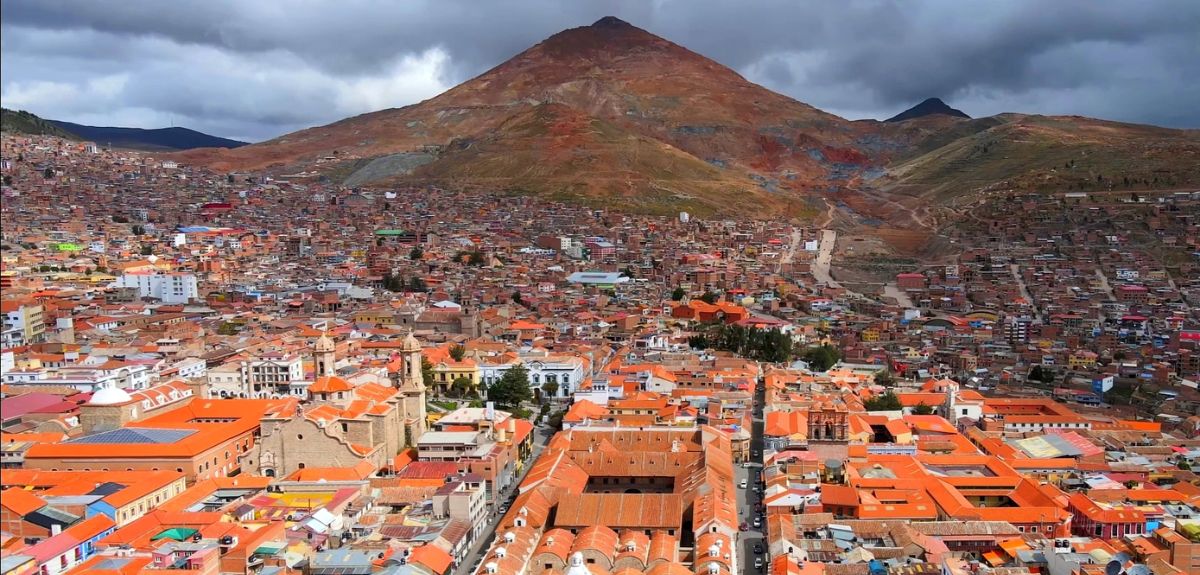
- Potosí: A high-altitude mining town (one of the highest cities on Earth) with a heavy history of silver wealth and hardship—think colonial churches, the infamous Cerro Rico mines, and stark altiplano scenery.
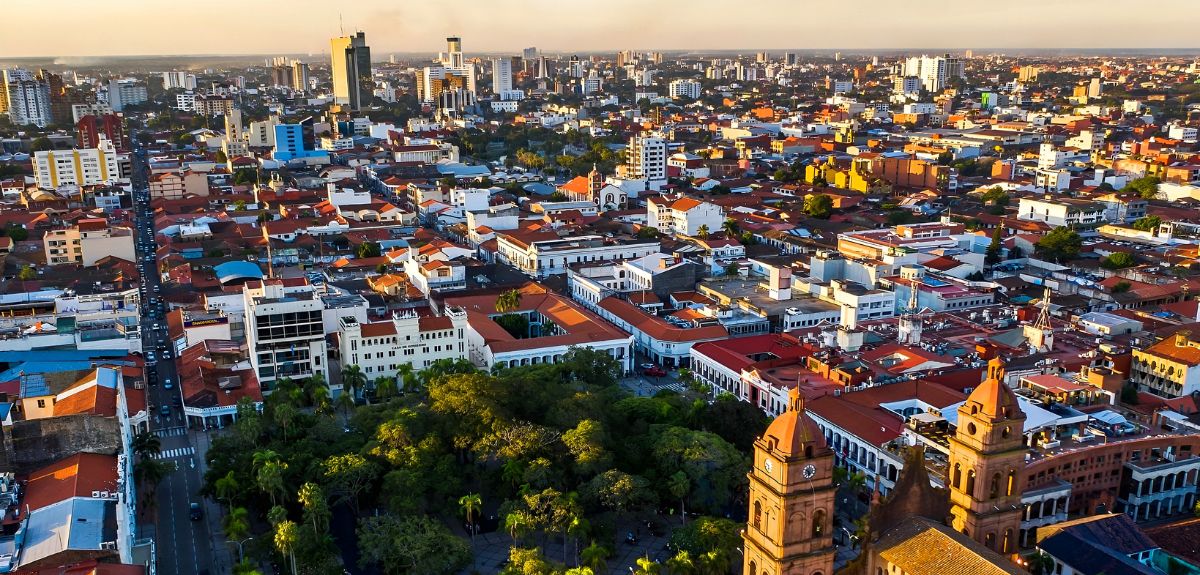
- Santa Cruz de la Sierra: Bolivia’s largest and most modern city in the tropical lowlands—lively plazas, great food, nearby national parks, and a gateway to jungle adventures or relaxation in a warmer climate.
Accommodation – Hostels and guesthouses dominate. A dorm bed in La Paz or Sucre runs $8–15 USD per night. Private rooms with bathroom go for $20–40 USD. Mid-range hotels (clean, central, hot water) cost $50–80 USD for a double. In Uyuni, tour packages often include basic lodging. Luxury or boutique spots (rarer outside Santa Cruz or La Paz) hit $100–200+ USD, especially in peak dry season (May–October). Book ahead for high season or use platforms for deals; shoulder seasons (April or November) save money.
Food – Super affordable and hearty. A local almuerzo (set lunch with soup, main, drink) costs $2–5 USD in markets or simple restaurants—I’ve stuffed myself on quinoa soup, grilled meats, or salteñas (juicy empanadas) for under $3. Street food like anticuchos or fresh fruit juices runs $1–2 USD. In Santa Cruz, you’ll find more international options or bigger portions around $5–10 USD. Coffee or a pastry? $1–3 USD. A nicer dinner with wine or beer might set you back $8–15 USD per person. Vegetarian options are common thanks to Andean staples, but watch for altitude-related digestion tweaks.
Transportation – Buses are the backbone and cheap: La Paz to Uyuni or Sucre routes often $10–25 USD (overnight options save on lodging). Domestic flights (e.g., La Paz to Santa Cruz) run $50–120 USD if booked early. In cities, micros (minivans) or trufis cost pennies; La Paz’s Mi Teleférico is a bargain at a couple dollars per ride and gives epic views. Taxis/Uber-style in major spots: $3–8 USD for short trips. For Uyuni tours, a 3-day jeep adventure (shared) typically costs $150–250 USD all-inclusive (meals, lodging, transport)—book locally to negotiate. Renting a car is possible but roads can be rough; stick to buses or tours for most routes.
Activities – Many are wallet-friendly. Entry to museums or churches: $1–5 USD. La Paz cable cars or short hikes: under $10 USD. Big-ticket items like a full Salar de Uyuni tour or Potosí mine visit: $50–200+ USD depending on duration and group size. Cholitas wrestling in La Paz or dinosaur park near Sucre: $10–20 USD. Book popular tours in advance during dry season, but compare operators on the ground for value.
Bolivia feels raw and real—like the South America many travelers crave before mass tourism took over. It’s a country of extremes: you’ll gasp from altitude one day (La Paz and Potosí sit crazy high—take it easy, chew coca leaves, drink mate de coca, and hydrate), then sweat in Santa Cruz’s tropical heat the next. The landscapes will wreck your expectations—the Salar de Uyuni at sunrise looks photoshopped, Sucre’s white colonial streets glow in the sun, and La Paz’s steep, colorful neighborhoods tumble down the canyon like a living postcard.
The people are warm and resilient, with strong indigenous roots showing in markets, textiles, and festivals. Spanish is useful (basic phrases go far), but English is limited outside tourist hubs—apps or a phrasebook help. Meals happen later, portions are generous, and life moves at a high-altitude pace: expect some delays from roadblocks or weather, but that’s part of the charm.
Weather-wise, the dry season (May–October) brings clear skies and crisp days—ideal for hiking, salt flat tours, and photos—though nights get freezing up high. Rainy season (November–April) can create that magical mirror effect on the Salar but risks mud, floods, and closed roads. Pack layers, strong sun protection (the UV is brutal at altitude), comfortable walking shoes, and a good jacket.
Safety is generally okay for aware travelers—I’ve wandered markets and taken night buses without major issues, but pickpockets operate in crowded La Paz spots or on tourist routes. Use hotel safes, avoid flashing valuables, and steer clear of protests or dodgy areas at night. Altitude sickness is the real “villain” for many—acclimatize, avoid alcohol initially, and listen to your body. Public transport works well, but book reputable Uyuni operators (check recent reviews). Roads in the highlands can be winding and unpaved, so patience is key.
Bolivia’s culture pulses with pride, from Aymara and Quechua traditions to colonial echoes. You’ll taste it in salteñas or api (purple corn drink), hear it in street music, and see it in the vibrant cholitas skirts or woven aguayos. It’s a place that rewards the curious—whether you’re bargaining at the Witches’ Market, staring into an infinity of salt, or sipping coffee in Sucre’s peaceful plazas.
Grab our interactive maps and detailed city guides for La Paz, Salar de Uyuni, Sucre, Potosí, and Santa Cruz de la Sierra. Start plotting your route, pack for all seasons in one suitcase, and get ready for a trip that’ll reset how you see the world. Bolivia isn’t always easy, but it’s unforgettable. Explore cities, plan smart, travel better!