If you’re dreaming of a trip to China, buckle up—you’re about to step into one of the most mind-blowing countries on the planet. I’ve wandered through its chaotic streets, climbed ancient walls, stuffed my face with street food that still haunts my dreams, and stared at landscapes that look photoshopped. China hits you with everything: epic history that goes back thousands of years, futuristic skylines, spicy food that’ll light up your taste buds, and natural beauty that resets your soul.
Whether you’re a history nerd chasing imperial vibes, a foodie on the hunt for the perfect dumpling or hotpot, an adventure seeker craving karst mountains, or just someone who wants pandas and neon lights, China’s cities deliver. I’ve narrowed it down to five absolute must-visits that capture the country’s insane diversity: Beijing, Shanghai, Xi’an, Guilin, and Chengdu. Each one feels like a different world, and I’ll hook you up with practical tips, real-talk costs, and my own stories so you can plan smart and travel better.
China is massive and wildly varied. One minute you’re dodging scooters in a buzzing megacity, the next you’re floating down a misty river surrounded by postcard-perfect peaks. High-speed trains make hopping between them easy and fun. I’ve done the classic routes myself, and trust me—these five give you a perfect snapshot without overwhelming you.
Top Cities to Visit in China
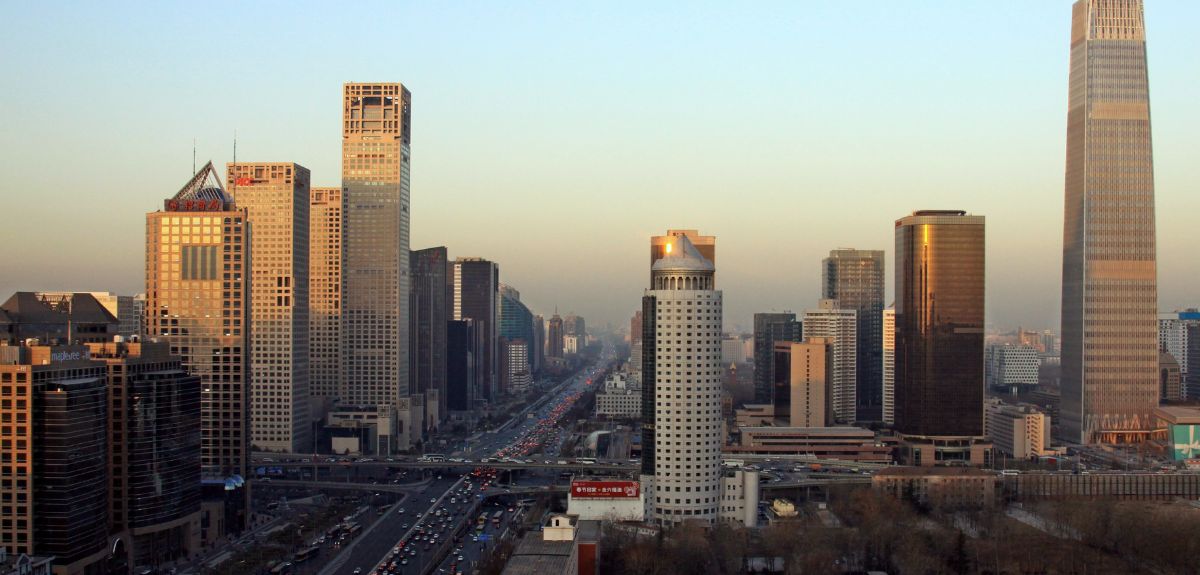
- Beijing: The beating heart of imperial China. Massive squares, the Forbidden City, and the Great Wall—plus hutong alleys where real life still hums along.
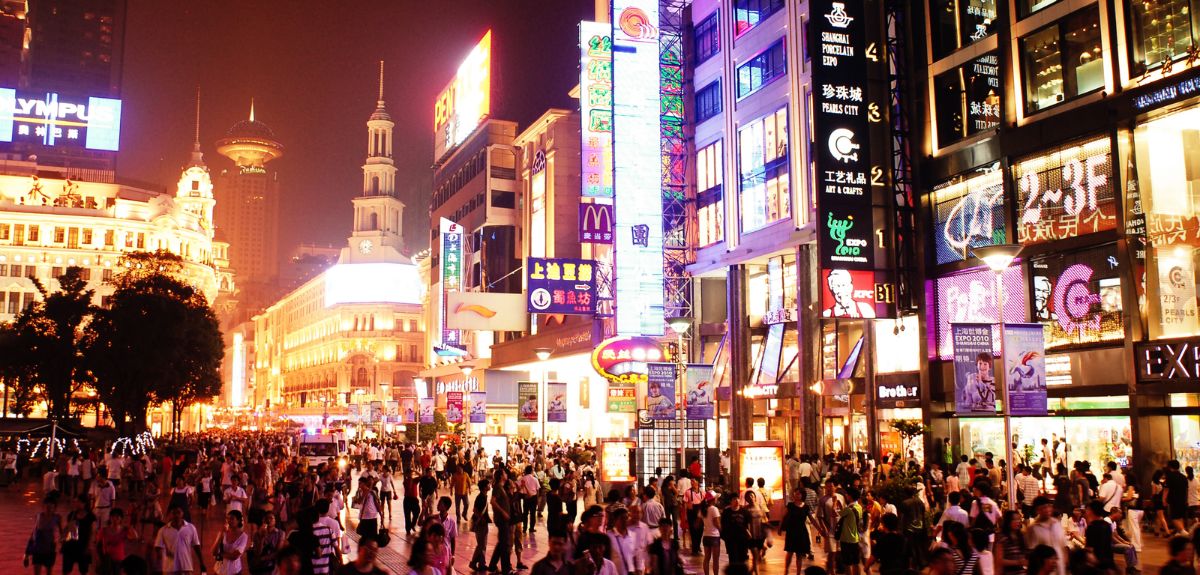
- Shanghai: China’s flashy, forward-looking powerhouse. Think glittering skyscrapers on the Bund, colonial architecture, and a food scene that blends everything under the sun.
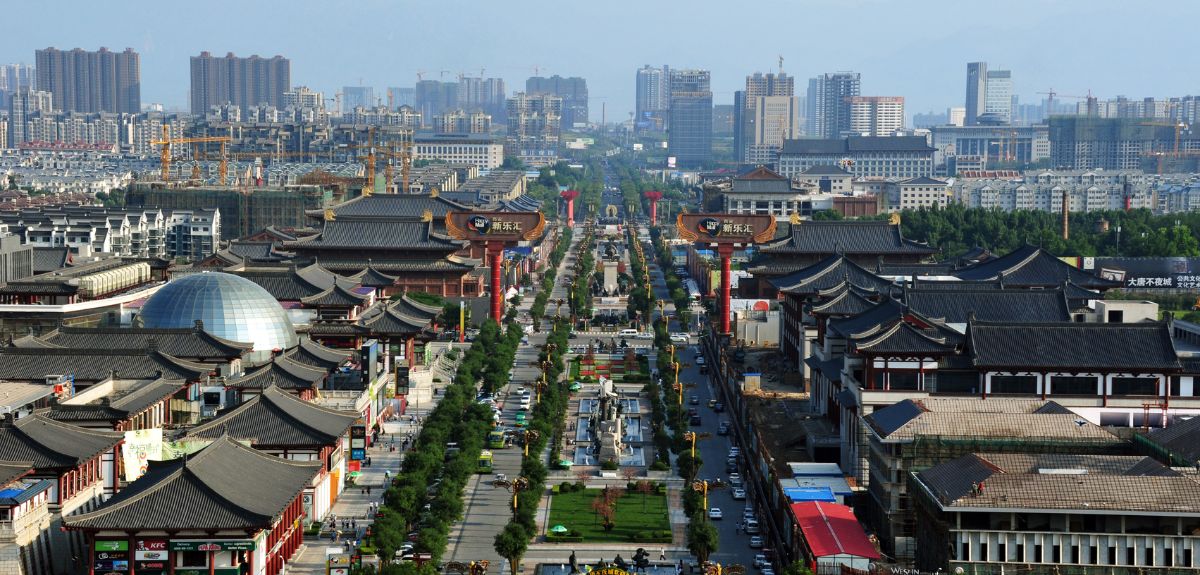
- Xi’an: Ancient capital vibes with the mind-blowing Terracotta Warriors, a massive city wall you can bike, and a lively Muslim Quarter for street eats.
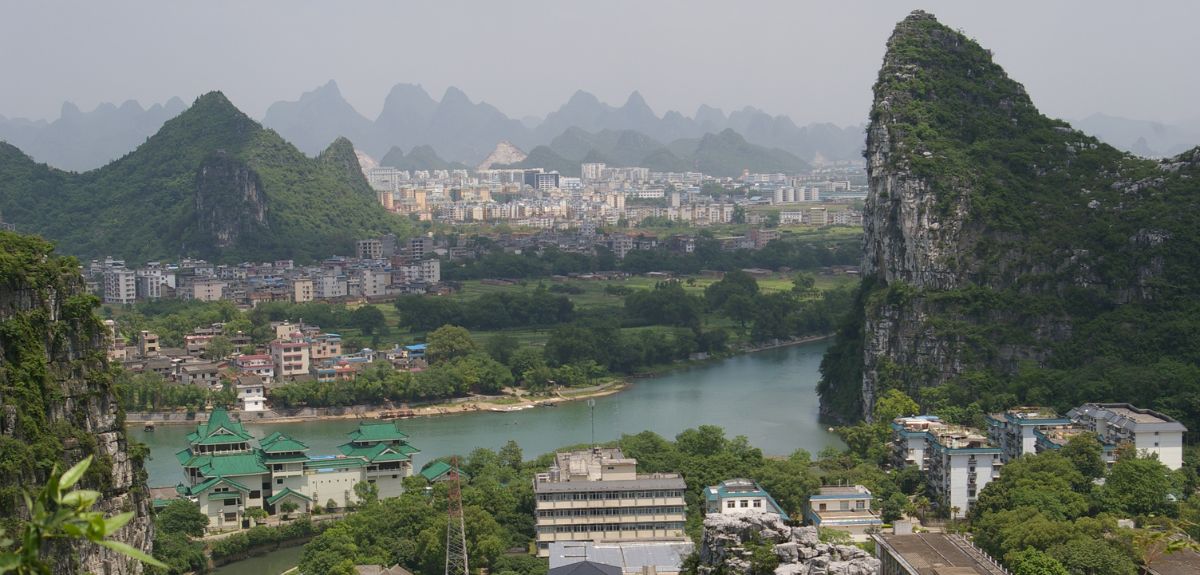
- Guilin: Nature’s masterpiece. Karst limestone peaks, the dreamy Li River cruise, and peaceful countryside that feels like stepping into a Chinese painting.
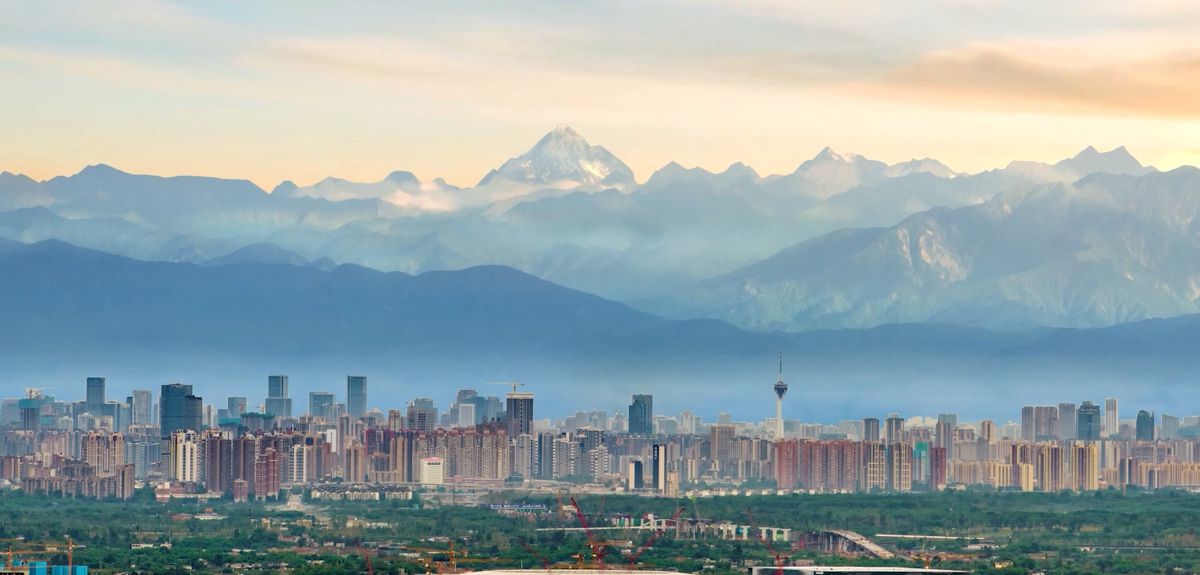
- Chengdu: Laid-back Sichuan capital famous for spicy food, adorable giant pandas, and a chill teahouse culture that’s perfect for slowing down.
Accommodation – Mid-range hotels (clean, central, with AC and good wifi) in big cities like Beijing or Shanghai run about $60–120 USD per night for a double room. In Chengdu or Guilin, you can often find similar for $40–90. Hostels or budget spots: $15–40 for a dorm or basic private. Luxury or boutique: $150–300+, especially in peak season. Book early for spring/fall or go shoulder season for deals.
Food – This is where China shines on a budget. Street food or a bowl of noodles: $2–5. A solid local meal with dumplings, rice dishes, or hotpot: $8–15 per person. In Chengdu, I devoured mapo tofu and street skewers for under $10 and it was life-changing. Beer or a drink adds a couple bucks. Fine dining or tourist spots: $20–50+. Breakfast (baozi and soy milk) is dirt cheap at $1–3.
Transportation – High-speed trains are awesome and efficient. Beijing to Xi’an: around $80–150 depending on class and booking. Shanghai to other spots similar. In cities, metro or buses: $0.50–1.50 per ride—get a transport card or use apps. Didi (China’s Uber) for short trips: $5–15. Domestic flights if needed: reasonable if booked ahead. Renting a car isn’t worth it for most—stick to trains and public transport.
Activities – Many big sights are $10–30 (Forbidden City ~$10–15, Terracotta Warriors ~$20–30, Great Wall cable car extra). Book online to skip lines. Panda tickets in Chengdu sell out—reserve ahead. River cruises in Guilin: $50–100+ depending on type. Some parks and temples are cheap or free.
China is an absolute whirlwind—in the best way. It’s ancient temples next to bullet trains, spicy street food at midnight, and landscapes that make you stop and stare. The energy is contagious: people are hustling, but there’s also this deep appreciation for history, family, and good eats.
Expect contrasts everywhere. Beijing feels grand and historical with its wide avenues and red walls. Shanghai is sleek, international, and non-stop. Xi’an has that old Silk Road soul. Guilin is pure poetry with its misty rivers and peaks. Chengdu is relaxed—people sip tea for hours and obsess over pandas and Sichuan heat.
Weather is all over the place. Spring (April-May) and fall (Sept-Oct) are prime: mild temps, clearer skies, perfect for walking the Wall or cruising the Li River. Summers can be hot and humid (especially south), winters cold in the north but milder elsewhere. Check forecasts—typhoons possible on coasts.
Locals are generally friendly and curious, though English isn’t universal outside tourist zones. Download a translation app (like Google Translate with offline packs) and learn basics like “ni hao” (hello), “xie xie” (thank you), and “duoshao qian?” (how much?). I once got into a fun conversation with a grandma in a Chengdu teahouse using my phone translator—it made the trip.
Safety-wise, China feels very safe for travelers. Petty theft exists in crowded spots (watch bags on metros or markets), but violent crime is rare. I’ve walked around at night without issues. Follow basic sense, use official taxis/apps, and download a VPN before arrival for full internet access (Google, etc., are blocked). Public transport is reliable and clean. High-speed trains are a joy—book seats in advance.
Culturally, it’s a feast. Meals are social and shared. Respect for elders and traditions runs deep. Be open-minded—bargain politely in markets, but fixed prices are common elsewhere. China moves fast, but slowing down in a park or by the river rewards you with the real magic.
Grab our interactive maps and detailed city guides for Beijing, Shanghai, Xi’an, Guilin, and Chengdu. China is waiting—explore its cities, plan smart, and travel better. You’ll come back changed. What are you waiting for?