If you’re dreaming of a trip to Montenegro, you’re in for something special. I’ve wandered through this compact Balkan gem a bunch of times, soaking up its dramatic bays, medieval walls, and that effortless mix of Adriatic chill and mountain adventure. Montenegro punches way above its weight—think turquoise waters, UNESCO-listed old towns, fresh seafood, and landscapes that feel like they belong in a movie. Whether you’re into beach hopping, fortress hikes, or just kicking back with a glass of local wine while watching the sunset over the Bay of Kotor, this country delivers. I’ve put together my top picks for the best cities to visit to help you plan smart and travel better.
Montenegro might be small, but it packs in incredible variety along its coast and inland. From the fjord-like Bay of Kotor to lively beach towns and the capital’s surprising energy, I’ve narrowed it down to five standout spots: Kotor, Budva, Podgorica, Herceg Novi, and Tivat. Each brings its own vibe, and I’ll link you to deeper guides for each. I’ve also tossed in practical tips on costs, hacks to save money, and what to realistically expect so you can make the most of your trip.
Accommodation – Mid-range hotels or guesthouses in places like Kotor or Budva run about $50–90 USD per night for a double room with decent amenities and a good location. Hostels are a steal at $20–40 USD for a dorm bed, while nicer Airbnbs or boutique spots start around $60–100 USD. Luxury resorts or marina hotels in Tivat can hit $150–250+ USD, especially in peak summer (July–August). Shoulder seasons (May–June or September–October) bring better deals and fewer crowds.
Food – You can eat really well without breaking the bank. A hearty local meal like grilled meats, fresh seafood, or cevapi with sides runs $10–20 USD per person. Street food or bakery bites (burek) are under $5 USD. Coffee and a pastry? Around $3–5 USD. In Budva or Kotor, a nice dinner with wine might be $25–40 USD. Splurging on waterfront fine dining stays reasonable compared to Western Europe.
Transportation – Buses are the way to go—cheap and scenic, with rides between coastal towns like Kotor to Budva often $3–10 USD. Taxis or Bolt rides are $10–25 USD for short hops. Renting a car runs $25–50 USD per day and gives flexibility for exploring the bay or inland, but parking in old towns can be tricky. Boat tours or water taxis add fun for $20–50 USD.
Activities – Many highlights are free or low-cost, like wandering old towns or hiking. Fortress entries or museum tickets are usually $5–15 USD. Popular boat trips to islands or caves run $30–60 USD. National parks or guided tours add value without huge expense.
Suggested daily budget – $60–100 USD per person covers mid-range stays, local meals, public transport, and a couple of attractions. Luxury or more activities? $150–250 USD. Budget travelers can manage on $40–60 USD with hostels, street eats, and free sights.
These are the experiences I consider absolute non-negotiables.
Montenegro has this raw, magnetic appeal that mixes Mediterranean ease with rugged Balkan soul. The Bay of Kotor feels almost fjord-like, with steep mountains plunging into calm waters—perfect for those postcard boat rides and fortress panoramas. The people are warm and hospitable, often quick with a rakija toast or local recommendations.
You’ll bounce between relaxed beach days in Budva or Tivat and more atmospheric explorations in Kotor or Herceg Novi. Podgorica gives a taste of everyday Montenegrin life with its markets, parks, and surprisingly good food scene. Summers are hot and sunny (80–95°F / 27–35°C on the coast), ideal for swimming, while spring and fall offer perfect hiking weather. Winters are milder on the coast but can get snowy inland.
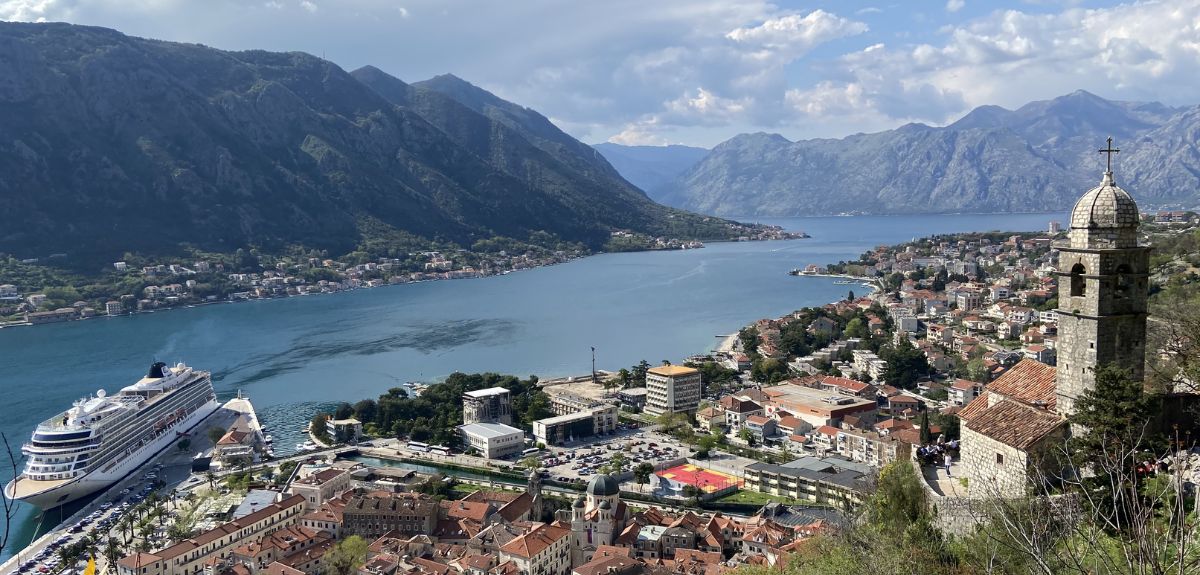
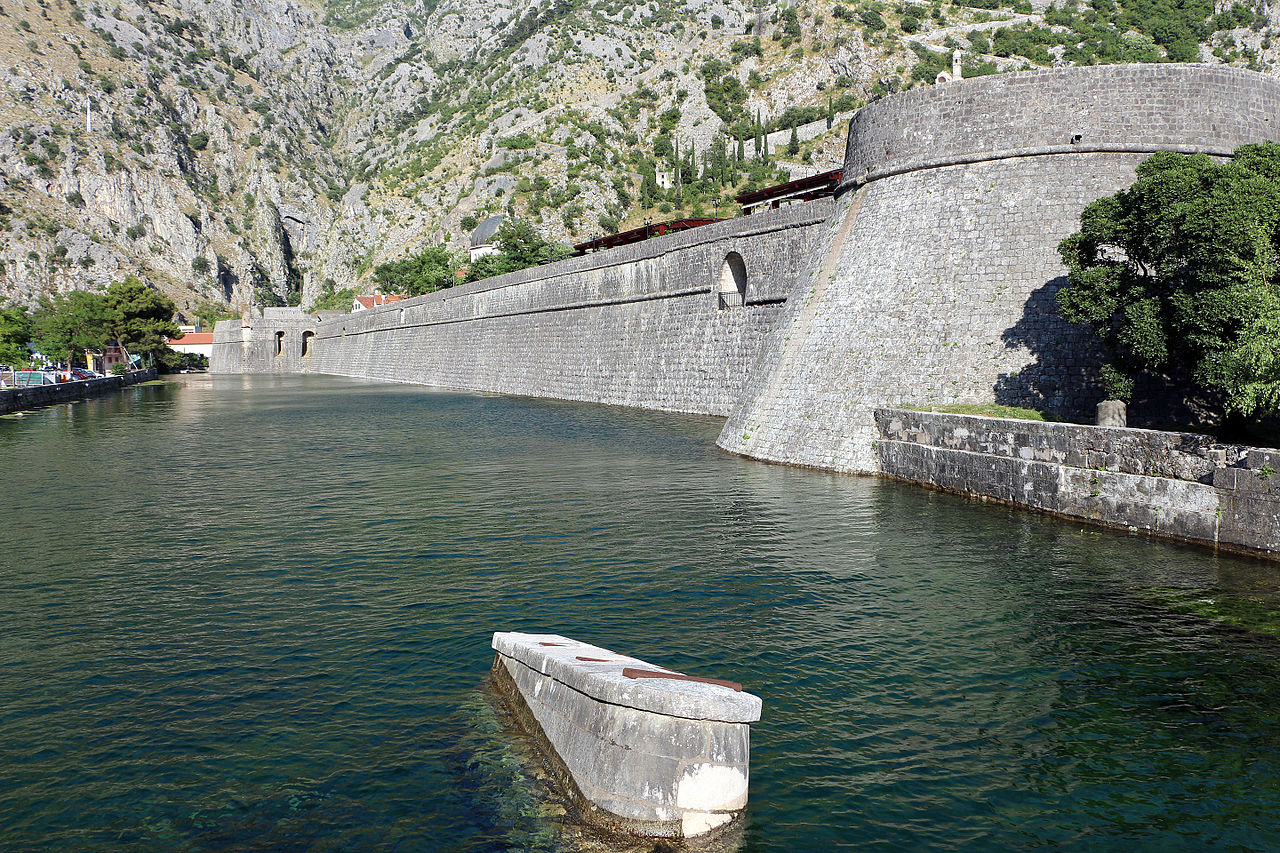
Carved into the dramatic limestone cliffs where the Adriatic meets the mountains, Kotor is a Venetian masterpiece that feels like a secret whispered by time. To enter its stone gates is to step into a living labyrinth of marble-paved squares
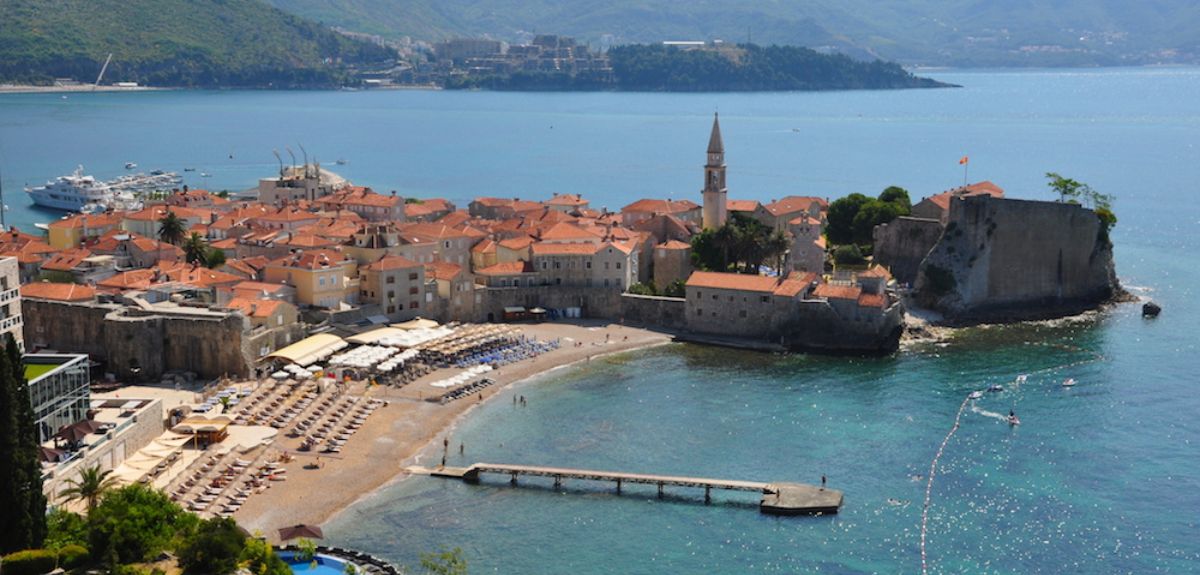
Glistening like a polished pearl along the Adriatic coast, Budva is where the whispers of antiquity meet the high-octane pulse of modern luxury. Here, sun-drenched stone walls cradle centuries of Venetian history, while just beyond the ramparts, turquoise waters invite
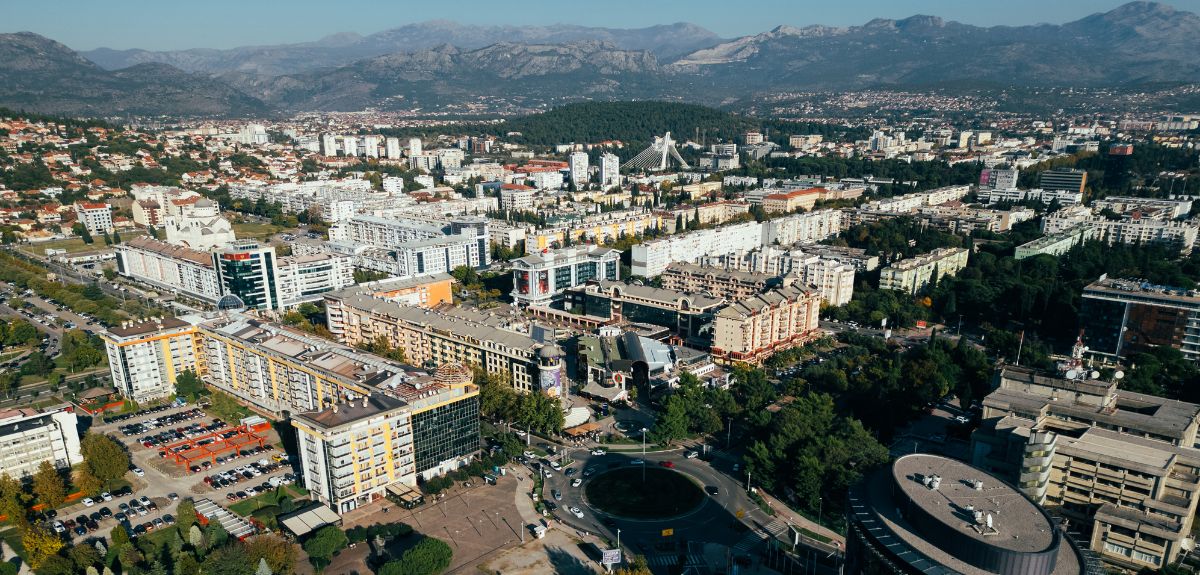
Rising from the confluence of emerald rivers, Podgorica unfolds as a captivating blend of socialist-era grandeur and a spirited, modern Mediterranean soul. To wander through its sun-drenched streets is to discover a city where ancient Ottoman echoes meet sleek, contemporary
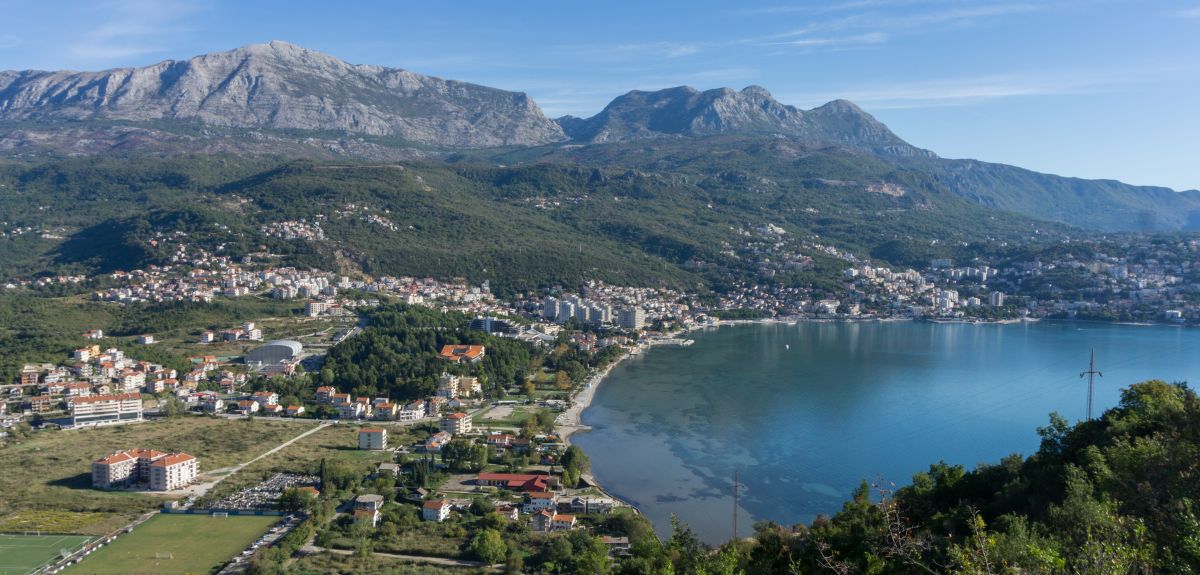
Cascading down the sun-drenched slopes of Mount Orjen toward the shimmering Adriatic, Herceg Novi is a botanical wonderland of stone stairs and secret gardens. Known as the City of Sun, it greets every traveler with the fragrance of mimosa and
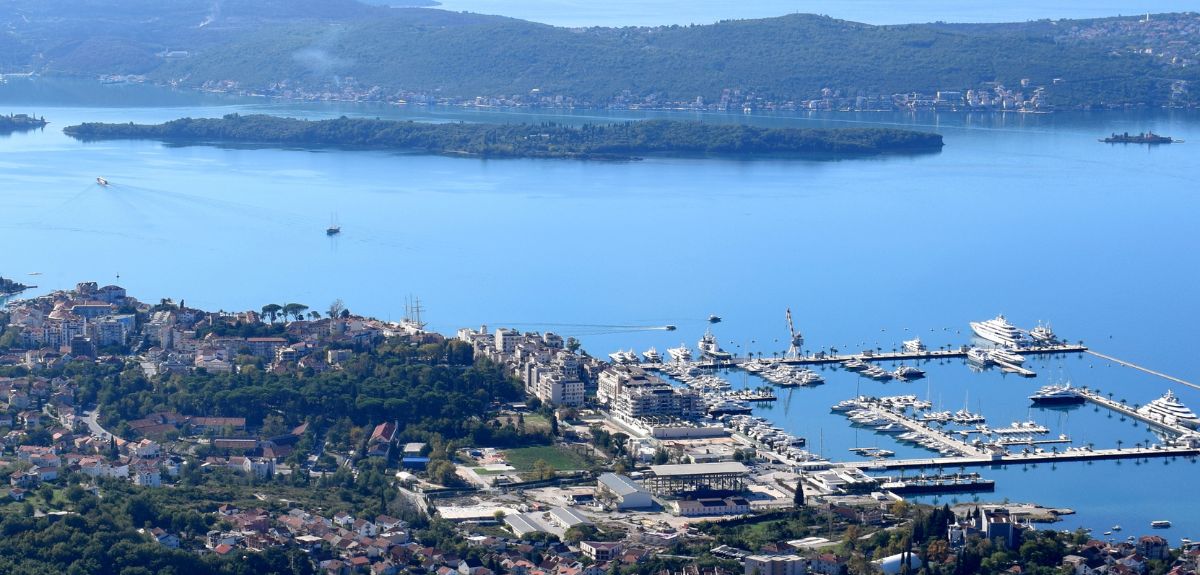
Glistening under the Adriatic sun, Tivat has transformed from a quiet coastal town into a sophisticated sanctuary where superyachts bob gently in sapphire waters. Walking along its palm-lined promenades feels like stepping into a Mediterranean dream, where the scent of
English is widely spoken in tourist areas, but a few phrases in Montenegrin/Serbian go a long way and earn smiles. Safety is generally solid for solo travelers or groups—I’ve wandered old towns at night without issues—but watch for pickpockets in busy spots like Budva’s beaches or Kotor during cruise ship arrivals. Roads are decent but winding, so drive carefully or stick to buses/boats.
The culture shines through in long meals, lively promenades, and a deep pride in their history—from Venetian influences to Ottoman touches. You’ll feel it in the fresh seafood, local wines from places like Plantaže, and those golden-hour views that make you want to stay longer. Montenegro rewards the curious traveler with authentic experiences rather than over-commercialized ones.
Grab our interactive maps for Kotor, Budva, Podgorica, Herceg Novi, and Tivat, and start mapping out your adventure. Explore cities, plan smart, travel better!