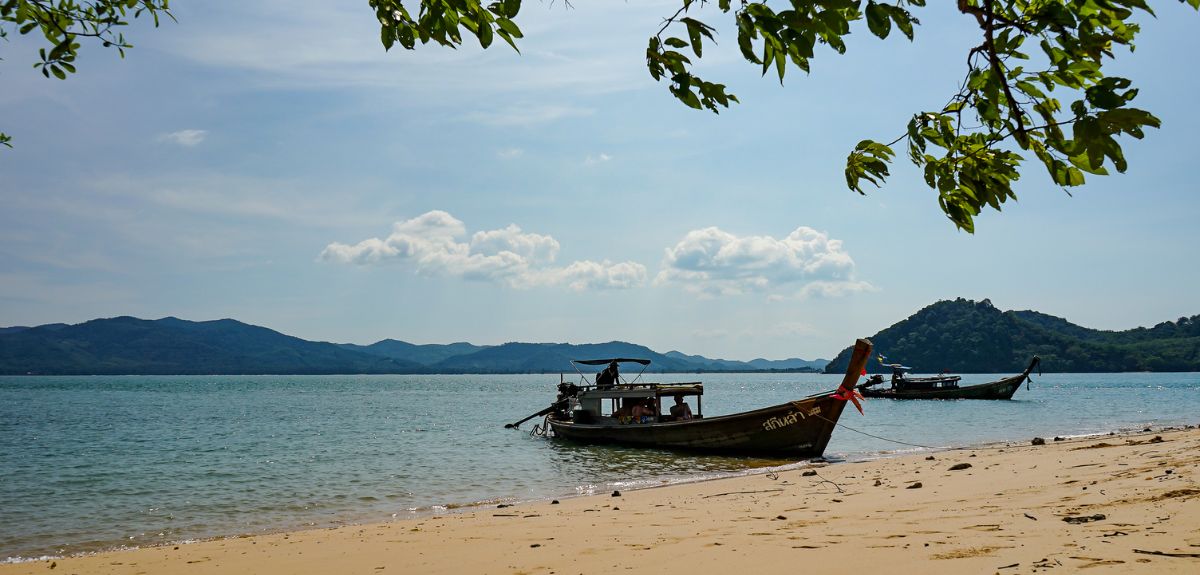
If you’re dreaming of a trip to Thailand, you’re in for something special. I’ve spent a ton of time wandering this incredible country—dodging tuk-tuks in Bangkok, hiking temple-dotted mountains around Chiang Mai, floating past limestone cliffs in Krabi, and chasing that perfect sunset over Phuket’s beaches. Thailand’s got it all: chaotic energy, serene temples, jaw-dropping islands, spicy street food that ruins you for anything else, and people who’ll greet you with a genuine smile even when the heat is melting you. Whether you’re chasing temples, beaches, night markets, or just that feeling of being completely alive, Thailand’s cities deliver. Let me take you through my top picks for the best cities to visit, with practical tips and a few of my own stories so you can plan smart and travel better.
Thailand hits every sense at once. One minute you’re sweating through golden temple courtyards, the next you’re sipping a cold Chang beer while the sky turns pink over the Andaman Sea. I’ve narrowed it down to five must-visit spots that give you the full flavor of the country: Bangkok, Chiang Mai, Phuket, Krabi, and Ayutthaya. Each one has its own rhythm, and I’ll point you toward the detailed guides so you can dig deeper. You’ll also get the real-talk on costs, money-saving hacks, and what it actually feels like to move through Thailand’s streets, markets, and islands.
Top Cities to Visit in Thailand
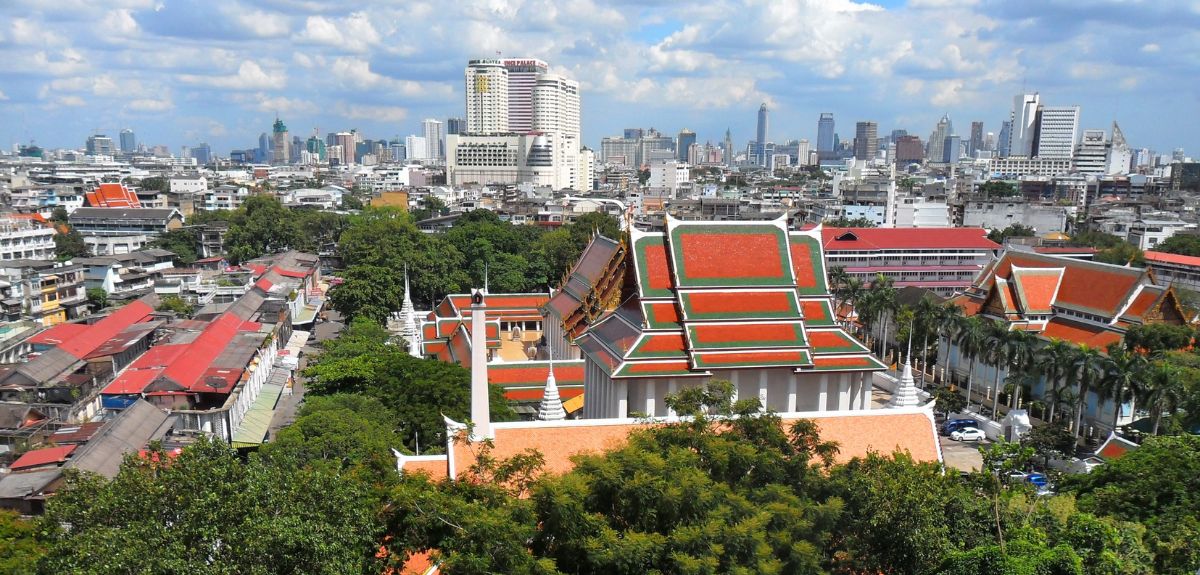
- Bangkok: The electric capital where golden temples, chaotic markets, and rooftop bars collide—start with the Grand Palace and Wat Pho, then lose yourself in the street food and river life.
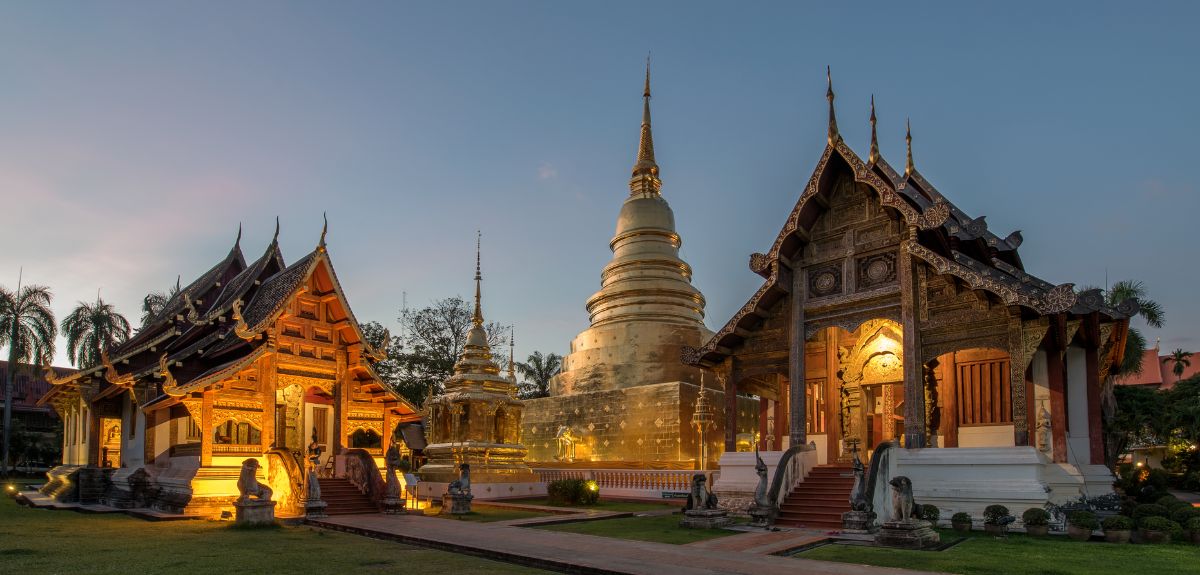
- Chiang Mai: Northern Thailand’s laid-back cultural heart, full of ancient Lanna temples, misty mountains, night markets, and some of the best food in the country.
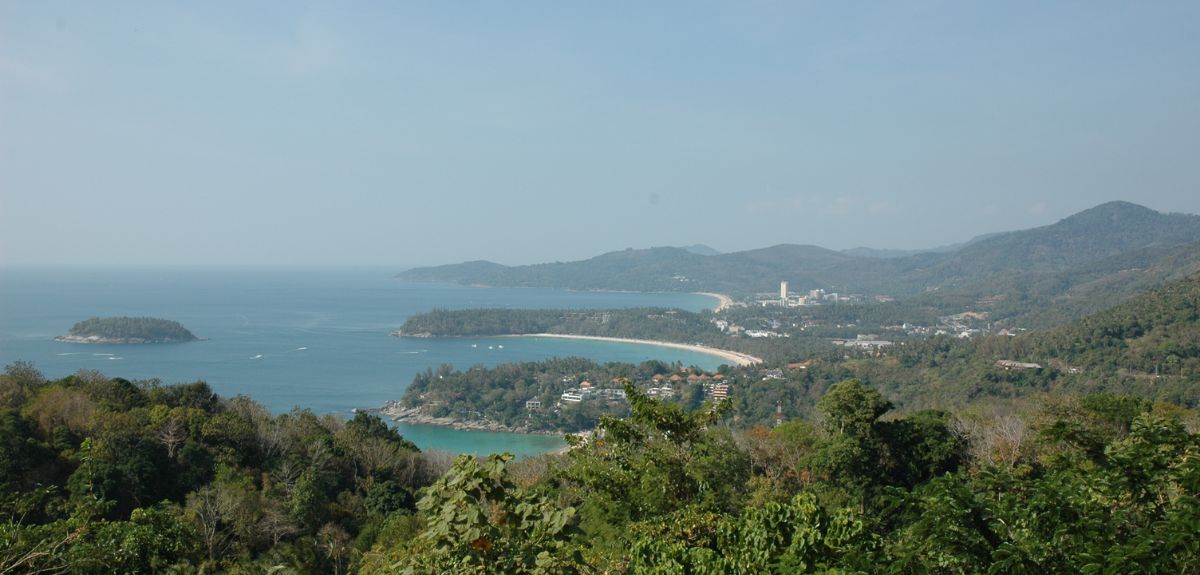
- Phuket: Thailand’s biggest island playground with beaches, Big Buddha views, old-town Sino-Portuguese charm, and easy access to Phi Phi and Phang Nga Bay.
- Krabi: Dramatic limestone cliffs, turquoise water, Railay Beach, and island-hopping paradise without the full Phuket intensity.
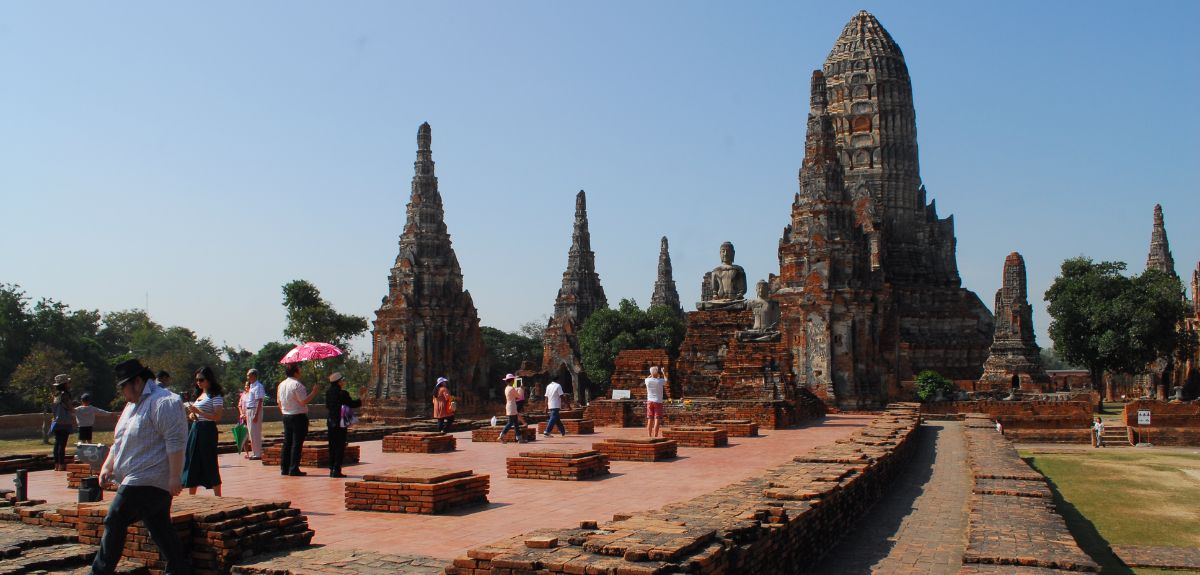
- Ayutthaya: The atmospheric UNESCO ruins of the old Siamese capital, just a short trip from Bangkok, where crumbling temples and Buddha heads in tree roots feel like stepping into another century.
Accommodation – Mid-range hotels or nice guesthouses with AC and private bathrooms usually run $40–90 USD per night for a double in Bangkok, Chiang Mai, or Phuket (a bit less in Ayutthaya and sometimes Krabi). Hostels are cheap—dorm beds often $8–15 USD. Budget private rooms start around $20–40 USD. Luxury resorts or beachfront spots in Phuket and Krabi can hit $150–300+ USD, especially in high season (November–February). Book ahead or travel in the shoulder months (May–June, September–October) to save real money.
Food – Thailand is still one of the best-value food destinations on earth if you eat like a local. Street food meals (pad Thai, mango sticky rice, grilled skewers, khao soi) cost $1.50–4 USD. A solid restaurant meal runs $5–12 USD. In Chiang Mai I still get blown away by a big bowl of khao soi for under $3. Coffee and a pastry? $2–4 USD. Western or tourist-restaurant meals jump to $10–20 USD, and fancy rooftop dinners or seafood spreads can hit $30–60+ USD per person—but you honestly never need to go there to eat incredibly well.
Transportation – Domestic flights between Bangkok, Chiang Mai, and Phuket are often $25–80 USD if you book ahead. Overnight trains (Bangkok–Chiang Mai) start around $15–40 USD for a sleeper. Buses are cheaper still. In cities, the Bangkok BTS/MRT is $0.50–1.70 per ride. Songthaews (shared pickup trucks) and local buses are usually under $1–2 USD. Grab (the local Uber equivalent) is cheap and reliable—$3–8 USD for most city trips. Scooter rentals run $6–12 USD per day (helmets and insurance matter).
Activities – Many temples are free or donation-based; major ones have fees. Grand Palace is about $15 USD. Ayutthaya major temples are roughly $1.50–2.50 USD each (or a combo pass around $6–9 USD). Island day trips from Phuket or Krabi cost $40–70 USD. Thai cooking classes run $25–45 USD. Ethical elephant sanctuary visits are typically $50–100 USD. Thai massage is a steal at $8–15 USD for an hour.
Thailand has this magnetic pull that makes a lot of people extend their trip without meaning to. It’s a place where ancient and modern slam into each other in the best way—golden temples next to neon nightlife, quiet mountain trails a short ride from buzzing night markets, and beaches that still stop you in your tracks even after you’ve seen a hundred photos.
Expect sensory overload in the best sense. Bangkok is pure energy: heat, traffic, incense, sizzling woks, and sudden moments of calm inside a temple courtyard. Chiang Mai feels slower and greener, with cooler nights and a creative, backpacker-friendly vibe. Phuket and Krabi deliver the postcard beaches and dramatic cliffs, but they’re different flavors—Phuket is bigger and more developed, Krabi feels a bit more rugged and scenic. Ayutthaya is the quiet history hit, best as a day trip or overnight from Bangkok, where the ruins and tree-wrapped Buddhas make time feel different.
Weather is a big part of the experience. The cool, dry season (roughly November–February) is the most comfortable for almost everywhere. March–May gets seriously hot. The rainy season (May–October on the Andaman side) brings afternoon showers but also greener landscapes and lower prices. Locals are generally warm and patient, though English levels vary—learning a few phrases (“sawasdee,” “khob khun,” “aroi mak”) goes a long way and usually earns you bigger smiles.
Safety-wise, Thailand is generally very safe for travelers, including solo ones. Violent crime against tourists is rare. The real things to watch are petty theft and scams in crowded tourist zones (Khao San, Chatuchak, Patong, busy night markets). Keep your phone and bag secure, use Grab instead of random tuk-tuks when possible, and ignore anyone who tells you a major temple is “closed today.” Traffic is the bigger everyday risk—motorbikes and chaotic roads demand attention. Public transport and trains between major spots are reliable.
Thailand’s culture is its heartbeat. You’ll feel it in the early-morning temple visits, the late dinners, the respect for the monarchy and Buddhism, and the easy laughter that breaks out over shared food. Whether you’re floating down the Chao Phraya, watching lanterns in the north, or just sitting on a plastic stool eating the best meal of your life for a few dollars, the place has a way of making you slow down and actually be there.
Grab our interactive maps for Bangkok, Chiang Mai, Phuket, Krabi, and Ayutthaya, and start mapping the trip that fits you. Explore cities, plan smart, travel better.