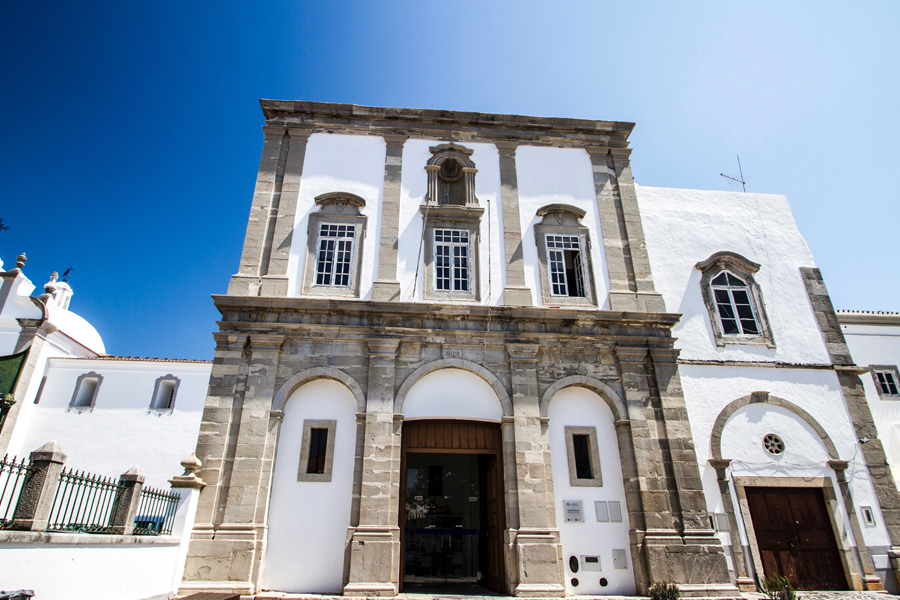






Description
Housing a staggering collection of over 450,000 artifacts, the National Museum of Transylvanian History is a premier European archaeological powerhouse. Walking through its historic halls in Cluj-Napoca hits different, offering a deep dive into the soul of Transylvania where ancient Dacian treasures and medieval relics bring centuries of legends to life.
Why is this experience so famous?
The National Museum of Transylvanian History is consistently ranked as a premier cultural institution and the most prestigious archaeological museum in the region, amassing nearly half a million artifacts. People rave about its breathtaking “crowd-pleasers,” including the uniquely preserved Ancient Egypt exhibition and one of the largest hoards of bronze artifacts in Europe. It is a must-do because it offers far more than a basic tour; it is a cinematic, cultural deep dive that allows you to walk through the authentic soul of this legendary land, from the mysteries of the Dacian ages to the grandeur of the Roman and Medieval eras.
Is it worth visiting?
Absolutely, especially if you are a history enthusiast seeking a deep dive into Romania’s ancient and medieval past. You will be captivated by specific highlights like the extensive Roman Lapidarium, the unique Egyptian exposition featuring mummies, and the fascinating collection of Dacian gold artifacts. The atmosphere is educational and professionally curated, offering a high-value experience with knowledgeable staff eager to share the region’s stories. This museum is highly rated and consistently praised in positive reviews as a mandatory stop for anyone visiting Cluj-Napoca. Skip the hassle of waiting in line, book online today to reserve now and pay later, and benefit from the flexibility of free cancellation.
What’s the best time to visit?
For the best experience, aim for spring (April-May) or autumn (September-October) when temperatures are mild and the city is vibrant. Summer brings peak festival crowds and higher demand. For a peaceful visit, arrive on weekday mornings right at 10 AM to avoid the rush. Avoid Mondays when the museum is closed, and weekends to skip the largest local and tourist crowds.
How much time should I allow for this experience?
Allow a total of 2 to 3 hours for a basic visit focused on the main masterpieces and primary archaeological galleries. If you are a history enthusiast and plan for a more thorough experience, including the extensive lapidarium and temporary exhibitions, budget for a complete 4 to 6 hours. Always allow an extra 30 minutes of buffer time for ticket lines and security, especially during peak afternoon hours. This visit is best scheduled as a centerpiece for your morning to avoid the rush, or as a late afternoon activity to enjoy a quieter environment before closing.
Is it better to go in the morning or afternoon?
Deciding between a morning or afternoon visit to the National Museum of Transylvanian History depends on how you want to pace your exploration of Cluj-Napoca’s deep heritage.
The Morning Advantage: Visiting right at opening is for the focused historian. You benefit from the highest energy levels and the quietest galleries, allowing you to examine monumental Dacian and Roman artifacts without the distraction of school groups or peak-hour foot traffic. It is a crisp, intellectual way to start your day in the heart of Transylvania.
The Afternoon Advantage: An afternoon visit offers a more relaxed, contemplative pace. The museum’s historically significant building takes on a different character as the daylight shifts, providing a calm sanctuary from the bustling city outside. It serves as a perfect cultural transition before moving into Cluj’s vibrant evening scene.
My Recommendation: For a scholarly museum of this depth, my recommendation is the Morning. This is a dense, artifact-heavy experience that requires mental freshness to fully appreciate the transition from ancient times to the medieval era. Starting early ensures you aren’t “museumed out” by other sightseeing before you even arrive.
Insider Tip: Aim to arrive between 10:00 AM and 11:00 AM. This window typically lands after the initial opening rush but before any midday groups arrive, granting you the most intimate connection with the exhibits.
This timing sets you up perfectly for the rest of your day; as you emerge from the museum around lunchtime, you are steps away from the cafes of Museum Square (Piața Muzeului), where you can reflect on Transylvania’s rich history over a traditional Romanian meal.
In summary, this is a must-do, insightful cultural experience that offers a deep dive into Transylvania’s history from Dacian to Medieval times. Plan to allow 1.5 to 2 hours for your visit, and the best seasons to explore are Spring or Fall. Booking online provides excellent flexibility with reserve now and pay later options and free cancellation benefits. Secure your tickets now.
Copyright & Affiliate Notice: Image Credit: Wikimedia Commons – Image licensed under Creative Commons via Wikimedia Commons. This site contains affiliate links. We may earn a commission if you buy through our links – at no extra cost to you.