

Get Inspired

Itineraries

Travel Guides

About Me

Top
  >  Saudi Arabia   >  Best Places to Visit in Al-Ula
best places to visit in al ula

Nestled deep within the golden sands of Saudi Arabia lies a sanctuary where time itself seems to whisper secrets of ancient kings and forgotten civilizations. Al-Ula is an oasis of glamorous mystique, where dramatic sandstone canyons rise majestically from the desert floor and thousands of years of human history are written into the very stone, inviting modern explorers to step into a real-life mirage of luxury and heritage.

Why Visit Al-Ula?

From architectural wonders that blend seamlessly into the desert landscape to pristine UNESCO sites untouched by time, Al-Ula offers an exclusive journey into the extraordinary. Here is why this legendary oasis belongs at the pinnacle of your travel desires:

  • Hegra: Marvel at Saudi Arabia’s first UNESCO World Heritage site, where monumental Nabataean tombs carved directly into monolithic desert rocks stand in majestic, silent grandeur.
  • Maraya: Experience a true architectural masterpiece at this Guinness World Record-holding concert hall, wrapped in thousands of mirrors that beautifully reflect the sweeping desert canyons.
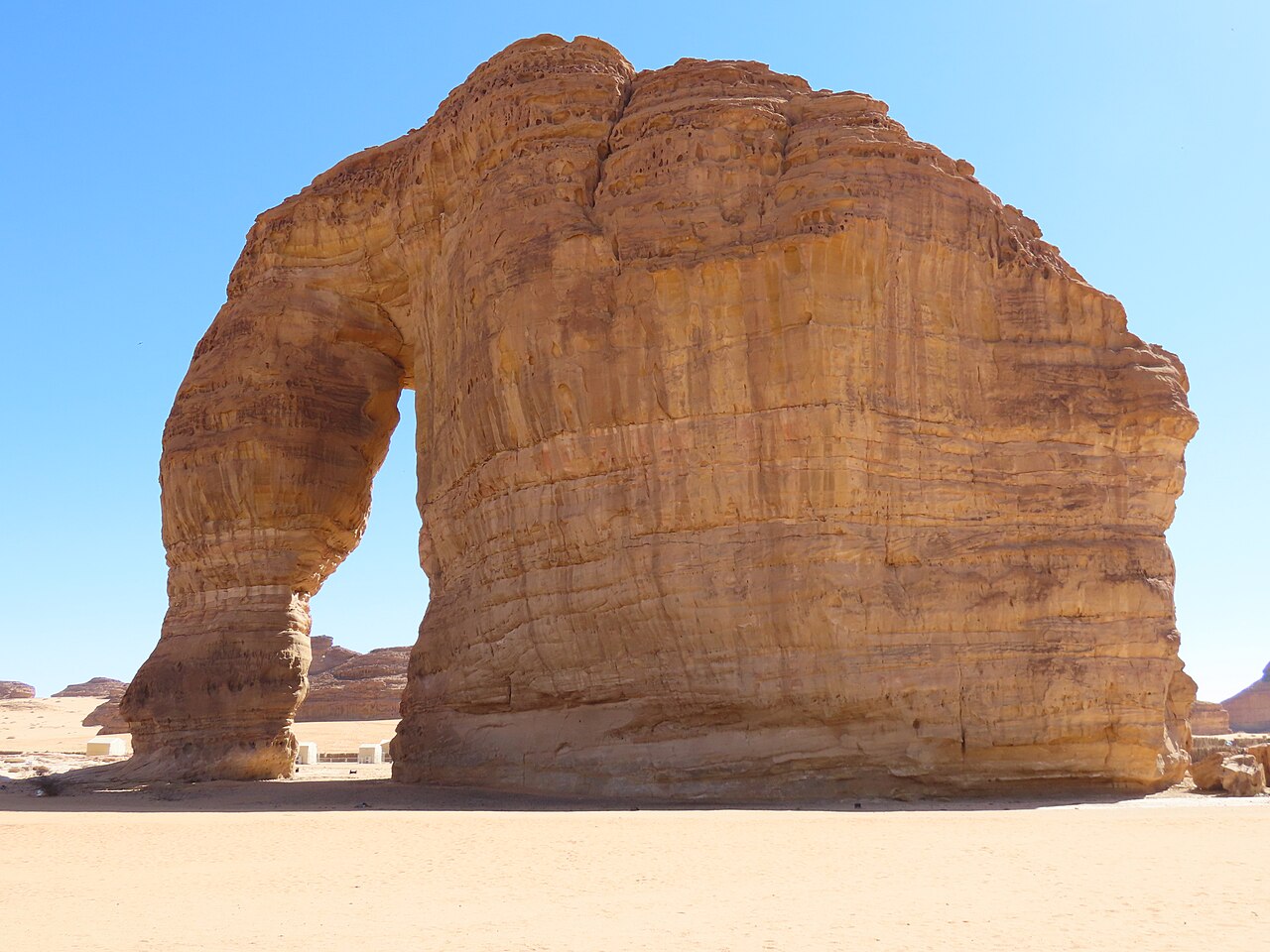
  • Elephant Rock: Sip artisan coffee under a blanket of stars beside Jabal AlFil, a massive natural sandstone formation sculpted by wind and time into the iconic shape of an elephant.
  • AlUla Old Town: Wander through a atmospheric maze of abandoned mudbrick and stone houses, retracing the ancient paths of pilgrims and traders who walked here centuries ago.
  • Harrat Viewpoint: Ascend to a high volcanic plateau for breathtaking, panoramic views of the entire lush oasis below, especially magical as the sun sets over the golden horizon.

Whether you are tracing ancient rock art or indulging in world-class desert hospitality, Al-Ula promises an enchanting, soulful escape that will linger in your memories forever.

AL-ULA KEY INFO

Everything you need to hit the ground running.

WHEN TO VISIT

November to March for comfortable outdoor sightseeing and desert festivals; Autumn for fewer crowds and warm wellness retreats.

HOW TO GET THERE

Fly into Al-Ula International Airport (ULH). It’s a taxi or car rental to the city center (~25-35 min).

HOW TO GET AROUND

Car hire! Sights are vastly spread out across the desert terrain, making driving essential. Rent a vehicle at the airport or use the Darb AlUla ride-share app.

IDEAL TRIP LENGTH

2-3 days for the city itself, but 4-5 days if you want to enjoy the amenities of luxury desert resorts and historical tours at a slower pace.

What is Al-Ula Mainly Known For?

Al-Ula is famous for Hegra, Saudi Arabia’s first UNESCO site featuring monumental Nabataean tombs carved into desert rocks. It’s also known for Maraya, a stunning Guinness World Record-holding mirrored concert hall. Beyond the sights, it’s known as the world’s largest living museum, where thousands of years of history blend with luxury desert hospitality.

Is Al-Ula a Walkable City?

Mostly, but only in specific zones. The historic Old Town and Oasis paths are beautiful, pedestrian-only areas where I loved soaking in the peaceful desert vibe without traffic noise. However, the main sites are far apart, requiring a car or tour to travel between them.

Is it safe to walk in Al-Ula at night? Absolutely. Saudi Arabia is incredibly safe, and I felt completely at ease wandering the well-lit heritage areas late, though standard common sense applies.

What Is the Best Neighborhood to Walk Around?

AlUla Old Town is the winner. Tucked between sheer sandstone cliffs and a lush palm grove oasis, this historic settlement glows with ancient mudbrick buildings and a dense labyrinth of winding, shaded alleys. For something completely different, walk over to AlJadidah, a bohemian arts district boasting vibrant squares, hand-painted carpets, and a creative hub of trendy eateries.

What Are the Best Things to Do in Al-Ula? (For Your First Visit)

I visited Al-Ula without a strict day-by-day plan. I wanted to take my time, enjoy the desert luxury and ancient mystique, and see where the streets took me. I wrote down a few highlights and hit the ground running. Here are the spots I definitely recommend checking out:

Hegra

Uncover ancient desert mystique at Saudi’s first UNESCO wonder. Marvel at 111 monumental tombs carved into massive sandstone cliffs. Entry around $60. Pro tip: Book a vintage Land Rover tour for the ultimate atmospheric experience. Check availability and explore popular experiences.

Hegra

Credit: Wikimedia Commons

Elephant Rock

Sip artisan coffee under a blanket of stars beside this massive natural sandstone masterpiece. Vibe with late-night desert hospitality and iconic canyon views. Price: Free entry. Pro tip: Visit during golden hour for the ultimate glowing photo backdrop. Check availability and explore popular experiences.
Elephant Rock
Credit: Wikimedia Commons

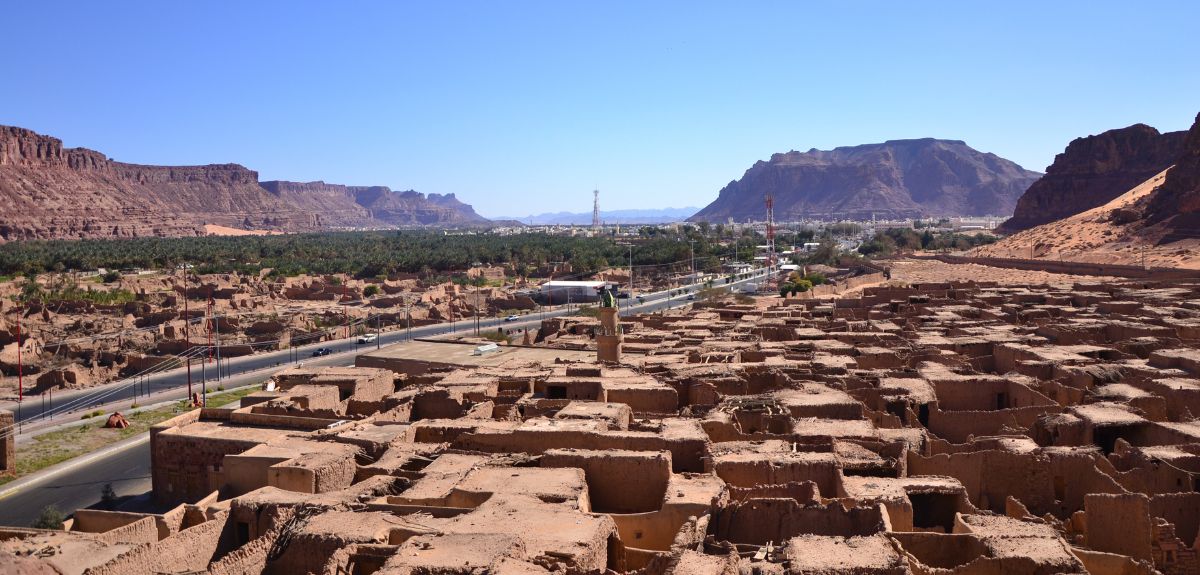
AlUla Old Town

Get lost in an ancient mudbrick maze glowing with desert history. Explore shaded ruins and vibrant alleys. Price: Free. Pro tip: Visit at dusk when the stone facades beautifully light up and the neighboring arts district comes alive. Check availability and explore popular experiences.

AlUla Old Town
Credit: Wikimedia Commons

Dadan

Step into an ancient desert capital carved into red rock cliffs. Marvel at the legendary Lion Tombs cut 50 meters high. Tours start around $70. Pro tip: Combine it with Jabal Ikmah to see the open-air inscription library. Check availability and explore popular experiences.
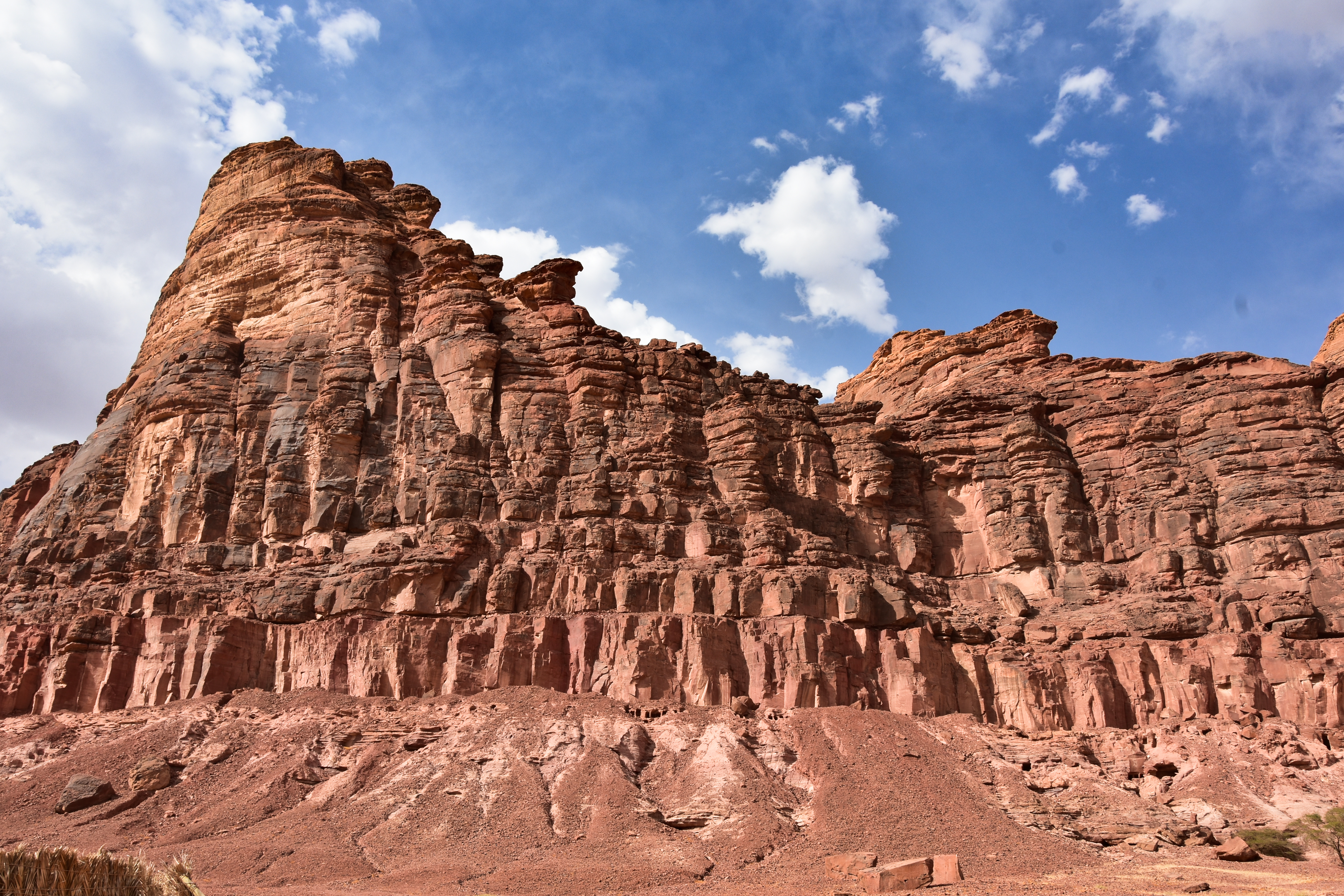
Dadan
Credit: Wikimedia Commons

Jabal Ikmah

Explore an ancient open-air library carved into canyon walls. Discover hundreds of centuries-old Dadanitic inscriptions. Entry around $16 (via tour). Pro tip: Pre-book your slot in advance, as daily tours sell out fast during peak season. Check availability and explore popular experiences.

Jabal Ikmah
Credit: Wikimedia Commons

Maraya

Vibe with the world’s largest mirrored building, reflecting stunning desert canyons like a mirage. Check out the 500-seat theater and panoramic views. Price: Free to view outside. Pro tip: Visit at sunset for mind-blowing golden reflections. Check availability and explore popular experiences.

Maraya
Credit: Wikimedia Commons

Harrat Viewpoint

Stand at the edge of the world on this volcanic plateau. Gaze over deep canyons, oases, and ancient lava fields. Price: Free entry. Pro tip: Arrive at sunset for epic golden hour photos and bring a warm jacket. Check availability and explore popular experiences.

Harrat Viewpoint

Credit: Get Your Guide

AlUla Oasis

Stroll through a lush palm paradise nestled between desert canyons. Vibe with thousands of date palms and cool heritage trails. Price: Free. Pro tip: Wander the shaded paths at sunset when the orange light filters through the fronds. Check availability and explore popular experiences.

AlUla Oasis
Credit: Wikimedia Commons

Tomb of Lihyan Son of Kuza

Marvel at Hegra’s most iconic masterpiece, a towering 72-foot monolithic tomb standing alone in the desert sand. Behold its massive four-column facade. Entry included with Hegra tour (around $60). Pro tip: Visit at sunset for a breathtaking golden glow. Check availability and explore popular experiences.

Tomb of Lihyan Son of Kuza

Credit: Wikimedia Commons

Jabal Ithlib

Hegra’s ultimate spiritual canyon. Wander a narrow siq to the rock-cut Diwan and ancient Nabataean inscriptions. Vibe: mysterious desert majesty. Price: Free (included in Hegra ticket). Pro tip: Visit at sunset for dramatic canyon shadows. Check availability and explore popular experiences.

Jabal Ithlib

Credit: Wikimedia Commons

What Part of Al-Ula is Best for Tourists?

Stay in the Old Town. Everything will be within a 10-minute walk. If you want something a bit more local but still close, the Ashar Valley is lovely—it features luxury desert resorts nestled amidst stunning sandstone canyons.

What to Know Before Going to Al-Ula

  • Stick to Bottled: Tap water in Saudi Arabia is not potable; always drink bottled or filtered water.
  • English is Widespread: English is widely spoken in AlUla, especially by tour guides and hospitality staff.
  • No City Card: AlUla does not offer a unified city tourist pass; buy individual attraction tickets instead.
  • Prayer Time Closures: Shops don’t close for Sundays, but they briefly close daily during the five prayer times.
  • Tipping is Appreciated: Tipping is not mandatory but highly appreciated, typically 10-15% for good sit-down service.

How Many Days Do I Need in Al-Ula?

3 days is the ideal duration for first-time visitors to balance ancient archaeological wonders, towering rock formations, and modern architectural marvels.

  • Day 1: Hegra, Elephant Rock, Tomb of Lihyan Son of Kuza, Jabal Ithlib.
  • Day 2: AlUla Old Town, Dadan, Jabal Ikmah, Maraya.
  • Day 3: Stroll through the lush palm groves of AlUla Oasis or catch the sunset from Harrat Viewpoint.

Suggested daily budget – 230-320 EUR / 250-350 USD (Note: This covers mid-range 3-star hotels or apartments, dining at casual local restaurants, and a rental car or group tours. You can go cheaper if you book local holiday homes and eat at fast food chains or visit free areas like the Old Town North).

MONEY SAVING TIPS

  1. Dine Like a Local: Skip the pricey resort restaurants and grab a budget-friendly Mandi Chicken or half Madhbi Chicken for around 18 SR at AlUla Palace Restaurant & Kitchen, or try cheap local street food like falafel and samboosa at the small cafés in Old Town.
  2. Explore the Old Town for Free: Take advantage of AlUla’s rich heritage without spending a dime by exploring the historic AlUla Old Town or wandering the scenic Oasis Heritage Trail, both of which are completely free and open to all visitors.
  3. Secure a Package Deal: Because public transit options are limited and sights are vastly spread out across the desert terrain, save on mandatory transport by combining your flight, hotel, and car rental using package deals on travel platforms like Expedia.
  4. Sunset at Harrat Viewpoint: Avoid expensive evening excursions by packing your own drinks or snacks from a local western grocery store and heading up to the Harrat Viewpoint or Elephant Rock to enjoy a magical, low-cost sunset and stargazing experience.

What’s the Best Month to Visit Al-Ula?

April and October are the sweet spots for visiting Al-Ula. These shoulder-season months offer comfortable weather and dropping prices, allowing you to explore the ancient ruins while avoiding the extreme summer heat and peak winter crowds. However, January is a magical alternative, offering ideal conditions to witness archaeological wonders and enjoy the lively Winter at Tantora festival.

How to Get to Al-Ula

Most international travelers fly into AlUla International Airport (ULH). Direct flights arrive from regional hubs like Dubai and Doha, while long-haul travelers typically connect through Riyadh or Jeddah.

  • From the airport: The city center is a 30-to-45-minute drive. Private car transfers, taxis, or ride-sharing apps are available, typically costing around $30 to $50 depending on the vehicle type.
  • By Train: The historic Hijaz Railway station is defunct, but a sustainable AlUla tramway system is currently under development to connect the airport with major historical sites.

How to Get Around Al-Ula

Rent a car – it is the absolute best way to navigate this vast desert terrain.

  • Car Rental: Non-negotiable for this location as sights are widely spread out. Use DiscoverCars to compare prices and secure a vehicle.
  • Walking: Impossible for the region as a whole, but excellent within specific zones like AlUla Old Town and the Oasis paths.
  • Uber/Bolt: Not reliable or widely available for long-distance desert travel.
  • Tours: Highly recommended for non-drivers to easily reach remote historical sites and viewpoints.

Tips for first-timers: Avoid relying on walking between major landmarks—sights are vastly spread out across the desert terrain, making it impossible. Rent a vehicle at the airport or use the local ride-share app instead!

Al-Ula is the kind of place that lingers in your memory. It is a mystical sanctuary where ancient Nabataean history and dramatic sandstone canyons intertwine, defined by its monumental tombs, whispering desert winds, and a timeless, profound silence. This breathtaking oasis invites you to slow down, leaving you with a renewed sense of wonder.

Note: This article contains affiliate links. If you purchase something I’ve recommended, I’ll earn a small commission at no extra cost to you. I really appreciate your support and I hope this guide helps you ♡

post a comment