



Get Inspired

Itineraries

Travel Guides

About Me

Top
  >  United States   >  Best Places to Visit in Seattle
best places to visit in seattle

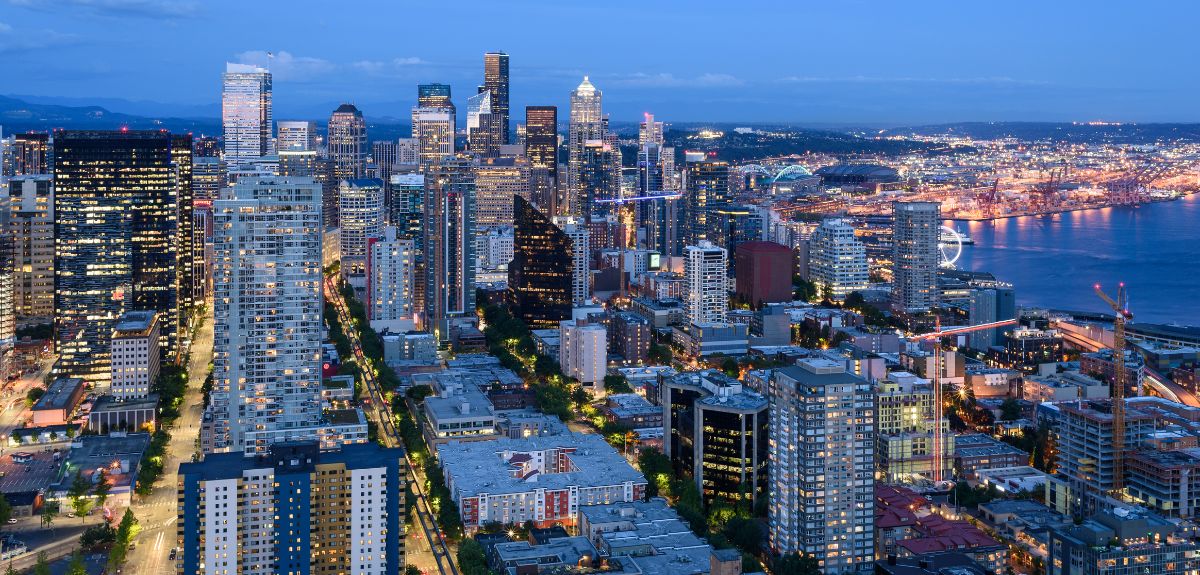
Seattle sits on a narrow strip of land between two large bodies of water, Puget Sound and Lake Washington, with the Olympic and Cascade mountain ranges visible on clear days from nearly anywhere downtown. It’s a city built by fishing, timber, aerospace, and tech booms, and each era left something behind: a century-old public market, a coffee culture that shaped how the world drinks the stuff, and a skyline punctuated by a futuristic tower built for a 1962 World’s Fair. Add genuinely excellent seafood and a scattering of distinct, walkable neighborhoods, and Seattle rewards more than a quick weekend layover.

Why Visit Seattle?

Whether you’ve come for the views, the food, or the particular mix of nature and city that defines the Pacific Northwest, Seattle offers plenty to fill a trip:

  • Space Needle: Ride to the observation deck of this 1962 World’s Fair icon for 360-degree views over the city, the Sound, and the mountains on a clear day.
  • Pike Place Market: Wander one of the oldest continuously operating public markets in the country, famous for flying fish, fresh flowers, and the original Starbucks storefront nearby.
  • Museum of Pop Culture: Step inside Frank Gehry’s shimmering, deliberately chaotic building, home to exhibits on music, science fiction, and pop culture history.
  • Kerry Park: Get the classic postcard shot of the Seattle skyline, Space Needle included, from this small hillside viewpoint in Queen Anne.
  • Pioneer Square: Walk the city’s oldest neighborhood, its Victorian-era brick buildings and cast-iron pergola marking the original heart of 19th-century Seattle.

Seattle rewards a bit of neighborhood-hopping rather than sticking to a single downtown core. Between the market, the waterfront, and a handful of distinct districts each with their own character, it’s a city that opens up the more ground you cover.

SEATTLE KEY INFO

Everything you need to hit the ground running.

WHEN TO VISIT

July to September for the driest, sunniest weather; expect rain for much of the rest of the year, though it’s rarely severe

HOW TO GET THERE

Fly into Seattle-Tacoma International Airport (SEA). The Link light rail connects directly downtown in about 35-40 minutes.

HOW TO GET AROUND

Seattle is walkable within downtown and individual neighborhoods, with the Link light rail, buses, and a monorail covering longer distances. An ORCA card works across most transit.

IDEAL TRIP LENGTH

3-4 days for the core sights, but 5-6 days if you want to add neighborhoods like Fremont and Ballard, or a day trip to the Olympic Peninsula.

What is Seattle Mainly Known For?

Seattle is known as the birthplace of Starbucks and grunge music, home to a coffee culture and a 1990s music scene that both shaped wider American culture. It’s also known as a major hub for aerospace and technology, with Boeing’s manufacturing roots and headquarters for Amazon and Microsoft nearby shaping the city’s modern economy. Beyond the industry, Seattle is famous for its setting: framed by water on multiple sides, with Mount Rainier visible on clear days and a genuinely lush, green landscape that earns the city its “Emerald City” nickname.

Is Seattle a Walkable City?

Yes, within downtown and most individual neighborhoods, which tend to be dense and pedestrian-friendly. The city’s hills, particularly around downtown and Capitol Hill, can make for a genuine workout, and getting between more distant neighborhoods like Fremont or Ballard is more practical by bus, bike, or rideshare.

Is it safe to walk in Seattle? Yes, generally, in downtown, Pike Place Market, and most neighborhoods, including in the evening. As in any city, some areas warrant more caution after dark; use standard awareness of your surroundings.

What Is the Best Neighborhood to Walk Around?

Capitol Hill is the standout, a dense, walkable neighborhood with a strong nightlife and coffee shop scene alongside Volunteer Park’s gardens and conservatory. For a different pace, Pioneer Square’s brick streets and historic architecture offer a compact, quieter walk through the city’s original downtown core.

What Are the Best Things to Do in Seattle? (For Your First Visit)

I treated Seattle Center and the waterfront as one cluster of sights and gave separate half-days to the outlying neighborhoods, rather than trying to string everything into a single long walk. Here’s what stood out:

Space Needle

Built for the 1962 World’s Fair, this 605-foot tower remains one of the most recognizable structures on the West Coast, with an observation deck and a rotating glass floor level offering views over the city, Puget Sound, and the Olympic and Cascade mountain ranges on a clear day. Price: ~$40 for adults. Pro tip: Buy a combo ticket with Chihuly Garden and Glass next door, since both sit within the same Seattle Center complex. Check availability and explore popular experiences.

Space Needle Seattle
Credit: Wikimedia Commons

Pike Place Market

Open since 1907, this sprawling public market is packed with fishmongers, produce stalls, flower vendors, and small restaurants across multiple levels, with the original Starbucks store just a block away. The famous fish-throwing display at Pike Place Fish Market draws crowds throughout the day. Price: Free to browse. Pro tip: Go early on a weekday morning to see vendors setting up and to shop with far fewer crowds than the weekend rush. Check availability and explore popular experiences.

Pike Place Market Seattle
Credit: Wikimedia Commons

Museum of Pop Culture

Designed by Frank Gehry and opened in 2000, this deliberately unconventional building, its shimmering metal exterior inspired by smashed electric guitars, houses exhibits on music, science fiction, video games, and horror film history. Founded by Microsoft co-founder Paul Allen, it began as a museum dedicated to Jimi Hendrix and Seattle’s grunge scene before expanding into broader pop culture. Price: ~$35 for adults. Pro tip: Check the schedule for rotating exhibits, since the museum regularly swaps out major traveling shows alongside its permanent collection. Check availability and explore popular experiences.

Museum of Pop Culture Seattle
Credit: Wikimedia Commons

Kerry Park

This small hillside park in the Queen Anne neighborhood offers the definitive Seattle skyline photo, framing the Space Needle against downtown’s skyscrapers with Mount Rainier visible in the distance on clear days. It’s a quick stop rather than a destination in itself, but a genuinely essential one for photos. Price: Free. Pro tip: Visit at sunset or after dark, when the skyline lights up and the park fills with photographers timing the same shot. Check availability and explore popular experiences.

Kerry Park skyline view Seattle
Credit: Wikimedia Commons

Pioneer Square

Seattle’s oldest neighborhood, rebuilt in brick and stone after an 1889 fire destroyed the original wooden city, retains a dense concentration of Victorian-era architecture, art galleries, and the cast-iron and glass Pioneer Square Pergola, a National Historic Landmark. It’s also the starting point for the Seattle Underground Tour, which explores the city’s buried original street level. Price: Free to walk; the Underground Tour runs ~$25. Pro tip: Book the Underground Tour in advance, since it’s one of the most popular guided experiences in the city and can sell out on weekends. Check availability and explore popular experiences.

Pioneer Square Pergola Seattle
Credit: Wikimedia Commons

Discovery Park

Seattle’s largest park spans 534 acres of forest, meadows, and bluffs at the edge of Puget Sound, with nearly 12 miles of trails and views across the water to the Olympic Mountains. The West Point Lighthouse, built in 1881, sits at the park’s western tip and remains an active navigational aid. Price: Free. Pro tip: The full loop trail out to the lighthouse and back takes a few hours; wear real walking shoes, since parts of the trail cross sand and uneven terrain. Check availability and explore popular experiences.

West Point Lighthouse Discovery Park Seattle
Credit: Wikimedia Commons

Gas Works Park

Built on the site of a former coal gasification plant, this unusual park on the north shore of Lake Union preserves parts of the old industrial machinery as sculptural relics scattered across open lawns. Its hilltop offers one of the best sunset views over the lake and downtown skyline. Price: Free. Pro tip: Bring a picnic and climb to the top of the park’s grassy mound for the best combined view of the industrial remnants, the lake, and the skyline beyond. Check availability and explore popular experiences.

Gas Works Park Seattle
Credit: Wikimedia Commons

Seattle Great Wheel

This 175-foot Ferris wheel at the end of Pier 57 was the tallest on the West Coast when it opened in 2012, with enclosed, climate-controlled gondolas offering views over Elliott Bay, the downtown skyline, and the Olympic Mountains across the water. Price: ~$18-20 for adults. Pro tip: Ride at dusk to see the city transition from daylight to lit-up skyline over the course of the three rotations each ride includes. Check availability and explore popular experiences.

Seattle Great Wheel waterfront
Credit: Wikimedia Commons

Must-Do Activities in Seattle

To really get the most out of your trip, I recommend checking out these experiences:

No products were found!

What Part of Seattle is Best for Tourists?

Stay downtown or in Belltown for easy walking access to Pike Place Market, the waterfront, and Seattle Center. Travelers who want a livelier neighborhood base with more restaurants and nightlife sometimes choose Capitol Hill instead, a short bus or rideshare from downtown’s main sights.

What to Know Before Going to Seattle

  • Tap Water is Safe: Seattle’s tap water is clean and safe to drink straight from the tap.
  • Rain is Frequent but Usually Light: Seattle gets a lot of drizzly days, especially from October through April, but heavy downpours are rare; a light rain jacket beats an umbrella most locals skip.
  • Tipping is Standard: Tipping 18-20% at restaurants and for services is expected, in line with the rest of the U.S.
  • Hills are Real: Downtown and several neighborhoods have genuinely steep hills; comfortable shoes make a noticeable difference.
  • Sales Tax is Added at the Register: Washington state and local sales tax (around 10% in Seattle) is added to the listed price at checkout, not included upfront.

How Many Days Do I Need in Seattle?

3 to 4 days covers the core sights comfortably, with extra time well spent on outlying neighborhoods.

  • Day 1: Pike Place Market in the morning, Seattle waterfront and the Great Wheel in the afternoon.
  • Day 2: Space Needle and Museum of Pop Culture at Seattle Center, Kerry Park at sunset.
  • Day 3: Pioneer Square and the Underground Tour in the morning, Gas Works Park in the afternoon.
  • Day 4 (optional): Discovery Park for a longer nature walk, or a day trip to Bainbridge Island by ferry.

Suggested daily budget – 150-220 USD (Note: This covers a mid-range hotel, a mix of restaurant and casual meals, and light rail or bus fares. Seattle’s hotel prices run on the higher side for a U.S. city, especially in summer).

MONEY SAVING TIPS

  1. Use the Link Light Rail: Public transit covers the airport, downtown, and several neighborhoods efficiently and costs far less than rideshares.
  2. Visit Free Parks: Kerry Park, Gas Works Park, and Discovery Park cost nothing and offer some of the best views and green space in the city.
  3. Eat at Pike Place Market: The market’s food stalls offer high-quality, reasonably priced options compared to sit-down restaurants nearby.
  4. Buy a CityPASS if Visiting Multiple Paid Sights: Bundled tickets for attractions like the Space Needle, Chihuly Garden and Glass, and the aquarium can meaningfully cut costs if you’re hitting several of them.

What’s the Best Month to Visit Seattle?

July through September offer the driest, sunniest weather, making them the most popular months for outdoor sightseeing and mountain views. June and early October are reasonable shoulder-season alternatives with fewer crowds and still-decent weather. Winter months, from November through February, bring frequent light rain and overcast skies, though the city rarely gets snow and stays fully functional through the wet season.

How to Get to Seattle

Most travelers fly into Seattle-Tacoma International Airport (SEA), a major hub with extensive domestic and international connections. Amtrak’s Cascades and Coast Starlight routes also connect Seattle to Portland, Vancouver, and destinations further south.

  • From the airport: The Link light rail reaches downtown in about 35-40 minutes for a few dollars; taxis and rideshares take a similar amount of time and cost roughly $40-55.
  • Regional connections: Seattle is a natural base for day trips to Bainbridge Island by ferry, Mount Rainier National Park, or the Olympic Peninsula.

How to Get Around Seattle

Public transit and walking cover most of what a first-time visitor needs.

  • Link Light Rail: Connects the airport, downtown, and several neighborhoods; an ORCA card covers fares across most transit options.
  • Walking: Downtown, Pike Place Market, and Pioneer Square are all easily walkable, with steep hills in places.
  • Seattle Center Monorail: A quick, novel way to connect downtown to Seattle Center, running since the 1962 World’s Fair.
  • Washington State Ferries: A scenic and practical way to reach Bainbridge Island or other Puget Sound destinations, departing from the downtown waterfront.

Tips for first-timers: Pack a light rain layer regardless of season, since Seattle’s weather shifts quickly even in summer. Wear comfortable, sturdy shoes given the hills throughout downtown and several neighborhoods.

Seattle rewards travelers who embrace its mix of water, mountains, and city in equal measure. Between the market’s century-old energy, the skyline views from a handful of well-placed parks, and neighborhoods that each feel genuinely distinct, it’s a city that gives back generously to anyone willing to explore beyond the Space Needle.

Note: This article contains affiliate links. If you purchase something I’ve recommended, I’ll earn a small commission at no extra cost to you. I really appreciate your support and I hope this guide helps you

post a comment