



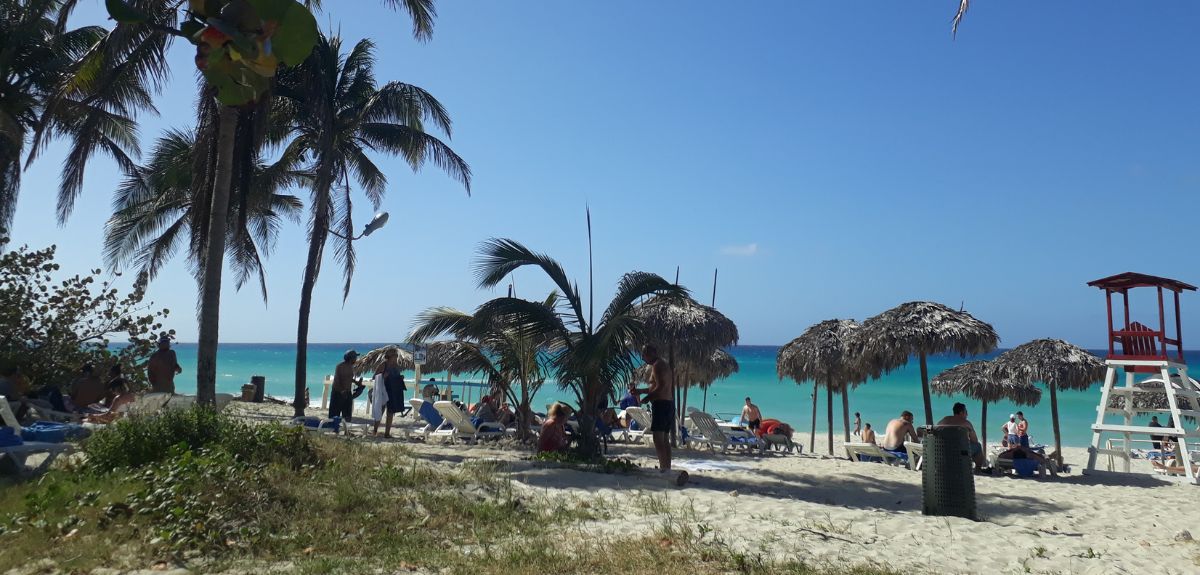
Stretched along the narrow Hicacos Peninsula on Cuba’s northern coast, Varadero is built around one thing: more than 20 kilometers of fine white sand facing the warm, turquoise water of the Straits of Florida. It’s Cuba’s biggest resort destination, but step past the all-inclusive hotel gates and you’ll find pirate caves, a Du Pont family mansion, a garden park older than the Cuban Revolution, and an easy day trip into Matanzas, the province the locals call the “Athens of Cuba.”
Why Visit Varadero?
Whether you came strictly for the beach chairs or want a few hours of history and nature between swims, Varadero packs a surprising range of things to do onto a peninsula just 1.2 km wide at its narrowest point:
- Varadero Beach: Walk (or just lie on) one of the longest, whitest beaches in the Caribbean, with calm, shallow water that’s ideal for swimmers of every level.
- Mansión Xanadú: Tour the four-story clifftop mansion built in 1930 by chemical magnate Irénée du Pont, now the clubhouse of the Varadero Golf Club.
- Parque Josone: Rent a rowboat or pedal boat on the park’s small lake, then eat at one of the restaurants tucked among the royal palms.
- Cueva de Ambrosio: Descend into a cave holding dozens of pre-Columbian pictographs left by the Taíno, hidden inside the Varahicacos Ecological Reserve.
- Cuevas de Bellamar: Take a half-day trip to Matanzas to see one of Cuba’s oldest and largest cave systems, discovered by accident in 1861.
Varadero rewards travelers who split their time between the sand and the peninsula’s smaller, quieter corners — the kind of places most resort guests never leave their hotel to see.
VARADERO KEY INFO
Everything you need to hit the ground running.
WHEN TO VISIT
November to April for dry, breezy weather; avoid June through November if you want to steer clear of hurricane season
HOW TO GET THERE
Fly into Juan Gómez International Airport (VRA), about 20 minutes by taxi from downtown Varadero
HOW TO GET AROUND
Walk or bike the peninsula’s main avenue, hop on the hop-on-hop-off Varadero Beach Bus Tour for longer distances, or flag a state taxi or coco-taxi
IDEAL TRIP LENGTH
4-6 days for the beach and in-town sights, or 7+ days if you want to add a day trip to Matanzas or Havana
What is Varadero Mainly Known For?
Varadero is known first for its beach: a 20-plus-kilometer stretch of pale sand that has made it Cuba’s largest and most visited resort area since the mid-20th century, when it was a playground for wealthy Americans, including Al Capone, who kept a house nearby. Beyond the sand, it’s known for Mansión Xanadú, the Du Pont family estate that still overlooks the golf course built on land the family once owned.
Is Varadero a Walkable City?
Within limits. Varadero is one long peninsula with a single main road (Avenida Primera / Autopista Sur) running its length, so getting from one end to the other on foot takes hours, not minutes. Walking within a few blocks of your hotel, or through downtown near Parque Josone, is easy and pleasant. Covering the full 20-km peninsula means renting a bike, a moped, or using the tourist bus.
Is it safe to walk around Varadero at night? Yes, generally — Varadero has a low crime rate compared to most Caribbean resort towns, and the main strip is well-lit and busy with tourists and staff well into the evening. Standard travel awareness still applies away from the hotel zone.
What Is the Best Area to Walk Around?
Downtown Varadero, around Calle 54 to Calle 64, is the winner. This stretch has the town’s shops, paladares (private restaurants), the Municipal Museum, and Parque Josone within walking distance of each other, without the sprawl of the resort zone further east. For a different pace, the eastern end near Marina Chapelin and the golf course feels more spread out and residential, with fewer crowds.
What Are the Best Things to Do in Varadero? (For Your First Visit)
Most visitors book Varadero for the beach and never plan a single excursion — that’s a mistake. Here’s what’s worth carving out time for beyond the hotel pool:
Varadero Beach
The main event. Soft, pale sand and shallow, warm water stretch the length of the peninsula, with the calmest, clearest sections generally found toward the eastern end near the marina. Price: Free and open to the public, even in front of the all-inclusive resorts. Pro tip: The stretch near Josone Park and downtown gets busy with day-trippers; walk 15–20 minutes east or west of your hotel for more open sand. Check availability and explore popular experiences.
Parque Josone
A shaded, green break from the beach in the middle of downtown Varadero. The park is built around a small lake where you can rent rowboats or pedal boats, surrounded by royal palms, a mini-golf course, and a handful of restaurants housed in older buildings. Price: Free to enter; boat rentals and mini-golf cost a small fee. Pro tip: Come in the late afternoon, when the heat breaks and the restaurants set up outdoor tables by the water. Check availability and explore popular experiences.
.jpg)
Mansión Xanadú
The clifftop, four-story house that chemical magnate Irénée du Pont built in 1930 on 180 hectares he bought on the peninsula. It now sits inside the Varadero Golf Club, functioning as the clubhouse, a small museum of the house’s original furnishings, a restaurant, and a rooftop bar with sweeping views over the golf course and the sea. Price: Free to walk through the ground floor; a small fee applies to visit the upper floors. Pro tip: Head straight to the rooftop bar at sunset, even if you skip the golf. Check availability and explore popular experiences.
Cueva de Ambrosio
A cave inside the Varahicacos Ecological Reserve holding dozens of pre-Columbian pictographs attributed to the Taíno, some estimated at more than 2,000 years old. The cave and reserve together are one of the only spots on the peninsula that still shows what the land looked like before the hotels arrived. Price: A modest entry fee covers the reserve and cave. Pro tip: Combine the visit with the reserve’s short hiking trail, which passes El Patriarca, a cactus believed to be several centuries old. Check availability and explore popular experiences.

Iglesia de Santa Elvira
A small, wood-and-stone Catholic church built in 1938 on Avenida Primera, easy to spot for its unusual half-arch bell tower that gives it an Alpine-chalet look rather than a typical Spanish colonial one. Price: Free. Pro tip: Sunday Mass, held in Spanish at around 10:30–11:00 am, is open to visitors and a quiet way to see the inside of the building. Check availability and explore popular experiences.

Delfinario Varadero
Cuba’s oldest dolphinarium, operating in a natural mangrove lagoon inside Punta Hicacos Nature Park since 1984, with daily shows and the option to swim with the dolphins for an extra fee. Price: Entry fee for the show; a higher fee for the swim experience. Pro tip: Shows run at set times, generally late morning and mid-afternoon — check locally, since the schedule shifts by season. Check availability and explore popular experiences.
Marina Gaviota and Marina Chapelin
The peninsula’s two main marinas, both departure points for catamaran cruises, deep-sea fishing charters, and snorkeling trips out to the reef and nearby cays. Marina Gaviota, at the eastern tip, is the newer and larger of the two, with a row of restaurants and shops along its malecón. Price: Varies by excursion. Pro tip: Book a half-day catamaran trip that includes a stop at a sandbar or reef — it’s the easiest way to see Varadero’s water from something other than the beach. Check availability and explore popular experiences.
Plaza América
Varadero’s main shopping and convention complex, about halfway down the peninsula, combining more than 30 shops, restaurants, and cafés on the ground floor with a large convention center upstairs used for tourism fairs and business events. Price: Free to browse; shops and restaurants charge normal retail prices. Pro tip: It’s one of the few reliably air-conditioned indoor spaces on the peninsula — a good midday stop to escape the heat between beach sessions. Check availability and explore popular experiences.
.jpg)
Cuevas de Bellamar
A half-day trip to the city of Matanzas, about 35–40 minutes from Varadero, to see one of Cuba’s oldest cave systems, discovered by accident in 1861 and shaped by roughly 300,000 years of mineral deposits. Guided tours walk a lit, developed section of the cave past stalactite and stalagmite formations. Price: Entry fee includes the guided tour. Pro tip: Bring a light jacket — the cave stays noticeably cooler than the peninsula outside. Check availability and explore popular experiences.

Bacunayagua Bridge
Cuba’s longest and highest bridge, spanning 313 meters across the Yumurí Valley canyon on the Vía Blanca highway between Havana and Varadero. A lookout point and restaurant sit at one end, making it a natural stop if you’re driving between the two cities rather than a dedicated day trip on its own. Price: Free to view from the roadside lookout. Pro tip: Combine it with the Matanzas trip for the Cuevas de Bellamar, since the bridge sits along the same route about 30 minutes before you reach the city. Check availability and explore popular experiences.


Must-Do Activities in Varadero
To really get the most out of your trip, I recommend checking out these experiences:
No products were found!
What Part of Varadero Is Best for Tourists?
Stay somewhere between Calle 40 and Calle 64 if you want to walk to restaurants, the museum, and Parque Josone without needing a taxi. If you’d rather have a quieter, more resort-focused stay with easy access to the marina and golf course, look at the hotel zone east of Calle 64, closer to Marina Gaviota and Mansión Xanadú — you’ll rely more on the hotel bus or a rental car to reach downtown.
What to Know Before Going to Varadero
- Bring Cash: Cuba’s banking and card systems are unreliable for foreign visitors; bring enough cash (euros or another convertible currency, not U.S. dollars, are typically easiest to exchange) to cover your trip.
- Internet Is Limited: Wi-Fi runs on prepaid ETECSA cards, sold at hotels and telecom offices, and connects only in specific hotspots, not throughout the peninsula.
- Stick to Bottled Water: Tap water isn’t recommended for drinking; bottled water is sold everywhere and is inexpensive.
- Most Resorts Are All-Inclusive: Many hotels operate on an all-inclusive model, which shapes how much cash you’ll actually need day to day.
- Tipping Matters: Wages in the tourism sector are low, and tips in cash (small bills) are genuinely appreciated by hotel and restaurant staff.
How Many Days Do I Need in Varadero?
4 to 6 days is enough to enjoy the beach properly and still fit in the peninsula’s main sights and a day trip to Matanzas.
- Day 1-2: Settle into the beach, walk downtown, and visit Parque Josone.
- Day 3: Mansión Xanadú in the morning, Cueva de Ambrosio and the Varahicacos Ecological Reserve in the afternoon.
- Day 4: A catamaran or snorkeling excursion from Marina Gaviota or Marina Chapelin.
- Day 5: Day trip to Matanzas for the Cuevas de Bellamar and a walk through the city’s historic center.
Suggested daily budget – 40-70 EUR / 45-75 USD per person (Note: This assumes a mid-range all-inclusive or B&B-style casa particular stay, with a mix of hotel meals and a few paladares. Excursions and alcohol outside an all-inclusive package add to this).
MONEY SAVING TIPS
- Book an All-Inclusive Package: For a beach-focused trip, an all-inclusive resort often works out cheaper overall than paying for meals, drinks, and activities separately.
- Eat at a Paladar: If you’re staying at a casa particular or want a night off the resort buffet, private paladares in downtown Varadero cost a fraction of hotel restaurant prices.
- Walk the Beach for Free: Varadero Beach is public along its entire length — you don’t need to book a beach club or pay a resort day pass to enjoy it.
- Share an Excursion: Catamaran trips and cave tours are often priced per boat or per group; booking with other travelers through your hotel’s tour desk can bring the per-person cost down.
What’s the Best Month to Visit Varadero?
December through April is Varadero’s dry season, with the most reliable sunshine, lower humidity, and the least chance of tropical storms — it’s also the busiest and most expensive stretch of the year. May and November are reasonable shoulder-season alternatives, with fewer crowds and lower rates, though rain becomes more likely. June through November is hurricane season; storms don’t hit every year, but it’s worth checking forecasts before booking a trip in this window.
How to Get to Varadero
Almost all international visitors fly into Juan Gómez International Airport (VRA), which serves direct charter and scheduled flights from cities across Europe, Canada, and Latin America. Travelers connecting through Havana can also arrive by road.
- From the airport: Downtown Varadero is about a 20-minute taxi ride; most all-inclusive resorts arrange transfers directly with tour operators.
- From Havana: Varadero is roughly a two-hour drive east of Havana along the Vía Blanca; Viazul runs a regular bus route between the two cities.
How to Get Around Varadero
For short distances, walk or rent a bicycle — much of downtown and the beachfront hotels sit within a manageable stretch of the peninsula.
- Hop-on-hop-off bus: The Varadero Beach Bus Tour runs the length of the peninsula and is the easiest way to reach the marina or golf course from a downtown hotel, and vice versa.
- Taxis and coco-taxis: State-run taxis and the open-air, three-wheeled coco-taxis are widely available for point-to-point trips.
- Car rental: Worth considering only if you plan day trips to Matanzas, Havana, or the Zapata Peninsula; within Varadero itself, a car is unnecessary and parking is limited.
- Horse-drawn carriages: A slower, novelty option for getting up and down the main avenue, popular with families.
Tips for first-timers: Don’t count on reliable mobile data once you leave your hotel’s Wi-Fi hotspot — download offline maps before you land, and carry small bills for taxis and tips, since change for large notes can be hard to come by.
Varadero earns its reputation as a beach destination, but the peninsula holds more than sand once you’re willing to walk a few blocks past the hotel gate — a Du Pont mansion, a cave full of centuries-old rock art, a garden park built around a lake, and a half-day trip into one of Cuba’s oldest cities. Come for the water. Stay long enough to see the rest.
Note: This article contains affiliate links. If you purchase something I’ve recommended, I’ll earn a small commission at no extra cost to you. I really appreciate your support and I hope this guide helps you ♡
