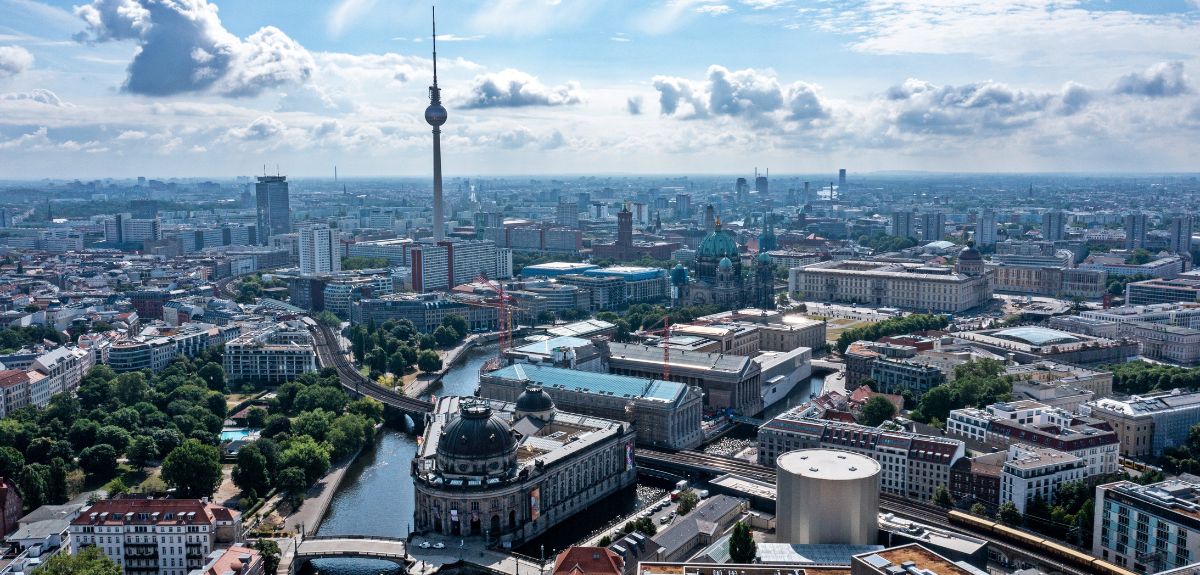




Reykjavík is a small, walkable capital where most first-time visitors need 3 to 4 days: one or two for the city itself, and one or two for day trips to the Golden Circle, the South Coast or a geothermal lagoon. This guide covers the 10 places worth your time, what each one costs in 2026, where to stay, how to get around and when the city card actually saves money.
This guide contains affiliate links. If you book through them, we may earn a small commission at no extra cost to you.
Why Visit Reykjavík?
Reykjavík is the world’s northernmost capital of a sovereign state, and it feels more like a lively town than a big city: about two-thirds of Iceland’s population lives in the capital area, yet you can walk across the center in 20 minutes. Colorful corrugated-iron houses line the streets, mountains rise across the bay, and the open Atlantic is never more than a few blocks away. The city is known for:
- Geothermal bathing: every neighborhood has a public pool heated by the earth, and soaking in a hot pot is the local way to end the day, in any weather.
- Bold modern architecture: Hallgrímskirkja church and Harpa Concert Hall both borrow their shapes from Iceland’s basalt columns.
- Northern lights and midnight sun: dark winter nights for aurora hunting, and nearly 24 hours of daylight around the June solstice.
- A gateway to Iceland’s nature: waterfalls, geysers, glaciers and black-sand beaches are all within a day trip.
- Food and nightlife: fresh fish, lamb soup, the famous hot dogs, and a bar scene that runs late on weekends.
Is Reykjavík Right for You?
| Type of trip | How Reykjavík fits |
|---|---|
| Nature and adventure | Excellent as a base: the Golden Circle, the South Coast, whale watching and northern lights tours all leave from the city. |
| Couples and romantic trips | Very good: lagoon evenings, aurora hunts, cozy cafés and seafood dinners by the harbor. |
| Families with kids | Very good: safe streets, pools with slides and hot pots, Perlan’s ice cave and whale-watching boats. Note that Sky Lagoon does not admit children under 12. |
| Budget travelers | Challenging: Iceland is expensive. Free sights, public pools, supermarkets and the city’s hot dog stands help a lot. |
| Nightlife | Good: Laugavegur and the streets around it stay busy until late on Friday and Saturday nights. |
| Travelers with limited mobility | Good: the center is fairly flat and compact, and the main sights are close together. Ice and wind make winter harder. |
Reykjavík Quick Facts
| Best time to visit | June–August for long days and mild weather; September–March for the northern lights. |
|---|---|
| How many days | 3–4 days, including at least one day trip outside the city. |
| From the airport | Keflavík Airport (KEF) is about 45 minutes away. Flybus to the BSÍ terminal: from about ISK 3,999 (about $32) one way. |
| Getting around | Walk in the center. Strætó city buses: ISK 690 (about $5.50) per ride, valid 75 minutes. |
| Accommodation tax | ISK 800 per room (accommodation unit) per night, usually added to your bill. |
| Currency | Icelandic króna (ISK); about ISK 125 to $1 in November 2026. Cards are accepted almost everywhere, even for a hot dog. |
Know Before You Go
Is Reykjavík a walkable city?
Yes. The historic center is compact: from Hallgrímskirkja down Skólavörðustígur to the harbor takes about 10 minutes, and Harpa, the Sun Voyager, Tjörnin pond and the Old Harbour are all within a 15-minute walk of each other. The real challenge is the weather. Wind can be strong at any time of year, and from November to March the sidewalks can be icy, so bring waterproof shoes with good grip (or slip-on ice cleats) and a windproof jacket. Perlan and some pools are a bus or taxi ride away.
Is Reykjavík safe?
Very. Iceland ranked as the most peaceful country in the world in the 2026 Global Peace Index, for the 19th year in a row. Violent crime against visitors is extremely rare and petty theft is uncommon. The real risks are natural: sudden weather changes, icy paths, sneaker waves on beaches and volcanic activity on the Reykjanes Peninsula. Check the weather and road conditions before any trip outside the city. The emergency number is 112.
Does Reykjavík have Uber?
No. Uber, Bolt and Lyft do not operate in Iceland. The closest thing is the Hopp app, which books licensed taxis in the capital area and at Keflavík Airport. You can also call or flag a taxi from Hreyfill or BSR. Taxis are metered and expensive, so for the airport the bus transfers are much better value.
How do you get around Reykjavík?
On foot in the center, and by Strætó’s yellow city buses for everything else. Pay with the Klappið app or by tapping a contactless card when you board: a single adult ride costs ISK 690 and lets you transfer for 75 minutes, and fare capping means you never pay for more than three rides a day with the same card or phone. For day trips, either join a tour or rent a car: public transport outside the capital is limited. Driving in the center is not worth it, as parking is paid and the sights are close together.
Map of the Best Places to Visit in Reykjavík
The numbers on the map match the list below. Places 1 to 6 and 8 are in the walkable center. Perlan (7) and Laugardalslaug (9) are a short bus ride away, and Grótta (10) is on the Seltjarnarnes peninsula, about 5 km west of the center.
10 Best Places to Visit in Reykjavík
1. Hallgrímskirkja

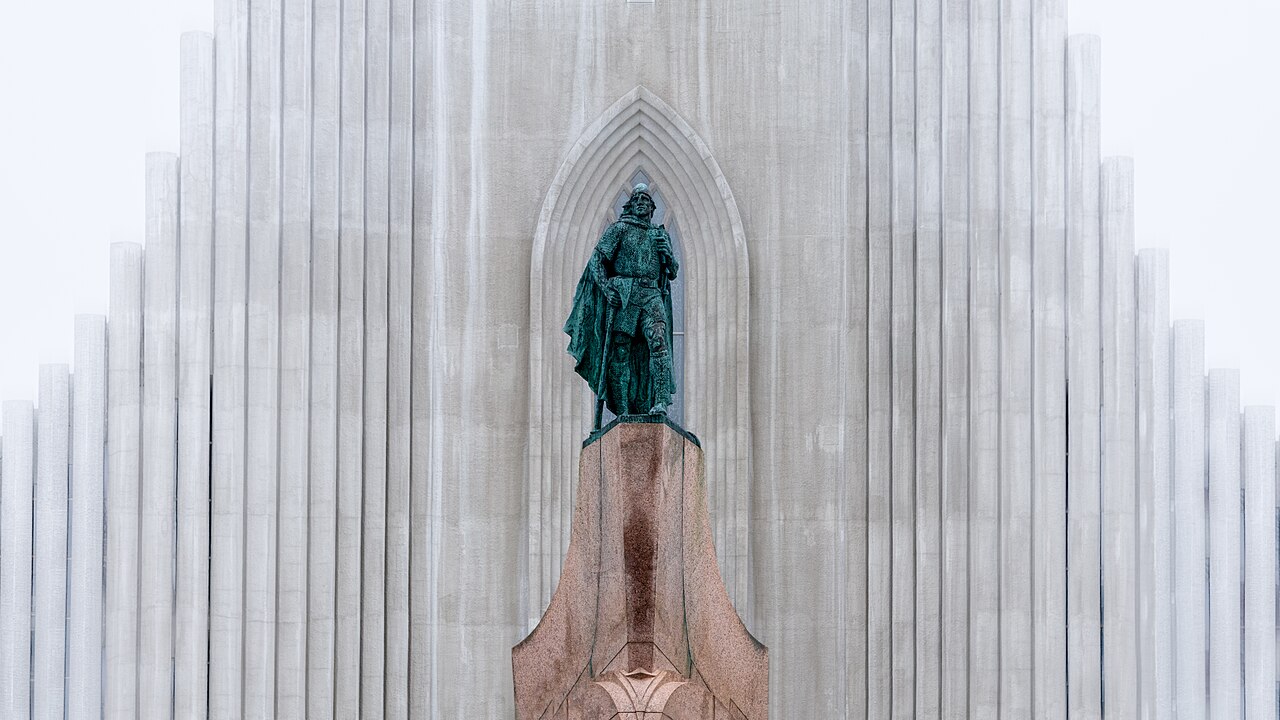
You will see Hallgrímskirkja from almost everywhere in Reykjavík. Iceland’s largest church stands on top of the Skólavörðuholt hill, and its stepped concrete facade was designed by state architect Guðjón Samúelsson to evoke the basalt columns that form when lava cools. Construction started in 1945 and took more than four decades. The church is named after Hallgrímur Pétursson, a 17th-century poet and pastor known for his Passion Hymns.
Inside, the nave is bright and almost bare, which makes the huge pipe organ above the entrance even more striking. The main reason to visit, though, is the tower: an elevator takes you most of the way up, and from the top you look down on the colorful roofs of the city, the bay and Mount Esja beyond. In front of the church stands a statue of the explorer Leif Eriksson, a gift from the United States in 1930.
Why we recommend it: it is the best viewpoint in central Reykjavík, it helps you understand the layout of the city in five minutes, and the church itself is free to enter.
Area: Skólavörðuholt, city center · Price: church free; tower ISK 1,500 adults (about $12), ISK 200 ages 7–16 · Hours: winter 10 a.m.–5 p.m. · Time needed: 30–45 minutes
Tip: Tower tickets are sold only in the church shop on the day, not online. The tower closes during Sunday services and for some events, so avoid Sunday mornings.
2. Harpa Concert Hall

On the waterfront, Harpa is Reykjavík’s concert hall and conference center and its most photographed modern building. Its facade, designed by the Danish-Icelandic artist Olafur Eliasson with Henning Larsen Architects, is made of hundreds of geometric glass panels inspired by basalt. On a sunny day they reflect the sky and the harbor in shifting colors, and after dark LED lights built into the panels glow across the water.
You do not need a ticket to go inside. Walk up the staircases of the foyers for views of the harbor and Mount Esja through the glass, browse the design shop and stop at the café. Harpa is home to the Iceland Symphony Orchestra, and its program includes classical concerts, pop shows and a popular comedy show about Icelandic life. Guided tours of the building run on a schedule.
Why we recommend it: it is free, central and spectacular both by day and by night, and it is a warm place to stop on a cold, windy walk along the shore.
Area: Austurbakki, waterfront · Price: free entry; concerts and guided tours are ticketed · Time needed: 30 minutes, or an evening for a show
Tip: Come back after dark: the lit facade is at its best on a clear winter evening, and on lucky nights you can see the northern lights above it.
3. Sun Voyager (Sólfar)

A five-minute walk east of Harpa along the seafront path, the Sun Voyager is a stainless-steel sculpture by Jón Gunnar Árnason, unveiled in 1990 for Reykjavík’s 200th anniversary as a town. It looks like the skeleton of a Viking ship, but the artist described it as a dream boat, an ode to the sun that speaks of hope, freedom and the promise of undiscovered territory.
The setting is half the experience. The sculpture faces the open bay, with Mount Esja across the water, and the light changes dramatically through the day and the seasons. It is one of the most popular sunset spots in the city, and on winter evenings, when the sun sets in mid-afternoon, it makes a perfect start to a walk along the shore.
Why we recommend it: it is free, always open and right on the way between Harpa and the city center, and it gives you the classic Reykjavík photo of sea, sculpture and mountains in one frame.
Area: Sæbraut seafront · Price: free · Best time: sunset, or early morning to avoid tour groups
Tip: Walk the seafront path all the way from the Sun Voyager to the Old Harbour (about 20 minutes): it passes Harpa and has views of the bay the whole way.
4. Old Harbour

Reykjavík grew up around its harbor, and the Old Harbour is still a working port, with fishing boats, coast guard vessels and whale-watching ships tied up side by side. The old warehouses and fish sheds along the quays now house seafood restaurants, cafés, small museums and tour offices, and the Grandi area to the west has become one of the city’s liveliest spots for food and design.
This is where most boat trips leave from. Whale-watching tours sail into Faxaflói Bay all year, looking for humpback whales, minke whales, white-beaked dolphins and harbor porpoises. In summer, many tours add puffin colonies on the small islands off the coast. Even if you do not take a boat, a walk along the quays at lunchtime, with a bowl of fish soup or lobster soup, is a very Reykjavík experience.
Why we recommend it: it shows the city’s fishing roots, it has some of the best seafood in town, and it is the starting point for one of Iceland’s top wildlife experiences.
Area: Ægisgarður and Grandi · Price: free to walk; Elding’s classic 3-hour whale-watching tour ISK 14,500 adults (about $116) · Time needed: 1 hour to walk, 3–3.5 hours with a boat trip
Tip: In winter, whale-watching boats leave only once or twice a day (Elding sails at 1 p.m. in December and January), so book early. Most operators offer a free second trip if you see no whales.
Compare whale-watching tours from Reykjavík
5. Laugavegur and Skólavörðustígur

Laugavegur is Reykjavík’s main shopping street and the backbone of the city’s social life. Its name means “wash road”: it once led to the hot springs in Laugardalur, where the women of Reykjavík did the laundry. Today it is lined with Icelandic design shops, outdoor clothing brands, bookstores, bakeries, cafés and bars, many of them in small, colorful wooden and corrugated-iron houses.
Skólavörðustígur, the street that climbs from Laugavegur up to Hallgrímskirkja, is painted in rainbow colors along its lower section and is the most photographed street in town. It is also one of the best streets for wool sweaters (lopapeysa), local crafts and art galleries. In the evening, the bars on and around Laugavegur fill up, especially on Friday and Saturday nights, when locals go out late.
Why we recommend it: it is where Reykjavík comes together, and it links many of the other sights in this guide, so you will walk it more than once anyway.
Area: City center · Price: free · Time needed: 1–2 hours, more for shopping · Best time: late afternoon and evening
Tip: Look for “happy hour” boards outside bars: drinks are expensive in Iceland, and many bars cut prices in the late afternoon and early evening.
Local tip – swim like an Icelander: a geothermal lagoon costs around ISK 13,000 or more per adult, but Reykjavík’s public pools cost ISK 1,500 (about $12). They have hot pots, steam baths and cold tubs, and they are where Icelanders actually meet, chat and unwind. See place 9 below, and do both if you can: the lagoon for the view, the pool for the local life.
6. National Museum of Iceland

If you visit one museum in Reykjavík, make it this one. The permanent exhibition, “Making of a Nation”, tells Iceland’s story from the first Norse settlers in the 9th century to the present day, in a clear, chronological route through about 2,000 objects. Highlights include Viking-age swords and jewelry, early Christian treasures and the carved Valþjófsstaður church door from around 1200, one of the country’s most precious objects.
The later rooms cover centuries of Danish rule, the hard life of farmers and fishermen, and Iceland’s rapid transformation in the 20th century, from one of Europe’s poorest countries to one of its richest. Exhibits are well labeled in English, and an audio guide is available.
Why we recommend it: it gives context to everything else you will see in Iceland, from the sagas to the turf houses, and it is a good plan for a rainy or stormy day.
Area: Suðurgata, near the University of Iceland · Price: ISK 3,300 adults (about $26), free under 18; the ticket is valid for a year · Hours: 10 a.m.–5 p.m. · Time needed: 1.5–2 hours
Tip: Entry is included in the Reykjavík City Card. Opening days can change in winter, so check the museum’s website before you go.
7. Perlan

On top of the wooded Öskjuhlíð hill, Perlan (“the Pearl”) is a glass dome built over the giant hot-water tanks that store the city’s geothermal heating supply. Today it houses “Wonders of Iceland”, an interactive nature museum that is especially good for families and for anyone who wants to understand Iceland’s volcanoes, glaciers and wildlife before heading out on a day trip.
The highlights are a 100-meter-long indoor ice cave made from real snow, a model of the Látrabjarg bird cliffs, exhibits on earthquakes and eruptions, and Áróra, a northern lights show in Iceland’s first planetarium. A 360-degree observation deck wraps around the dome, with views over the whole city, the bay and the mountains.
Why we recommend it: it packs a lot of Iceland’s nature into one visit, it works in any weather, and it is the best rainy-day choice with kids.
Area: Öskjuhlíð, 25 minutes on foot or a short bus ride from the center · Price: about ISK 5,500–6,500 (roughly $45–50) for the full exhibition, cheaper online than at the door · Hours: exhibitions 9 a.m.–9 p.m. · Time needed: 2–3 hours
Tip: Perlan is not included in the Reykjavík City Card (card holders only get a discount at the door), so buy your ticket online in advance.
8. Tjörnin and City Hall

Tjörnin (“the Pond”) is a small lake in the middle of the city, surrounded by parks, elegant old houses and the white Fríkirkjan church. It is home to swans, geese and ducks all year, and in winter the city keeps part of it ice-free with geothermal water, so the birds gather there while locals skate or walk on the frozen part.
On the north shore, Reykjavík City Hall (Ráðhús) stands half in the water. It is a modern concrete and glass building from 1992, and inside, a large 3D relief map of Iceland lets you trace the route of your trip, from the glaciers of the south to the fjords of the north. Entry is free, and there is usually an exhibition on.
Why we recommend it: it is a peaceful break between the busier sights, and the relief map is the best free introduction to Iceland’s geography you will find.
Area: City center, next to the Old Town (Kvosin) · Price: free · Time needed: 30–45 minutes
Tip: Walk around the pond to the south side for the classic view of colorful houses reflected in the water, with Hallgrímskirkja behind them.
9. Laugardalslaug and Sundhöllin (geothermal pools)

Going to the pool is the most Icelandic thing you can do in Reykjavík. The city runs eight public pools, all heated by geothermal water, and they are social hubs as much as places to swim: locals come before work, after work and on weekends to sit in the hot pots, talk politics and plunge into the cold tub.
Two are easy to reach. Laugardalslaug, in the Laugardalur valley, is the largest pool complex in the country, with a 50-meter outdoor pool, several hot pots, a steam bath, a seawater tub and water slides that kids love. Sundhöllin, a short walk from Hallgrímskirkja, is the city’s oldest pool: it opened in 1937 in a building by the same architect as the church, and a 2017 extension added outdoor pools and hot tubs.
Why we recommend it: for the price of a coffee and a pastry, you get an authentic local experience and a proper hot soak, even in a snowstorm.
Area: Laugardalur (bus ride) and Barónsstígur (center) · Price: ISK 1,500 adults (about $12); towel ISK 860, swimsuit ISK 1,270 to rent · Time needed: 1–2 hours
Tip: Pool etiquette is strict: you must shower without a swimsuit, with soap, before you go in. Attendants will remind you if you forget. Entry is included in the Reykjavík City Card.
10. Grótta Lighthouse

At the western tip of the Seltjarnarnes peninsula, just outside Reykjavík, a small red-and-white lighthouse stands on Grótta, a tidal island that is only connected to the mainland at low tide. The lighthouse dates from 1947 (the first one here was built in 1897), and the island is a nature reserve, home to Arctic terns and many other seabirds.
The area feels far from the city, even though it is only 5 km from the center. In summer, it is one of the best places to watch the midnight sun over the sea. In winter, it is one of the closest dark spots to downtown for the northern lights, as the street lights end at the edge of the peninsula. Near the parking area, a small geothermal foot bath lets you warm your feet while you wait for the aurora.
Why we recommend it: it is the easiest wild coastal walk from the city, and on a clear night you can see the northern lights without paying for a tour.
Area: Seltjarnarnes, about 15 minutes by car or bus from the center · Price: free · Closed: the island is off-limits May 1–July 15 for nesting birds · Best time: clear winter nights and summer sunsets
Tip: Check the tide table at the start of the path before you cross: the causeway floods at high tide and you can get stranded for hours.
Must-Do Experiences in Reykjavík
Some of the best moments in Reykjavík are not attractions with a ticket. These are the experiences we would not skip:
- Eat a hot dog “with everything”. Bæjarins Beztu Pylsur, a tiny stand near the harbor, has served hot dogs since 1937. Order “eina með öllu”: a lamb-based sausage with raw and crispy onions, ketchup, sweet mustard and remoulade.
- Soak in a geothermal lagoon. Sky Lagoon, on the coast in Kópavogur about 15 minutes from the center, has an infinity edge facing the Atlantic and a seven-step bathing ritual. It is adults and teens only (no children under 12).
- Chase the northern lights. From September to March, check the aurora forecast and head out on a clear night, either on a tour that drives away from the city lights or on your own to Grótta.
- Try Icelandic food. Lamb soup, plokkfiskur (fish stew), skyr and fresh cod or Arctic char. A food walking tour is a good way to taste many of them in one go.
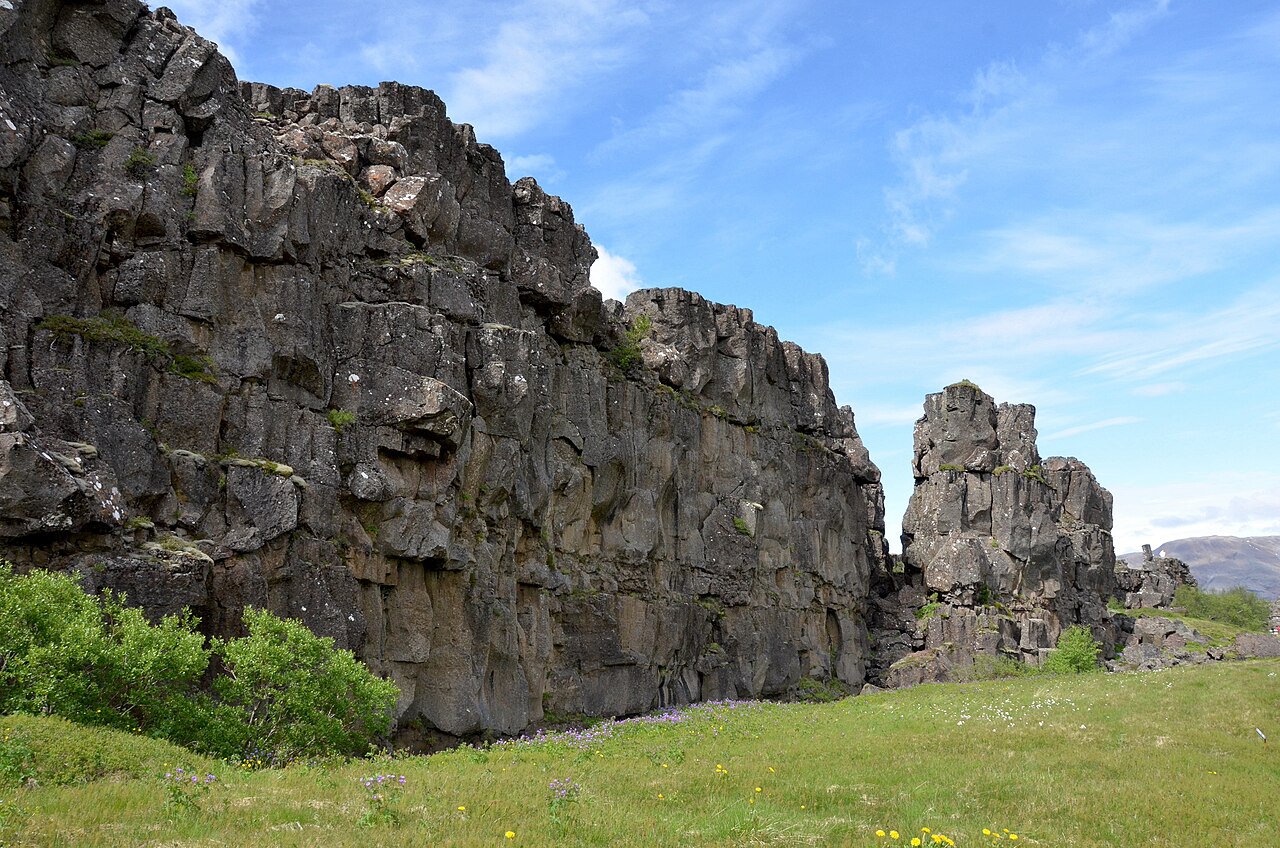
- See the Golden Circle. Þingvellir National Park, the Geysir area and Gullfoss waterfall make the classic day trip from Reykjavík.
See northern lights tours from Reykjavík
Where to Eat in Reykjavík
| Type | Area | What to order | Good to know |
|---|---|---|---|
| Bæjarins Beztu Pylsur | Tryggvagata, near the harbor | Hot dog with everything | About ISK 880 (about $7); one of the cheapest meals in town |
| Harbor seafood restaurants | Old Harbour and Grandi | Fish soup, lobster (langoustine) soup, fish of the day | Lunch is cheaper than dinner |
| Bakeries | City center | Cinnamon buns, kleinur (twisted doughnuts), rye bread | The cheapest breakfast in Reykjavík |
| Supermarkets (Bónus, Krónan) | Around the city | Skyr, sandwiches, picnic supplies | Prices are almost identical in both chains |
| Laugavegur bars | City center | Local beer during happy hour | Full-price drinks are expensive; look for happy hour boards |
Tip: tap water in Iceland is some of the purest in the world, so never buy bottled water. Carry a reusable bottle and fill it anywhere, including at the pools.
See food walking tours in Reykjavík
Should You Get a Reykjavík City Card?
The Reykjavík City Card is the official city pass from Visit Reykjavík. It includes free entry to 17 museums and attractions (including the National Museum, the National Gallery, the Reykjavík Art Museum and the City Museum sites), the city’s eight geothermal pools, unlimited Strætó buses in the capital area (not bus 55 to the airport) and the ferry to Viðey island. Hallgrímskirkja tower, Perlan, whale watching and the lagoons are not included.
We did the math with 2026 adult prices:
| Plan | Paying separately | City Card | Verdict |
|---|---|---|---|
| 1 day: one museum + a pool | ISK 4,800 (National Museum 3,300 + pool 1,500) | ISK 6,100 (24h) | Not worth it |
| 1 day: two museums + a pool + two bus rides | ISK 8,730 (National Museum 3,300, Art Museum 2,550, pool 1,500, buses 1,380) | ISK 6,100 (24h) | Saves about ISK 2,600 ($21) |
| 2 days: as above + a second pool and two more bus rides | ISK 11,610 | ISK 8,500 (48h) | Saves about ISK 3,100 ($25) |
Our verdict: the card pays off if you visit at least two paid museums and a pool in the same 24 hours, or if you stay outside the center and use the buses a lot. If you only want one museum, the church tower and Perlan, skip it and pay as you go. The 24-hour card starts when you write the date and time on it, so activate it in the morning.
Check Reykjavík City Card prices
Where to Stay in Reykjavík
| Area | Best for | Pros | Cons |
|---|---|---|---|
| Miðborg (city center, around Laugavegur) | First-time visitors, couples, nightlife | Walk to everything, most tour pickups nearby | Pricier; weekend noise on Laugavegur |
| Around Hallgrímskirkja and Skólavörðuholt | Couples and families | Central but quieter, close to Sundhöllin pool | Uphill walk back from the harbor |
| Old Harbour and Vesturbær | Seafood lovers and early boat trips | Next to whale-watching docks and restaurants, local pool in Vesturbær | Fewer budget options |
| Laugardalur | Families and budget travelers | Lower prices, Laugardalslaug pool and parks nearby | Bus or 30-minute walk to the center |
Use the map below to compare hotels and apartments across these areas. Prices update live for your dates, so set your check-in and check-out first.
Reykjavík Itinerary: 1, 2 or 3 Days
- Day 1 – City center: Hallgrímskirkja (1) and its tower, down Skólavörðustígur and Laugavegur (5), Tjörnin and City Hall (8), the National Museum (6), a hot dog by the harbor, then the Sun Voyager (3) and Harpa (2) at sunset.
- Day 2 – Harbor and pools: whale watching from the Old Harbour (4), lunch in Grandi, an afternoon at Perlan (7), then an evening soak at Laugardalslaug or Sundhöllin (9). On a clear night, head to Grótta (10) for the northern lights.
- Day 3 – Golden Circle: a full-day tour or self-drive to Þingvellir, Geysir and Gullfoss, and Sky Lagoon on your way back.
In winter, daylight is short (around four to five hours in December), so plan outdoor sights around midday and keep museums and pools for the dark hours.
Compare Golden Circle tours from Reykjavík
Day Trips from Reykjavík
- Golden Circle: Þingvellir National Park, the Strokkur geyser and Gullfoss waterfall, about 300 km round trip. Read our Golden Circle guide.
- South Coast and Vík: Seljalandsfoss and Skógafoss waterfalls, Reynisfjara black-sand beach and the village of Vík, about 2.5 hours each way. See our guide to Vík í Mýrdal.
- Blue Lagoon and Reykjanes: the famous milky-blue lagoon is about 45 minutes away and easy to combine with your airport transfer. Volcanic activity near Grindavík can close it at short notice, so check before you go. Read our Blue Lagoon guide.
- Sky Lagoon: only 15 minutes from the center, so it fits into any afternoon or evening.
Getting There and Around
| Option | Price | Notes |
|---|---|---|
| Flybus, Keflavík Airport to BSÍ terminal | From about ISK 3,999 (about $32) one way | About 45 minutes; meets every arriving flight. Hotel drop-off costs extra. |
| Strætó bus 55 to the airport | Cheaper than the Flybus | Slower and less frequent; not included in the City Card. |
| Taxi from the airport | Roughly ISK 16,000–22,500 ($130–180) | No fixed fare; ask for the price first or book through the Hopp app. |
| Strætó city bus | ISK 690 per ride | Valid 75 minutes; capped at three rides per day with the same card or phone. |
Money-Saving Tips
- Use the public pools (ISK 1,500) for your everyday geothermal soak and save the lagoon for one special evening.
- Drink tap water, buy breakfast and picnic food at Bónus or Krónan, and eat your main meal at lunchtime, when many restaurants offer cheaper menus.
- Harpa, the Sun Voyager, City Hall, Tjörnin and Grótta are all free.
- Buy alcohol at the duty-free shop when you land: outside bars, it is only sold in state-run Vínbúðin stores, at high prices.
- Compare the City Card with separate tickets (see the table above) before you buy it.
Best Time to Visit Reykjavík
| Season | Weather | Crowds | Good to know |
|---|---|---|---|
| Spring (Apr–May) | Cool, changeable | Medium | Days get long fast; good prices before summer |
| Summer (Jun–Aug) | Mild, around 10–15°C (50–59°F) | High | Midnight sun, puffins, easiest driving; book hotels early |
| Autumn (Sep–Oct) | Cool, windy, wetter | Medium | Northern lights season starts; fall colors |
| Winter (Nov–Mar) | Cold, icy, short days | Low to medium | Best for the northern lights; Christmas markets and New Year’s Eve fireworks |
Reykjavík FAQ
How many days do you need in Reykjavík?
Three to four days. One or two cover the city’s sights and pools, and the rest go to day trips such as the Golden Circle or the South Coast.
Can you see the northern lights in Reykjavík?
Yes, from September to March, on clear nights with good aurora activity. You will see them better away from city lights: Grótta, on the edge of town, is the easiest spot without a tour.
Is the Reykjavík City Card worth it?
Only if you visit at least two paid museums and a pool in the same day, or use the buses a lot. In that case it saves about ISK 2,600–3,100 per adult. Perlan, Hallgrímskirkja tower and the lagoons are not included.
Is Reykjavík expensive?
Yes, it is one of the most expensive cities in Europe. Free sights, public pools, supermarkets, tap water and happy hours keep costs down.
Where should I stay in Reykjavík for the first time?
In the city center (Miðborg), around Laugavegur or near Hallgrímskirkja. You can walk to almost everything, and most tours pick up nearby.
Extending Your Trip?
Reykjavík is the starting point for most trips around Iceland. Begin with the Golden Circle, the classic day trip to Þingvellir, Geysir and Gullfoss, then follow the South Coast to Vík í Mýrdal, with its black-sand beaches and sea stacks. On your way to or from the airport, stop at the Blue Lagoon. For a different side of the country, fly or drive north to Akureyri, the capital of North Iceland, close to Lake Mývatn and Húsavík’s whale-watching boats. For an overview of the whole country, start with the best places to visit in Iceland.
Sources (prices and opening hours checked in November 2026)
- Hallgrímskirkja – opening hours and tower tickets
- Visit Reykjavík – Hallgrímskirkja tower
- Visit Reykjavík – Reykjavík City Card prices and inclusions
- City of Reykjavík – swimming pool fees (from May 5, 2026)
- National Museum of Iceland – admission
- Reykjavík Art Museum – admission
- Perlan – Wonders of Iceland (opening hours)
- Elding – whale-watching schedule and prices
- Sky Lagoon – visitor information and age limit
- Klappið / Strætó – 2026 fares
- Strætó – fare capping
- Flybus – airport transfers
- Island.is – accommodation tax
- Vision of Humanity – Global Peace Index 2026
- Lonely Planet – getting around Reykjavík (taxis and Hopp)
- Environment Agency of Iceland – Grótta nature reserve
- Guide to Iceland – food prices study (October 2026)
- Icelandia – Reykjanes volcano status (November 2026)