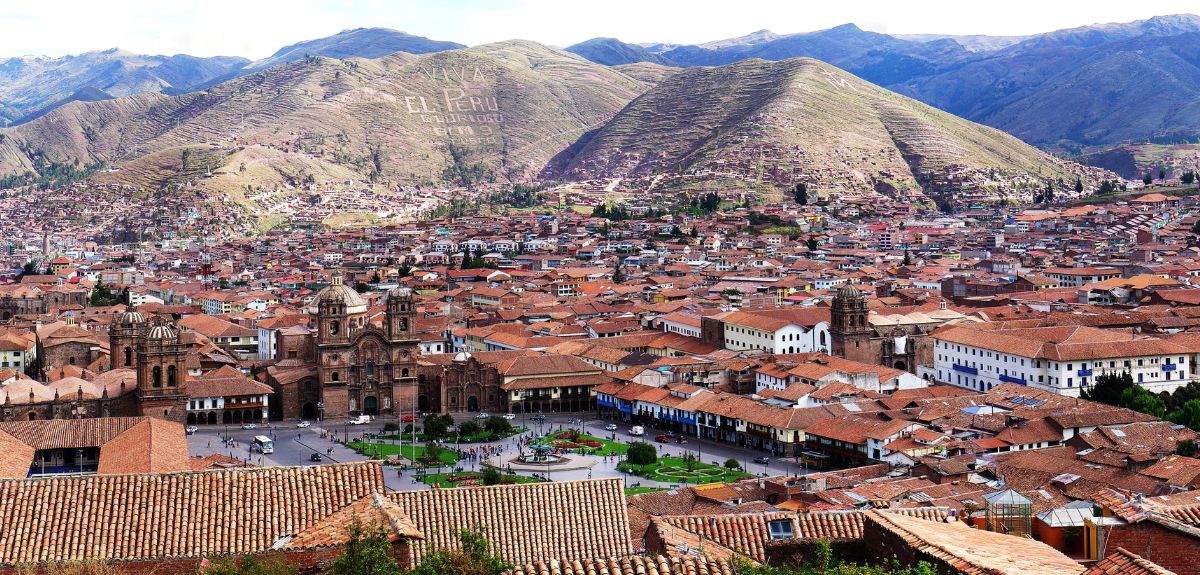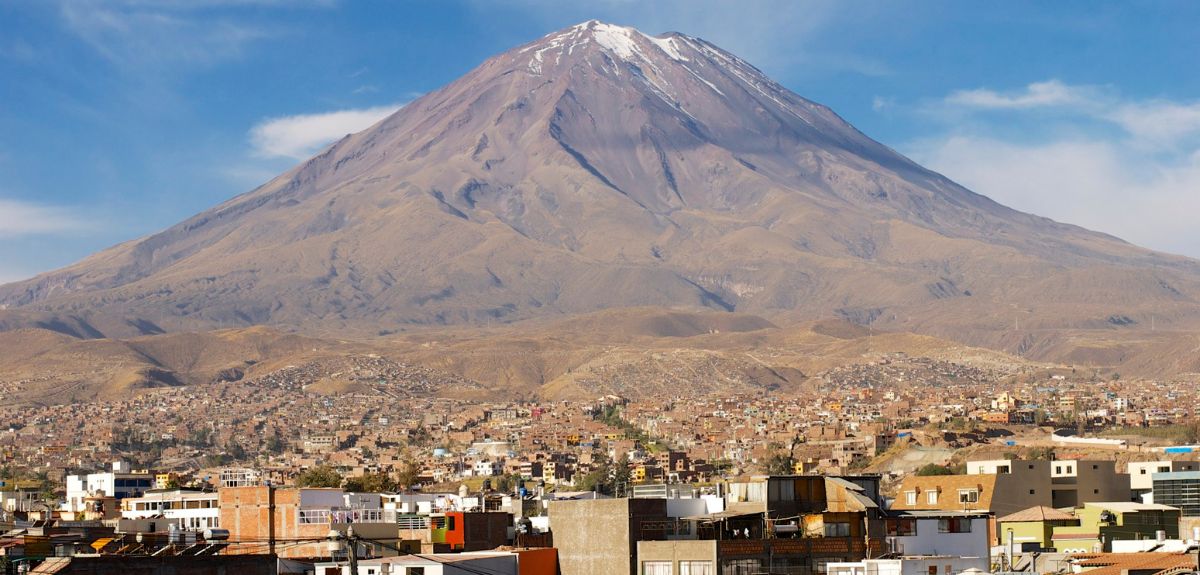


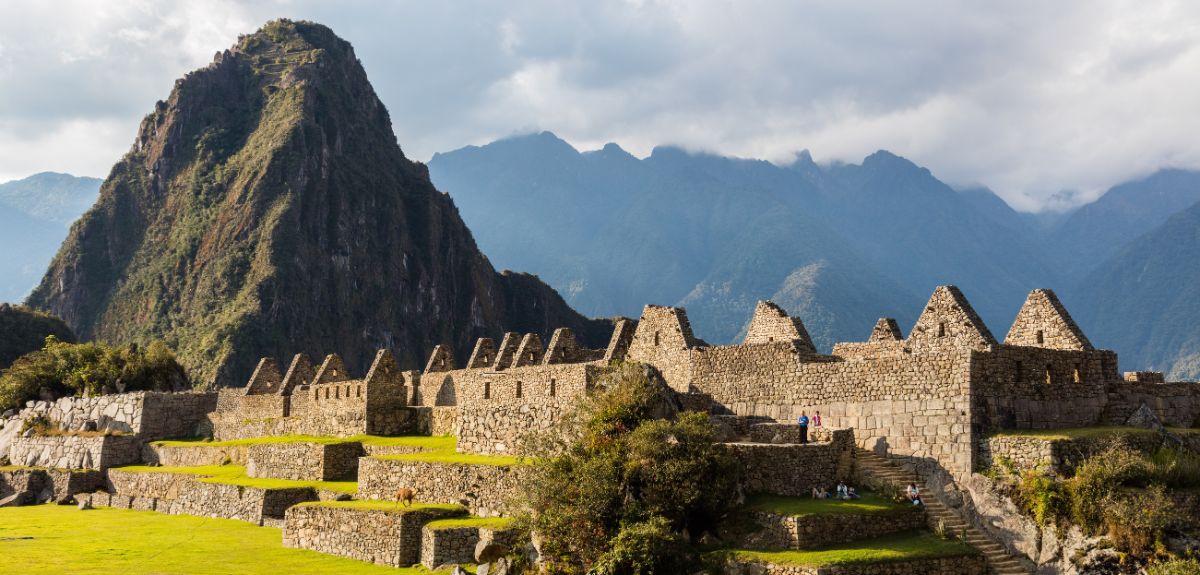
High above the clouds, where the jagged peaks of the Andes embrace the heavens, lies a sanctuary of stone and mystery that defies the passage of time. To stand upon the emerald terraces of Machu Picchu is to witness a silent symphony of ancient engineering and natural grandeur, where the morning mist peels back to reveal a masterpiece of the Inca Empire that feels both eternal and ethereal.
Why Visit Machu Picchu?
Beyond its status as a New Seven Wonder of the World, this sacred citadel offers a profound journey into a past filled with celestial alignments and architectural brilliance that continues to captivate the modern soul. Here is why this legendary site belongs at the very top of your travel bucket list:
- The Temple of the Sun: Admire the precision of the only semi-circular building in the citadel, a golden-hued masterpiece designed to track the winter solstice with breathtaking accuracy.
- Intihuatana Stone: Touch the mystical energy of the “hitching post of the sun,” a ritual stone that served as a sophisticated astronomical clock for the ancient Inca priests.
- The Temple of the Condor: Marvel at the natural rock formation carved into the shape of a massive Andean condor, symbolizing the connection between the earthly realm and the heavens.
- Huayna Picchu: Scale the iconic peak that looms over the ruins for a heart-pounding ascent and a reward of unparalleled panoramic views across the sprawling Urubamba Valley.
- The Royal Sector: Wander through the refined masonry of the imperial residences, where the elite once lived amidst a backdrop of dramatic cliffs and sacred mountain spirits.
Whether you arrive by the historic rails of the Belmond Hiram Bingham or trek the ancient paths of the Inca Trail, Machu Picchu promises a transformative escape that will linger in your memory like a hauntingly beautiful melody.
MACHU PICCHU KEY INFO
Everything you need to hit the ground running.
WHEN TO VISIT
May to September for clear skies and ideal trekking; April and October for fewer crowds and lush green landscapes.
HOW TO GET THERE
Fly into Alejandro Velasco Astete International Airport (CUZ). It’s a bus and train combination to the city center (~4.5 hours).
HOW TO GET AROUND
Shuttle! It is the fastest, least exhausting way to reach the entrance from Aguas Calientes. Use the official Consettur bus for a smooth 25-minute ride up the mountain.
IDEAL TRIP LENGTH
1-2 days for the city itself, but 4 days if you want to include day trips to Rainbow Mountain or the Sacred Valley.
What is Machu Picchu Mainly Known For?
Machu Picchu is famous for being the Lost City of the Incas, a mysterious 15th-century citadel hidden in the Andes until 1911. It’s also known for the Temple of the Sun, a horseshoe-shaped masterpiece of precision engineering. Beyond the sights, it’s known as a New Seven Wonder of the World where spiritual energy meets breathtaking cloud forest beauty.
Is Machu Picchu a Walkable City?
100% yes. Machu Picchu and its base, Aguas Calientes, are entirely pedestrian. You’ll navigate steep stone stairs and ancient paths, enjoying the serene atmosphere without any traffic noise.
Is it safe to walk in Machu Picchu at night? Absolutely. Aguas Calientes is incredibly safe with a constant police presence. I felt completely at ease wandering the well-lit main streets, though I always recommend using standard traveler’s common sense.
What Is the Best Neighborhood to Walk Around?
The Urban Sector is the winner. Perched above the Urubamba River and flanked by dramatic Andean peaks, this stone citadel glows with gray granite and features winding terraces and sophisticated Inca masonry. For something completely different, walk over to Aguas Calientes, a bohemian district at the mountain’s base filled with colorful markets, bustling eateries, and a vibrant, backpacker-friendly edge.
What Are the Best Things to Do in Machu Picchu? (For Your First Visit)
I visited Machu Picchu without a strict day-by-day plan. I wanted to take my time, enjoy the mystical energy and spiritual soul, and see where the paths took me. I wrote down a few highlights and hit the ground running. Here are the spots I definitely recommend checking out:
Sun Gate
The ultimate Inca finish line. Hike to Inti Punku for that iconic first glimpse of Machu Picchu framed by stone. Price: Included in entry. Pro tip: Arrive at dawn to watch the sun hit the ruins below. Check availability and explore popular experiences.

Temple of the Sun
Inca precision meets celestial magic at this semi-circular masterpiece. Marvel at the solstice-aligned windows and elite stonework. Price: Included in entry. Pro tip: Visit midday when the sun illuminates the sacred interior altar for the best photos. Check availability and explore popular experiences.
Intihuatana
Touch the mystical energy of this ancient “hitching post of the sun.” Witness its perfect alignment with the winter solstice. Price: Included in entry. Pro tip: Arrive early to feel the spiritual vibes before the mid-day crowds swarm. Check availability and explore popular experiences.

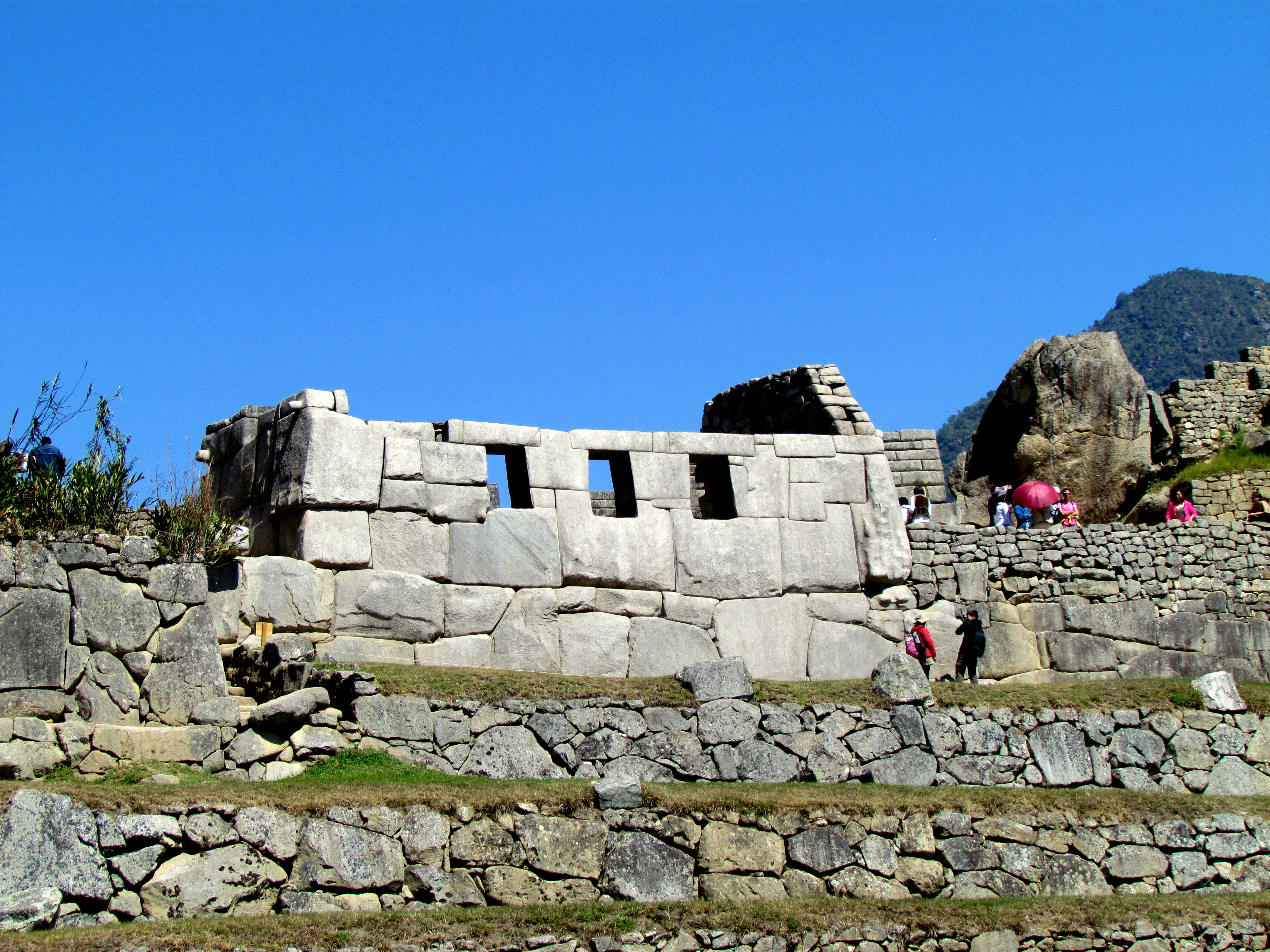
Temple of the Three Windows
High-altitude Inca soul. Marvel at three massive trapezoidal windows framing the Andes and solstice sun. Cost: Included in entry. Pro tip: Visit at dawn to see the first light hit the sacred plaza without the crowds. Check availability and explore popular experiences.
Main Temple
Experience the soul of the citadel at this massive stone masterpiece. Marvel at the seven trapezoidal niches and elite “Huayrana” masonry. Price: Included in entry. Pro tip: Look for the Southern Cross carving nearby that mirrors the stars. Check availability and explore popular experiences.

Temple of the Condor
Inca artistry meets 3D realism. Marvel at the massive stone wings and carved condor head at this sacred site. Price: Included in entry. Pro tip: Step back five paces to see the bird perfectly “take flight.” Check availability and explore popular experiences.
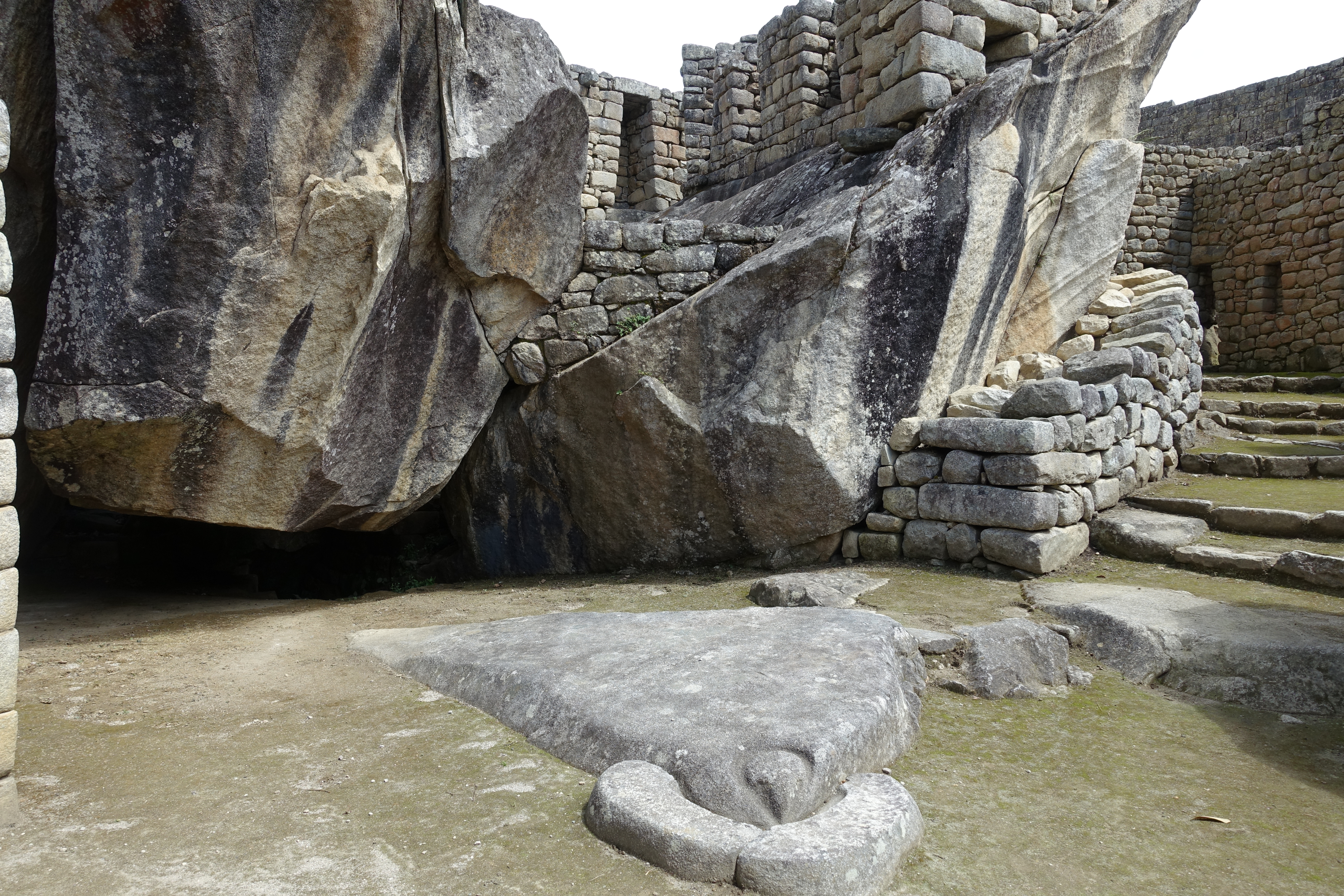
Fountains
Experience the ancient Inca flow at these sacred stone channels. Marvel at the precision engineering that still carries mountain water today. Price: Included in entry. Pro tip: Fill your bottle at the nearby base for a refreshing, historic sip. Check availability and explore popular experiences.
Credit: Wikimedia Commons / bobistraveling
Huayna Picchu
Conquer this iconic, steep peak for a bird’s-eye view of the ruins. Highlights: the “Stairs of Death” and ancient terraces. Price: ~USD 60. Pro tip: Book months early; tickets for this vertical adrenaline rush sell out fast. Check availability and explore popular experiences.

Machu Picchu Mountain
The ultimate high. Conquer this “Old Mountain” for surreal 360-degree views of the citadel and Urubamba River. Price: ~$75 (Circuit 1 combo). Pro tip: Book a month early and start at dawn for the best mountain light. Check availability and explore popular experiences.

Gran Caverna
Machu Picchu’s hidden spiritual gem. Explore this mystical cave featuring masterfully carved Inca altars and the “Temple of the Moon.” Price: ~USD 62 (Circuit 3C). Pro tip: Only open June–October; book months ahead to secure your spot. Check availability and explore popular experiences.

Must-Do Activities in Machu Picchu
To really get the most out of your trip, I recommend checking out these experiences:
What Part of Machu Picchu is Best for Tourists?
Stay in the Aguas Calientes town center. Everything will be within a 10-minute walk. If you want something a bit more local but still close, the area near the Vilcanota River is lovely—it offers a relaxing atmosphere with lush Andean views and proximity to the natural hot springs.
What to Know Before Going to Machu Picchu
- Stick to Bottled: Tap water is not potable; use bottled or purified water even for brushing your teeth.
- English in Tourist Hubs: Most staff in hotels, tours, and restaurants speak English, but Spanish is dominant elsewhere.
- Boleto Turístico del Cusco: Essential for visiting Sacred Valley ruins; however, it does not include Machu Picchu entry.
- Open Daily: Unlike many cities, Machu Picchu and Aguas Calientes remain open and active on Sundays and holidays.
- Tipping is Expected: While not mandatory, tipping guides, porters, and restaurant staff is customary and highly appreciated.
How Many Days Do I Need in Machu Picchu?
4 days is the ideal duration for first-time visitors to balance the mystical Inca citadel, local Andean culture, and breathtaking sacred landscapes.
- Day 1: Sun Gate, Temple of the Sun, Intihuatana, Temple of the Three Windows, Main Temple.
- Day 2: Temple of the Condor, Fountains, Huayna Picchu, Machu Picchu Mountain, Gran Caverna.
- Day 3: Take a scenic day trip to the Sacred Valley to explore the Pisac markets and Ollantaytambo ruins.
Suggested daily budget – 115-190 EUR / 120-200 USD (Note: This covers mid-range hotels, restaurant meals, and private transport or guided tours. You can go cheaper if you eat at local markets and hike from Aguas Calientes instead of taking the shuttle bus).
MONEY SAVING TIPS
- Eat Like a Local: Head to the Aguas Calientes Market to find a Menu del Día for just 8 to 10 soles ($2–$3), or grab cheap street food like corn snacks and ceviche from popular stalls to avoid overpriced tourist restaurants.
- Tip-Based Trekking: Join a Free Walking Tour in nearby Cusco to learn about Inca history before your visit; these tours typically meet at the Plaza de Armas or the Spirit of Mozart artwork and operate on a pay-what-you-wish basis.
- Master the Mountain Route: Skip the $160 round-trip tourist train and take the Hidroeléctrica route for approximately $30 by combining a local bus from Cusco with a scenic hike along the train tracks to Aguas Calientes.
- Sunset at the Riverside: Avoid the pricey bars in town by grabbing a beer or snacks from a supermarket in Cusco and heading to the banks of the Urubamba River or the Mandor Gardens for a scenic, budget-friendly picnic with a view.
What’s the Best Month to Visit Machu Picchu?
May and September are the sweet spots for visiting Machu Picchu. During these months, you will enjoy clear skies and mild temperatures perfect for trekking while avoiding the peak summer crowds and heavy rains. However, June is a magical alternative, as the site transforms with the vibrant Inti Raymi festival and powerful winter solstice energy.
How to Get to Machu Picchu
Most international travelers fly into Alejandro Velasco Astete International Airport (CUZ). Direct flights arrive from major hubs like Lima, Bogotá, and Santiago; travelers from the US or Europe typically connect through Lima.
- From the airport: The city center of Cusco is a 15–20 minute journey. A taxi typically costs between $10 and $15 USD.
- By Train: From Cusco or Ollantaytambo, PeruRail and Inca Rail connect directly to Aguas Calientes, the gateway to Machu Picchu, in approximately 1.5 to 3.5 hours.
How to Get Around Machu Picchu
Take the shuttle – it is the absolute best way to reach the citadel.
- Car Rental: Not recommended. The area is mountainous and mostly inaccessible by car; use DiscoverCars only for exploring the Sacred Valley.
- Walking: Essential for the ruins and Aguas Calientes, which are entirely pedestrian and have no traffic.
- Uber/Bolt: Not available in this remote mountain region.
- Tours: Highly recommended for guided historical context and organized transport from Cusco or Ollantaytambo.
Tips for first-timers: Avoid forgetting to book your entry tickets in advance—Daily caps mean you will be turned away at the gate. Purchase your permits months ahead online to ensure you don’t miss this once-in-a-lifetime experience!
Machu Picchu is the kind of place that lingers in your memory. It is a sanctuary where ancient stone mastery and mystical Andean peaks converge, defined by its ethereal cloud forests, storied Inca legacy, and a profound, sacred silence. This citadel of the sun invites you to pause, leaving you with a renewed sense of wonder.
Note: This article contains affiliate links. If you purchase something I’ve recommended, I’ll earn a small commission at no extra cost to you. I really appreciate your support and I hope this guide helps you ♡