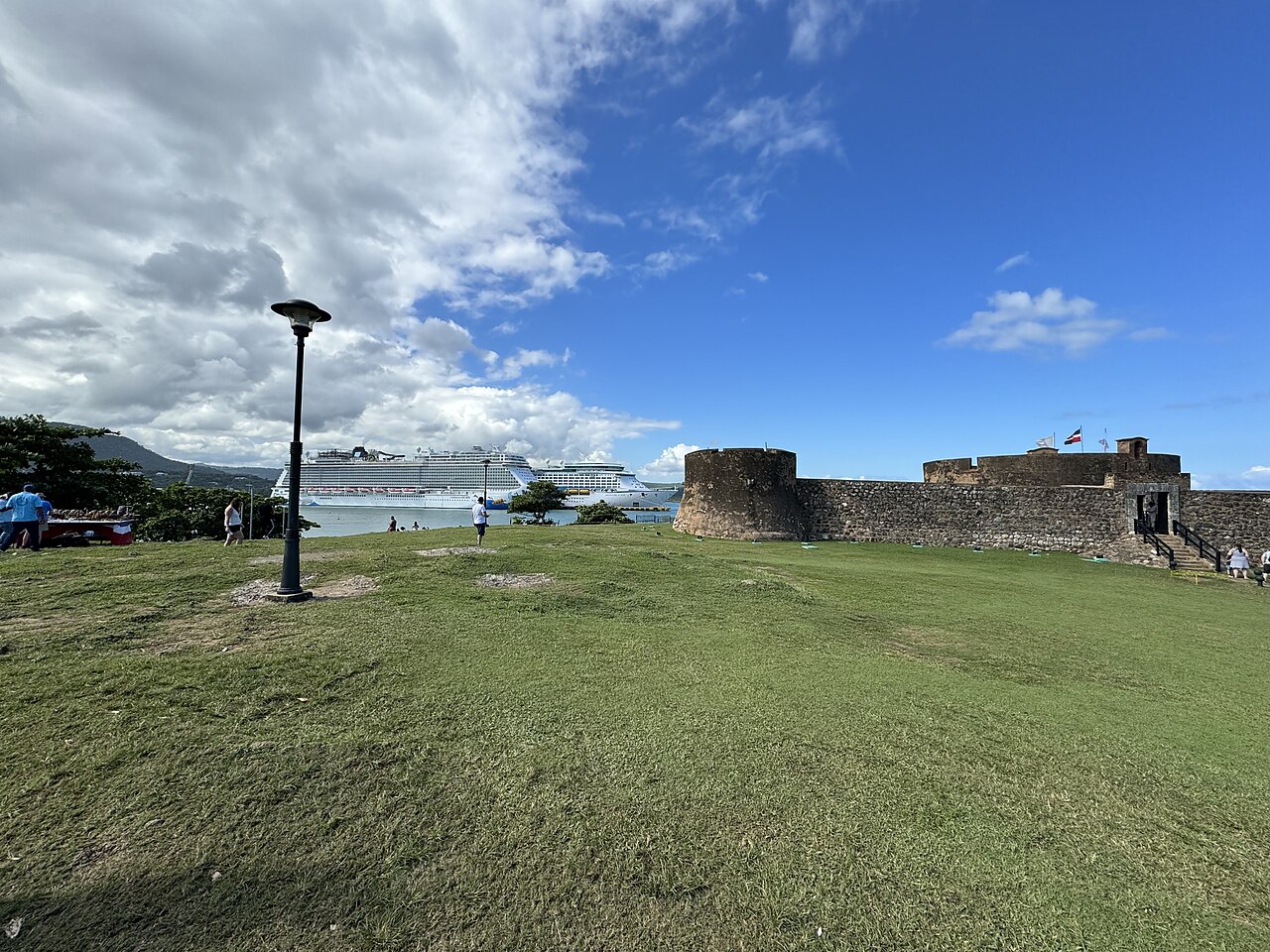





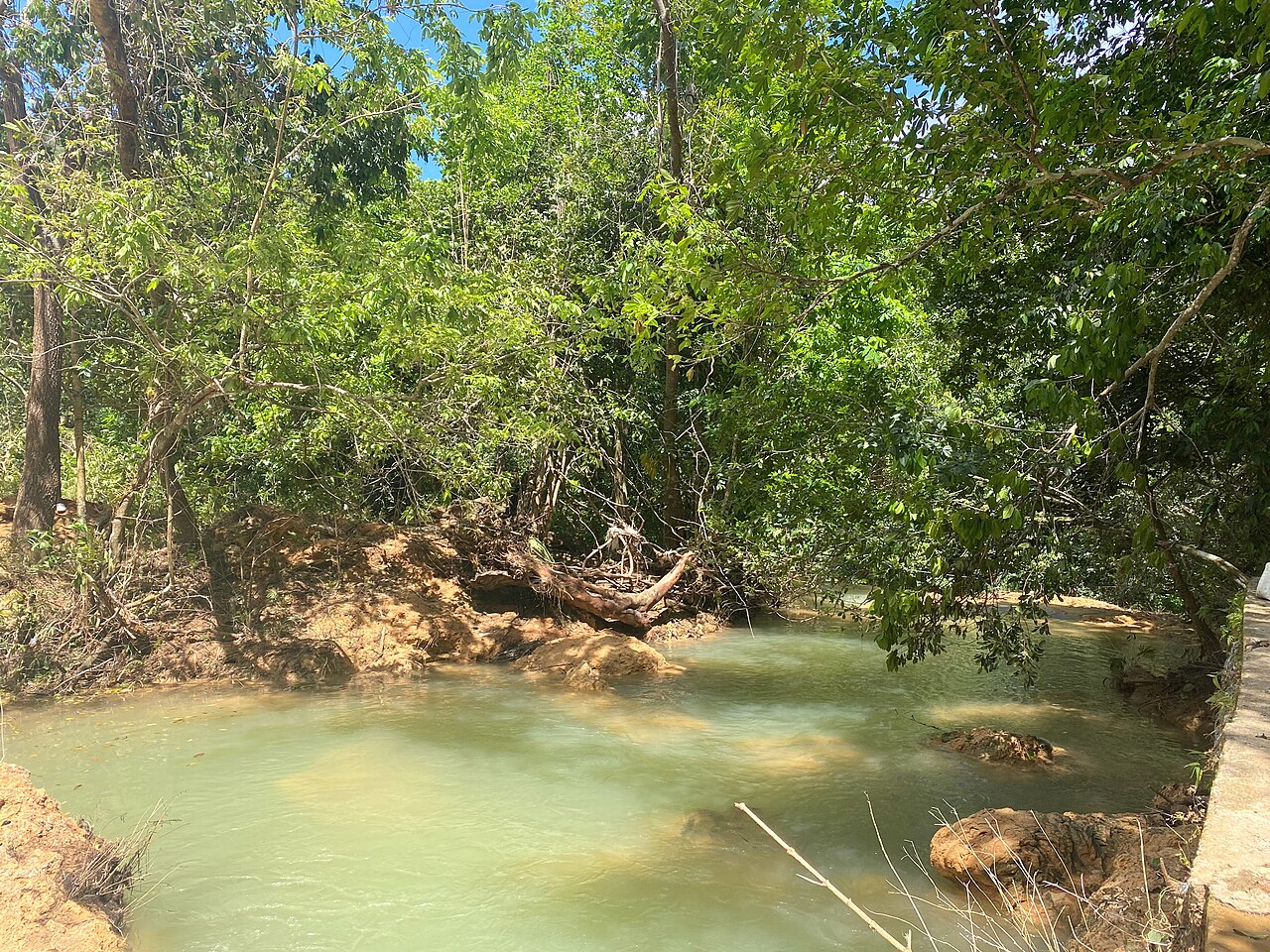
Samaná is the wild, green peninsula of the Dominican Republic, famous for the humpback whales that arrive every winter. Most visitors need 3–4 days: one for whale watching and Cayo Levantado (January to March), one for El Limón waterfall, one for Los Haitises National Park and one for beaches like Playa Rincón. This guide covers the 10 places worth your time, what they cost, when to see the whales and where to stay.
This guide contains affiliate links. If you book through them, we may earn a small commission at no extra cost to you.
Why Visit Samaná?
The Samaná Peninsula stretches into the Atlantic on the northeast coast, with mountains covered in coconut palms, empty beaches and a large bay. Its main town, Santa Bárbara de Samaná, was founded in the 18th century, and in the 1820s it received freed African Americans from the United States, whose descendants still keep some English and Protestant traditions. The peninsula is known for:
- Humpback whales: they come to Samaná Bay and the nearby marine sanctuary to mate and give birth from January to March.
- Beaches: Playa Rincón, Playa Frontón and Playa Bonita are among the most beautiful in the Caribbean.
- Nature: El Limón waterfall and the mangroves and limestone islands of Los Haitises.
- A slower pace: villages and small hotels instead of large resorts.
- Las Terrenas: a cosmopolitan beach town with excellent food.
Is Samaná Right for You?
| Type of trip | How Samaná fits |
|---|---|
| Nature and wildlife | Excellent: whales, birds, mangroves, waterfalls and rainforest. |
| Couples and romantic trips | Excellent: boutique hotels, empty beaches and sunsets in Las Terrenas. |
| Beach holidays | Very good: wild, palm-backed beaches, fewer crowds than Punta Cana. |
| Families with kids | Good: whale watching and calm beaches; long drives and rough roads need planning. |
| Budget travelers | Good: guesthouses and local food are cheap; boat trips add up. |
| Travelers with limited mobility | Challenging: hilly terrain, boat landings on beaches and rough tracks. |
Samaná Quick Facts
| Best time to visit | January–March for whales (February is the peak); December–April for drier weather. Hurricane season runs from June 1 to November 30. |
|---|---|
| How many days | 3–4 days. |
| Airport | Samaná El Catey International Airport (AZS), about 30–45 minutes from Las Terrenas and Samaná town. Santo Domingo is about 2.5–3 hours by road. |
| Getting around | Taxis, guaguas (local minibuses) and boat trips; a rental car is useful for exploring. |
| Entry | Fill in the free e-Ticket (eticket.migracion.gob.do) before your flight. The tourist card is included in your airfare. |
| Currency | Dominican peso (RD$). In November 2026, US$1 was worth about RD$60. Carry cash: card acceptance is limited outside hotels. |
Know Before You Go
Is Samaná walkable?
The towns are: Santa Bárbara de Samaná has a walkable Malecón, and Las Terrenas and Las Galeras are small enough to explore on foot. But the peninsula’s sights are spread out, linked by winding mountain roads: Samaná to Las Terrenas takes about 40 minutes, and Samaná to Las Galeras about 30 minutes. Many beaches, like Playa Frontón, can only be reached by boat or on foot.
Is Samaná safe?
The US State Department rates the Dominican Republic at Level 2, “exercise increased caution”, because of crime. The Samaná Peninsula is generally relaxed and safe for visitors. Take the usual precautions: do not leave valuables unattended on the beach, avoid isolated beaches and roads after dark and use registered taxis. Roads are narrow and winding, with motorbikes and animals, so be careful if you drive. The emergency number is 911.
Does Samaná have Uber?
Ride-hailing apps have very limited coverage on the peninsula, so do not count on them. Use local taxis, which your hotel can call for you, or guaguas between the main towns. Motorbike taxis (motoconchos) are common but not safe for tourists. Agree on all fares before you start.
How do you get around Samaná?
Guaguas link Samaná town, Las Terrenas, Las Galeras and El Limón and are very cheap. Taxis are more comfortable, especially with luggage. Boats are the best way to reach Cayo Levantado, Los Haitises, Playa Frontón and often Playa Rincón. A rental car gives you the most freedom, but some roads are steep and potholed. From Santo Domingo, Caribe Tours coaches reach Samaná in about 2.5–3 hours.
Map of the Best Places to Visit in Samaná
The numbers on the map match the list below. Los Haitises (4) is across the bay, reached by boat from Samaná or Sánchez.
10 Best Places to Visit in Samaná
1. Whale Watching in Samaná Bay

Every winter, humpback whales migrate from the North Atlantic to the warm waters of Samaná Bay and the nearby Silver and Navidad Banks to mate and give birth. The bay and the banks form a marine mammal sanctuary, and Samaná is considered one of the best places in the world to see the whales from a boat.
From January to March, licensed boats leave from the Malecón of Samaná for trips of a few hours. You can see males competing, whales breaching and mothers swimming with their calves. The Ministry of Environment regulates the activity: only licensed operators may take visitors (46 permits were issued for the 2026 season), and boats must keep their distance from the whales.
Why we recommend it: seeing a humpback whale breach a few hundred meters away is unforgettable.
Area: Samaná Bay, boats from the Malecón of Samaná · Season: January to March, peak in February · Price: boat trips vary by operator; book with a licensed company · Time needed: 3–4 hours
Tip: Choose an operator that follows the sanctuary rules and does not offer swimming with the whales, which is not allowed in the bay. Bring seasickness tablets: the sea can be rough outside the bay.
Compare whale watching tours in Samaná
When does the 2027 whale season start? The Ministry of Environment opens the season officially each year with a management agreement; the 2026 season was opened on January 16, 2026, and earlier seasons ran from January 15 to March 31. In late November 2026, the official dates for 2027 had not yet been published. Plan for mid-January to the end of March, aim for February, and confirm the dates before booking non-refundable trips.
2. Cayo Levantado

Cayo Levantado is a small, palm-covered island in Samaná Bay, about 15 minutes by boat from Samaná town. Part of the island is occupied by a luxury resort, but the public beach at the western end is open to day visitors, with white sand and calm, clear water.
The island is often combined with whale watching: boats stop here after the trip for lunch and a few hours on the beach. Outside the whale season, it is an easy half-day trip for swimming and snorkeling.
Why we recommend it: it is the easiest beach escape from Samaná town, and the perfect end to a whale watching morning.
Area: Samaná Bay · Price: boat trip from Samaná; often included with whale watching · Time needed: half a day
Tip: The public beach can get busy around midday; go early or stay into the afternoon after the groups leave.
3. El Limón Waterfall

El Salto del Limón is a waterfall about 40 meters high, falling from a cliff into a natural pool in the middle of the forest. It is part of a protected natural monument of about 18 square kilometers in the mountains between Samaná and Las Terrenas.
The trail starts from several ranches along the road near the village of El Limón and crosses rivers and cacao and coffee plantations. The hike takes around 40–60 minutes each way. At the bottom, you can swim in the pool, which is refreshingly cold.
Why we recommend it: it is the most impressive waterfall in the country, in a beautiful jungle setting.
Area: El Limón, between Samaná and Las Terrenas · Price: a small entrance fee, plus a local guide; parking about RD$200 · Time needed: 2–3 hours
Tip: Horseback rides to the waterfall are widely offered, but many visitors and travel writers have raised concerns about the treatment of the horses. Walking is easy for most people, and you can hire a guide at the start of the trail.
4. Los Haitises National Park

Los Haitises National Park, on the southern side of Samaná Bay, protects a landscape of limestone hills (mogotes) covered in forest, mangrove channels and small rocky islands full of birds. It is one of the most biologically important protected areas in the country.
Boat trips from Samaná or Sánchez cross the bay and follow the coast past the islands, then enter mangrove channels and stop at caves such as the Cueva de la Línea and San Gabriel, where you can see Taíno pictographs and petroglyphs. Pelicans, frigatebirds and herons nest on the islands.
Why we recommend it: it is the most spectacular nature excursion in the Dominican Republic.
Area: across Samaná Bay, boats from Samaná or Sánchez · Price: a national park fee, usually included in tours · Time needed: half a day to a full day
Tip: Bring insect repellent and a flashlight for the caves. Some tours combine Los Haitises with Cayo Levantado or El Limón.
5. Playa Rincón

Playa Rincón, near Las Galeras, is regularly ranked among the best beaches in the Caribbean: more than three kilometers of fine sand backed by coconut palms, with clear water and almost no buildings. At its western end, the cold, freshwater Caño Frío river flows into the sea, where you can take a refreshing swim.
Small restaurants on the beach serve fresh fish, lobster and cold drinks. You can reach the beach by road (the last part is rough) or by boat from Las Galeras, often combined with Playa Frontón or Playa Madama.
Why we recommend it: it is the postcard Caribbean beach without the resorts.
Area: near Las Galeras · Price: free beach; boat trips from Las Galeras extra · Time needed: a full day
Tip: Go on a weekday; on weekends and Dominican holidays the beach gets busier with local families.
See boat trips to Playa Rincón and Frontón
6. Las Terrenas

Las Terrenas, on the north coast of the peninsula, was a small fishing village until European travelers, many of them French and Italian, began settling here in the 1970s and 1980s. Today it is a relaxed, cosmopolitan beach town with boutique hotels, cafés, bakeries and some of the best restaurants in the country.
Its beaches, Playa Las Ballenas, Punta Popy and the area around the Pueblo de los Pescadores (fishermen’s village), have calm water and sunsets, and the town has a lively but laid-back nightlife.
Why we recommend it: it is the best base on the peninsula, with a great mix of beaches, food and atmosphere.
Area: north coast · Price: free beaches · Time needed: a day or more
Tip: Have dinner at the Pueblo de los Pescadores, a row of beachfront restaurants built in the style of the old fishermen’s houses.
7. Playa Frontón

Playa Frontón is a remote beach at the foot of dramatic limestone cliffs, northeast of Las Galeras. There are no roads: you arrive by boat (about 15 minutes) or on a hiking trail through the forest.
The reward is a quiet beach with excellent snorkeling on the reef just offshore, and views of the cliffs above. It is also a spot for rock climbing. Bring everything you need, as there are few or no services.
Why we recommend it: it is one of the wildest and most beautiful beaches in the Dominican Republic.
Area: near Las Galeras · Price: boat trip from Las Galeras · Time needed: half a day
Tip: Agree on the return time with your boat captain before he leaves, and bring water, snacks and snorkeling gear.
8. Las Galeras

Las Galeras is a small village at the eastern tip of the peninsula, at the end of the road. Fishing boats rest on its beach, and a handful of guesthouses, restaurants and dive shops cater to travelers looking for peace and quiet.
It is the starting point for boat trips to Playa Frontón, Playa Madama and Playa Rincón, and for diving on the reefs and walls around the cape. The village beach is calm and good for swimming.
Why we recommend it: it is the most authentic, laid-back village on the peninsula.
Area: eastern tip of the peninsula, about 30 minutes from Samaná town · Price: free · Time needed: a day
Tip: Book boat trips directly with the fishermen’s cooperative on the beach, and compare prices before agreeing.
9. Bridges of Samaná

In front of Samaná town, a series of pedestrian bridges links the mainland to two small islands (cayos) in the bay. Known as Los Puentes or the bridges to nowhere, they were built in the 1970s and lead to a small park with views over the bay and the town.
Walking across is a pleasant short outing, especially at sunset, and combines well with a stroll along the Malecón of Samaná, where whale watching boats leave in season.
Why we recommend it: it gives the best view of the bay and the town, for free.
Area: Santa Bárbara de Samaná · Price: free · Time needed: 45 minutes · Best time: sunset
Tip: After the walk, visit La Churcha, the church founded by the African American community that settled in Samaná in the 1820s.
10. Playa Bonita

Playa Bonita, just west of Las Terrenas, lives up to its name (“pretty beach”): a long arc of golden sand backed by palms, with a few small hotels and restaurants. Next to it, Playa Cosón stretches for several kilometers and is even quieter.
The water is good for swimming on calm days, and waves sometimes allow surfing. It is quieter than the beaches in the center of Las Terrenas, and ideal for long walks.
Why we recommend it: it is the perfect beach for a relaxed day near Las Terrenas.
Area: west of Las Terrenas · Price: free · Time needed: half a day
Tip: Watch the flags: on windy days, currents can be strong.
Must-Do Experiences in Samaná
Some of the best moments on the peninsula are simple. These are the experiences we would not skip:
- Watch the whales. If you travel between January and March, it is the highlight of the trip.
- Swim in a cold river. At Caño Frío on Playa Rincón or in the pool below El Limón.
- Eat fish with coconut sauce. Pescado con coco is the signature dish of Samaná.
- Take a boat to a roadless beach. Playa Frontón or Playa Madama from Las Galeras.
- Watch the sunset in Las Terrenas. With a drink at the fishermen’s village.
Where to Eat in Samaná
| Place | Area | What to order | Good to know |
|---|---|---|---|
| Pueblo de los Pescadores | Las Terrenas | Seafood, international dishes | Beachfront restaurants; best at sunset |
| Beach restaurants | Playa Rincón | Fried fish, lobster, tostones | Agree on the price before cooking |
| Local comedores | Samaná town | Pescado con coco, la bandera | Cheap and authentic |
| French bakeries | Las Terrenas | Croissants, bread, coffee | A legacy of the town’s French community |
| Guesthouse restaurants | Las Galeras | Catch of the day | Few options; book dinner in high season |
Tip: restaurant bills in the Dominican Republic usually include an 18% tax and a 10% service charge. Outside Las Terrenas, many places only take cash.
When Can You See the Whales in Samaná?
Whale watching is the main reason many people visit Samaná, but the season is short. Here is what to expect month by month, based on the Ministry of Environment’s seasons and observation records.
| Month | Whales | What to expect | Verdict |
|---|---|---|---|
| December | Early arrivals possible | The official season has not started; licensed trips are not yet running | Too early |
| Mid-January to end of January | Increasing numbers | The season opens around mid-January; good sightings by the end of the month | Good |
| February | Peak | The most whales and calves; busiest boats and hotels | Best |
| March | Decreasing numbers | Still good sightings in the first half; the season usually closes at the end of the month | Good, quieter |
| April–November | None | The whales have returned north | No whale watching |
Our verdict: plan your whale trip for February if you can, and book your hotel early, because the peninsula fills up. If you can only travel in January or March, go in the second half of January or the first half of March for a good chance of sightings.
Where to Stay in Samaná
| Area | Best for | Pros | Cons |
|---|---|---|---|
| Las Terrenas | Couples, foodies and first-time visitors | Beaches, restaurants, nightlife, boutique hotels | 40 minutes to the whale boats in Samaná |
| Santa Bárbara de Samaná | Whale watching and Los Haitises | Boats leave from the Malecón; local town | No good beach in town |
| Las Galeras | Peace and quiet, divers | Close to Rincón and Frontón, village atmosphere | Few restaurants and services |
| Playa Bonita / Cosón | Beach lovers | Quiet, long beaches near Las Terrenas | You need transport to go out |
Use the map below to compare hotels and apartments across these areas. Prices update live for your dates, so set your check-in and check-out first.
See hotels in Samaná and Las Terrenas
Samaná Itinerary: 1, 2 or 3 Days
- Day 1 – The bay: whale watching (1) in the morning (January–March), lunch on Cayo Levantado (2), sunset walk on the bridges of Samaná (9).
- Day 2 – Waterfall and Las Terrenas: hike to El Limón waterfall (3) in the morning, afternoon on Playa Bonita (10), dinner in Las Terrenas (6).
- Day 3 – Beaches or Los Haitises: a boat day from Las Galeras (8) to Playa Rincón (5) and Playa Frontón (7), or a trip to Los Haitises (4).
With a fourth day, do both: Los Haitises one day and the beaches of Las Galeras the next.
Day Trips from Samaná
- Los Haitises: boat trips from Samaná or Sánchez across the bay; see place 4 above.
- Cabarete and Puerto Plata: about 2.5–4 hours west along the north coast; better as part of a road trip. See our Puerto Plata guide.
- Santo Domingo: about 2.5–3 hours by the Samaná highway. See our Santo Domingo guide.
Getting There and Around
| Option | Price | Notes |
|---|---|---|
| Samaná El Catey Airport (AZS) | Taxi varies | About 30–45 minutes to Las Terrenas or Samaná town. |
| From Santo Domingo by road | Tolls on the highway | About 2.5–3 hours via the Samaná highway. |
| Caribe Tours coach from Santo Domingo | About RD$200–500 | About 2.5–3 hours to Samaná town; several departures a day. |
| Guaguas | Very cheap | Between Samaná, Las Terrenas, Las Galeras and El Limón. |
| Taxis | Varies | Agree on the fare first; your hotel can call a trusted driver. |
Money-Saving Tips
- Visit outside the whale season for lower hotel prices, and spend more time on the beaches.
- Book boat trips directly with local cooperatives in Samaná and Las Galeras, and share a boat with other travelers.
- Hike to El Limón with a local guide instead of a full tour from Las Terrenas.
- Use guaguas between the towns instead of taxis.
- Withdraw cash in Samaná or Las Terrenas; ATMs are scarce elsewhere.
Best Time to Visit Samaná
| Season | Weather | Crowds | Good to know |
|---|---|---|---|
| Winter (Dec–Feb) | Warm, with showers | High from mid-January | Whale season; book early |
| Spring (Mar–May) | Sunny and warm | Medium; high at Easter | Whales until the end of March; good beach weather |
| Summer (Jun–Aug) | Hot and humid | Medium | Hurricane season starts June 1; quiet beaches |
| Autumn (Sep–Nov) | Hot, rainy | Low | Peak of the hurricane season; lowest prices |
Samaná FAQ
How many days do you need in Samaná?
Three to four days is ideal: one for whale watching and Cayo Levantado, one for El Limón waterfall and one or two for Los Haitises and the beaches around Las Galeras.
When is whale watching season in Samaná?
From mid-January to the end of March, with the peak in February. The 2026 season opened on January 16, 2026; the 2027 dates had not yet been published in late November 2026.
Can you swim with the whales in Samaná?
No. In Samaná Bay, whales may only be watched from licensed boats that keep their distance. Avoid any operator that offers swimming with them.
Is Samaná worth visiting?
Yes, especially for nature lovers. It has the whales, the best waterfall in the country, Los Haitises and some of the most beautiful undeveloped beaches in the Caribbean.
Where should I stay in Samaná?
Las Terrenas for beaches, restaurants and atmosphere, Samaná town if whale watching is your priority, or Las Galeras for peace and quiet.
Extending Your Trip?
Planning a longer trip around the Dominican Republic? Santo Domingo is about 2.5–3 hours away by road: read our guide to the best places to visit in Santo Domingo. Follow the north coast west to Puerto Plata, or head to the beaches of Punta Cana. See our guides to Puerto Plata and Punta Cana.
Sources (prices and opening hours checked in November 2026)
- Presidencia de la República – opening of the 2026 humpback whale season
- Diario Libre – 2026 whale season and permits
- Acento – Samaná whale season, peak in February
- Diario Libre – sanctuary rules and illegal swimming incidents
- Lopesan – El Limón Natural Monument
- Dominican Republic Ministry of Tourism – getting around
- Revista Mercado – Banco Central exchange rate, November 2026
- US State Department – Dominican Republic travel advisory