If you’re dreaming of a trip to Chile, you’re in for an epic adventure. I’ve spent time exploring this long, skinny country that stretches from the driest desert on Earth down to the wild glaciers of Patagonia. Chile packs incredible variety into one narrow strip between the Andes and the Pacific: buzzing modern cities, colorful port towns with insane street art, otherworldly deserts perfect for stargazing, dramatic lakes backed by volcanoes, and raw, windswept wilderness that makes you feel tiny.
Whether you’re a city explorer, a food lover chasing fresh seafood and bold wines, an adventure seeker, or someone who just wants jaw-dropping photos, Chile delivers. I’ve narrowed it down to five standout spots that capture the country’s diversity and give you a solid taste of what makes this place special.
Top Cities to Visit in Chile
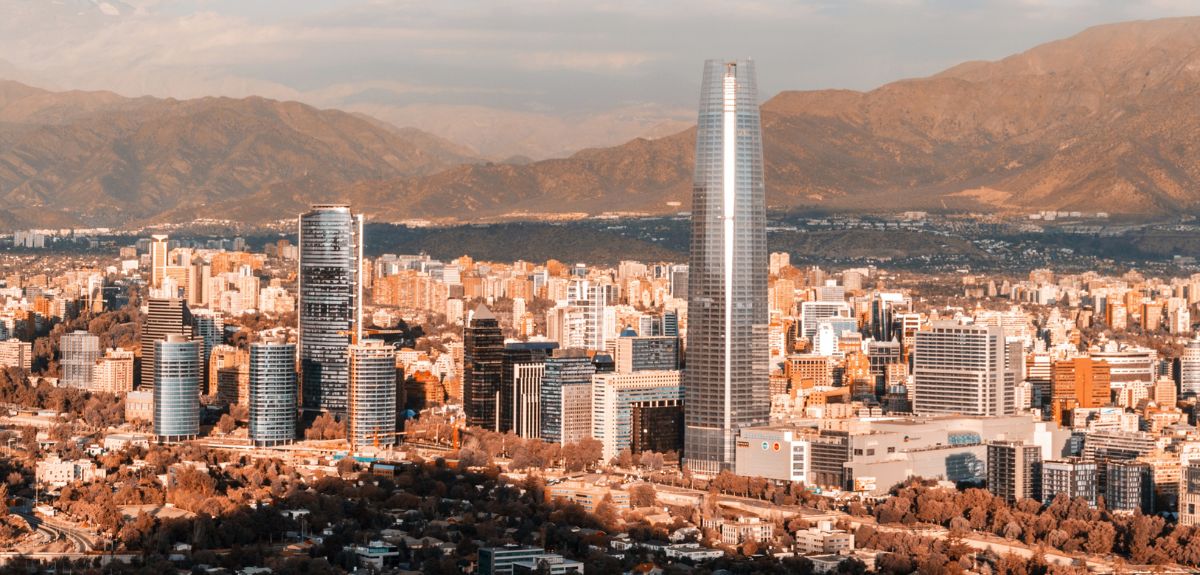
- Santiago: Chile’s energetic capital, nestled against the Andes with a mix of historic neighborhoods, world-class museums, vibrant markets, and easy day trips to vineyards or the coast.
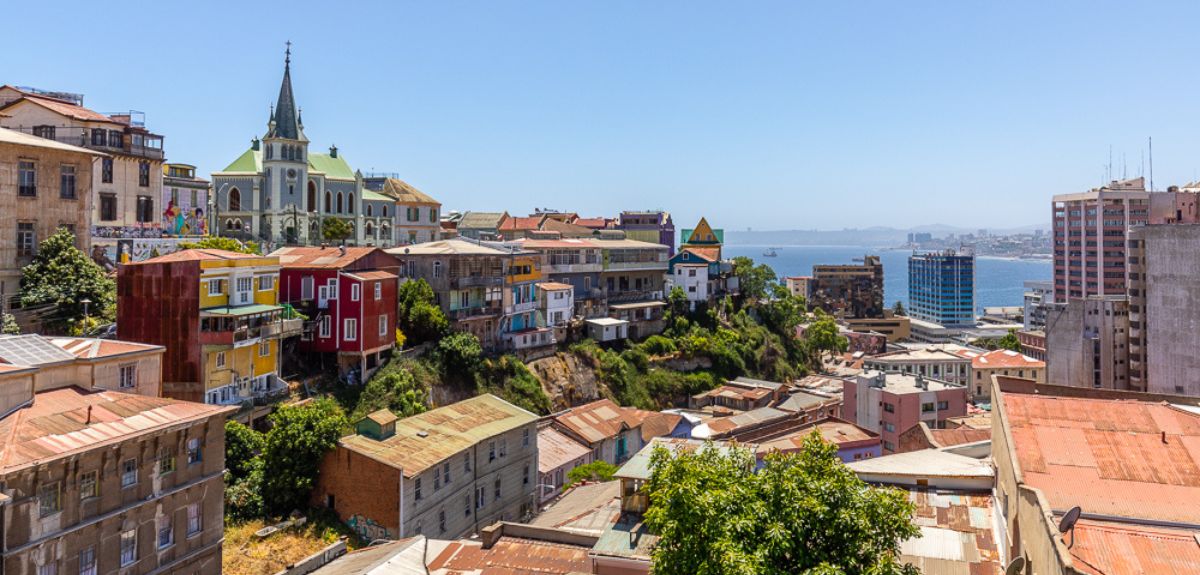
- Valparaíso: A bohemian coastal gem just a short ride from Santiago, famous for its steep hills covered in colorful houses, street art everywhere, funicular elevators, and laid-back port vibe.
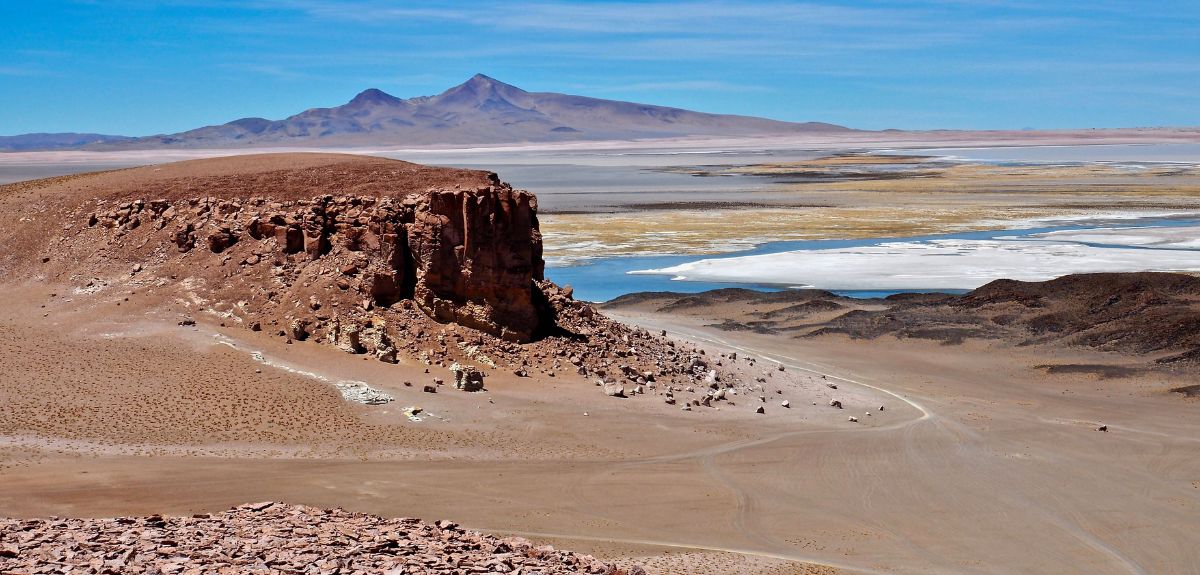
- Atacama Desert: The world’s driest desert around San Pedro de Atacama, offering Mars-like valleys, salt flats with flamingos, geysers at dawn, hot springs, and some of the clearest night skies for stargazing.
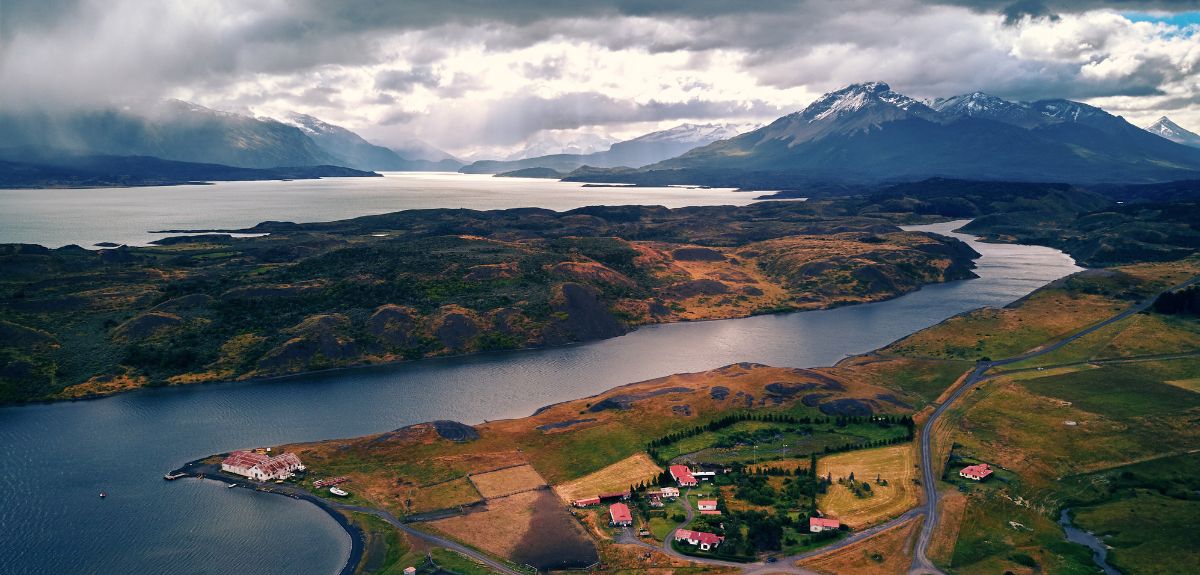
- Patagonia: The ultimate wilderness in the far south, centered on Torres del Paine National Park with its iconic granite towers, turquoise lakes, glaciers, and world-class hiking trails like the W Trek.
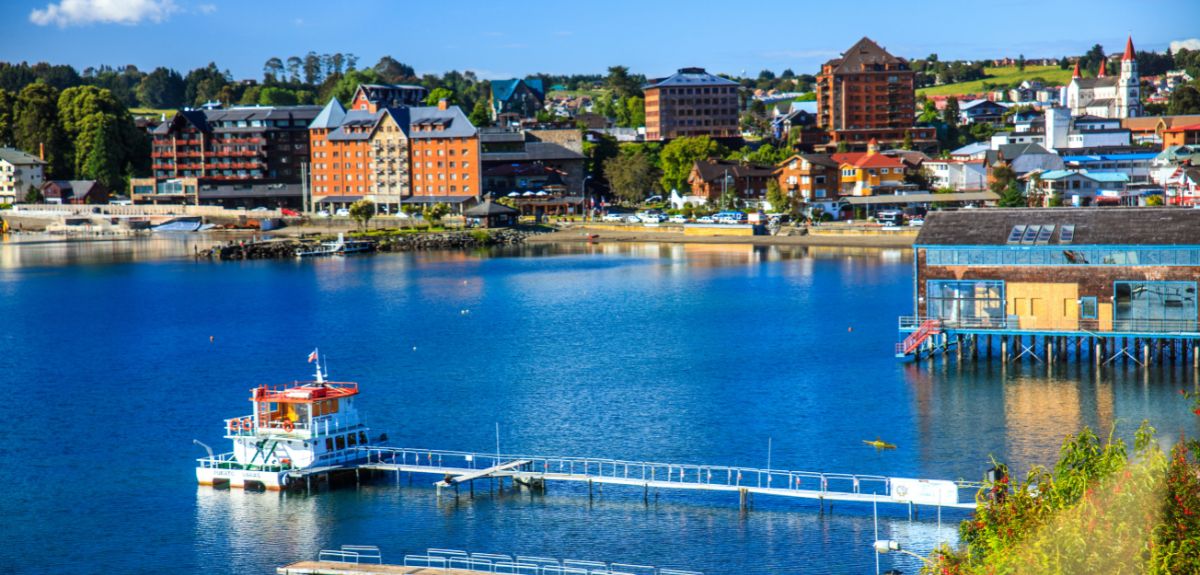
- Puerto Varas: A charming lakeside town in the Chilean Lake District, with German-influenced architecture, views of snow-capped Volcán Osorno, and endless options for kayaking, hiking, rafting, and hot springs.
Accommodation – In Santiago and Valparaíso, mid-range hotels or nice Airbnbs with private bathrooms and good locations run $70–120 per night for a double. Hostels offer dorm beds for $15–30 and private rooms around $40–60. In Atacama (San Pedro), expect similar or slightly higher due to remoteness. Patagonia and Puerto Varas can be pricier in peak season (Dec–Feb), with mid-range spots at $90–150. Luxury lodges in the desert or Patagonia easily hit $300–500+ per night, often all-inclusive with tours. Booking shoulder seasons (March–May or Sept–Nov) saves money and avoids crowds.
Food – Chilean food is hearty and fresh. A filling lunch “menú del día” (set meal with drink) costs $8–15 in cities. Empanadas, completos (hot dogs), or seafood like locos or congrio run $5–12. Dinner in a casual spot might be $15–25 per person; nicer restaurants or wine-paired meals hit $40–70. Breakfast with coffee and pastry: $4–8. In Atacama and Patagonia, options are more limited so prices creep up a bit, but supermarkets help if you self-cater. Chile produces excellent, affordable wines—grab a bottle for under $10 in stores.
Transportation – Domestic flights (Santiago to Calama for Atacama or Punta Arenas for Patagonia) cost $80–200 one-way if booked early. Long-distance buses are comfortable and cheaper ($20–80 for major routes, with semi-cama or cama seats). In Santiago, the metro is efficient and cheap—about $0.80–1.10 per ride. Uber or taxis for short trips run $5–15. Renting a car is handy for the Lake District or day trips but factor in gas and parking; it’s less ideal for the far north or deep south. Airport transfers and group tours in Atacama/Patagonia are common and often bundled.
Activities – Many natural wonders are free or low-cost to access, but guided tours are worth it for safety and logistics. Atacama tours (geysers, salt flats, astronomy) run $50–120 per day. Entry to Torres del Paine is around $30–40. Wine tours near Santiago: $50–100. Museum or funicular rides: $5–15. Booking directly or in small groups can save cash.
Chile feels like several countries rolled into one long ribbon. The north is arid and extreme with bone-dry air and starry skies that blow your mind. Central Chile around Santiago and Valparaíso has a Mediterranean energy—think green valleys, vineyards, and a lively but relaxed city-coast combo. Head south to the Lake District and Patagonia and you swap desert for lush forests, massive lakes, volcanoes, and glaciers under huge skies. The scale is humbling.
The people (Chileans) are generally warm, proud, and straightforward once you chat with them. Spanish helps a lot, especially outside tourist hubs, but English is common in Santiago, hotels, and tour groups. Meals happen later—lunch around 1–3 PM, dinner from 8 PM onward—and portions are generous. There’s a strong café culture in cities and a deep love for asados (barbecues), fresh fish, and pisco sours or good reds like Carménère.
Weather varies wildly by region and season. Santiago has hot, dry summers (up to 90°F/32°C) and cool, sometimes rainy winters. Atacama is sunny year-round but cold at night. Patagonia’s summer (Dec–Feb) is the most popular for hiking, though it can still be windy and unpredictable—pack layers! Shoulder seasons often give the best balance of weather and fewer crowds.
Safety-wise, Chile is one of the safer countries in South America for travelers. Santiago, Valparaíso, and tourist areas in Atacama/Patagonia feel comfortable for solo travelers and couples in their 20s–40s. That said, watch for pickpockets in crowded spots like Santiago’s downtown markets or Valparaíso’s hills, especially at night. Use common sense, avoid flashing valuables, and stick to well-lit areas. Protests or demonstrations can pop up in cities—monitor local news and steer clear if tensions rise. Roads are generally good, but driving in the Andes or far south requires caution and sometimes 4×4.
Overall, Chile rewards travelers who embrace its contrasts. One day you’re sipping wine with Andes views; the next you’re hiking past glaciers or watching flamingos at sunset in a salt flat. The country’s infrastructure is solid for South America, making it relatively easy to move around and focus on the experiences.
Grab our interactive maps for Santiago, Valparaíso, the Atacama Desert, Patagonia, and Puerto Varas to start plotting your route. Whether you have one week or a month, Chile will leave you planning your return trip before you even leave.