If you’re dreaming of a trip to the United Arab Emirates, you’re in for something special. I’ve spent a good chunk of time exploring this place—racing around Dubai’s glittering skyline, standing in awe at Abu Dhabi’s Grand Mosque, and escaping to the quieter mountains and beaches farther north. The UAE packs a wild mix of futuristic ambition, deep-rooted Emirati culture, desert drama, and coastline that feels a world away from the malls and towers. Whether you’re chasing luxury, culture, adventure, or just that perfect skyline shot, these cities deliver. Let me walk you through my top picks, with practical tips and a few of my own notes so you can plan smart and travel better.
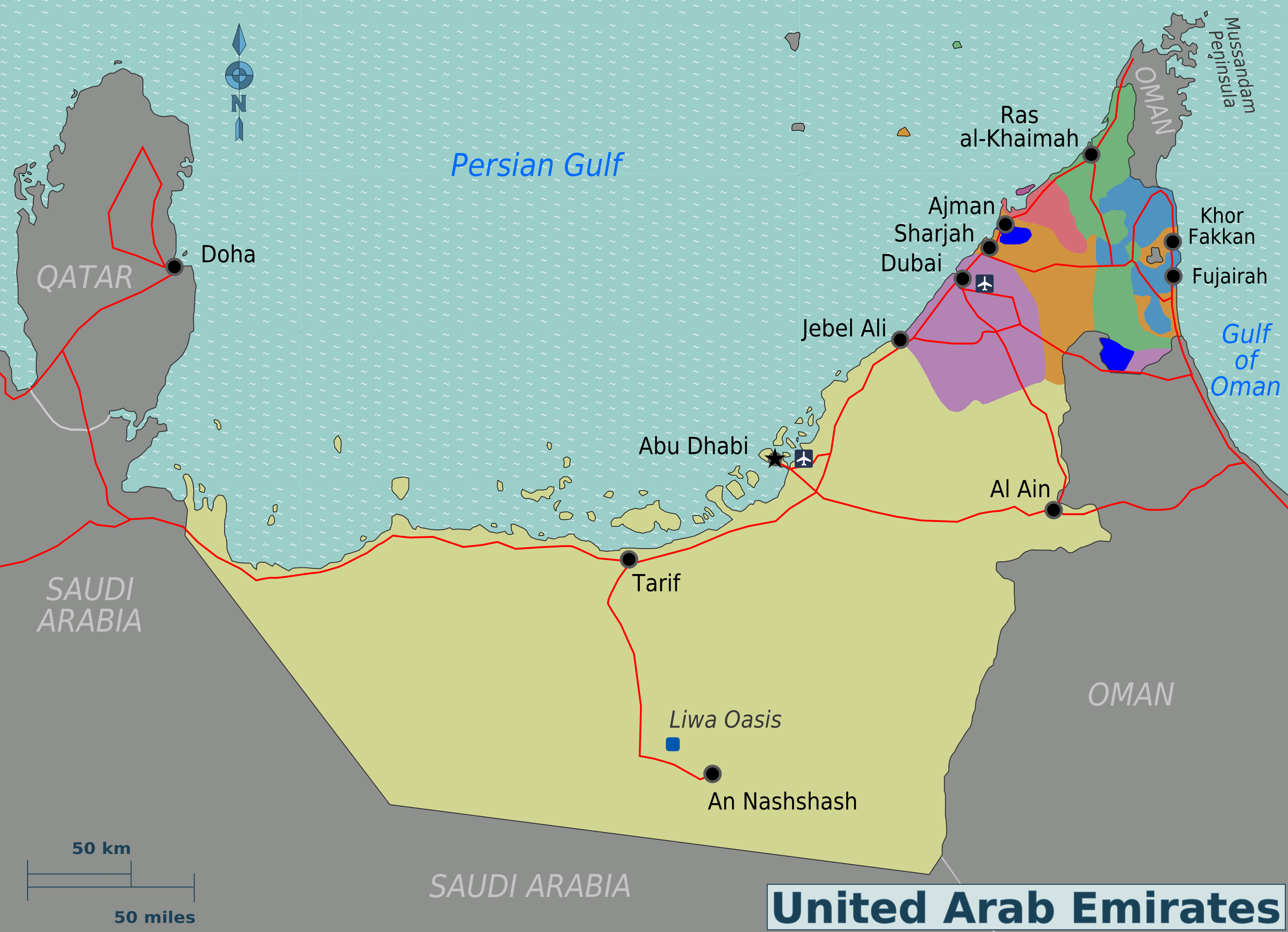
The UAE hits differently depending on where you land. One minute you’re staring up at the world’s tallest building, the next you’re hiking in the Hajar Mountains or wandering a heritage district that still feels connected to the pre-oil days. I’ve narrowed it to five must-visit spots that show the country’s range: Dubai, Abu Dhabi, Sharjah, Ras Al Khaimah, and Fujairah. Each has its own personality, and I’ll point you to deeper guides so you can dig in. You’ll also get the real-talk on costs, money-saving moves, and what daily life actually feels like once you’re on the ground.
Top Cities to Visit in the United Arab Emirates
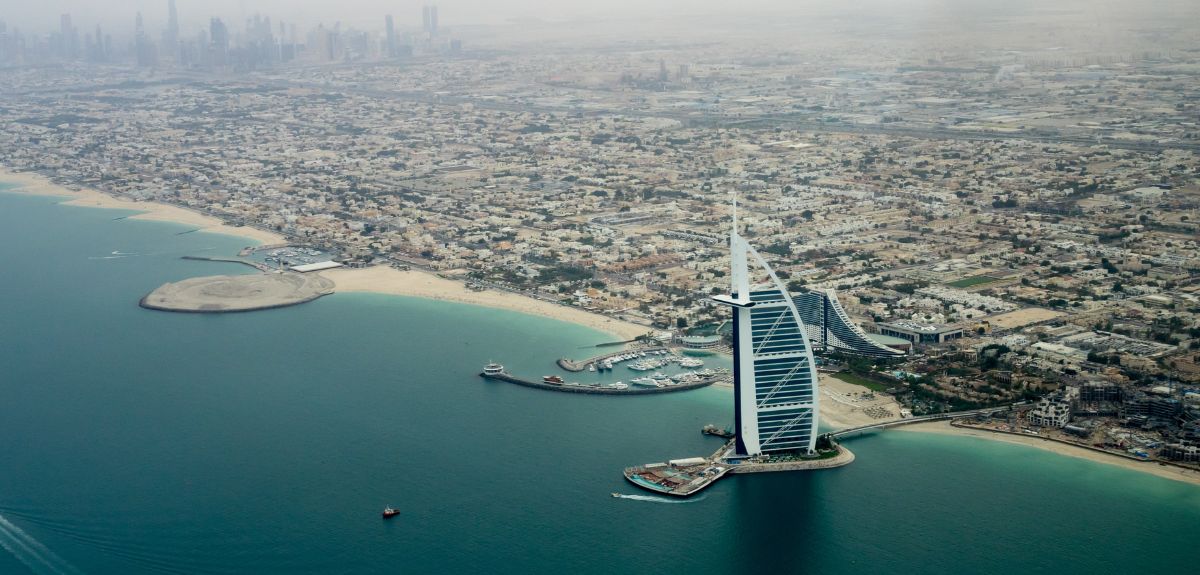
- Dubai: The high-energy showstopper with the Burj Khalifa, Dubai Mall, Palm Jumeirah, and a mix of old Creek neighborhoods and futuristic icons. Best for first-timers who want the full spectacle.
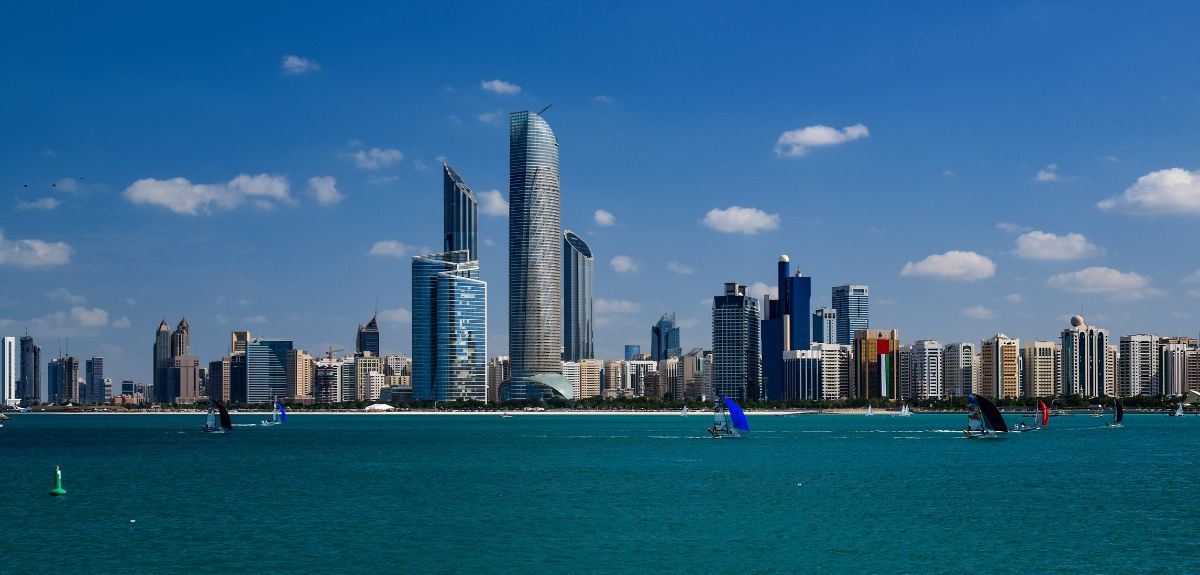
- Abu Dhabi: The more refined capital, home to the stunning Sheikh Zayed Grand Mosque, Louvre Abu Dhabi, and Yas Island thrills. Sophisticated, spacious, and a bit calmer than its neighbor.
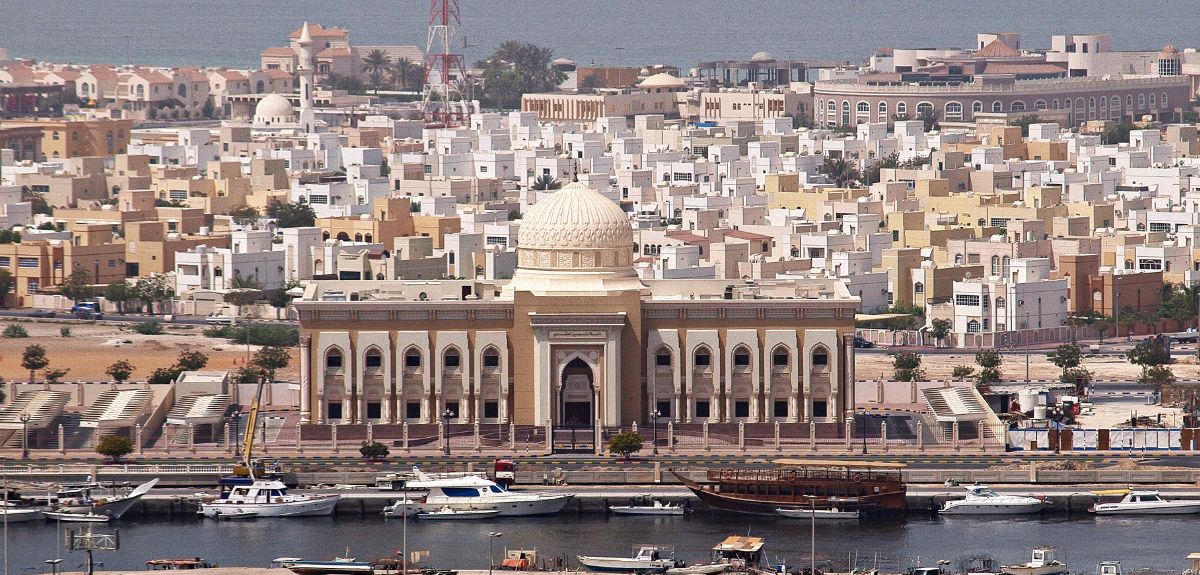
- Sharjah: The cultural heart of the UAE—heritage districts, excellent museums, the Blue Souk, and a more traditional pace just a short hop from Dubai.
- Ras Al Khaimah: Adventure central with Jebel Jais (the UAE’s highest peak), the world’s longest zipline, desert landscapes, and a laid-back northern vibe.
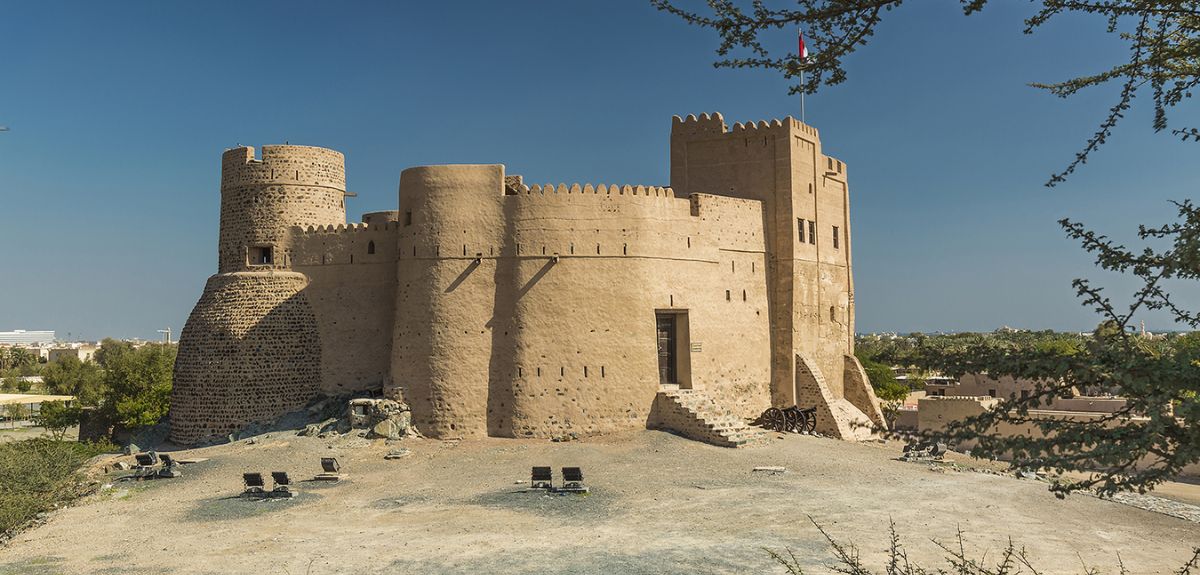
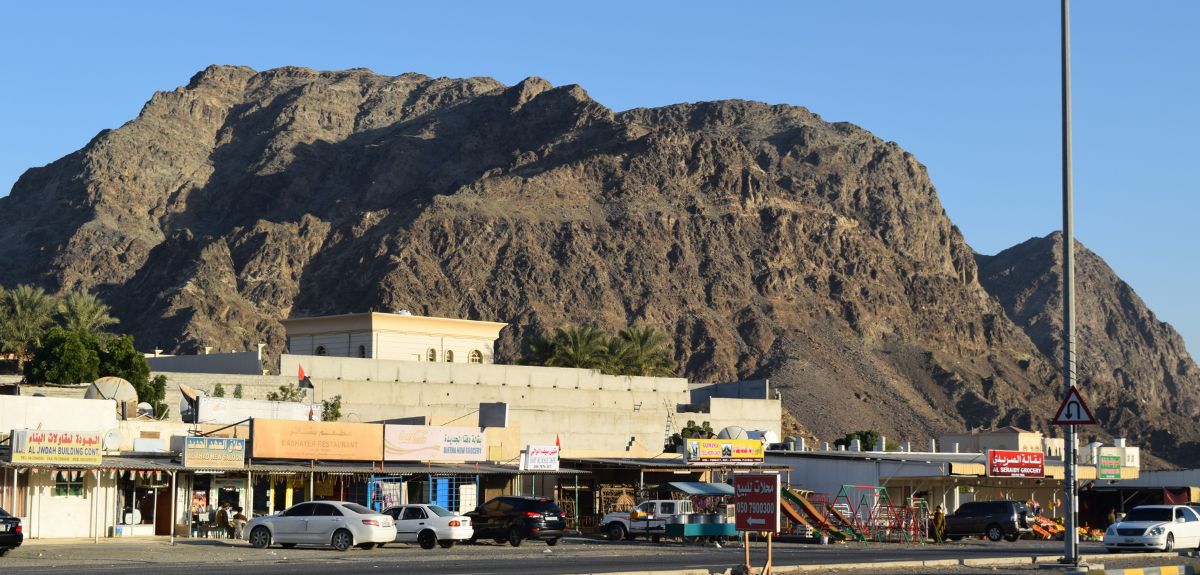
- Fujairah: The east-coast escape where the Hajar Mountains meet the Gulf of Oman—beaches, snorkeling around Snoopy Island, forts, and real mountain scenery.
Accommodation – Mid-range hotels in Dubai or Abu Dhabi usually run $80–180 USD per night for a solid double room with good location and amenities. Budget hotels or well-reviewed hostels/dorms start around $25–60 USD. Sharjah, Ras Al Khaimah, and Fujairah tend to be cheaper for comparable comfort. Luxury or iconic spots (Palm, Downtown, beach resorts) easily hit $200–400+ USD, especially in peak winter season (November–March). Book ahead or aim for shoulder months to keep costs down.
Food – You can eat very well without breaking the bank. A solid local meal (shawarma, karak tea, biryani, or cafeteria-style Emirati/Indian/Lebanese) costs $4–12 USD. Mall food courts and casual restaurants run $10–25 USD per person. Mid-range sit-down meals average $20–40 USD. Fine dining or hotel restaurants can jump to $60–150+ USD. Breakfast coffee and pastry is typically $4–8 USD. Alcohol (available in licensed venues in most emirates except Sharjah) adds up quickly.
Transportation – Dubai Metro and buses are efficient and cheap—single rides roughly $0.80–2 USD with a Nol card; day passes are good value. Taxis and Careem/Uber-style rides for short city hops run $5–15 USD. Inter-emirate buses (Dubai–Abu Dhabi, Dubai–Sharjah, etc.) are affordable at $5–15 USD. Car rentals start around $30–60 USD per day plus fuel. Abra boats across Dubai Creek cost about $0.30 USD one way. Getting between emirates is straightforward by road or bus.
Activities – Burj Khalifa At the Top (levels 124/125) starts around $40–70 USD depending on time slot (prime sunset hours cost more). Sheikh Zayed Grand Mosque is free (dress modestly). Louvre Abu Dhabi is roughly $15–20 USD. Desert safaris range $40–120 USD. Jebel Jais zipline is a bigger splurge at around $175–190 USD. Many beaches, parks, heritage areas, and mosques are free or low-cost.
The UAE is a place of contrasts that somehow work. Futuristic towers rise next to wind-tower houses and souks. You’ll find world-class art and theme parks within an hour of quiet beaches and mountain trails. The pace shifts depending on the emirate: Dubai is nonstop energy, Abu Dhabi feels more polished and spacious, Sharjah leans cultural and traditional, while Ras Al Khaimah and Fujairah give you nature and a slower rhythm.
Weather is a major factor. November to March is peak season—pleasant daytime temperatures (around 70–85°F / 21–29°C) and comfortable evenings. Summers (May–September) are intensely hot, often 100–115°F+ (38–46°C) with high humidity on the coast. Plan indoor activities, early mornings, or evenings if you visit then; hotels and malls are heavily air-conditioned.
Culture and etiquette matter. The UAE is an Islamic country that welcomes tourists warmly, but modest dress is appreciated in public spaces and required at mosques (shoulders and knees covered; abayas are often available at the Grand Mosque). Public displays of affection are frowned upon. Alcohol is available in licensed hotels and restaurants in most emirates (not Sharjah). English is widely spoken in tourist areas, though a few Arabic phrases (“shukran,” “marhaba”) go a long way.
Safety is excellent—violent crime is very low and solo travelers (including women) generally feel comfortable. Still, use normal big-city awareness for pickpockets in crowded souks or malls, and respect local laws (which can be strict on things like public behavior, photography of certain sites, and alcohol rules).
The people are a mix of Emiratis and a huge expat community, which shows up in the food (incredible Indian, Lebanese, Filipino, and international options alongside Emirati dishes). Expect late dinners, strong hospitality, and a sense that almost anything is possible if you’re willing to explore beyond the postcard views.
The UAE rewards both the checklist tourist and the curious wanderer. Hit the icons in Dubai and Abu Dhabi, then give yourself time in Sharjah’s heritage areas, the mountains of Ras Al Khaimah, or Fujairah’s east-coast beaches. Grab our interactive maps and city guides for Dubai, Abu Dhabi, Sharjah, Ras Al Khaimah, and Fujairah, and start mapping your trip. Explore cities, plan smart, travel better.