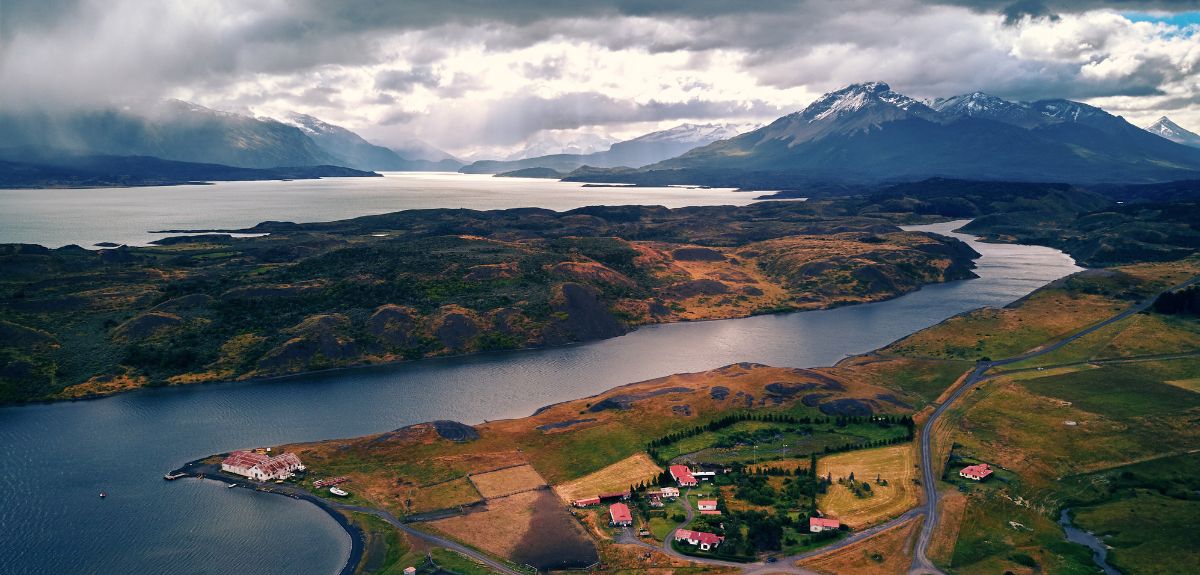


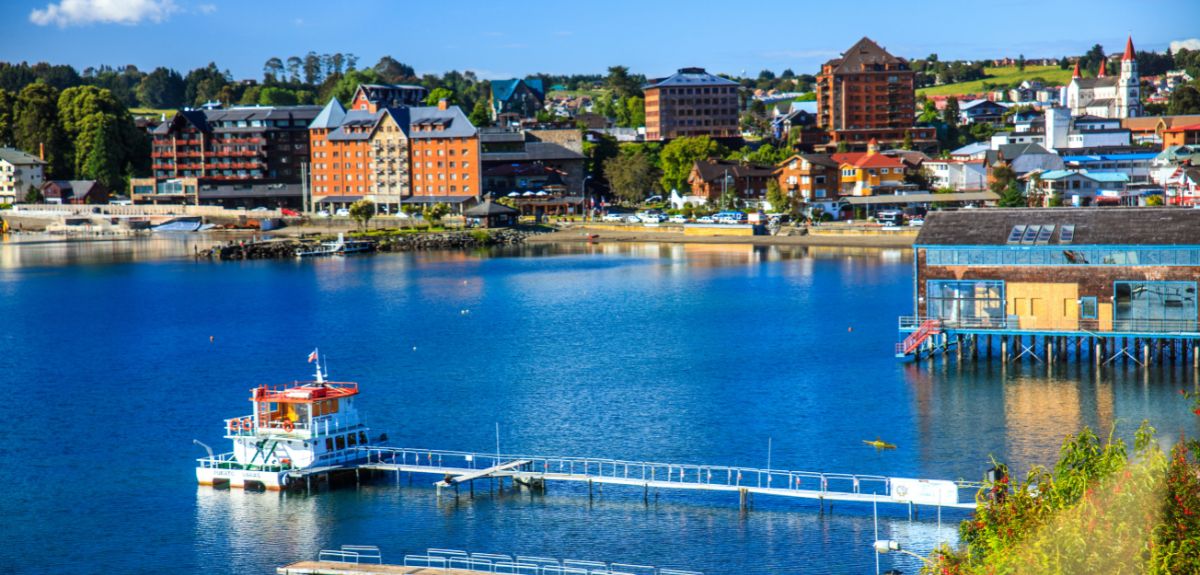
Gazing across the crystalline expanse of Lake Llanquihue, one cannot help but feel under the spell of Puerto Varas, Chile’s “City of Roses.” Here, the air is perfumed with the scent of blooming gardens and the mist of ancient forests, while the perfectly symmetrical, snow-capped peak of the Osorno Volcano stands guard like a silent, majestic sentinel over the horizon.
Why Visit Puerto Varas?
Puerto Varas is a sophisticated blend of traditional German heritage and rugged Patagonian wilderness, offering a glamorous escape for those who seek both adventure and refined comfort. Here is why this lakeside gem deserves a place in your travel story:
- Osorno Volcano: Often compared to Mount Fuji, this iconic peak offers breathtaking panoramic views and a dramatic backdrop for every sunset stroll.
- Llanquihue Lake: Chile’s second-largest lake provides a serene setting for kayaking through deep blue waters or simply enjoying the reflection of the Andes.
- Petrohué Waterfalls: Experience the raw power of nature as turquoise rapids crash over black volcanic rock in a spectacular display of emerald and foam.
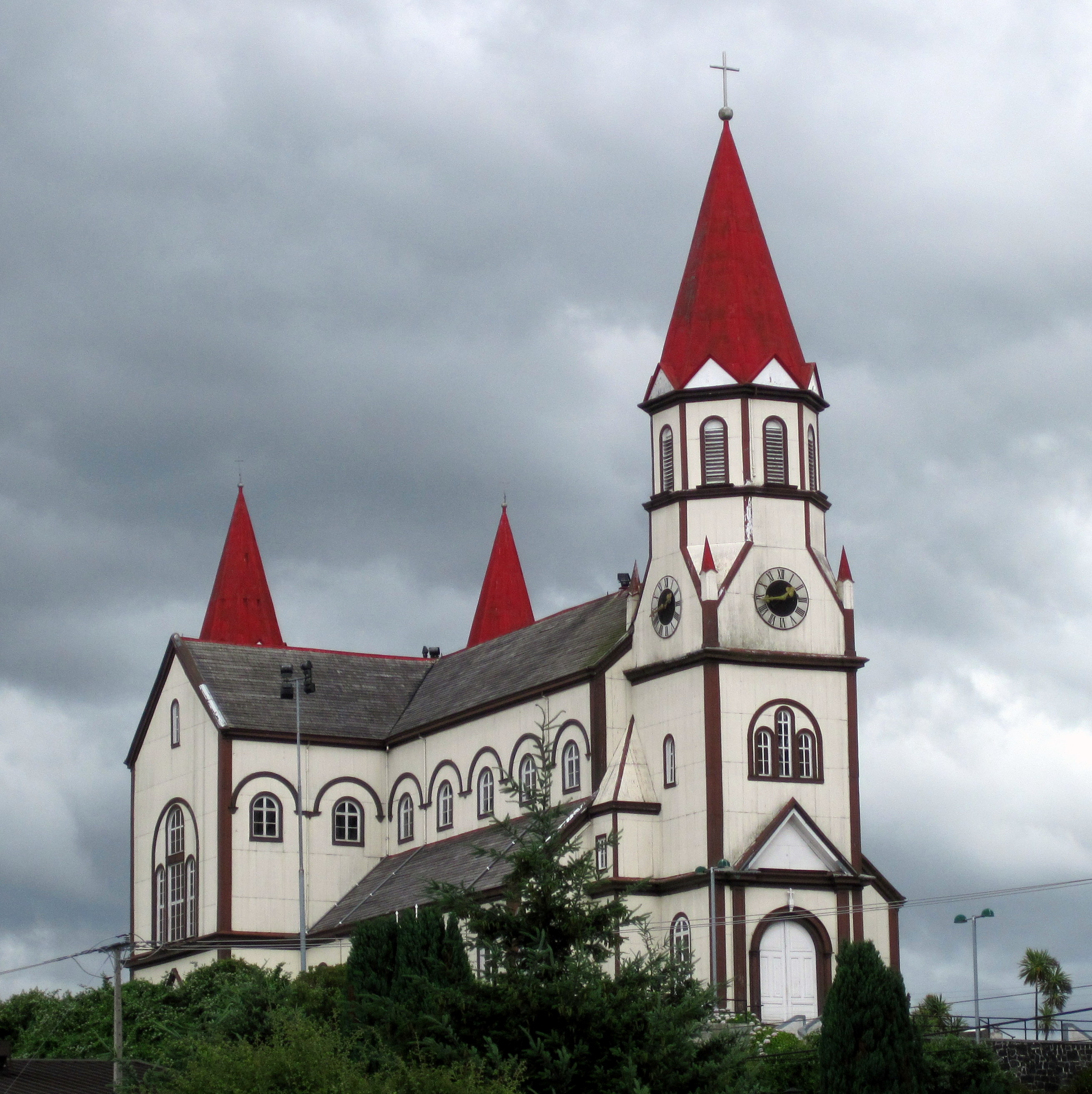
- Sacred Heart of Jesus Church: This striking red-and-white wooden landmark, inspired by the churches of Baden-Württemberg, is a testament to the city’s unique colonial soul.
- German Gastronomy: Indulge in the local tradition of “once,” where delicate kuchens and artisanal pastries offer a sweet taste of the region’s European roots.
Whether you are chasing the thrill of the wild or the quiet elegance of a lakeside retreat, Puerto Varas promises an enchanting journey that stays with you long after the mountain mist fades.
PUERTO VARAS KEY INFO
Everything you need to hit the ground running.
WHEN TO VISIT
December to February for warm weather and outdoor activities; September to November for spring blooms and fewer crowds.
HOW TO GET THERE
Fly into El Tepual International Airport (PMC). It’s a bus or taxi to the city center (~30 min).
HOW TO GET AROUND
Walk! The city center is compact and best explored on foot. For nearby lake towns or volcanoes, use the frequent and affordable “minibuses” or the Uber app.
IDEAL TRIP LENGTH
2-3 days for the city itself, but 5 days if you want to include day trips to Chiloé Island or Vicente Pérez Rosales National Park.
What is Puerto Varas Mainly Known For?
Puerto Varas is famous for the Osorno Volcano, a perfectly conical, snow-capped peak mirrored in Lake Llanquihue. It’s also known for the Sacred Heart of Jesus Church, a Neo-Romanesque wooden landmark reflecting German heritage. Beyond the sights, it’s known as the City of Roses, where blooming gardens and a European alpine vibe define its lakeside charm.
Is Puerto Varas a Walkable City?
100% yes. Puerto Varas is incredibly compact and easy to explore on foot, especially along the scenic lakeshore. I loved soaking in the charming German architecture and tranquil lakeside vibes without any traffic noise.
Is it safe to walk in Puerto Varas at night? Absolutely. It is one of the safest cities in Chile. I felt completely at ease, though I always recommend using standard common sense.
What Is the Best Neighborhood to Walk Around?
The Heritage Zone is the winner, a historic center nestled between the lakefront and the Sacred Heart of Jesus Church. Its hilly streets are a tapestry of century-old German wooden mansions and rose-filled gardens. For something completely different, walk over to the waterfront boardwalk, a vibrant stretch filled with eclectic sculptures, craft stalls, and a bohemian energy that captures the city’s lakeside charm.
What Are the Best Things to Do in Puerto Varas? (For Your First Visit)
I visited Puerto Varas without a strict day-by-day plan. I wanted to take my time, enjoy the charming German architecture and lakeside serenity, and see where the streets took me. I wrote down a few highlights and hit the ground running. Here are the spots I definitely recommend checking out:
Llanquihue Lake
Chile’s second-largest lake offers chilled-out vibes and mirrors of Osorno Volcano. Kayak deep blue waters or explore German-style Frutillar. Price: Free entry. Pro tip: Grab a lakeside “kuchen” and watch the sunset from Puerto Varas’s waterfront. Check availability and explore popular experiences.

Petrohué Waterfalls
Turquoise rapids crash over black volcanic lava with Osorno Volcano as a backdrop. Don’t miss the mist on the boardwalks. Price: ~$8 USD. Pro tip: Go early to dodge the tour buses and catch the best light. Check availability and explore popular experiences.
Osorno Volcano
Chile’s “Mount Fuji” offers iconic snow-capped peaks and epic views. Hike the volcanic slopes or take the chairlift for panoramic vistas. Price: ~€20 for lifts. Pro tip: Visit on a clear day for the perfect lake reflection. Check availability and explore popular experiences.

Vicente Pérez Rosales National Park
Chile’s oldest park is a wild wonderland of emerald lakes and snowy peaks. Highlights: Osorno Volcano and Petrohué Waterfalls. Price: ~$8 USD. Pro tip: Take the boat across Lake Todos los Santos for the best volcano views. Check availability and explore popular experiences.

Credit: Wikimedia Commons
Todos los Santos Lake
Emerald waters meet snow-capped volcanoes in this Andean dream. Sail to Villa Peulla or kayak past ancient forests. Price: ~$60 for lake cruises. Pro tip: Take the “Andean Crossing” for the ultimate boat-to-bus adventure into Argentina. Check availability and explore popular experiences.

Calbuco Volcano
Conquer this rugged, active icon for epic views of the southern fjords and ancient Alerce forests. Highlights: The 2015 crater and high-altitude lagoons. Price: ~$7 USD entry. Pro tip: Hire a guide for the technical summit scramble. Check availability and explore popular experiences.

Sacred Heart of Jesus Church
Puerto Varas’s iconic wooden landmark blends Neo-Romanesque charm with German soul. Marvel at its red-and-white towers and intricate larch-shingle roof. Price: Free. Pro tip: Visit at sunset for a golden glow that makes the wood pop against the volcano. Check availability and explore popular experiences.
Pablo Fierro Museum
A whimsical lakeside “wonder-chamber” filled with antiques and art. Explore cuckoo clocks, vintage cars, and quirky sculptures. Price: Free. Pro tip: Don’t just look—you’re encouraged to touch and interact with the eclectic exhibits! Check availability and explore popular experiences.

Credit: Wikimedia Commons
Philippi Park
Hike through lush native forests to reach this hilltop sanctuary. Highlights: The Monumental Cross and panoramic volcano views from the summit. Price: Free. Pro tip: Visit at night to see the illuminated cross glowing over the city. Check availability and explore popular experiences.
Plaza de Armas
Puerto Varas’s heart blends German heritage with lakeside chill. Admire the rose-filled gardens and iconic gazebo. Price: Free. Pro tip: Visit during Kuchen Day to sample world-class German cakes in the open air. Check availability and explore popular experiences.

Must-Do Activities in Puerto Varas
To really get the most out of your trip, I recommend checking out these experiences:
What Part of Puerto Varas is Best for Tourists?
Stay in the town center. Everything will be within a 15-minute walk. If you want something a bit more local but still close, the northern side near Cerro Philippi is lovely—it offers a quiet, green setting with easy access to nature trails and panoramic volcano views.
What to Know Before Going to Puerto Varas
- The Tap Water is Gold: Tap water is safe to drink throughout Chile, though bottled water is often preferred for its flavor.
- Learn Basic Spanish: English proficiency is limited among locals; knowing basic Spanish phrases is highly recommended for daily interactions.
- No Official City Card: There is no specific tourist pass; instead, individual tours and the “Andean Crossing” are popular ways to explore.
- Sundays are for Nature: Most shops and supermarkets remain open on Sundays, making it a great day for both shopping and sightseeing.
- Tipping is Standard: A 10% “propina” is typically suggested on restaurant bills; rounding up taxi fares is also common practice.
How Many Days Do I Need in Puerto Varas?
3 days is the ideal duration for first-time visitors to balance stunning volcanic landscapes, outdoor adventures, and the city’s unique German heritage.
- Day 1: Osorno Volcano, Petrohué Waterfalls, Vicente Pérez Rosales National Park, Todos los Santos Lake, Llanquihue Lake.
- Day 2: Sacred Heart of Jesus Church, Pablo Fierro Museum, Philippi Park, Plaza de Armas, Kuschel House.
- Day 3: Take a scenic day trip to the charming German-influenced towns of Frutillar and Puerto Octay.
Suggested daily budget – 175-210 EUR / 185-220 USD (Note: This covers mid-range 4-star hotels, dining at local restaurants, and using public minibuses or small group tours. You can go cheaper if you stay in hostels, eat at local set-lunch “menus del dia”, and explore the town by walking).
MONEY SAVING TIPS
- Master the Menú Ejecutivo: Look for a “Menú del Día” or “Menú Ejecutivo” at places like La Chalota or Pettra for a multi-course meal including a starter, main, and dessert for around $10,600 to $15,500 CLP.
- Tip-Based Trekking: Join a “Free Walking Tour Puerto Varas” to see the city’s German heritage and scenic views; tours typically meet daily at the Plaza de Armas or the Spirit of Mozart statue and operate on a pay-what-you-wish basis.
- Ride Like a Local: Skip expensive transfers and use the “Micro-bus” or “Colectivo” (shared taxi) departing from Del Salvador to reach nearby sights like Puerto Montt for around $800 to $1,600 CLP.
- Sunset at the Waterfront: Grab a local craft beer from a supermarket and head to the Puerto Varas Pier (Piedraplen) or the summit of Philippi Park for a scenic lakeside picnic with a view of the Osorno Volcano instead of paying for a pricey bar.
What’s the Best Month to Visit Puerto Varas?
September and October are the sweet spots for visiting Puerto Varas. During these months, you will enjoy mild spring temperatures and blooming landscapes while avoiding the peak summer crowds and higher prices. However, October is a magical alternative, as the city celebrates its German roots with a lively and traditional Oktoberfest festival.
How to Get to Puerto Varas
Most international travelers fly into El Tepual International Airport (PMC). While there are no direct flights from the US or Europe, travelers typically connect via Santiago, which handles major international arrivals.
- From the airport: The city center is a 30-minute journey. A shuttle bus costs approximately $6 USD, while a private taxi or transfer typically costs between $15 and $25 USD.
- By Train: Local rail services connect Puerto Varas to Puerto Montt and Llanquihue, with further connections available to northern cities like Victoria.
How to Get Around Puerto Varas
Rent a car—it is the absolute best way to explore the surrounding volcanoes and lakes.
- Car Rental: Highly recommended for flexibility; use DiscoverCars to compare rates for regional day trips.
- Walking: Excellent for the compact town center, lakeside promenade, and local shops.
- Uber/Bolt: Uber is available and reliable for short trips around town or to nearby Puerto Montt.
- Tours: A great alternative for non-drivers to visit Petrohué Waterfalls and Osorno Volcano without a private vehicle.
Tips for first-timers: Avoid forgetting rain gear—The Lake District’s weather is unpredictable and it can pour even in summer. Pack a high-quality waterproof jacket and layers to stay dry and comfortable while exploring the volcanoes and waterfalls!
Puerto Varas is the kind of place that steals your heart. It is a breathtaking fusion of mist-shrouded volcanoes, crystalline glacial waters, and a charming German heritage that whispers through every rose-lined street. This lakeside sanctuary balances the raw power of the Andes with a tranquil, old-world grace. It leaves you with a renewed sense of wonder.
Note: This article contains affiliate links. If you purchase something I’ve recommended, I’ll earn a small commission at no extra cost to you. I really appreciate your support and I hope this guide helps you ♡