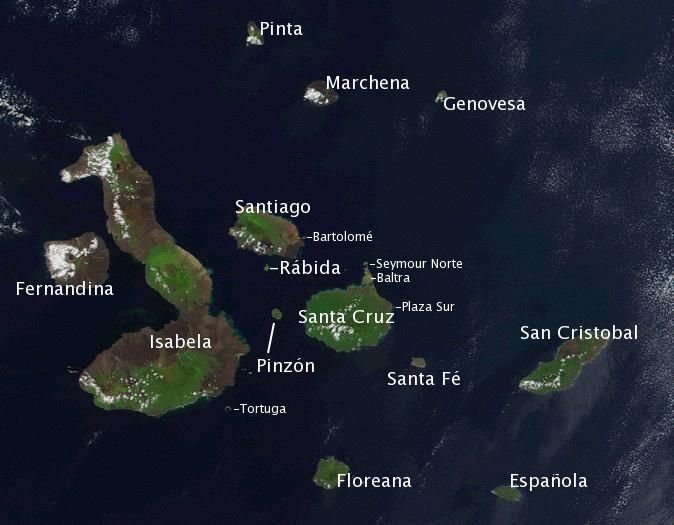


Imagine a world where time stands still and nature reigns supreme, a scattered emerald necklace draped across the equator where the Pacific whispers secrets of evolution. The Galápagos Islands are not merely a destination; they are a prehistoric dreamscape where volcanic peaks rise from cerulean depths to host a gala of life found nowhere else on Earth.
Why Visit Galápagos Islands?
Beyond the rare wildlife and pristine landscapes, these islands offer a profound connection to the natural world that feels both exclusive and deeply moving.
- Tortuga Bay: Wander across sands as white as crushed pearls to find a secluded sanctuary where marine iguanas sunbathe and azure waters invite you to swim with graceful reef sharks.
- Kicker Rock: Marvel at this majestic volcanic monolith that slices through the ocean, offering a glamorous underwater theater for divers to witness hammerhead sharks and soaring rays.
- Charles Darwin Research Station: Step into the heart of conservation history and meet the legendary giant tortoises that have become the timeless ambassadors of these enchanted isles.
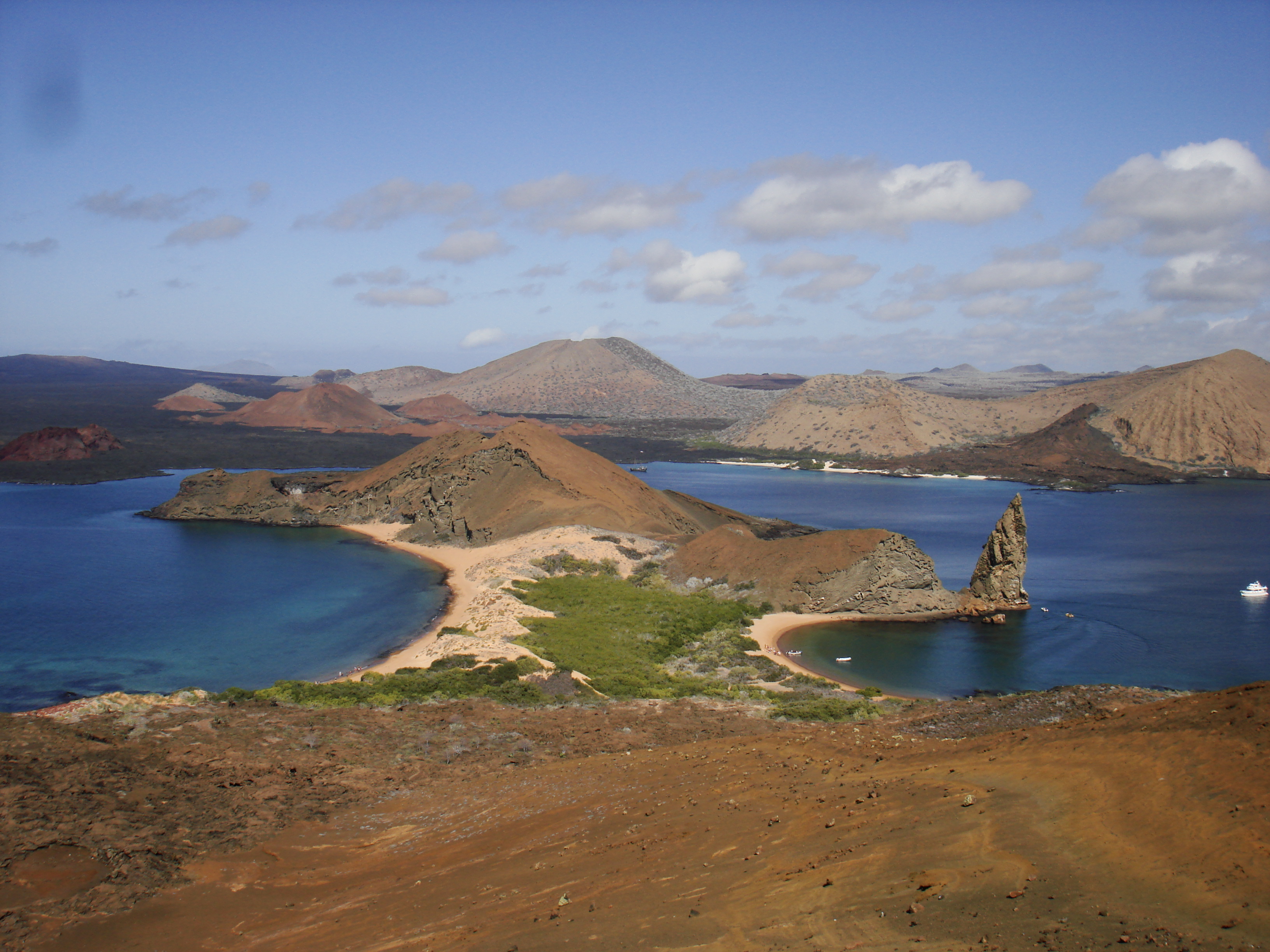
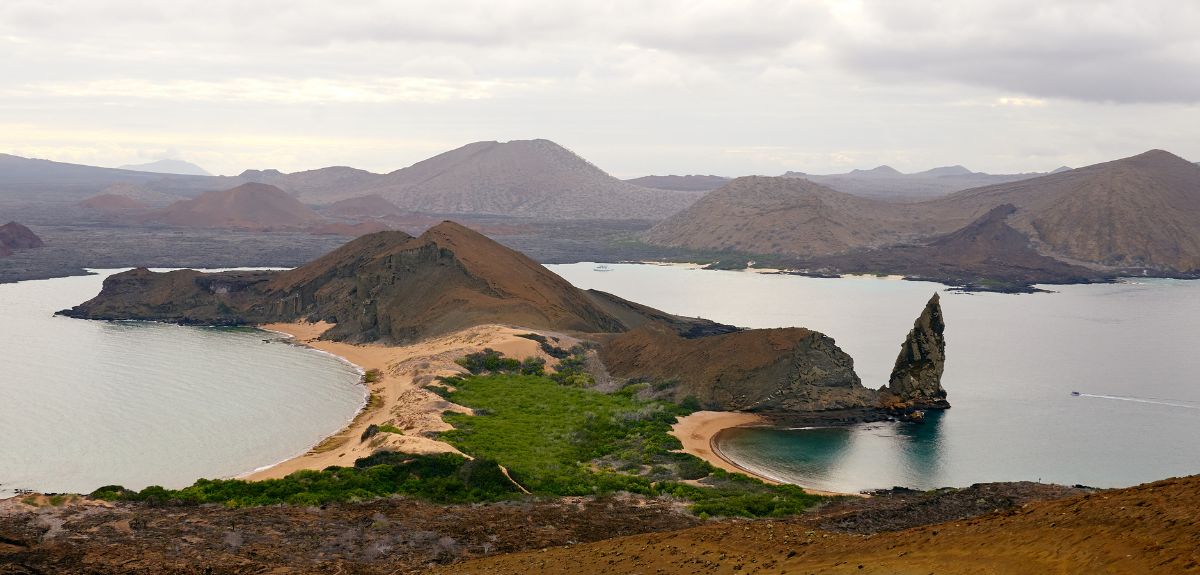
- Pinnacle Rock: Capture the most iconic view in the archipelago, where a dramatic spire of lava stands guard over golden beaches and playful Galápagos penguins.
- Sierra Negra Volcano: Embark on a journey to the rim of one of the world’s largest calderas, a lunar landscape that offers a breathtaking contrast to the lush marine life below.
Whether you are seeking the ultimate adventure or a serene escape into the wild, the Galápagos Islands promise a transformative journey that will remain etched in your soul forever.
GALÁPAGOS ISLANDS KEY INFO
Everything you need to hit the ground running.
WHEN TO VISIT
December to June for warm water and snorkeling; July to November for active marine life and hiking.
HOW TO GET THERE
Fly into Seymour Airport (GPS). It’s a shuttle, ferry, and taxi to the city center (~60 min).
HOW TO GET AROUND
Boat! It is the most extensive way to island-hop and reach remote sites. Book an 8-day cruise or use a public speedboat for efficient travel between inhabited islands.
IDEAL TRIP LENGTH
5-7 days for the main islands, but 10-15 days if you want to visit every island or include an in-depth diving itinerary.
What is Galápagos Islands Mainly Known For?
Galápagos Islands is famous for its giant tortoises, iconic creatures that inspired Charles Darwin’s theory of evolution. It’s also known for the Charles Darwin Research Station, a legendary conservation hub dedicated to preserving unique wildlife. Beyond the sights, it’s known as a Living Laboratory of Evolution, where prehistoric nature remains remarkably untouched by time.
Is Galápagos Islands a Walkable City?
Mostly, but only within the port towns. Places like Puerto Ayora are compact and very walkable, allowing you to enjoy the laid-back island vibe without traffic noise.
Is it safe to walk in Galápagos Islands at night? Absolutely. It is one of the safest destinations in Latin America with extremely low crime. I always feel completely at ease, though it’s wise to maintain standard traveler’s common sense.
What Is the Best Neighborhood to Walk Around?
Puerto Baquerizo Moreno is the winner, a historic capital nestled between rolling volcanic hills and the Pacific shore. Its waterfront Malecon glows with sunset hues, featuring winding paths where sea lions lounge amid colonial-style architecture. For something completely different, walk over to the Interpretation Center district, a bohemian edge where nature trails meet educational hubs and rugged lava-rock landscapes.
What Are the Best Things to Do in Galápagos Islands? (For Your First Visit)
I visited the Galápagos Islands without a strict day-by-day plan. I wanted to take my time, enjoy the prehistoric volcanic energy and untouched wildlife, and see where the streets took me. I wrote down a few highlights and hit the ground running. Here are the spots I definitely recommend checking out:
Tortuga Bay
Experience pure Galapagos magic at this white-sand sanctuary. Chill with marine iguanas and snorkel with reef sharks in turquoise waters. Price: Free. Pro tip: Walk the scenic cactus trail early to beat the equatorial heat. Check availability and explore popular experiences.
Charles Darwin Research Station
Get face-to-face with giant tortoises at this legendary conservation hub. Explore breeding centers and the iconic Lonesome George. Price: Free ($10 for guided tortoise route). Pro tip: Visit the exhibition hall for cool evolution insights and local history. Check availability and explore popular experiences.
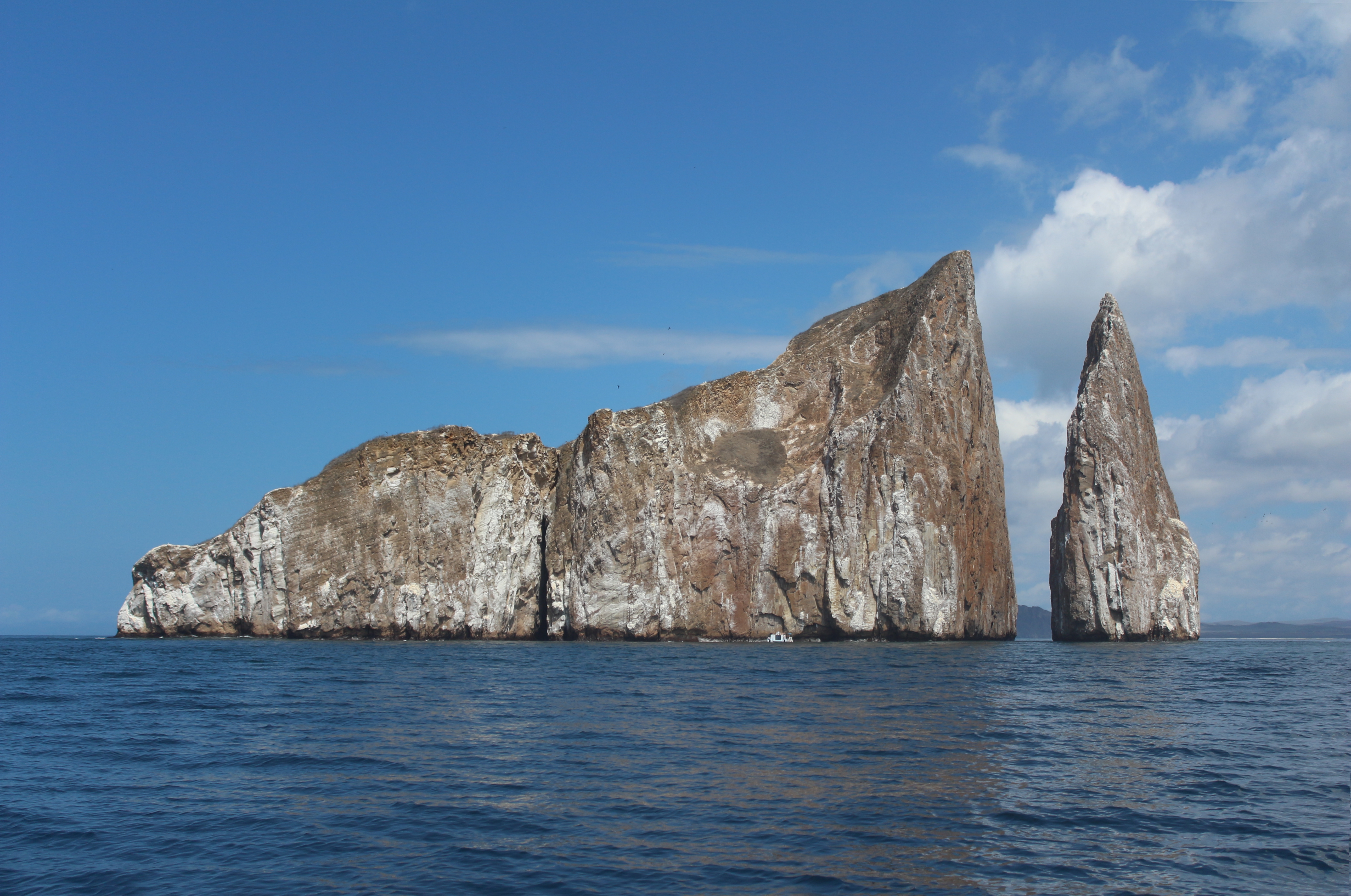
Kicker Rock
Dive between towering volcanic walls at this iconic marine sanctuary. Spot hammerheads, sea turtles, and rays in the deep blue channel. Price: ~$150-$230 (tours). Pro tip: Wear a wetsuit—the currents are chillingly refreshing but legendary for wildlife. Check availability and explore popular experiences.
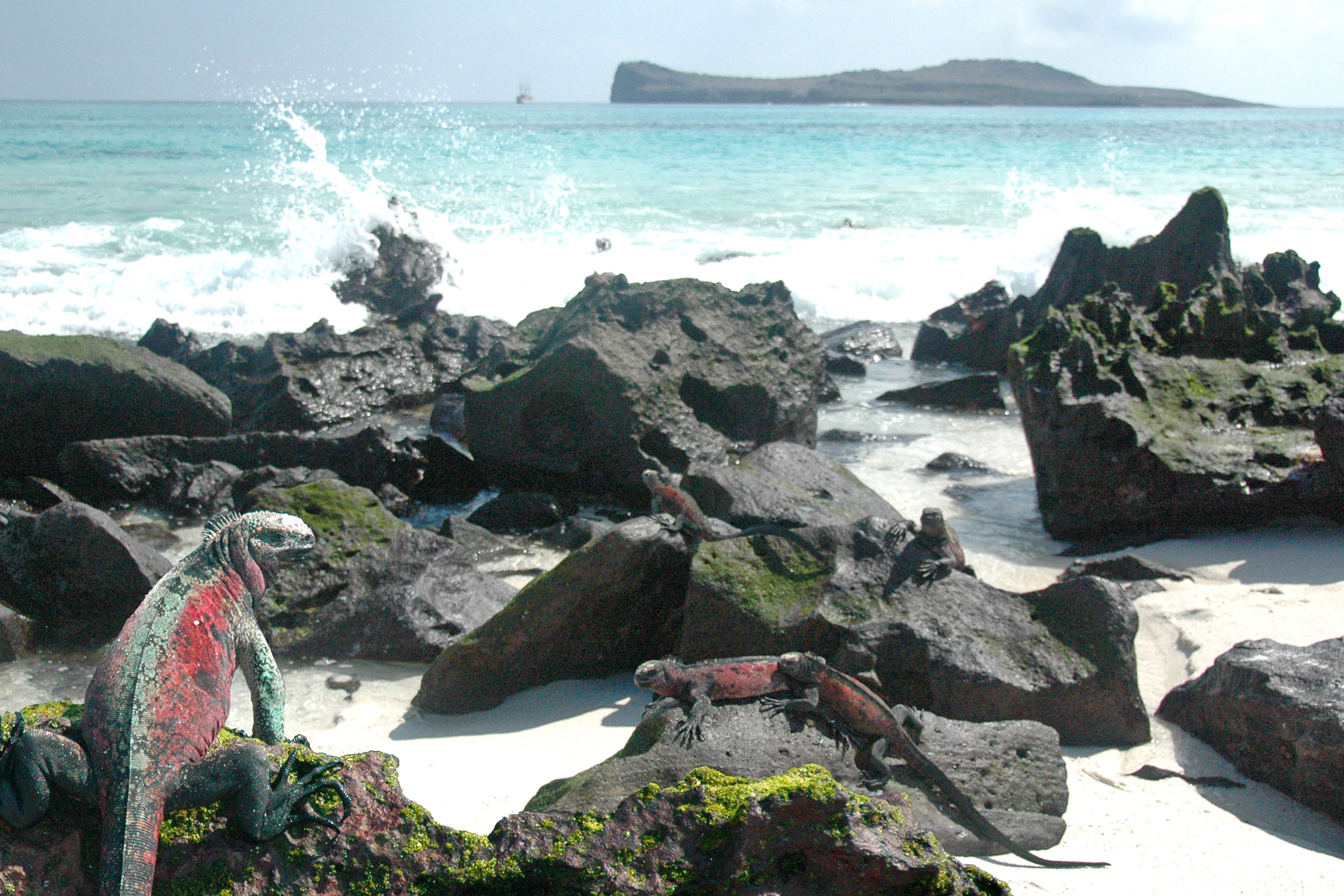
Gardner Bay
Unwind on this pristine white-sand beach, a total sea lion haven. Snorkel turquoise waters and spot curious mockingbirds. Price: Free. Pro tip: Bring plenty of reef-safe sunscreen; there’s zero shade on this slice of paradise. Check availability and explore popular experiences.
Credit: Wikimedia Commons
Pinnacle Rock
The Galapagos’ most iconic spire offers otherworldly volcanic vibes. Hike for 360-degree views or snorkel with penguins and reef sharks. Price: Free (included in park entry). Pro tip: Visit at sunrise for the ultimate uncrowded photo op. Check availability and explore popular experiences.

Los Gemelos
Explore these lush, twin volcanic sinkholes surrounded by a misty cloud forest. Spot vibrant vermillion flycatchers among the endemic Scalesia trees. Price: Free. Pro tip: Visit early for the best birdwatching and a peaceful, crowd-free atmosphere. Check availability and explore popular experiences.

Sierra Negra Volcano
Hike across otherworldly lava fields to the world’s second-largest volcanic crater. This active giant offers lunar landscapes and epic caldera views. Price: ~$40-$65 (guided tour). Pro tip: Wear sturdy boots; the volcanic terrain is sharp and often muddy. Check availability and explore popular experiences.

Credit: Wikimedia Commons
Post Office Bay
Join a 200-year-old tradition at this quirky, historic beach. Swap postcards in the famous wooden barrel or explore nearby lava tunnels. Price: Free. Pro tip: Bring a headlamp for the cave and postcards to leave for future travelers. Check availability and explore popular experiences.
Credit: Wikimedia Commons
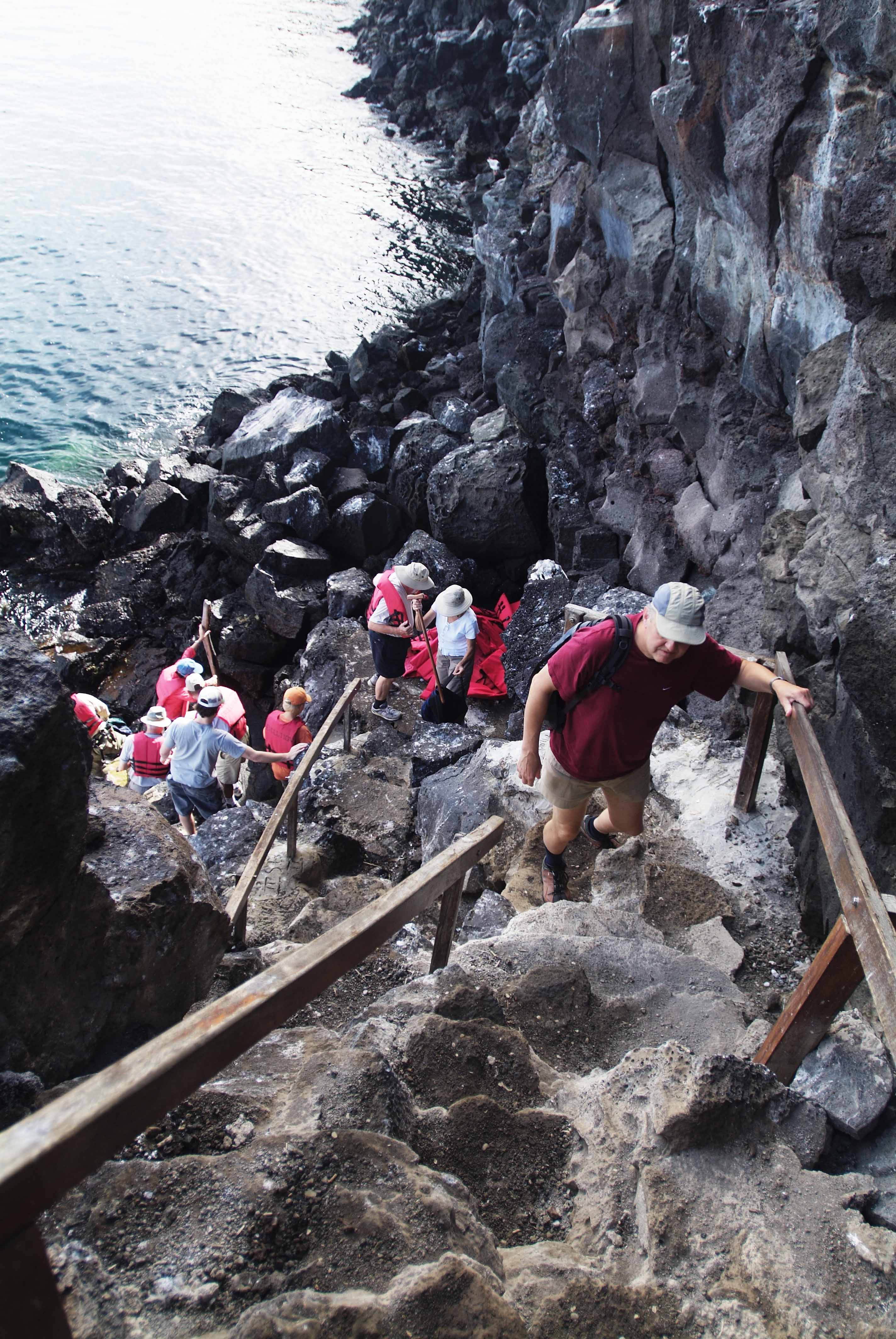
Prince Philip’s Steps
Scale this rocky cliff for a bird’s-eye view of a volcanic wonderland. Spot red-footed boobies and elusive short-eared owls. Price: Free (included in park entry). Pro tip: Watch your step—the staircase can be slippery after a panga landing. Check availability and explore popular experiences.
Credit: Wikimedia Commons
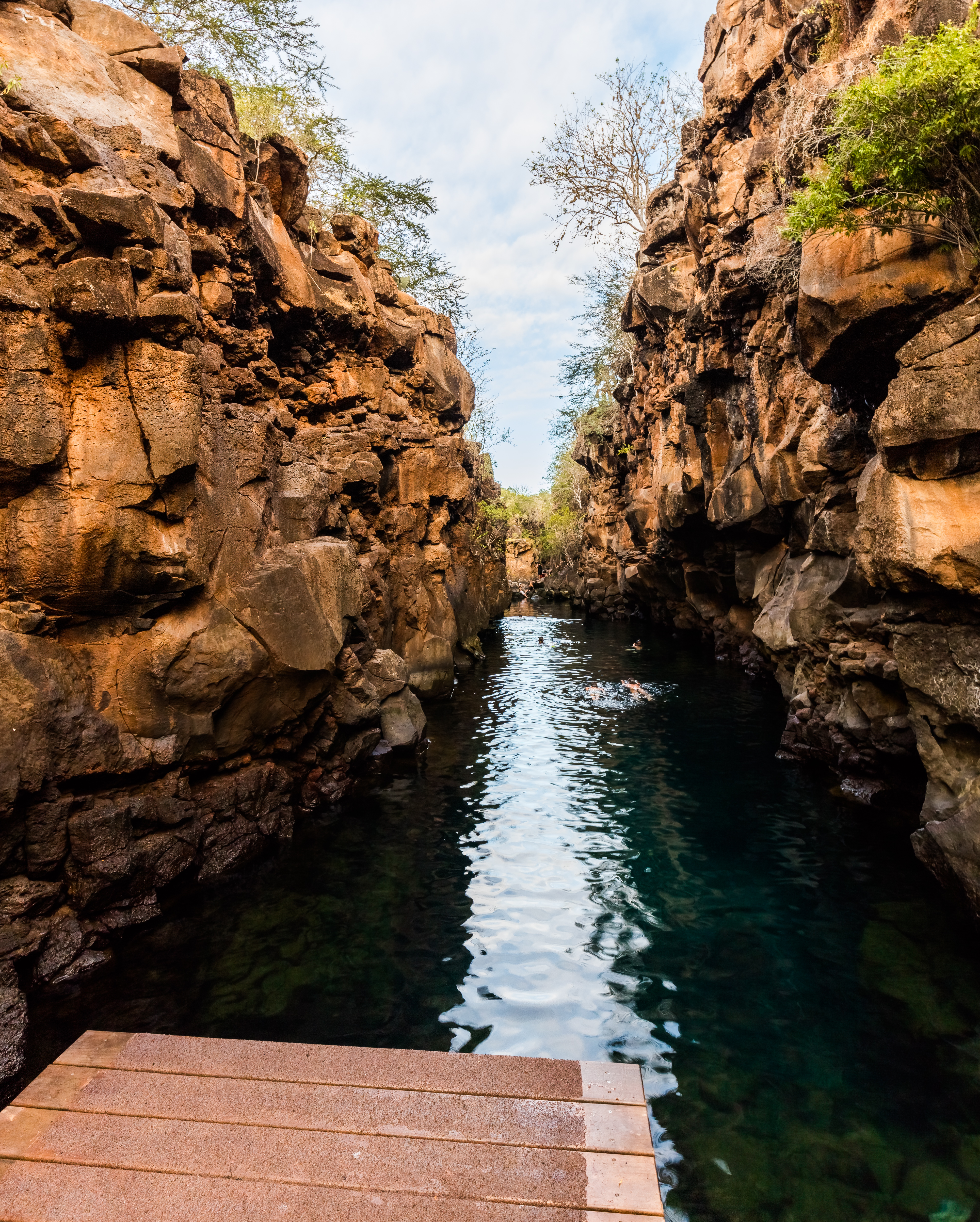
Las Grietas
Dive into this emerald-green crevasse between towering volcanic walls. This stunning natural swimming hole is perfect for snorkeling in crystal-clear brackish water. Price: $10 (includes guide). Pro tip: Visit early to snag a peaceful, crowd-free swim. Check availability and explore popular experiences.
Must-Do Activities in Galápagos Islands
To really get the most out of your trip, I recommend checking out these experiences:
What Part of Galápagos Islands is Best for Tourists?
Stay in the Puerto Ayora city center. Everything will be within a 15-minute walk. If you want something a bit more local but still close, the Santa Cruz highlands is lovely—it offers a peaceful atmosphere with giant tortoises roaming freely in their natural habitat.
What to Know Before Going to Galápagos Islands
- Stick to Bottled: Tap water is not potable; use only bottled or purified water for drinking and brushing teeth.
- Limited English: While guides speak English, many locals in shops or smaller establishments only speak Spanish.
- The Transit Control Card: The mandatory $20 TCT is essential for monitoring visitor flow and is required for entry.
- Open for Tourism: Most tourist shops and restaurants remain open on Sundays to accommodate the steady flow of visitors.
- Tipping is Conventional: It is customary to tip naturalist guides and boat crews separately at the end of your trip.
How Many Days Do I Need in Galápagos Islands?
7 to 10 days is the ideal duration to properly experience the diverse wildlife and volcanic landscapes across the major islands of Santa Cruz, Isabela, and San Cristobal.
- Day 1: Arrival in Santa Cruz: Arrive at Baltra Airport → transfer to Puerto Ayora. Settle in, visit the Charles Darwin Research Station (giant tortoises, land iguanas), and stroll the waterfront. Evening: Relax in town.
- Day 2: Santa Cruz Highlights: Morning: Tortuga Bay (white-sand beach, marine iguanas, snorkeling or kayaking). Afternoon: Los Gemelos (twin sinkholes), Giant Tortoise Reserve (El Chato), and lava tunnels.
- Day 3: Day Trip to Bartolomé Island: (Highly Recommended) Full-day tour: Iconic Pinnacle Rock views, volcanic landscapes, snorkeling with penguins, sea turtles, and sharks. One of the most scenic spots in the archipelago.
- Day 4: Ferry to Isabela + Afternoon Exploration: Morning speedboat to Isabela (~2.5 hrs). Afternoon: Concha de Perla (easy snorkeling with sea lions, penguins, turtles) or beach time in Puerto Villamil.
- Day 5: Isabela Adventure Day Los Túneles: (or Tintoreras) boat tour: Outstanding snorkeling in lava tunnels, rays, turtles, and penguins. Or bike/hike to the Wall of Tears.
- Day 6: Sierra Negra Volcano: Hike the massive crater (one of the largest in the world) and explore lava fields. Afternoon: Relax at Flamingo Lagoon or beach.
- Day 7: Morning on Isabela + Return/Departure: Free morning for snorkeling or town. Ferry back to Santa Cruz (if needed for flights) or depart from Baltra.
Suggested daily budget – 135-225 EUR / 150-250 USD (Note: This covers mid-range hotels, dining at local restaurants with set menus, and a mix of land-based activities and boat day tours. You can go cheaper if you stay in hostels, eat at the kiosks, and stick to free attractions like Tortuga Bay).
MONEY SAVING TIPS
- Feast on Almuerzo del Día: Head away from the harbor to local “huecas” or Charles Binford Street for an Almuerzo del Día, a set lunch including soup, a main, and juice for just $4–$6.
- Explore the Darwin Center: Skip the pricey agencies and visit the Charles Darwin Research Station for free (or $10 for a guided tortoise route) to see the legendary breeding centers and conservation exhibits.
- Master the Water Taxis: Instead of expensive private transfers, use the inter-island public ferries for $30 and keep $1 coins handy for the quick water taxi shuttles between the docks and the boats.
- Sunset at Concha Perla: Grab a $3 beer from a local market and head to Concha Perla on Isabela for a free sunset snorkel or picnic on the wooden boardwalk surrounded by mangroves and sea lions.
What’s the Best Month to Visit Galápagos Islands?
May and June are the sweet spots for visiting the Galápagos Islands. These transition months offer pleasant temperatures and calm seas perfect for snorkeling and hiking while avoiding peak holiday crowds. However, December is a magical alternative, as the islands turn lush and green, and you can witness giant tortoise eggs beginning to hatch.
How to Get to Galápagos Islands
Most international travelers fly into Seymour Airport (GPS) on Baltra Island. There are no direct international flights; travelers must connect through mainland Ecuador hubs like Quito (UIO) or Guayaquil (GYE).
- From the airport: Reach Puerto Ayora via a bus ($5), ferry ($1), and taxi ($25) or public bus ($5). The total transfer takes approximately 90 minutes.
- Inter-island/Regional: Public speedboats connect Santa Cruz to Isabela and San Cristóbal for $30–$40 (2–2.5 hours). Small inter-island flights are available via Emetebe or ESAV Airlines ($140–$180).
How to Get Around Galápagos Islands
Travel by boat and walk – it is the ultimate way to see the islands.
- Car Rental: Not recommended. Private car rentals are prohibited in the Galápagos; use DiscoverCars only for mainland Ecuador trips.
- Walking: Excellent for navigating the compact, pedestrian-friendly town centers like Puerto Ayora.
- Uber/Bolt: Not available. Use local white pickup truck taxis for affordable, fixed-rate transfers.
- Tours: Essential for visiting uninhabited islands or reaching remote volcanic sites like Sierra Negra safely with a naturalist guide.
Tips for first-timers: Avoid arriving with only large bills—Most local shops and taxis cannot change $20, $50, or $100 bills, leading to missed purchases. Carry plenty of $1, $5, and $10 bills for a smoother experience!
Galápagos Islands is the kind of place that steals your heart. It is a breathtaking sanctuary where raw, prehistoric nature meets a profound sense of evolutionary history, defined by its fearless wildlife and otherworldly volcanic landscapes. As you leave these enchanted shores, it leaves you with a renewed sense of wonder and a deep, lasting connection to our planet.
Note: This article contains affiliate links. If you purchase something I’ve recommended, I’ll earn a small commission at no extra cost to you. I really appreciate your support and I hope this guide helps you ♡