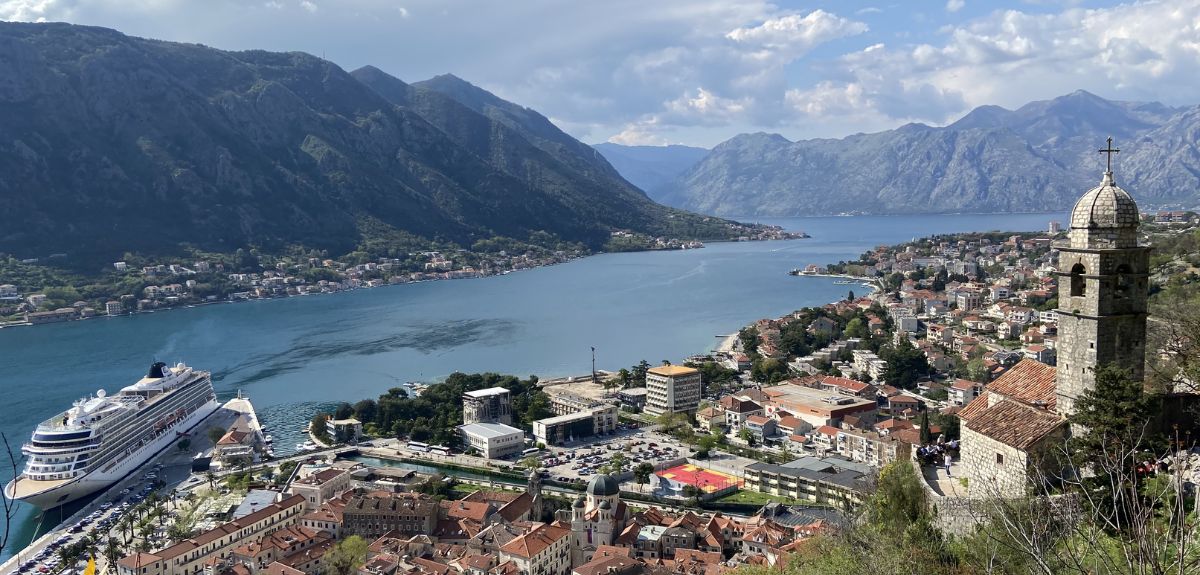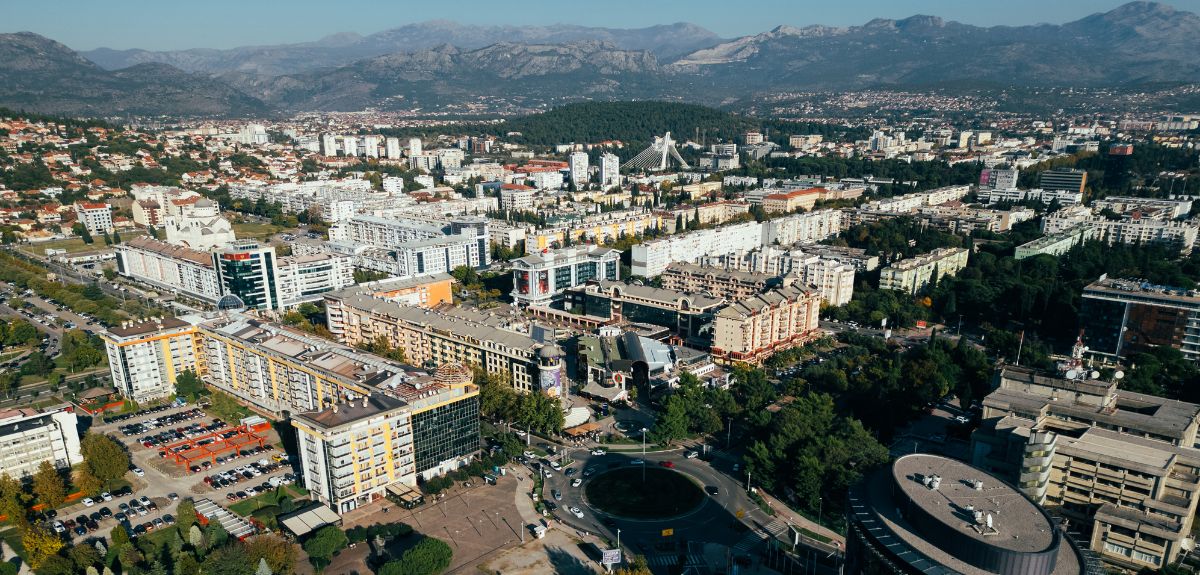


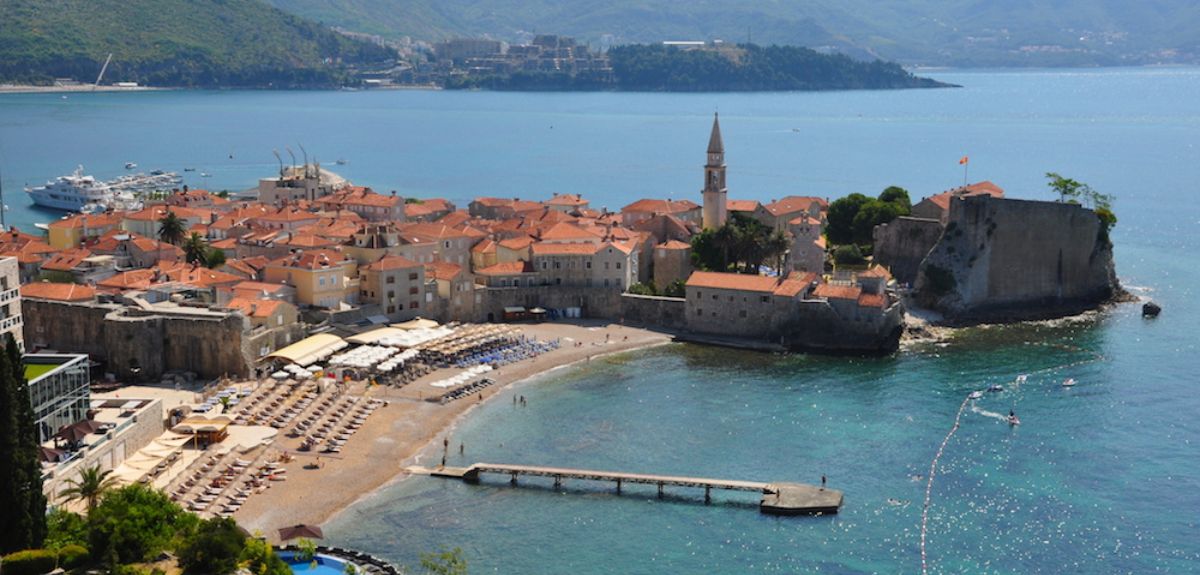
Glistening like a polished pearl along the Adriatic coast, Budva is where the whispers of antiquity meet the high-octane pulse of modern luxury. Here, sun-drenched stone walls cradle centuries of Venetian history, while just beyond the ramparts, turquoise waters invite you into a world of Mediterranean glamour and effortless coastal chic.
Why Visit Budva?
Montenegro is a breathtaking tapestry of dramatic limestone peaks and shimmering blue bays, offering an authentic, soul-stirring escape that rivals the world’s most famous rivieras.
- Budva Old Town is a captivating 2,500-year-old labyrinth of narrow marble lanes and hidden piazzas that feel like a living medieval film set.
- Mogren Beach offers a touch of drama, where a scenic cliffside path leads you to twin golden coves tucked beneath towering coastal rocks.
- The Citadel stands as a majestic silent sentinel, providing the ultimate panoramic vantage point over the red-tiled roofs and the sparkling sea.
- Sveti Nikola Island, known locally as “Hawaii,” is a rugged emerald sanctuary just a short boat ride away, perfect for escaping into wild, crystalline waters.
- Sveti Stefan is the jewel in the crown, an iconic fortified islet where pink-sand beaches and historic stone villas create the most photographed vista in the Balkans.
Whether you are chasing the golden glow of a sunset from the city walls or dancing the night away under the stars, Budva is a destination that promises to enchant your senses and linger in your heart.
BUDVA KEY INFO
Everything you need to hit the ground running.
WHEN TO VISIT
June to September for ideal beach weather and nightlife; May and October for pleasant sightseeing and fewer crowds.
HOW TO GET THERE
Fly into Tivat Airport (TIV). It’s taxi or private transfer to the city center (~30-45 min).
HOW TO GET AROUND
Walk! Budva’s Old Town is a compact, pedestrian-only labyrinth. For nearby beaches or Sveti Stefan, use the affordable Mediteran Express bus or local water taxis.
IDEAL TRIP LENGTH
2-3 days for the city itself, but 4-5 days if you want to include day trips to Kotor or Perast.
What is Budva Mainly Known For?
Budva is famous for the Legend of Cadmus, the mythical Phoenician prince said to have founded the city 2,500 years ago. It’s also known for its medieval Old Town, a fortified stone labyrinth reflecting centuries of Venetian rule. Beyond the myths, it’s known as the Miami of the Balkans for its high-energy nightlife and stunning Adriatic beaches.
Is Budva a Walkable City?
100% yes. Budva is incredibly compact, especially the pedestrian-only Old Town. I loved wandering its narrow stone alleys and scenic coastal paths toward Mogren Beach without any traffic noise.
Is it safe to walk in Budva at night? Absolutely. It is one of Europe’s safest resorts with very low crime rates. I felt completely at ease exploring well-lit areas after dark, though standard common sense is always wise.
What Is the Best Neighborhood to Walk Around?
Budva Old Town is the winner. Situated on a small peninsula jutting into the Adriatic, this stone labyrinth offers a medieval vibe with narrow winding streets, red-roofed Venetian architecture, and ancient citadel walls. For something completely different, walk over to the Budva Promenade, a vibrant seaside stretch famous for its lively marinas, bustling open-air cafes, and energetic, bohemian holiday spirit.
What Are the Best Things to Do in Budva? (For Your First Visit)
I visited Budva without a strict day-by-day plan. I wanted to take my time, enjoy the medieval charm and vibrant Adriatic energy, and see where the streets took me. I wrote down a few highlights and hit the ground running. Here are the spots I definitely recommend checking out:
Budva Old Town
Get lost in a 2,500-year-old stone labyrinth where Venetian history meets Adriatic cool. Explore hidden squares, ancient churches, and the seaside Citadel. Price: Free (Citadel ~€5). Pro tip: Walk the city walls at sunset for epic coastal views. Check availability and explore popular experiences.

Budva Citadel
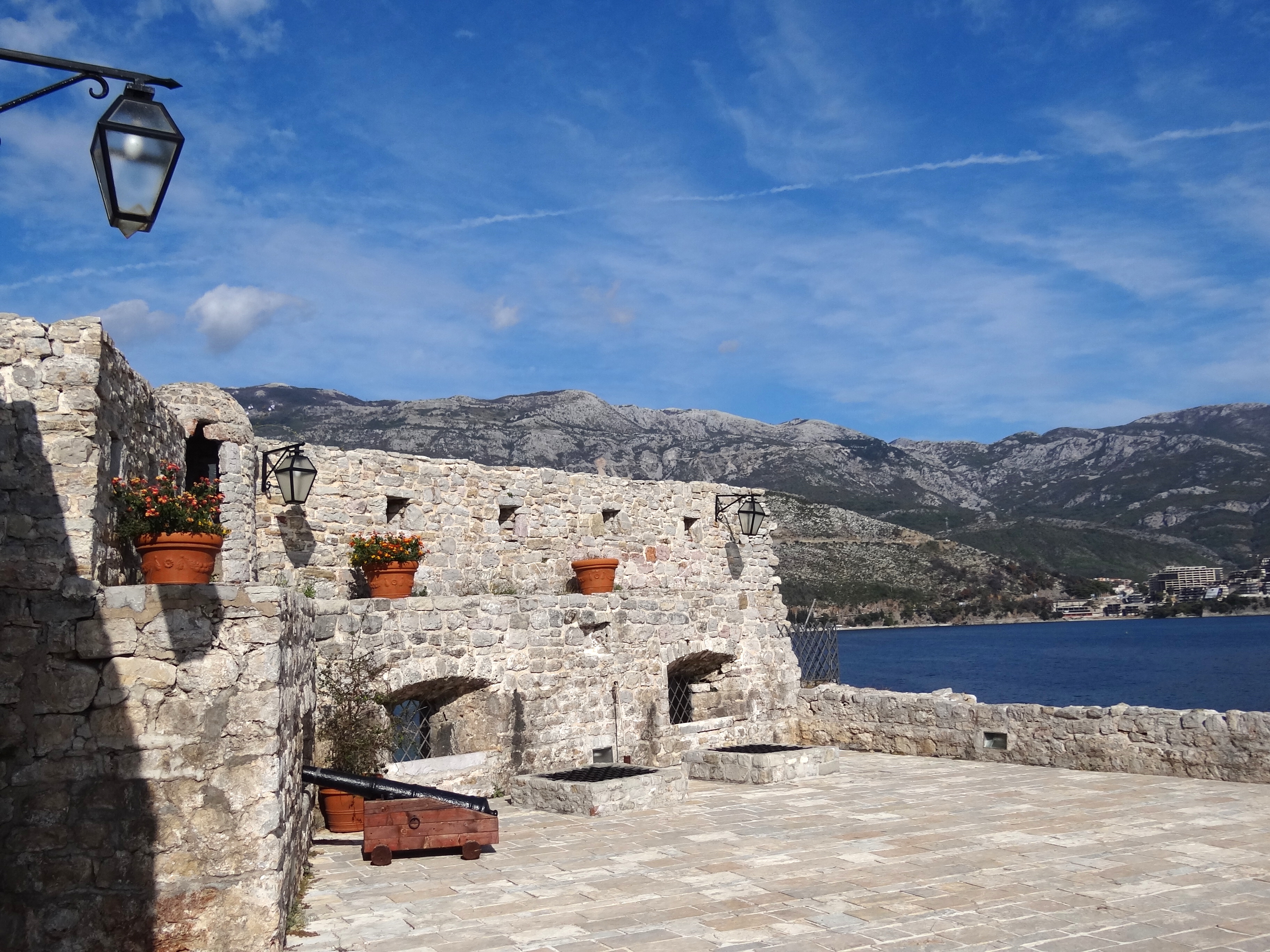
Perched atop the Old Town, this fortress oozes medieval drama. Explore the maritime library and ancient ramparts for the city’s best panoramas. Price: ~€5. Pro tip: Visit at sunset for a golden glow over the Adriatic. Check availability and explore popular experiences.
Mogren Beach
Walk a scenic cliffside path to reach these twin sandy coves tucked beneath dramatic limestone cliffs. Highlights: the rock tunnel and crystal-clear swimming. Price: Free. Pro tip: Arrive by 8:30 AM to beat the mid-afternoon cliff shadows. Check availability and explore popular experiences.

Sveti Nikola Island
Escape to Budva’s “Hawaii,” a limestone ridge with turquoise waters and wild deer. Explore hidden coves and secluded “Hawaii Beach.” Price: ~€5 boat transfer. Pro tip: Take the 9 AM boat to snag the best spot at Halfmoon Beach. Check availability and explore popular experiences.

Ballerina Statue
Budva’s most poetic landmark is a bronze dancer frozen against the Adriatic. Highlights: a poignant local legend and stunning Old Town views. Price: Free. Pro tip: Visit at sunrise for the best light and zero photo-bombers. Check availability and explore popular experiences.

Credit: Wikimedia Commons
Church of the Holy Trinity
This Orthodox gem rocks a striped red-and-white facade and pure Byzantine vibes. Highlights: the gold-leaf iconostasis and vibrant mosaics. Price: Free. Pro tip: Check the courtyard for the tomb of writer Stefan Mitrov Ljubiša. Check availability and explore popular experiences.

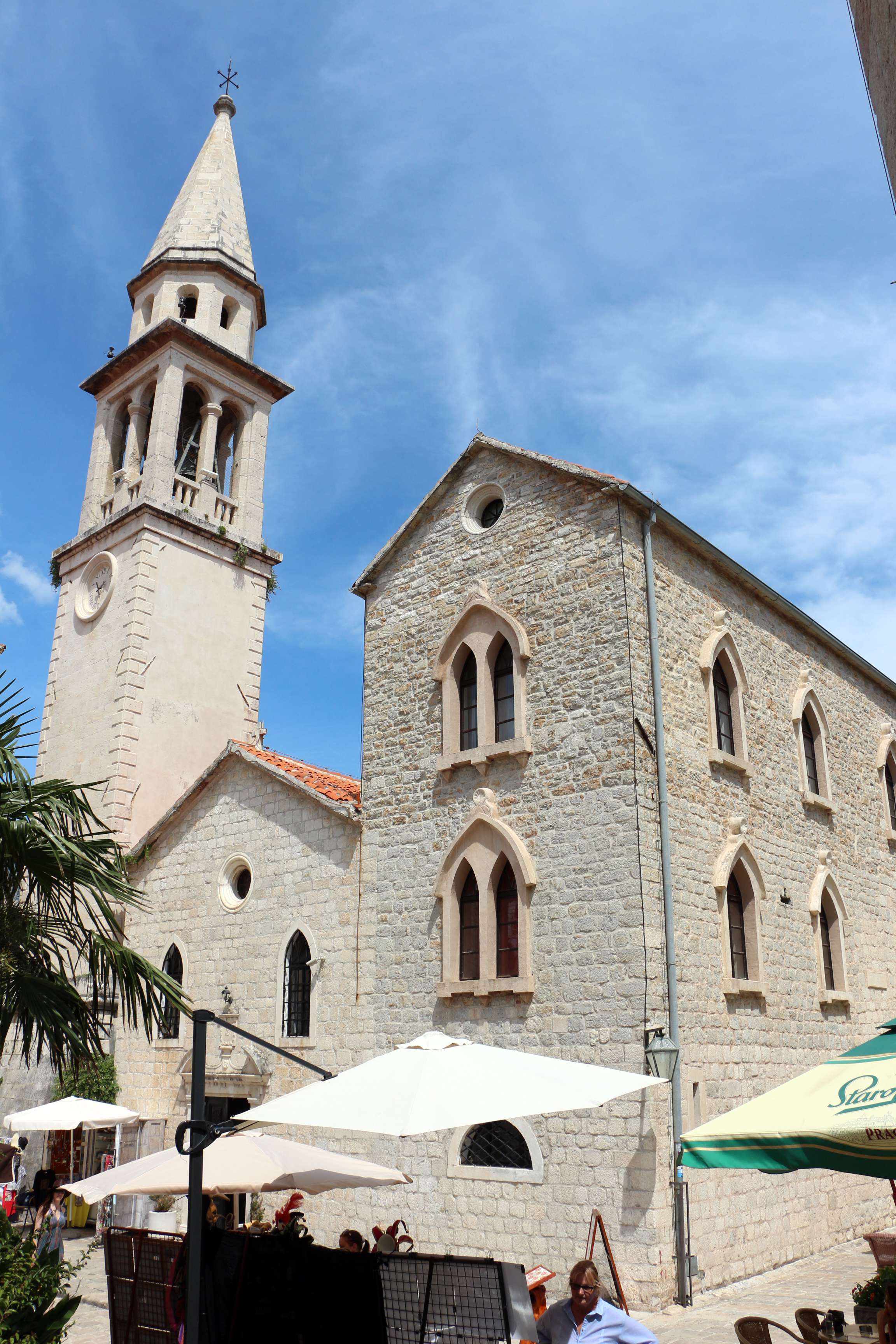
Church of Saint John
Budva’s oldest cathedral oozes Gothic drama and Byzantine soul. Highlights include the landmark 19th-century bell tower and the sacred Madonna in Punta icon. Price: Free. Pro tip: Visit at night when the tower glows against the old town walls. Check availability and explore popular experiences.
Jaz Beach
Dive into Budva’s most iconic, high-energy beach where azure waves meet a vibrant festival soul. Highlights: turquoise swimming and a legendary open-air concert stage. Price: Free. Pro tip: Head to the far southern end for a quieter, “wild” escape. Check availability and explore popular experiences.

Budva City Walls
Walk these ancient Venetian ramparts for major medieval vibes and killer Adriatic panoramas. Highlights include the horseshoe-shaped path and red-roof views. Price: ~€2-3. Pro tip: Visit at sunset for a golden glow without the Dubrovnik crowds. Check availability and explore popular experiences.

Sveti Stefan
This fortified islet is Montenegro’s crown jewel, where medieval stone meets turquoise luxury. Marvel at the iconic causeway and pink-pebble beaches. Price: Free (viewing) or ~€25 (tours). Pro tip: Hike to St. Sava Church for the ultimate postcard view. Check availability and explore popular experiences.

Must-Do Activities in Budva
To really get the most out of your trip, I recommend checking out these experiences:
No products were found!
What Part of Budva is Best for Tourists?
Stay in the Old Town. Everything will be within a 10-minute walk. If you want something a bit more local but still close, the Velji Vinogradi neighborhood is lovely—it offers a serene retreat with picturesque streets, olive trees, and proximity to the popular Slovenska Beach.
What to Know Before Going to Budva
- The Tap Water is Gold: Tap water in Budva is high-quality, ISO-certified, and perfectly safe for travelers to drink.
- English is Common: English is widely spoken in Budva, especially by younger locals and staff in the tourism industry.
- The Budva Card: The Budva Card offers significant discounts on local attractions and dining, making it ideal for active tourists.
- Sunday Closures: Most grocery stores and supermarkets are closed on Sundays, so plan your shopping ahead of time.
- Tipping is Customary: Tipping around 10% is standard practice for good service in restaurants and cafes across Budva.
How Many Days Do I Need in Budva?
3 days is perfect for first-timers to explore the ancient stone labyrinth of the Old Town and enjoy the stunning Adriatic coastline.
- Day 1: Budva Old Town, Budva Citadel, Budva City Walls, Church of the Holy Trinity, Ballerina Statue.
- Day 2: Mogren Beach, Church of Saint John, maritime library at the Citadel, Jaz Beach.
- Day 3: Take a boat transfer to Sveti Nikola Island for turquoise waters or visit the fortified islet of Sveti Stefan.
Suggested daily budget – 70-100 EUR / 75-108 USD (Note: This covers a mid-range hotel or apartment, restaurant meals, and a mix of local transport and paid boat tours or attractions. You can go cheaper if you eat at local bakeries, choose street food like pljeskavica, and explore the compact Old Town on foot.)
MONEY SAVING TIPS
- Bakery Bites and Fixed Menus: Skip the tourist traps and fill up at local pekars (bakeries) for a meat or cheese burek costing around €2. For a sit-down meal, look for a “Gotova Jela” (ready meals) menu at places like Kužina or Parma, where you can get a hearty local lunch for about €6–€10.
- Free Old Town Walk: Join a Free Walking Tour of the Old Town to see the major historical sites for just a tip. Many tours meet near the main gate of the Stari Grad; checking with local hostels like Freedom Hostel is the best way to find the daily schedule.
- Coastal Walking Paths: Save on transit by walking the scenic coastal routes to neighboring Bečići or Pržno instead of taking the local Mediteran Express bus, which usually costs about €1.50–€2.00 per ride.
- Sunset at the Fortress: Avoid the high prices of seaside bars by grabbing a local Nikšićko beer from a Voli or Idea supermarket for under €1.50 and heading up the trail to the Mogren Fortress ruins for incredible, free sunset views over the Adriatic.
What’s the Best Month to Visit Budva?
May and September are the sweet spots for visiting Budva. These months offer pleasant temperatures and warm sea waters perfect for exploring the Old Town and beaches while avoiding the intense summer heat and overwhelming crowds. However, February is a unique alternative, offering a festive atmosphere during the traditional Mimosa Festival with its colorful parades and local celebrations.
How to Get to Budva
Most international travelers fly into Tivat Airport (TIV) or Podgorica Airport (TGD). Key hubs include London, Istanbul, and Vienna; US travelers typically connect via these European cities.
- From the airport: A taxi from Tivat takes 30 minutes (~25 EUR), while from Podgorica it takes 1 hour (~40-50 EUR). Buses are also available from city stations.
- By Train: Budva has no train station. The nearest stop is Sutomore, connected via the scenic Belgrade-Bar line, followed by a short bus or taxi ride.
How to Get Around Budva
Explore on foot—Budva’s historic Old Town and main beaches are built for walking.
- Car Rental: Not recommended for city exploration due to limited parking, but use DiscoverCars if planning day trips along the coast.
- Walking: Ideal. The compact Old Town is pedestrian-only and most top attractions are within a short stroll.
- Uber/Bolt: Uber is unavailable. Use local taxi apps or the efficient public bus system for longer distances.
- Tours: Great for reaching remote beaches or historic sites like Sveti Stefan without a car.
Tips for first-timers: Avoid driving in the historic center—Traffic is gridlocked and parking is nearly impossible to find. Park in the outskirts and explore the compact Old Town and beaches on foot instead!
Budva is the kind of place that steals your heart. Its essence lies in the seamless blend of ancient stone walls, shimmering turquoise waters, and a soulful, high-energy pulse that feels both timeless and electric. Walking through its sun-drenched history while the Adriatic whispers against the shore leaves you with a renewed sense of wonder.
Note: This article contains affiliate links. If you purchase something I’ve recommended, I’ll earn a small commission at no extra cost to you. I really appreciate your support and I hope this guide helps you ♡