

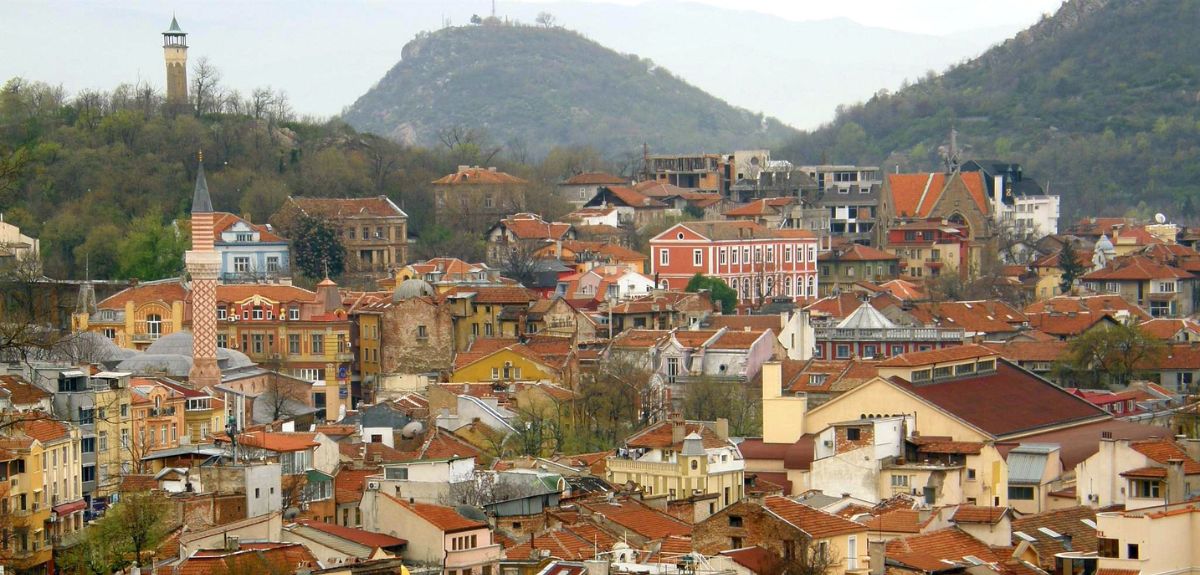
Plovdiv, Bulgaria’s “City of the Seven Hills,” beckons with a rare blend of ancient grandeur and effortless creative cool. Imagine wandering cobblestone lanes lined with colorful Bulgarian Revival mansions, where a 2,000-year-old Roman theatre still hosts concerts under the stars and a once-forgotten artisan quarter now hums with galleries, cafés, and street art. It is a destination where 8,000 years of layered history meet a laid-back, cosmopolitan energy, offering an escape that is as culturally rich as it is effortlessly charming.
Why Visit Plovdiv?
Beyond its postcard-perfect Old Town lies one of Europe’s oldest continuously inhabited cities, where every hill and alley reveals a new layer of the past.
- The Ancient Theatre of Philippopolis: One of the best-preserved Roman theatres in the world, still hosting live concerts and plays nearly 2,000 years after it was built.
- Old Town: A hillside open-air museum of cobblestone lanes, Roman ruins, and grand 19th-century merchant houses with colorful, ornately carved facades.
- Kapana Creative District: A once-neglected artisan quarter reborn as Plovdiv’s buzzing hub of galleries, indie shops, and nightlife.
- Plovdiv Regional Ethnographic Museum: Housed in a stunning 1847 Baroque merchant’s mansion, showcasing Bulgarian folk costumes, crafts, and traditions.
- Bachkovo Monastery: Bulgaria’s second-largest monastery, a striking day trip into the Rhodope Mountains founded in 1083.
Whether you are chasing ancient history or simply want to sip coffee in a sun-dappled square, Plovdiv promises an unforgettable journey into the heart of Bulgaria.
PLOVDIV KEY INFO
Everything you need to hit the ground running.
WHEN TO VISIT
May, June, and September for pleasant sightseeing weather and outdoor cafés; December for festive lights and a cozy winter atmosphere.
HOW TO GET THERE
Fly into Sofia Airport (SOF), then take a bus (1.5–2 hours) or train (2–2.5 hours) to Plovdiv. Plovdiv Airport (PDV) has limited seasonal charter routes.
HOW TO GET AROUND
Walk! Plovdiv’s Old Town, Kapana, and pedestrian main street are all within a 15–20 minute walk of each other on flat or gently sloping paths. Wear flat, grippy shoes for the cobblestones.
IDEAL TRIP LENGTH
2-3 days for the city itself, but 4-5 days if you want to include a day trip to Bachkovo Monastery and the Rhodope Mountains.
What is Plovdiv Mainly Known For?
Plovdiv is famous for the Ancient Theatre of Philippopolis, a remarkably intact 1st-century Roman theatre that still hosts concerts today. It’s also known for its hillside Old Town of National Revival mansions, and for the Kapana Creative District, the pedestrian quarter that helped earn Plovdiv the title of European Capital of Culture in 2019.
Is Plovdiv a Walkable City?
Mostly, but expect some hills. Plovdiv’s Old Town spreads across three of the city’s famous hills, so cobblestone slopes and stairs are part of the experience, while the main pedestrian boulevard and Kapana are flat and easy going.
Is it safe to walk in Plovdiv at night? Yes, it is generally very safe. The pedestrian streets, Old Town, and Kapana stay lively into the evening, though standard common sense like sticking to well-lit areas is always wise.
What Is the Best Neighborhood to Walk Around?
The Old Town is the winner, spreading across three hills around the Roman Theatre and lined with cobblestone lanes and colorful Bulgarian Revival mansions with wooden balconies. For something completely different, head to Kapana (meaning “The Trap”), a pedestrian-only creative quarter packed with art galleries, craft-beer bars, and boutique shops.
What Are the Best Things to Do in Plovdiv? (For Your First Visit)
I visited Plovdiv without a strict day-by-day plan. I wanted to take my time, get lost in the Old Town’s winding streets, and see where the hills took me. I wrote down a few highlights and hit the ground running. Here are the spots I definitely recommend checking out:
Ancient Theatre of Philippopolis
Plovdiv’s most iconic landmark, this 1st-century Roman theatre once sat up to 7,000 spectators and still hosts concerts and plays each summer. Price: around 5 BGN (~€2.50) for stand and stage access. Pro tip: Check the summer concert calendar — watching a show inside a working Roman theatre is unforgettable. Check availability and explore popular experiences.

Old Town
Plovdiv’s hillside outdoor museum, where cobblestone lanes wind past grand 19th-century merchant mansions with ornately carved, colorful facades. Free to wander. Pro tip: Start at Hisar Kapia Gate and let the cobblestones lead you downhill toward the Roman Theatre. Check availability and explore popular experiences.

Plovdiv Regional Ethnographic Museum
Step inside the 1847 Kuyumdzhioglu House, a striking Baroque merchant’s mansion, to see over 40,000 exhibits of Bulgarian folk costumes, crafts, and musical instruments. Price: around 8 BGN (~€4). Pro tip: The building’s asymmetric wooden facade is as photogenic as anything inside. Check availability and explore popular experiences.
.%20(24299076665).jpg)
Kapana Creative District
Once a run-down artisan quarter, now Plovdiv’s pedestrian-only hub of street art, indie galleries, coffee shops, and craft-beer bars. Free to explore. Pro tip: Visit by day for the murals and boutiques, then come back after dark for the bar scene. Check availability and explore popular experiences.

Nebet Tepe
Climb Plovdiv’s oldest hill, settled since 4000 BC, for the remains of ancient citadel walls and the best panoramic sunset views over the Old Town and the Maritsa River. Free. Pro tip: Go in the late afternoon when the light falls across the plain below. Check availability and explore popular experiences.
.jpg)
Bachkovo Monastery
A striking half-day trip into the Rhodope Mountains, this 1083 monastery is Bulgaria’s second-largest after Rila and holds centuries-old frescoes and icons. Entry is generally free, small donation appreciated. Pro tip: Combine it with a stop at the nearby Asen’s Fortress on the way back. Check availability and explore popular experiences.
.jpg)
Must-Do Activities in Plovdiv
To really get the most out of your trip, I recommend checking out these experiences:
No products were found!
What Part of Plovdiv is Best for Tourists?
Stay near the Old Town or the main pedestrian street (Knyaz Alexander I). Everything will be within a 15-20 minute walk. If you want a livelier, more local vibe while still being central, the Kapana district is lovely — pedestrian-only, packed with cafés and bars, and a short stroll from the Old Town.
What to Know Before Going to Plovdiv
- Currency: Bulgaria uses the Bulgarian Lev (BGN); euros are not widely accepted for everyday purchases, so carry lev for cash payments.
- Language: English is common in tourist areas and among younger locals, though learning basic Bulgarian is appreciated.
- Cobblestones: The Old Town’s hills are steep and uneven in places — flat, rubber-soled shoes make a real difference, especially after rain.
- Sunday Closures: Most shops, supermarkets, and larger stores remain open on Sundays with regular or slightly reduced hours.
- Tipping: A tip of 10% is standard for good service in restaurants, bars, and taxis.
How Many Days Do I Need in Plovdiv?
2-3 days is perfect for first-timers to blend ancient history with the city’s creative, laid-back pace.
- Day 1: Old Town, Ancient Theatre of Philippopolis, Ethnographic Museum, Nebet Tepe, Roman Stadium.
- Day 2: Kapana Creative District, Dzhumaya Square, Tsar Simeon’s Garden, main pedestrian street.
- Day 3: Day trip to Bachkovo Monastery and Asen’s Fortress in the Rhodope Mountains.
Suggested daily budget – 55-90 EUR / 60-100 USD (Note: This covers private rooms or mid-range hotels, dining at casual restaurants, and some paid museums or local transport. You can go cheaper if you stick to street food like banitsa and enjoy free activities in the Old Town and Kapana.)
MONEY SAVING TIPS
- Score a Lunch Deal: Look for an Обедно меню (Obedno menyu) at local mehanas to get a multi-course meal for 10-20 BGN, or grab cheap street food like a traditional banitsa from a bakery for under 3 BGN.
- Join the Free Walking Tour: Meet near the Old Town or Dzhumaya Square for a Free Walking Tour led by local guides who share the city’s history for just the cost of an optional tip.
- Skip the Taxis: The Old Town, Kapana, and pedestrian main street are all within easy walking distance of each other, so a car or taxi is rarely needed in the center.
- Free Views for Sunset: Skip paid rooftop bars and climb Nebet Tepe instead — it costs nothing and offers the best sunset views in the city.
What’s the Best Month to Visit Plovdiv?
May, June, and September are the sweet spots for visiting Plovdiv. These months offer pleasant weather for outdoor cafés and events while avoiding the peak summer heat. However, December is an excellent alternative for its unique atmosphere, with festive holiday lights and a cozy winter charm around the Old Town.
How to Get to Plovdiv
Most international travelers fly into Sofia Airport (SOF), roughly 145 km northwest of Plovdiv. Plovdiv Airport (PDV) exists but handles only limited seasonal and charter routes, mostly to the UK.
- From Sofia Airport: A direct coach runs a few times a week and takes about 2 hours. Otherwise, take the metro/bus into central Sofia and continue by bus or train to Plovdiv.
- By Bus: Intercity buses from Sofia Central Bus Station take 1.5-2 hours and cost around 12-14 BGN.
- By Train: Regular direct trains from Sofia Central Station take 2-2.5 hours and cost around 8-12 BGN.
- By Car: Driving on the A1 Trakia motorway takes about 1.5 hours (150 km); an e-vignette is required.
How to Get Around Plovdiv
Explore Plovdiv on foot—it is the ultimate way to soak in the city’s layered history and creative energy.
- Car Rental: Not recommended for the center due to walkability and cobblestones, but useful if planning day trips into the Rhodope Mountains.
- Walking: Perfect for the Old Town, Kapana, and the flat main pedestrian boulevard; most key sights are within a 15-20 minute walk of each other.
- Cycling: Mobi bike-share docks are clustered near the pedestrian main street, Kapana, and the riverside Maritsa parks, which have dedicated cycling paths.
- Tours: A great choice for guided Old Town walks or day trips to Bachkovo Monastery and the Rhodope Mountains.
Tips for first-timers: Avoid Euronet ATMs—they charge high fees and are often considered a scam for tourists. Use ATMs located near bank offices or exchange money at a bank for better rates!
Plovdiv is the kind of place that reveals itself slowly, one hill and one cobblestone lane at a time. It is a city defined by 8,000 years of layered history and a creative, unhurried energy that feels both ancient and alive. Walking from a working Roman theatre into a buzzing arts quarter in the space of a few blocks leaves you with a profound and renewed sense of connection.
Note: This article contains affiliate links. If you purchase something I’ve recommended, I’ll earn a small commission at no extra cost to you. I really appreciate your support and I hope this guide helps you ♡