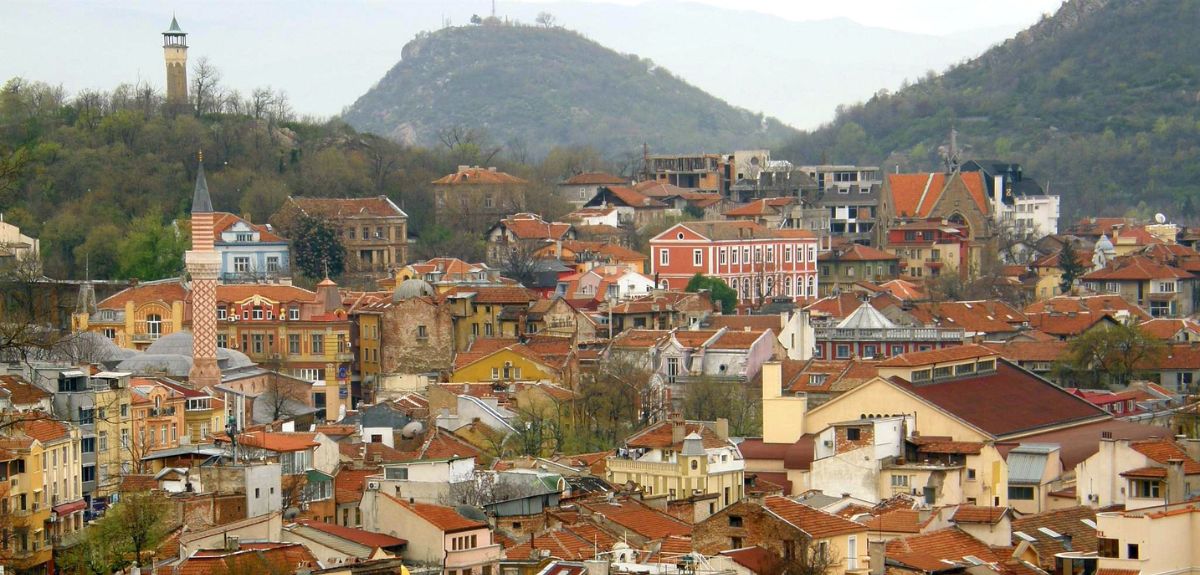


Steeped in a thousand years of history and framed by the majestic Vitosha Mountain, Sofia is a city where golden domes glitter against a backdrop of ancient ruins. It is a place where the air hums with the whispers of Thracian kings and the vibrant energy of a modern European capital, inviting you to lose yourself in its elegant boulevards and hidden, ivy-clad courtyards.
Why Visit Sofia?
Bulgaria’s capital is a treasure trove of cultural wonders and chic urban charm, offering a sophisticated escape that balances timeless tradition with a fashionable, contemporary edge.
- Alexander Nevsky Cathedral: Admire the breathtaking Neo-Byzantine architecture and the opulent gold-plated domes that dominate the city’s skyline.
- Serdica Ancient Complex: Walk through history in this open-air museum where Roman ruins are seamlessly integrated into the modern metro station.
- Vitosha Mountain: Escape to the slopes for a touch of alpine glamour, offering panoramic views and refreshing nature just minutes from the city center.
- Boyana Church: Discover the exquisite medieval frescoes of this UNESCO World Heritage site, hidden within a serene forest setting.
- The National Theatre: Experience the pinnacle of Bulgarian culture at the Ivan Vazov National Theatre, an architectural masterpiece of red brick and gold.
From its mineral springs to its high-end galleries, Sofia is a captivating destination that promises a travel experience as rich and layered as its storied past.
SOFIA KEY INFO
Everything you need to hit the ground running.
WHEN TO VISIT
May to September for pleasant weather and parks; Winter for skiing and smaller crowds.
HOW TO GET THERE
Fly into Sofia Airport (SOF). It’s metro to the city center (~20 min).
HOW TO GET AROUND
Metro! It is the fastest, most efficient way to navigate the city and reach the airport. For easy payments, tap your phone or use a Sofia City Card.
IDEAL TRIP LENGTH
2-3 days for the city itself, but 4-5 days if you want to include day trips to Rila Monastery or the Seven Rila Lakes.
What is Sofia Mainly Known For?
Sofia is famous for its 7,000-year history, where ancient Roman ruins of Serdica are still visible in modern metro stations. It’s also known for Alexander Nevsky Cathedral, a massive gold-domed landmark honoring soldiers from the Russo-Turkish War. Beyond the sights, it’s known as the Triangle of Religious Tolerance for its close-knit mix of sacred buildings.
Is Sofia a Walkable City?
100% yes. Sofia’s city center is incredibly compact and flat, making it a dream for exploring on foot. I love the expansive pedestrian zones like Vitosha Boulevard, where you can soak in the vibrant atmosphere without any traffic noise.
Is it safe to walk in Sofia at night? Yes, it feels very safe. I’ve always felt at ease wandering after dark, though standard common sense remains wise.
What Is the Best Neighborhood to Walk Around?
Central Sofia is the winner. Nestled near the Perlovska River with views of Vitosha Mountain, its winding streets feature yellow-brick roads and Neo-Byzantine domes. The vibe is a mix of imperial elegance and lush parks. For something completely different, walk over to Hadji Dimitar, a district transformed by massive, colorful murals and a raw, urban street art edge.
What Are the Best Things to Do in Sofia? (For Your First Visit)
I visited Sofia without a strict day-by-day plan. I wanted to take my time, enjoy the city’s effortless, laid-back vibe, and see where the streets took me. I wrote down a few highlights and hit the ground running. Here are the spots I definitely recommend checking out:
Alexander Nevsky Cathedral
A gold-domed masterpiece with a majestic, spiritual vibe. Marvel at the Neo-Byzantine arches, glittering mosaics, and massive bells. Price: Free (Crypt museum extra). Pro tip: Visit at sunset for a magical golden glow on the exterior. Check availability and explore popular experiences.

Vitosha Mountain
Sofia’s rugged backyard offers epic alpine escapes. Hike the Zlatnite Mostove stone rivers or conquer Cherni Vrah. Access is free (bus 1.60 BGN). Pro tip: Take the bus on weekdays to dodge the local crowds and find true mountain peace. Check availability and explore popular experiences.

Boyana Church
Step into a medieval time capsule. This UNESCO gem hides mind-blowing 13th-century frescoes in a serene mountain setting. – Highlights: Vibrant, lifelike wall paintings. Price: ~12 BGN. Pro Tip: Book ahead; entry is strictly limited to 10 minutes. Check availability and explore popular experiences.
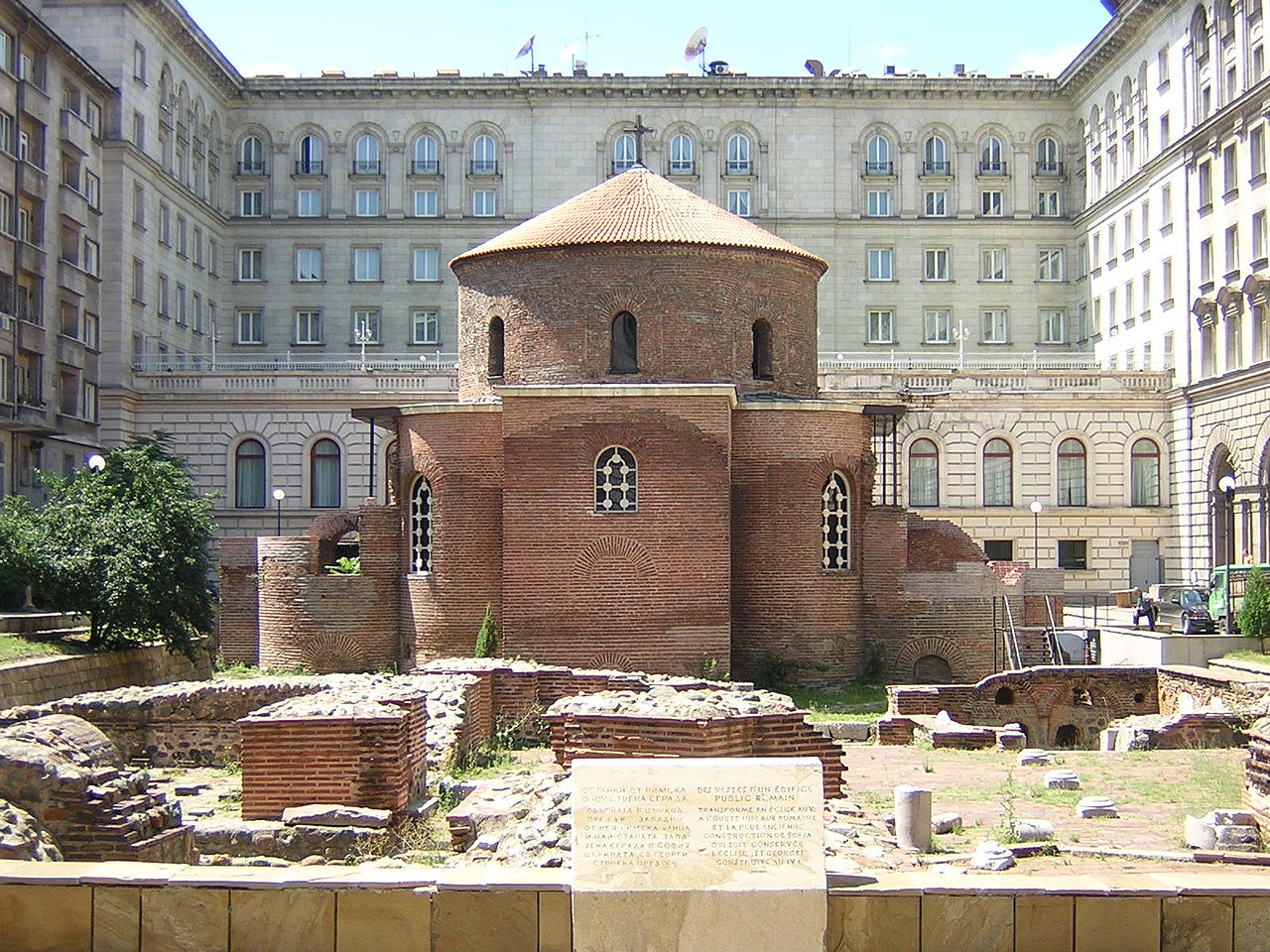
St. George Rotunda
Step back in time at this ancient red-brick rotunda hidden among modern buildings. Marvel at 1,000-year-old frescoes in a serene, spiritual atmosphere. Price: Free. Pro tip: Skip the photos inside—soak in the silent history instead. Check availability and explore popular experiences.
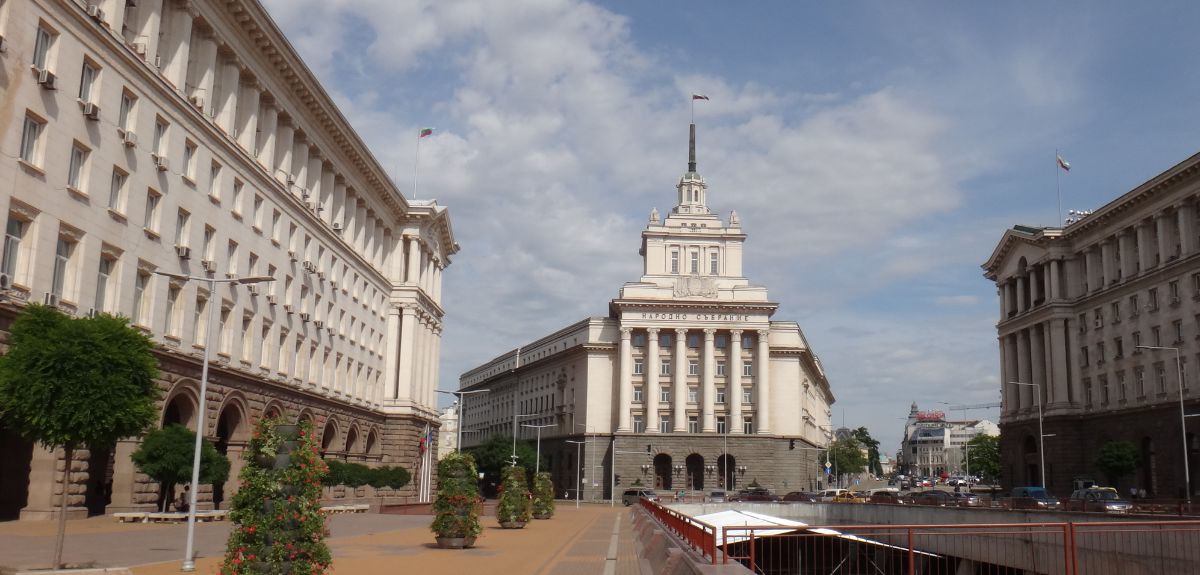
Ivan Vazov National Theatre
Sofia’s neoclassical masterpiece glows with old-world drama. Admire the golden facade and Apollo-topped pediment before a show. Price: 10-50 BGN (Viewing: Free). Pro Tip: Catch a performance with English surtitles for the full local experience. Check availability and explore popular experiences.

Regional History Museum
Dive into Sofia’s soul at this former mineral bath. Marvel at royal carriages and Neolithic homes in a stunning setting. Tickets: ~7 BGN. Pro tip: Explore the ancient ruins in the basement for a subterranean thrill. Check availability and explore popular experiences.

Sofia Synagogue
Step into a Moorish-style dream featuring an octagonal dome and a massive 1.7-ton brass chandelier. This serene landmark exudes history and elegance. Cost: 10 BGN. Pro tip: Bring your passport for the mandatory security check at the entrance. Check availability and explore popular experiences.

National Palace of Culture
A brutalist landmark with a creative pulse. Check out the grand halls and the rooftop views. Entrance to gardens is free; events vary. Pro tip: Visit the hidden underground fountains for the best photos at sunset. Check availability and explore popular experiences.

National Museum of History
Housed in a former communist palace, this museum oozes retro-grandeur. See shimmering Thracian gold and Roman statues for about 10 BGN. Pro tip: Don’t miss the vintage MiG fighters parked outside in the garden. Check availability and explore popular experiences.

Borisova Gradina Park
Sofia’s oldest park offers a lush, cinematic escape from city life. Explore Ariana Lake, the Soviet Mound of Brotherhood, and hidden rose gardens. Price: Free. Pro tip: Visit the Japanese Corner for some serious zen vibes away from the crowds. Check availability and explore popular experiences.
Must-Do Activities in Sofia
To really get the most out of your trip, I recommend checking out these experiences:
No products were found!
What Part of Sofia is Best for Tourists?
Stay in the Sofia Center. Everything will be within a 15-minute walk. If you want something a bit more local but still close, the Lozenets neighborhood is lovely—it is green and relaxed with trendy dining and public parks.
What to Know Before Going to Sofia
- The Tap Water is Gold: Sofia’s tap water is high-quality, soft, and safe to drink daily, originating from the Rila Mountains.
- Language Barriers: English is widely spoken by younger generations and in tourist areas, though basic Bulgarian is appreciated elsewhere.
- The Sofia Pass: The 3-day Sofia Pass offers unlimited transport and museum discounts; it is generally worth it for active sightseers.
- Sundays are Open: Unlike some European cities, most supermarkets, malls, and shops in Sofia remain open on Sundays.
- Tipping Etiquette: Tipping is expected for good service; aim for 10-15% in restaurants and round up taxi fares.
How Many Days Do I Need in Sofia?
3 days is perfect for first-timers to explore the city’s layered history and experience the stunning Bulgarian countryside.
- Day 1: Alexander Nevsky Cathedral, St. George Rotunda, Ancient Serdica Cultural Complex, Vitosha Boulevard, St. Nedelya Cathedral.
- Day 2: Central Sofia Market Hall, Borisova Gradina Park, National Palace of Culture, Regional History Museum.
- Day 3: Full-day guided trip to Rila Monastery and Boyana Church.
Suggested daily budget – 60-80 EUR / 65-85 USD (Note: This covers mid-range hotels or private apartments, a mix of sit-down restaurant meals and cafes, and public transport or occasional taxis. You can go cheaper if you stick to bakery snacks like banitsa and join free walking tours.)
MONEY SAVING TIPS
- Grab a Banitsa or Daily Menu: For a quick, cheap bite, pick up a traditional cheese-filled banitsa for about 1.60-2.00 BGN at street stalls or metro bakeries. For a full lunch, look for a Supa Bar serving hearty bowls for 4.00-5.00 BGN or check local spots for a “Lunch Menu” which usually includes a soup and main at a deep discount.
- Join the Free Sofia Tour: Meet your guide at the Palace of Justice every day for a comprehensive walking tour of the city center’s landmarks. If you are into street art, head to the base of the Statue of Sofia for the Sofia Graffiti Tour to explore the city’s urban culture for just a tip.
- Use the Daily Pass: Instead of buying single tickets for 1.60 BGN, pay with your contactless bank card; after your second trip, you will be capped at 4.00 BGN for a daily pass valid on all buses, trams, and the metro. If staying longer, a 72-hour pass for 15.00 BGN is the ultimate value.
- Picnic at the Sea Garden or Borisova Gradina: Skip the expensive bars and grab some store-bought beers or snacks from a Billa or Lidl supermarket. Head to Borisova Gradina Park or find a spot near the Ivan Vazov National Theatre to lounge and enjoy the local vibe like a true Sofia resident.
What’s the Best Month to Visit Sofia?
May and June are the sweet spots for visiting Sofia. During these months, the weather is beautifully mild, perfect for exploring lush parks and enjoying the vibrant outdoor cafe culture without the intense summer heat. However, December is a magical alternative, offering a festive atmosphere with charming Christmas markets and the chance of a scenic, snow-covered landscape.
How to Get to Sofia
Most international travelers fly into Sofia Airport (SOF). Direct flights are available from major European hubs like London, Vienna, Frankfurt, and Istanbul.
- From the airport: The M4 metro line is the fastest option, reaching the city center in about 18 minutes for 1.60 BGN. Taxis take 15–30 minutes and cost approximately 25–30 BGN.
- By Train: Sofia is the national rail hub, with direct international connections to Bucharest and Istanbul, and domestic routes to Plovdiv, Varna, and Burgas.
How to Get Around Sofia
Stick to the Metro – it is the fastest and most efficient way to navigate.
- Car Rental: Not recommended for city center travel due to traffic and parking zones, though useful for day trips. Use DiscoverCars to compare rates.
- Walking: Highly recommended for the historic center, where most major landmarks are clustered within easy reach.
- Uber/Bolt: Not available. Use local apps like TaxiMe or Yellow Taxi to avoid scams.
- Tours: A great alternative for exploring Vitosha Mountain or nearby Rila Monastery without a car.
Tips for first-timers: Avoid hailing random taxis—unregulated “fake” cabs often charge predatory rates to unsuspecting tourists. Use the Yellow! app or call an official OK Supertrans instead!
Sofia is the kind of place that lingers in your memory. Its essence is a captivating blend of ancient Thracian whispers, glittering golden domes, and a pulse of modern energy that feels both timeless and raw. To wander its ivy-clad streets is to embrace a storied past while feeling a renewed sense of wonder and connection.
Note: This article contains affiliate links. If you purchase something I’ve recommended, I’ll earn a small commission at no extra cost to you. I really appreciate your support and I hope this guide helps you ♡