If you’re dreaming of a trip to Canada, you’re in for something special. I’ve spent a lot of time crisscrossing this massive country—hopping between glass-and-steel skylines, wandering French-speaking old towns, and standing speechless in front of turquoise lakes that look almost unreal. Canada’s got that rare mix of big-city energy and wild, open nature that most places can’t touch. Whether you’re chasing food scenes that span the globe, mountain views that stop you in your tracks, or just that perfect mix of culture and outdoor adventure, these cities deliver. Let me walk you through my top picks for the best cities to visit, with practical tips and a few of my own experiences so you can plan smart and travel better.
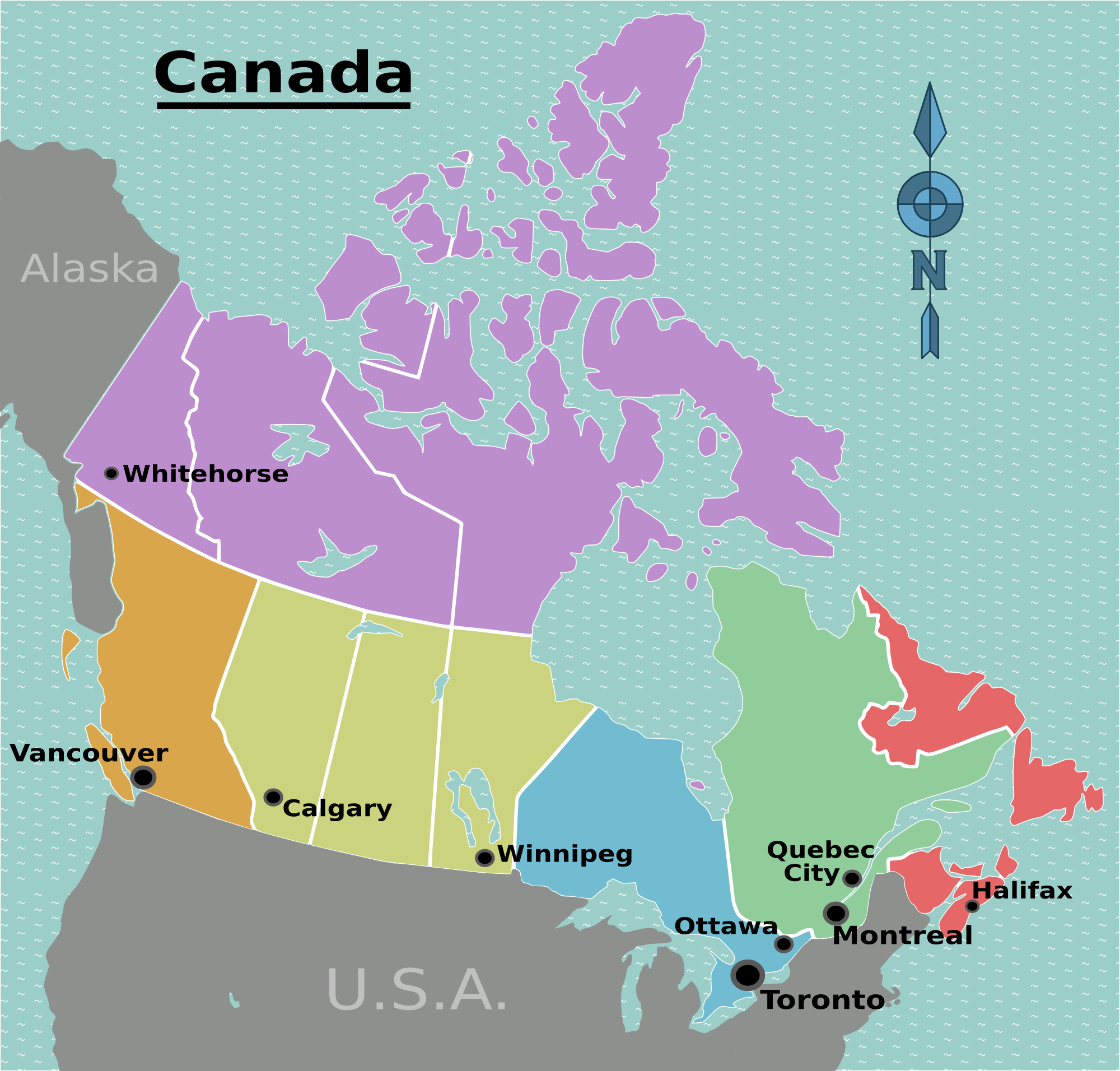
Canada hits different depending on where you land. One day you’re eating dim sum with a mountain backdrop, the next you’re walking cobblestone streets that feel like a slice of Europe, and then suddenly you’re staring up at peaks that make you feel tiny in the best way. I’ve narrowed it down to five must-visit spots that give you a real taste of the country’s range: Toronto, Vancouver, Montreal, Banff, and Quebec City. Each one has its own personality, and I’ll point you toward detailed guides so you can dig deeper. Plus, I’ve got the practical stuff covered—costs, money-saving moves, and what it actually feels like on the ground.
Top Cities to Visit in Canada
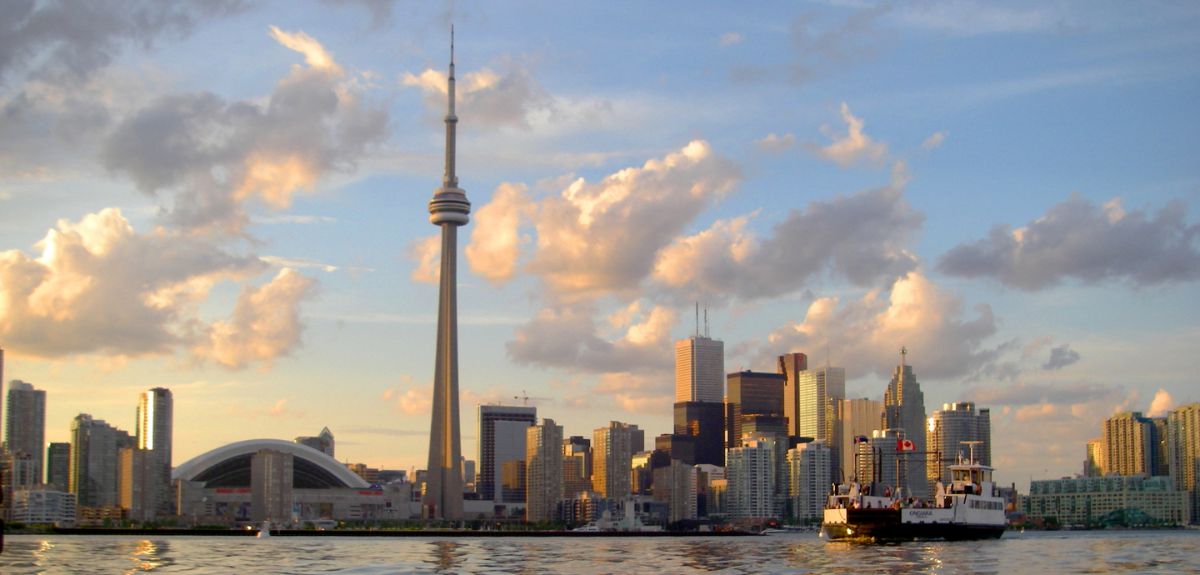
- Toronto: Canada’s biggest, most diverse city—think CN Tower views, vibrant neighborhoods like Kensington Market, and a food scene that feels like a world tour.
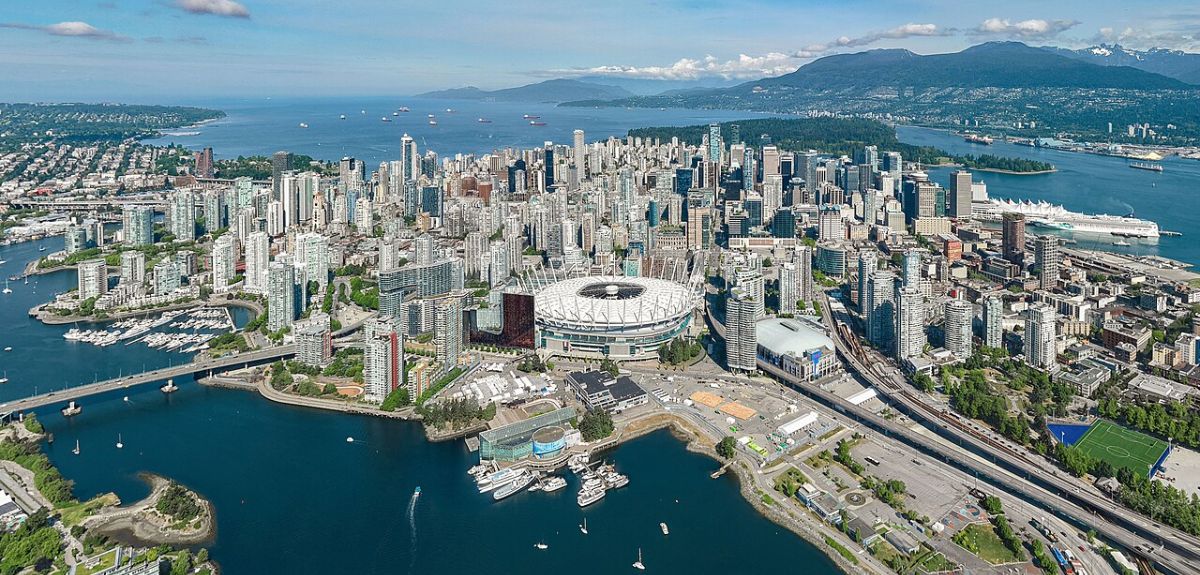
- Vancouver: Where mountains meet the ocean. Stanley Park, Granville Island, and easy access to nature right from downtown.
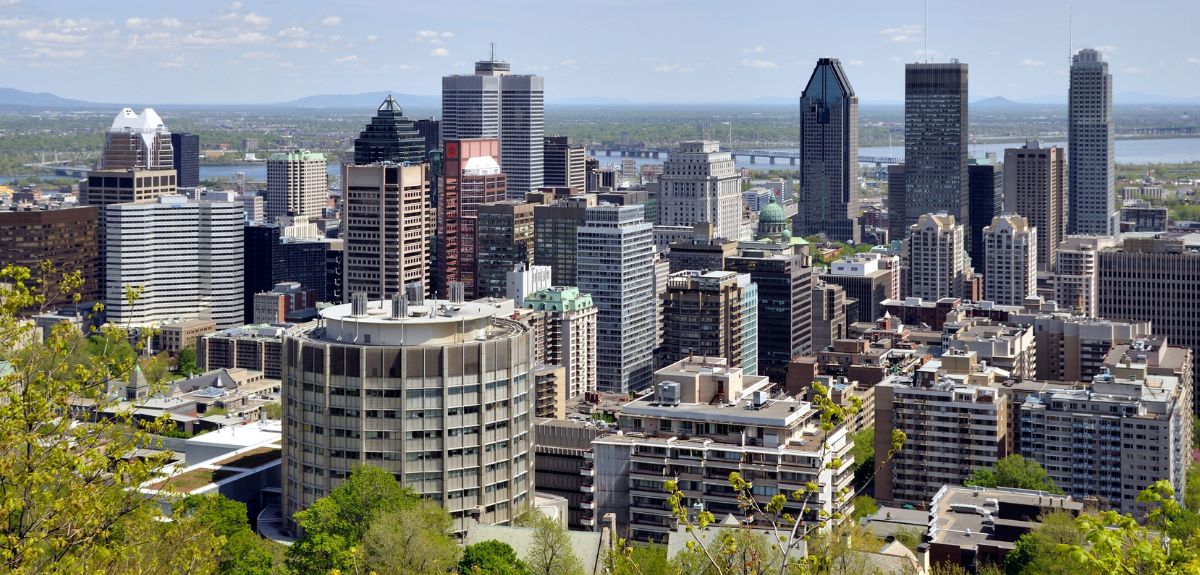
- Montreal: French-speaking energy, cobblestone Old Montreal, legendary bagels, and a creative vibe that never sleeps.
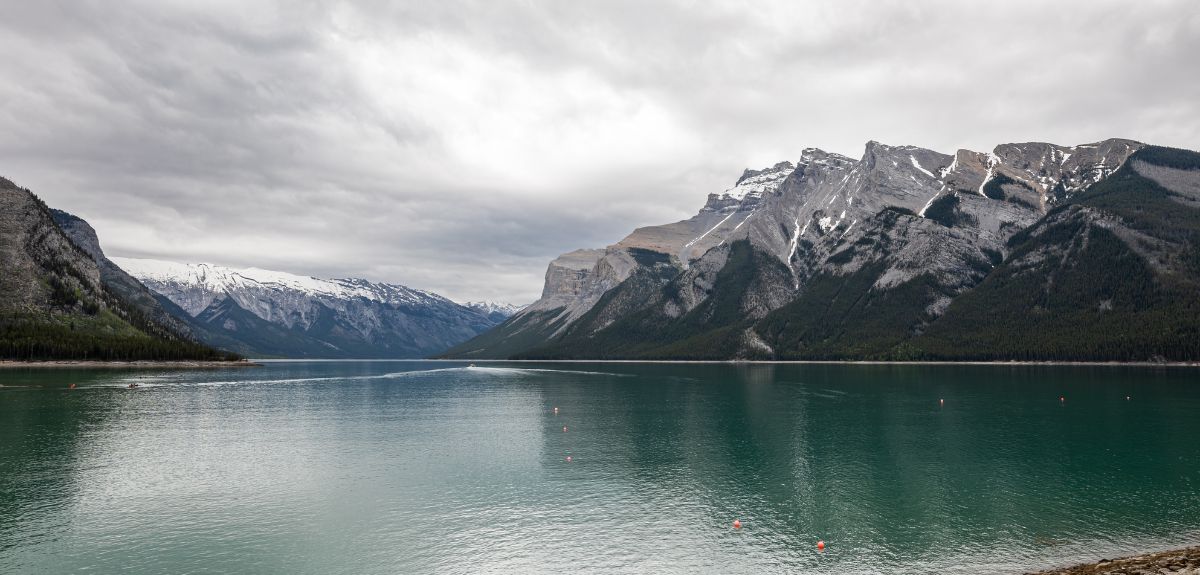
- Banff: The postcard version of the Canadian Rockies—turquoise lakes, hiking trails, and mountain-town charm.
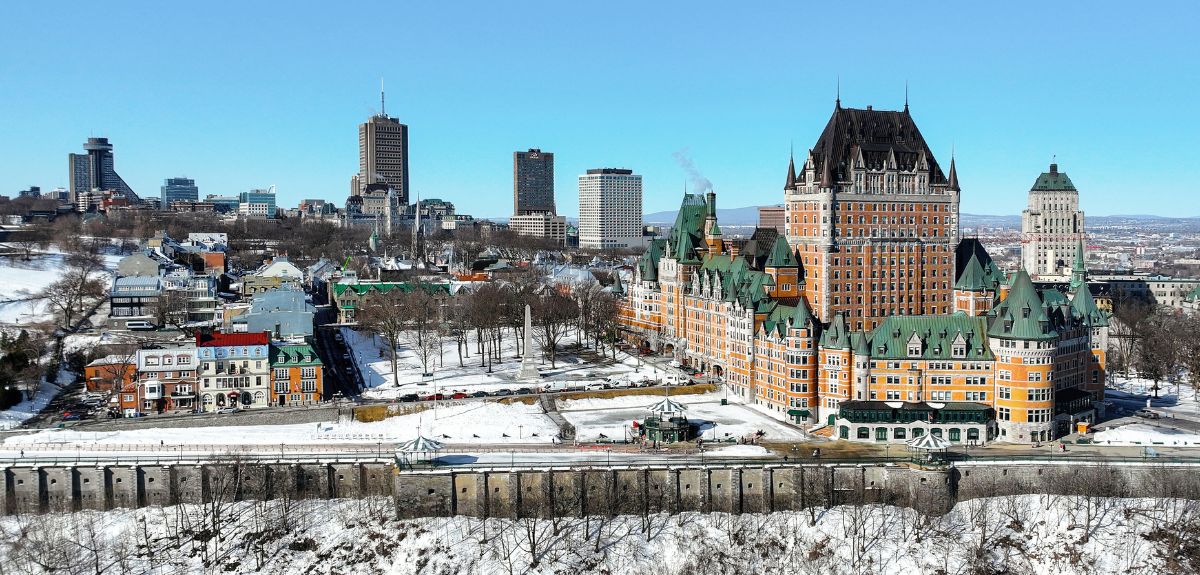
- Quebec City: A UNESCO-walled old town that feels like Europe without the flight, complete with the iconic Château Frontenac.
Accommodation – Mid-range hotels in big cities like Toronto, Vancouver, or Montreal usually run about $120–180 USD per night for a double room with solid amenities and a central location. Hostels are cheaper—expect $30–55 USD for a dorm bed. Budget Airbnbs or guesthouses start around $70–110 USD. In Banff and Quebec City, prices climb higher in summer and peak ski season; a comfortable room can hit $180–300 USD. Luxury stays (think Fairmont properties) often start at $250–400+ USD. Booking ahead or traveling in shoulder seasons (May–June or September–October) can shave a good chunk off the bill.
Food – Canada’s food scene is excellent and more affordable than you might expect if you mix it up. A casual lunch or dinner plate runs $12–25 USD in most cities. In Montreal I grabbed a classic smoked-meat sandwich for about $15 USD and still think about it. Vancouver’s dim sum or a solid bowl of ramen can keep you under $20 USD. Coffee and a pastry for breakfast? Usually $4–7 USD. Fine dining in Toronto or Montreal can climb to $60–120+ USD per person, but you don’t need to go that route to eat really well. Street food, food halls, and markets are your friends.
Transportation – Cities are well connected by public transit. Single metro/bus rides cost roughly $2.50–3.50 USD; day passes run $10–15 USD. Trains between Toronto and Montreal are $40–100 USD one way if you book early. Buses are often cheaper. Short Uber or taxi rides in cities land around $10–20 USD. Renting a car makes sense for Banff and the Rockies—expect $40–70 USD per day plus gas (which sits higher than in the U.S.). Domestic flights between coasts can be pricey, so plan those carefully.
Activities – Many of the best experiences are free or low-cost (Stanley Park, Old Quebec wandering, Mount Royal views). Paid highlights: CN Tower is around $30–40 USD, Banff Gondola about $50–60 USD, and major museums $15–25 USD. Parks Canada entry for Banff is roughly $8–10 USD per day (or grab an annual Discovery Pass if you’re hitting multiple parks). Guided tours and boat trips typically range $25–70 USD.
Canada has this open, friendly energy that sneaks up on you. It’s a place where big cities still feel connected to nature—glass towers in Vancouver with snow-capped peaks behind them, Toronto’s skyline against Lake Ontario, and Banff where elk sometimes wander through town like they own the place. The people are generally polite (you’ll hear a lot of “sorry” and “thank you”), the streets are clean, and there’s a real sense of space even in the densest neighborhoods.
Expect variety. Toronto throws you into a multicultural whirlwind of neighborhoods and food. Vancouver mixes outdoor culture with a laid-back West Coast feel. Montreal brings European flair, late-night energy, and some of the best bagels and smoked meat you’ll ever try. Banff is pure mountain magic—quiet mornings, dramatic scenery, and that crisp alpine air. Quebec City feels like a storybook, especially when the leaves turn or the snow starts falling.
Weather depends heavily on where and when you go. Summers in the cities can hit 75–90°F and feel humid; the Rockies stay cooler. Spring and fall are often ideal (50–70°F range) with fewer crowds. Winters get cold—really cold in places like Montreal and Quebec City—but they’re also magical with festivals, lights, and outdoor activities if you’re prepared. Vancouver stays milder and rainier.
English is widely spoken, but in Montreal and Quebec City, French is the everyday language. A simple “bonjour” and “merci” go a long way and usually get a warm response. Safety is high by global standards. I’ve walked alone in all these cities at night without feeling uneasy, though standard big-city awareness (watch your bag in crowded tourist spots) still applies. Wildlife is the bigger “risk” in Banff—keep your distance from elk and bears, and follow park guidelines.
Canada’s culture is a blend of Indigenous roots, British and French heritage, and waves of immigration that make every city feel global. You’ll notice it in the food, the festivals, and the easygoing attitude. Tipping is expected (15–20% at restaurants), and Canadians tend to value personal space and politeness. Whether you’re watching the sunset over the Rockies, eating poutine at 1 a.m., or just wandering a quiet street in Old Quebec, the country has a way of making you slow down and actually enjoy being there.
So grab our interactive maps for Toronto, Vancouver, Montreal, Banff, and Quebec City, and start mapping out your route. Explore cities, plan smart, travel better.