

Get Inspired

Itineraries

Travel Guides

About Me

Top
  >  Ecuador   >  Best Places to Visit in Cuenca
best places to visit in cuenca

Where the Andes embrace a city of eternal spring, Cuenca unfolds like a beautifully preserved secret, draped in colonial elegance and bathed in the soft glow of a mountain sunset. This UNESCO World Heritage gem is a place where time slows down, inviting you to wander through cobblestone streets lined with whitewashed facades, ornate iron balconies, and the constant, soothing melody of rushing rivers.

Why Visit Cuenca?

Cuenca offers a sophisticated blend of cultural depth and natural majesty that makes it one of the most enchanting destinations in South America.

  • Catedral de la Inmaculada Concepción: Marvel at the iconic sky-blue domes and massive marble pillars of this architectural masterpiece that dominates the city’s skyline.
  • Cajas National Park: Escape into a mystical, high-altitude wilderness filled with crystalline glacial lakes and ancient Polylepis forests.
  • Museo Pumapungo: Walk through history at this impressive site where Incan ruins meet lush botanical gardens and fascinating ethnographic exhibits.
  • Rio Tomebamba: Stroll along the grassy banks of the city’s soul, where historic “hanging houses” overlook the tumbling mountain waters.
  • Plaza de las Flores: Immerse your senses in a vibrant tapestry of world-class orchids and giant roses at this legendary, open-air floral market.

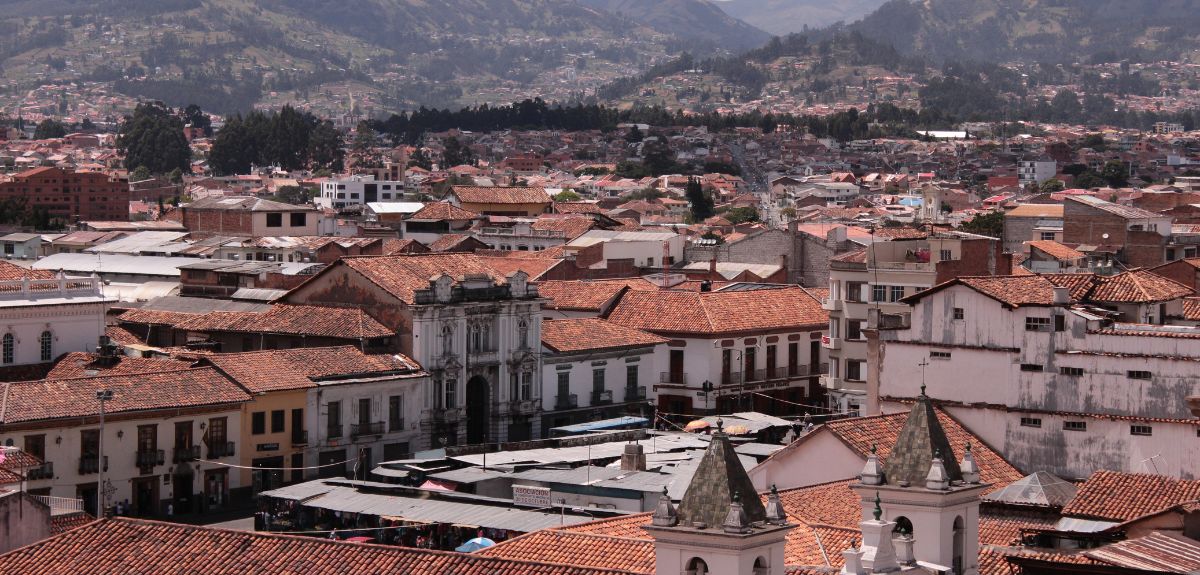
From its artisanal heritage to its breathtaking Andean vistas, Cuenca is a city that captures your heart and leaves you longing for just one more sunset over its terracotta rooftops.

CUENCA KEY INFO

Everything you need to hit the ground running.

WHEN TO VISIT

June to September for dry weather and hiking; November to April for lush scenery and local festivals.

HOW TO GET THERE

Fly into Mariscal Lamar International Airport (CUE). It’s a tram or taxi ride to the city center (~2-5 min).

HOW TO GET AROUND

Walk! Cuenca’s UNESCO center is perfectly compact and best seen on foot. For longer trips, hop on the modern Tranvía de Cuenca using a rechargeable Tarjeta del Tranvía.

IDEAL TRIP LENGTH

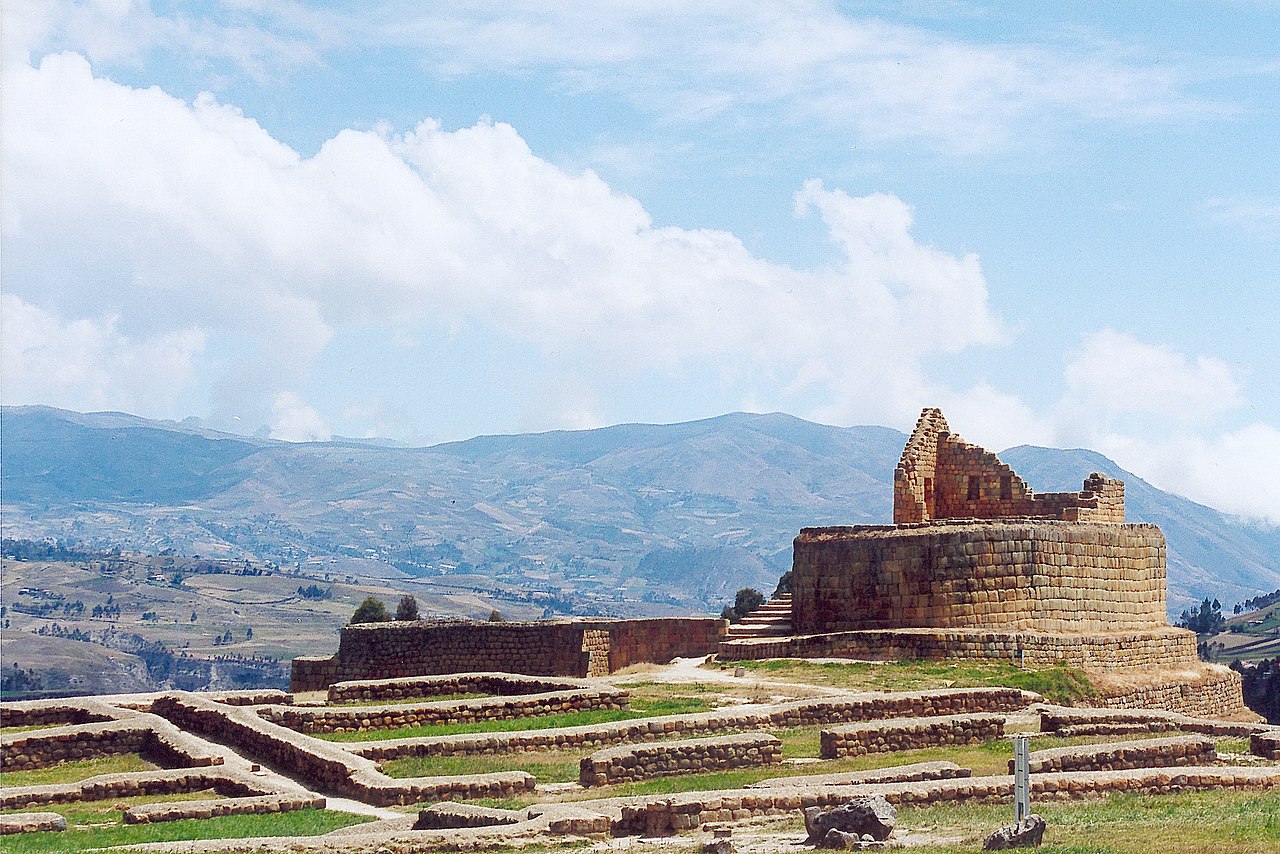
2-3 days for the city itself, but 4-5 days if you want to include day trips to Cajas National Park or Ingapirca ruins.

What is Cuenca Mainly Known For?

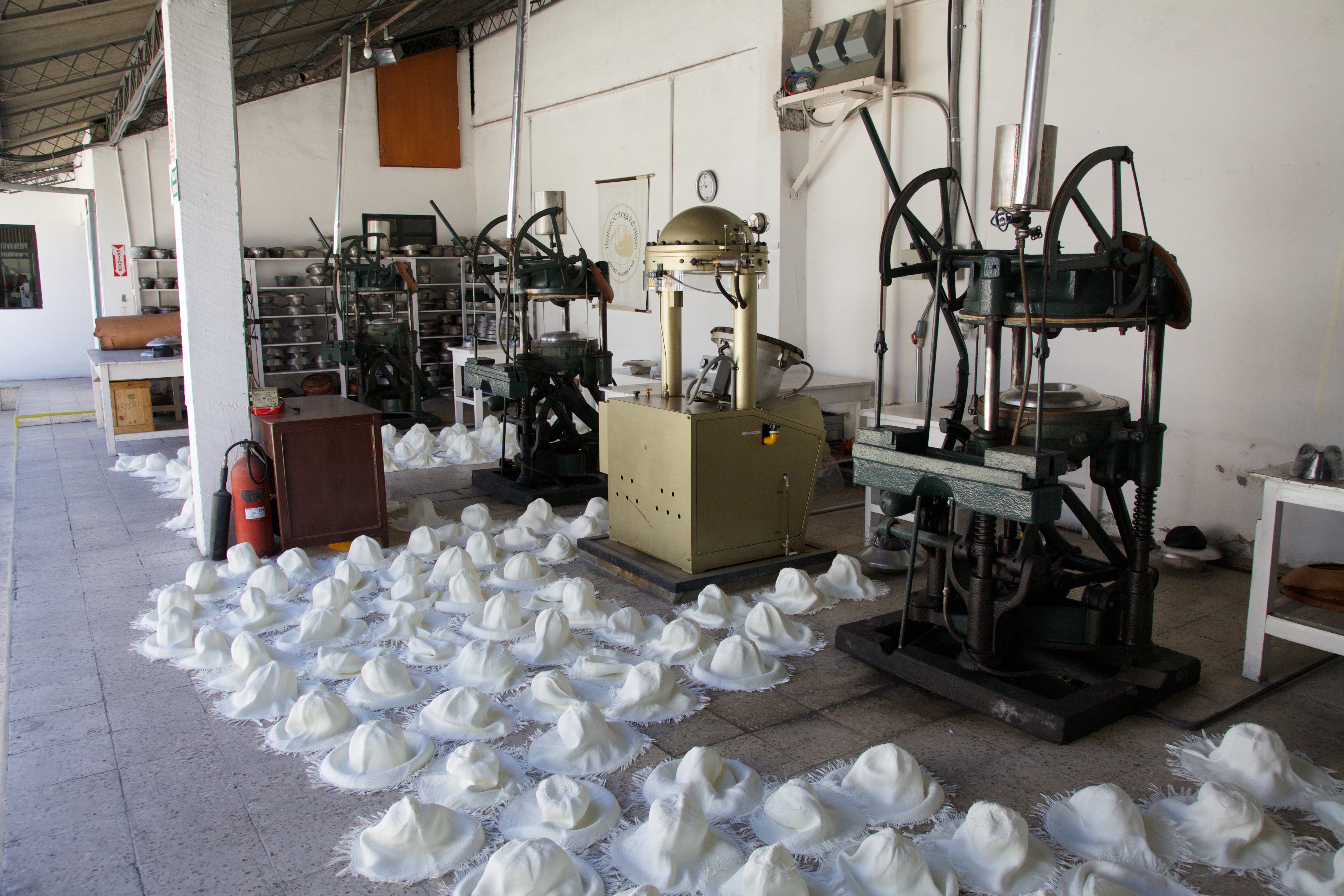
Cuenca is famous for its authentic Panama hats, a legendary Ecuadorian craft mistakenly named after the canal. It’s also known for the New Cathedral, a massive landmark featuring iconic sky-blue domes. Beyond the sights, it’s known as the Athens of Ecuador, where a vibrant arts scene and colonial charm define its intellectual cultural vibe.

Is Cuenca a Walkable City?

100% yes. Cuenca is incredibly walkable, especially the historic center. I loved wandering the cobblestone streets and riverside paths, soaking in the colonial vibe without the constant hum of traffic.

Is it safe to walk in Cuenca at night? Generally, yes. It is one of South America’s safest cities. I felt at ease in well-lit tourist areas, though I always recommend using standard common sense.

What Is the Best Neighborhood to Walk Around?

Centro Historico is the winner, a UNESCO-listed heart of colonial streets and lively plazas nestled north of the Rio Tomebamba. Its winding cobblestone paths are a tapestry of whitewashed facades and grand blue-domed cathedrals. For something completely different, walk over to El Vado, a bohemian district filled with traditional bakeries, hidden art galleries, and a transgressive creative pulse that defines Cuenca’s oldest neighborhood.

What Are the Best Things to Do in Cuenca? (For Your First Visit)

I visited Cuenca without a strict day-by-day plan. I wanted to take my time, enjoy the colonial elegance and mountain sunset vibes, and see where the streets took me. I wrote down a few highlights and hit the ground running. Here are the spots I definitely recommend checking out:

Catedral de la Inmaculada Concepción

Cuenca’s crown jewel pairs sky-blue domes with massive marble interiors. Explore the haunting crypts and ornate altars. Entry is free (tower climb ~$2). Pro tip: Climb the towers at sunset for the city’s most iconic panoramic views. Check availability and explore popular experiences.

Catedral de la Inmaculada Concepción
Credit: Wikimedia Commons

El Sagrario

El Sagrario, commonly known as the Old Cathedral (Catedral Vieja), is a historic landmark located in the heart of Cuenca. Built starting in 1557, the same year the city was founded, it stands as one of the oldest European structures in the region. Price: Free. Pro tip: Look down as you enter to spot historic crypts marked with crossbones. Check availability and explore popular experiences.

El Sagrario
Credit: Wikimedia Commons / Ekem

Parque Calderón

The social heart of Cuenca. Vibe with the blue-domed New Cathedral, giant pines, and local musicians. Price: Free. Pro tip: Grab a 25-cent espumilla (meringue cream) from a street vendor and enjoy the people-watching. Check availability and explore popular experiences.

Parque Calderón
Credit: Wikimedia Commons

Cajas National Park

Step into a misty, Lord of the Rings-style wilderness. Explore 200+ glacial lakes, jagged peaks, and “paper” trees. Price: Free entry. Pro tip: Arrive early to beat the fog and wear layers for unpredictable Andean weather. Check availability and explore popular experiences.

Cajas National Park
Credit: Wikimedia Commons / Delphine Ménard (notafish }<‘;>)

Museo Pumapungo

Cuenca’s cultural heart blends Incan ruins with modern art. Explore the ancient stone terraces and the shrunken head collection. Price: Free. Pro tip: Head to the back gardens to see the rescue llamas and native plants. Check availability and explore popular experiences.

Museo Pumapungo
Credit: Wikimedia Commons

Mirador de Turi

Cuenca’s ultimate balcony. Vibe with panoramic city views, the Crystal Bridge, and mountain air. Price: Free (activities extra). Pro tip: Head up at sunset to watch the skyline sparkle as the city lights flicker on. Check availability and explore popular experiences.

Mirador de Turi
Credit: Wikimedia Commons

Rio Tomebamba

Stroll along Cuenca’s soul, where colonial charm meets a rushing mountain river. Vibe with grassy banks, historic bridges, and eucalyptus trails. Price: Free. Pro tip: Visit at night to see the illuminated “hanging houses” reflecting on the water. Check availability and explore popular experiences.

Rio Tomebamba
Credit: Wikimedia Commons

Plaza de las Flores

Vibe with world-class blooms at this legendary open-air market. Marvel at giant roses and orchids beneath colonial spires. Price: Free. Pro tip: Try the nuns’ famous Agua de Pítimas, a refreshing herbal tea with healing vibes. Check availability and explore popular experiences.

plaza de las flores cuenca

Credit: Wikimedia Commons

Iglesia de San Francisco

A historic architectural gem where colonial soul meets neoclassical style. Vibe with the intricate gold-leaf altar and hand-carved pulpit. Price: Free. Pro tip: Visit at night when the interior lighting makes the gold-leaf carvings appear to glow. Check availability and explore popular experiences.

Iglesia de San Francisco
Credit: Wikimedia Commons

Puente Roto

Cuenca’s most resilient landmark. Vibe with this stone relic overlooking the Tomebamba, now a hub for art and concerts. Price: Free. Pro tip: Check the underpass during holidays for vibrant local art exhibitions and live music. Check availability and explore popular experiences.

Puente Roto
Credit: Wikimedia Commons

What Part of Cuenca is Best for Tourists?

Stay in the El Centro. Everything will be within a 15-minute walk. If you want something a bit more local but still close, the San Sebastian neighborhood is lovely—it features a hip, artistic vibe with galleries, craft breweries, and a relaxed park setting.

What to Know Before Going to Cuenca

  • The Tap Water is Gold: Cuenca’s water is famously safe and potable, sourced from mountain lakes in the Cajas region.
  • English is Growing: Many younger locals and those in tourism speak English, but basic Spanish is helpful for daily interactions.
  • The Movilizate Card: This essential bus pass is required for transit; cash is not accepted on city buses.
  • Quiet Sundays: Many shops and family-run businesses close or have limited hours on Sundays; plan your shopping accordingly.
  • Tipping is Optional: It is not mandatory, but rounding up or leaving 10% for exceptional service is appreciated.

How Many Days Do I Need in Cuenca?

3 days is the ideal duration for first-time visitors to balance colonial history, vibrant markets, and the stunning Andean wilderness.

  • Day 1: Catedral de la Inmaculada Concepción, El Sagrario, Parque Calderón, Rio Tomebamba, Puente Roto.
  • Day 2: Museo Pumapungo, Plaza de las Flores, Mirador de Turi, Museo de Arte Moderno, Mercado 10 de Agosto.
  • Day 3: Take a scenic day trip to the glacial lakes and high-altitude trails of Cajas National Park.

Suggested daily budget – 55-80 EUR / 60-85 USD (Note: This covers mid-range hotels or private guesthouses, dining at a mix of local markets and mid-range restaurants, and using the efficient tram or taxi system for city travel. You can go cheaper if you stick to $3 set-course almuerzos and explore the historic center on foot).

MONEY SAVING TIPS

  1. Master the Menu del Dia: Look for a Menu del Dia at local spots like Raymipampa for a three-course lunch including soup, a main dish, and dessert for just $3.50, or find smaller eateries offering them as low as $1.75.
  2. Tip-Based Trekking: Join a Free Walking Tour starting at the Mariscal Sucre Tourist Office in Parque Calderon to see the cathedrals and colonial streets with a local guide for a voluntary tip.
  3. Swipe and Save: Purchase a Movilizate card for $1.75 at Terminal Terrestre to pay just $0.30 per bus ride, or use the BiciCuenca bike-share system to explore the flat historic center.
  4. Riverside Refreshments: Skip the pricey bars and grab a cold beer from a local grocery store to enjoy on the grassy banks of the Rio Tomebamba near the Puente Roto for a scenic and social sunset vibe.

What’s the Best Month to Visit Cuenca?

September and October are the sweet spots for visiting Cuenca. These months offer mild weather and fewer crowds, perfect for exploring the historic streets and enjoying outdoor cafes. However, November is a magical alternative, as the city comes alive with vibrant parades and cultural festivals for its Independence Day celebrations.

How to Get to Cuenca

Most international travelers fly into Mariscal Sucre International Airport (UIO) in Quito or José Joaquín de Olmedo International Airport (GYE) in Guayaquil, which offer direct connections from Miami, New York, and Madrid. From there, take a 50-minute domestic flight to Cuenca (CUE).

  • From the airport: The city center is just 5–10 minutes away. The Tranvia (tram) takes 3 minutes for $1, while a taxi costs approximately $2–$3.
  • By Train: There are no intercity rail services; however, the Tranvia provides efficient light-rail travel within the city limits.

How to Get Around Cuenca

Walk and use the Tranvía – it is the ultimate way to see the city.

  • Car Rental: Not recommended for the city due to heavy traffic and limited parking. Use DiscoverCars only for exploring the Cajas National Park or nearby villages.
  • Walking: Excellent and preferred for the compact, historic city center.
  • Uber/Bolt: Not available. Use regulated yellow taxis or the Azuaxi app instead.
  • Tours: Great for hassle-free visits to the outer ruins or guided historical walks through the colonial center.

Tips for first-timers: Avoid wearing thin-soled shoes—Cuenca’s uneven colonial cobblestones will quickly lead to sore feet and fatigue. Opt for sturdy, comfortable walking shoes to explore the historic center and riverbanks with ease!

Cuenca is the kind of place that steals your heart. It is an enchanting symphony of colonial grandeur, rushing mountain rivers, and a profound cultural soul that resonates through every cobblestone street. As you depart from its blue-domed spires and misty Andean peaks, it leaves you with a renewed sense of wonder.

Note: This article contains affiliate links. If you purchase something I’ve recommended, I’ll earn a small commission at no extra cost to you. I really appreciate your support and I hope this guide helps you ♡

post a comment