

Get Inspired

Itineraries

Travel Guides

About Me

Top
  >  Venezuela   >  Best Places to Visit in Los Roques Archipelago
best places to visit in los roques archipelago

Floating like a constellation of jewels in the deep azure of the Caribbean, the Los Roques Archipelago is a dreamscape of blinding white sands and water so clear it seems to vanish. This protected marine sanctuary is where the sophisticated traveler goes to disconnect from the world and reconnect with the raw, rhythmic pulse of nature, surrounded by a kaleidoscope of coral reefs and endless horizons.

Why Visit Los Roques Archipelago?

Beyond its reputation as a secluded paradise, this Venezuelan treasure offers an intoxicating blend of adventure and serenity that captures the soul of every visitor:

  • Cayo de Agua: Traverse the world-famous sandbar that connects two emerald islets, creating a majestic natural bridge amidst a sea of shimmering turquoise.
  • Gran Roque: Wander through the charming, sandy streets of the main village, where vibrant houses and a laid-back Caribbean vibe offer the ultimate island escape.
  • Dutch Lighthouse: Hike to this historic 19th-century ruin for a breathtaking panoramic view of the entire archipelago as the sun dips below the horizon.
  • Dos Mosquises: Visit the biological research station to witness vital conservation efforts and meet the endangered sea turtles that call these protected waters home.
  • Francisquí: Dive into the natural pools of these popular cays, famous for their vibrant marine life and perfect conditions for exhilarating wind-driven sports.

Whether you are chasing the thrill of the wind or the quiet luxury of a deserted beach, Los Roques promises a timeless journey into one of the world’s most pristine aquatic frontiers.

LOS ROQUES ARCHIPELAGO KEY INFO

Everything you need to hit the ground running.

WHEN TO VISIT

December to May for stable weather and snorkeling; January to June for consistent winds and kitesurfing.

HOW TO GET THERE

Fly into Simón Bolívar International Airport (CCS). It’s a domestic flight to Los Roques Airport (LRV) (~35-40 min).

HOW TO GET AROUND

Boat! It is the only way to hop between the pristine islands and cays. Arrange daily transfers through your posada or local cooperatives at the Gran Roque pier.

IDEAL TRIP LENGTH

3-4 days for the city itself, but 5-7 days if you want to explore remote cays like Cayo de Agua or enjoy world-class kite surfing and diving.

What is Los Roques Archipelago Mainly Known For?

Los Roques Archipelago is famous for its world-class turquoise waters and coral reefs, home to diverse marine life. It’s also known for the Faro Holandés, a historic Dutch lighthouse offering panoramic views. Beyond the sights, it’s known as a barefoot paradise, where a laid-back Caribbean vibe and untouched white sands define this protected marine national park.

Is Los Roques Archipelago a Walkable City?

100% yes. Gran Roque is entirely car-free with sandy streets, making it incredibly walkable and peaceful. I loved the chill vibe and exploring the colorful village without any traffic noise.

Is it safe to walk in Los Roques Archipelago at night? Absolutely. It is a very safe, tight-knit community. I felt completely at ease wandering the quiet lanes, though I always recommend using standard common sense.

What Is the Best Neighborhood to Walk Around?

Gran Roque is the winner, the archipelago’s only inhabited island. Nestled beneath rocky hills and a historic Dutch lighthouse, its sandy streets are lined with brightly painted houses and a laid-back Caribbean pulse. For something completely different, walk over to the north side of the island to discover rugged volcanic cliffs and hidden caves that offer a wild, industrial edge to the pristine sea views.

What Are the Best Things to Do in Los Roques Archipelago? (For Your First Visit)

I visited Los Roques without a strict day-by-day plan. I wanted to take my time, enjoy the laid-back Caribbean vibe and crystal-clear turquoise waters, and see where the streets took me. I wrote down a few highlights and hit the ground running. Here are the spots I definitely recommend checking out:

Gran Roque

The lively, colorful heart of Los Roques with sandy streets and a chill Caribbean pulse. Hike to the Dutch Lighthouse for epic sunset views. Price: Free entry. Pro tip: Walk barefoot like the locals to feel the vibe. Check availability and explore popular experiences.

Gran Roque
Credit: Wikimedia Commons / BIT1982

Cayo de Agua

Step into a postcard at this pristine paradise featuring a world-famous sandbar bridge. Swim in crystal-clear turquoise pools and relax on powdery white sands. Price: Free entry. Pro tip: Visit in fall for the calmest, most idyllic seas. Check availability and explore popular experiences.
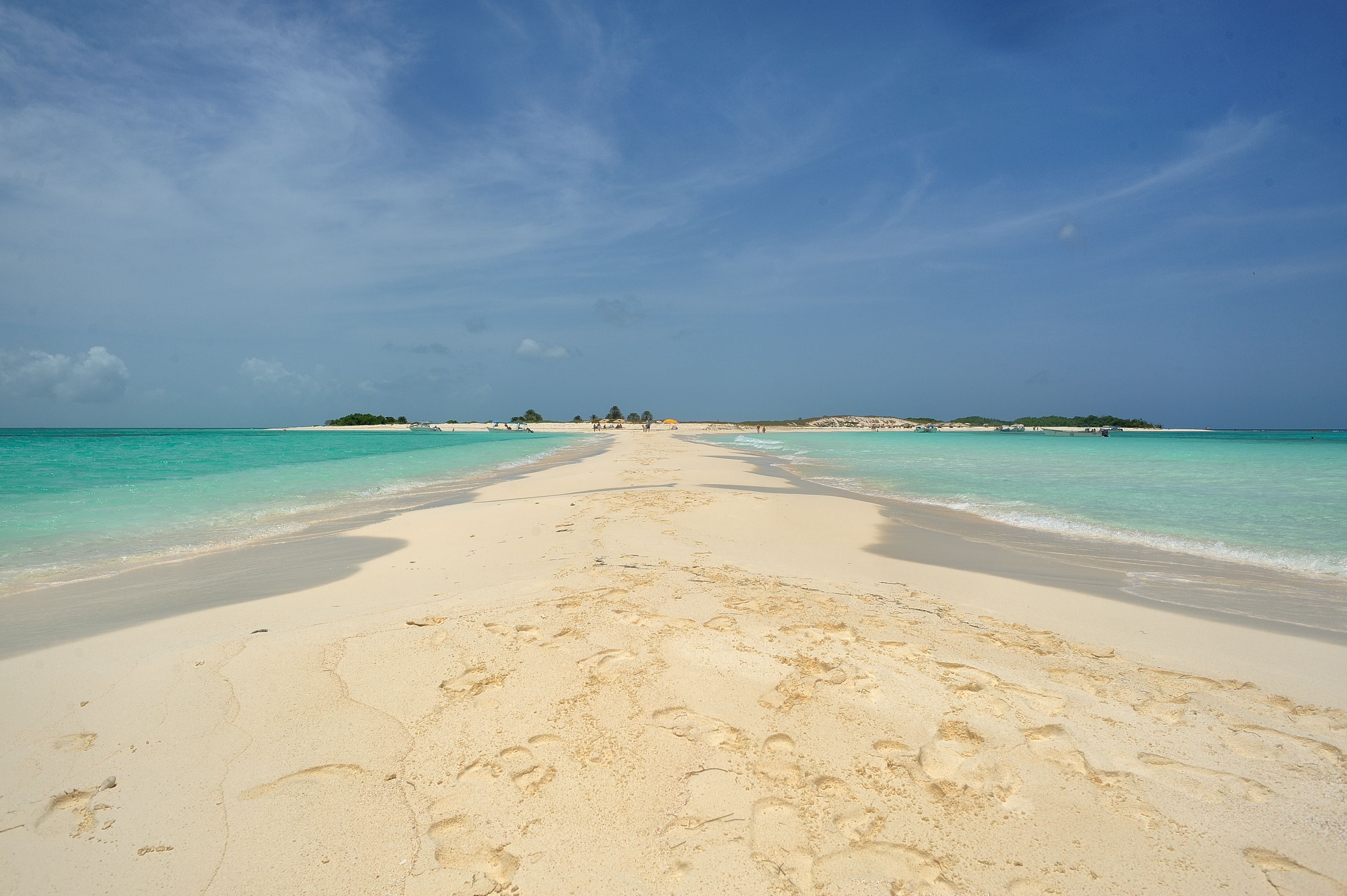
Cayo de Agua
Credit: Wikimedia Commons

Francisquí

An island paradise of turquoise lagoons and ivory sands. Perfect for snorkeling and kite-surfing. Price: Free entry. Pro tip: Visit the natural pools at low tide for the clearest, calmest waters. Check availability and explore popular experiences.

Francisquí
Credit: Wikimedia Commons / M. Celeste Rabbat

Madrisquí

A traveler’s dream with calm, shallow turquoise waters and blinding white sand. Perfect for easy snorkeling and total relaxation. Price: Free entry. Pro tip: Arrive early via boat from Gran Roque to snag the best beach spot. Check availability and explore popular experiences.

Madrisquí
Credit: Wikimedia Commons

Crasquí

An untouched slice of Caribbean paradise with endless turquoise views. Feast on fresh lobster at beachfront shacks and wander the quiet, sandy shores. Price: Free. Pro tip: Bring a snorkel to explore the vibrant coral reefs just offshore. Check availability and explore popular experiences.

Crasquí
Credit: Wikimedia Commons

Dos Mosquises

An ecological gem with a serene, research-focused vibe. Meet endangered sea turtles at the biological station and explore pre-Columbian archaeological sites. Price: Free entry. Pro tip: Visit the turtle hatchlings during feeding time for an unforgettable experience. Check availability and explore popular experiences.

Dos Mosquises
Credit: Wikimedia Commons / Berrucomons

Nordisquí

An untouched paradise where desert-like dunes meet turquoise tides. Perfect for windsurfing and spotting diverse seabirds. Price: Free entry. Pro tip: Bring plenty of water and shade, as this remote island offers zero cover from the sun. Check availability and explore popular experiences.
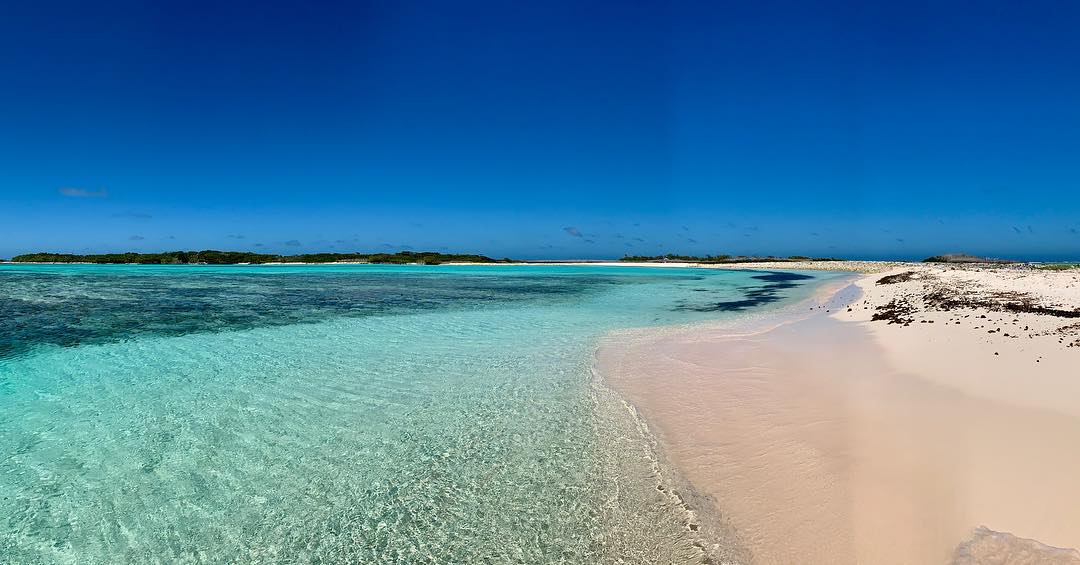
Nordisquí
Credit: Wikimedia Commons

Cayo Sal

A serene escape with swaying palms and a hidden salt lake. Relax on white sands or explore the tiny chapel. Price: Free. Pro tip: Visit the salt pond inland for a unique, crusty landscape and cool photos. Check availability and explore popular experiences.

Cayo Sal

Credit: Wikimedia Commons

Noronquí

A tranquil trio of islets offering pure solitude and crystalline waters. Dive into vibrant coral reefs or lounge on deserted sands. Price: Free. Pro tip: Visit Noronquí Medio for the most secluded, “private island” feel. Check availability and explore popular experiences.

Noronquí
Credit: Wikimedia Commons

Carenero

An island with a hidden, infinite beach vibe and shallow turquoise lagoons. Ideal for a secluded swim or snorkeling the north coast’s reefs. Price: Free entry. Pro tip: Walk the southern shore for the most tranquil, sandy stretches. Check availability and explore popular experiences.
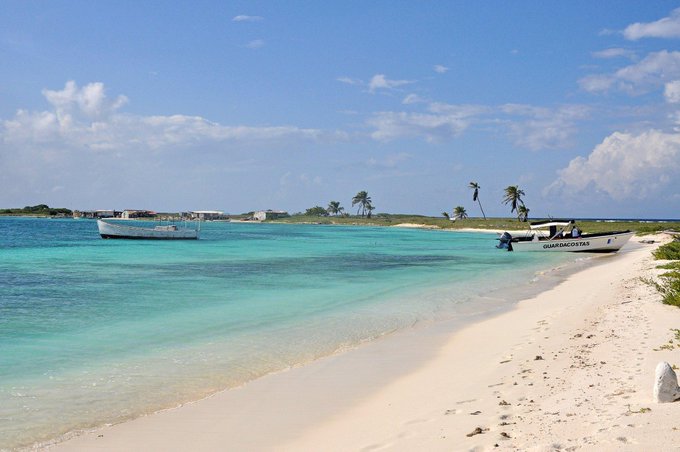
Carenero
Credit: Wikimedia Commons

Must-Do Activities in Los Roques Archipelago

To really get the most out of your trip, I recommend checking out these experiences:

No products were found!

What Part of Los Roques Archipelago is Best for Tourists?

Stay in the Gran Roque. Everything will be within a 15-minute walk. If you want something a bit more local but still close, the beachfront posada area is lovely—it offers a chill Caribbean pulse where you can walk barefoot and enjoy sunset views.

What to Know Before Going to Los Roques Archipelago

  • Stick to Bottled: Tap water is not safe; always drink bottled water and avoid ice in drinks.
  • Learn Basic Spanish: English is not widely spoken; knowing basic phrases is helpful, though posada staff often speak some English.
  • The National Park Fee: There is no tourist pass; visitors must pay a mandatory entry fee to the National Park.
  • Island Time: Shops follow relaxed hours, but basic services remain available for tourists even on Sundays.
  • Tipping is Appreciated: While not mandatory, tipping guides and posada staff in cash is highly valued and customary.

How Many Days Do I Need in Los Roques Archipelago?

3 to 4 days is the ideal duration to experience the archipelago’s pristine sandbars, vibrant coral reefs, and unique marine conservation efforts.

  • Day 1: Gran Roque, Dutch Lighthouse, Francisquí, Madrisquí, Cayo Pirata fishing village.
  • Day 2: Dos Mosquises Turtle Breeding Center, pre-Columbian archaeological site, Crasquí, Nordisquí.
  • Day 3: Take a scenic boat trip to the world-famous sandbar bridge at Cayo de Agua.

Suggested daily budget – 140-235 EUR / 150-250 USD (Note: This covers mid-range posadas with full-board meal plans, daily boat transfers to nearby cays, and national park entry fees. You can go cheaper if you stay in standard inns, visit only the closest islands, and bring your own snorkeling gear).

MONEY SAVING TIPS

  1. Master the Cooler Concept: Save on pricey island meals by booking a posada that includes “The Cooler,” a packed lunch with sandwiches, salads, and drinks, or grab fresh seafood and Venezuelan staples at local eateries in Gran Roque for about $5 to $10.
  2. DIY Beach Trekking: While there are no traditional free walking tours, you can save on excursion fees by exploring Gran Roque on foot; a 15-minute hike to the Faro Holandés (Dutch Lighthouse) offers the archipelago’s best sunset views for free.
  3. Peñero Price-Hacking: Avoid expensive all-inclusive boat tours by heading to the main docks at 9:30am to negotiate with local “Peñero” captains, where shared trips to nearby cays like Madrisquí or Francisquí can cost between $20 and $100 per person.
  4. Sunset at the Plaza: Skip the expensive beachfront cocktail lounges and join the locals at Plaza Bolívar or the sandy shores of Gran Roque with a beer bought from a local shop to enjoy a laid-back Caribbean evening for just a few dollars.

What’s the Best Month to Visit Los Roques Archipelago?

September and October are the sweet spots for visiting Los Roques Archipelago. During these months, the rainy season begins to fade, offering pleasant weather and fewer crowds before the peak season begins. However, January is a magical alternative for its consistent trade winds and crystal-clear waters, making it an absolute paradise for kitesurfing and snorkeling enthusiasts.

How to Get to Los Roques Archipelago

Most international travelers fly into Simón Bolívar International Airport (CCS). It serves as the primary hub with direct connections from cities like Madrid, Istanbul, Lisbon, and Bogotá.

  • From the airport: The transfer to the domestic terminal is a short walk or shuttle ride. Taxis to downtown Caracas take 30–45 minutes and cost approximately $25–$40 USD.
  • Regional: Small propeller planes fly from Caracas to Gran Roque in 35–45 minutes, costing $250–$385 round-trip. Limited ferry services also operate from La Guaira.

How to Get Around Los Roques Archipelago

Stick to the boats – it is the absolute best way to navigate.

  • Car Rental: Not recommended. There are no roads or cars; use DiscoverCars only for exploring mainland Venezuela.
  • Walking: Excellent for Gran Roque, which is compact, sandy, and entirely pedestrian-friendly.
  • Uber/Bolt: Not available. The archipelago has no ride-sharing services or motorized land vehicles.
  • Tours: Essential for island-hopping. Hire a local lancha or join a sailing tour to reach the remote cays and snorkeling spots.

Tips for first-timers: Avoid arriving without enough cash—The islands have no ATMs and credit cards are rarely accepted, leaving you stranded. Bring plenty of US dollars or local currency to pay for boats, meals, and park fees effortlessly!

Los Roques Archipelago is the kind of place that steals your heart. It is a sun-drenched sanctuary of raw, untouched nature and shimmering turquoise horizons, where the rhythm of the tides and the warmth of the sand create a soulful Caribbean harmony. As you depart these pristine shores, it leaves you with a renewed sense of wonder.

Note: This article contains affiliate links. If you purchase something I’ve recommended, I’ll earn a small commission at no extra cost to you. I really appreciate your support and I hope this guide helps you ♡

post a comment