If you’re dreaming of a trip to Argentina, you’re in for an epic adventure. I’ve wandered through this massive, passionate country more times than I can count—dancing tango in buzzing streets, sipping Malbec with the Andes as my backdrop, hiking through Patagonia’s wild landscapes, and chasing the southern lights feel at the end of the world. Argentina has it all: vibrant cities full of European charm mixed with Latin soul, jaw-dropping nature, world-class food (that steak game is unbeatable), and people who know how to live life to the fullest.
Whether you’re a city explorer, wine lover, adventure seeker, or someone who just wants that perfect mix of culture and scenery, Argentina’s cities deliver big time. I’ve narrowed it down to five standout spots that capture the country’s incredible diversity. These are the best cities to visit in Argentina for most travelers in their 20s to 40s who want inspiration plus practical planning. I’ll link you straight to deeper guides so you can map out your trip, grab interactive maps, and travel smarter.
Argentina hits every sense. From the colorful chaos and tango beats of Buenos Aires to the snowy peaks around Bariloche, the high-altitude colonial vibes in Salta, the wine-soaked valleys of Mendoza, and the raw, end-of-the-world energy in Ushuaia. Each city brings its own flavor, and together they give you a real taste of why Argentina feels so alive.
Top Cities to Visit in Argentina
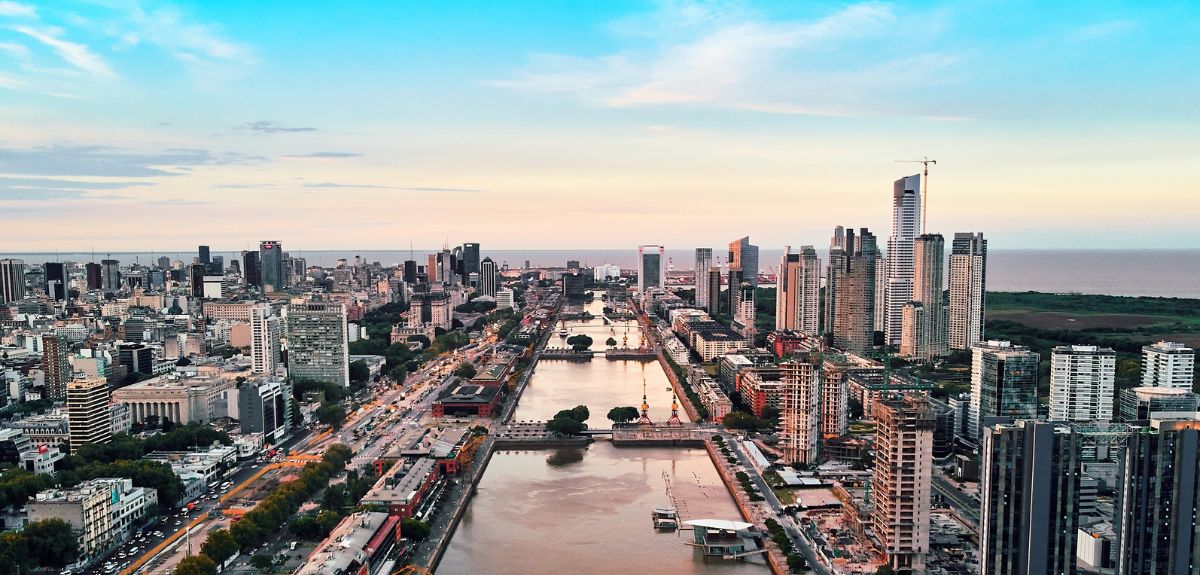
- Buenos Aires: The sophisticated capital often called the “Paris of South America,” packed with tango, incredible steak houses, historic neighborhoods like San Telmo and La Boca, world-class museums, and non-stop nightlife.
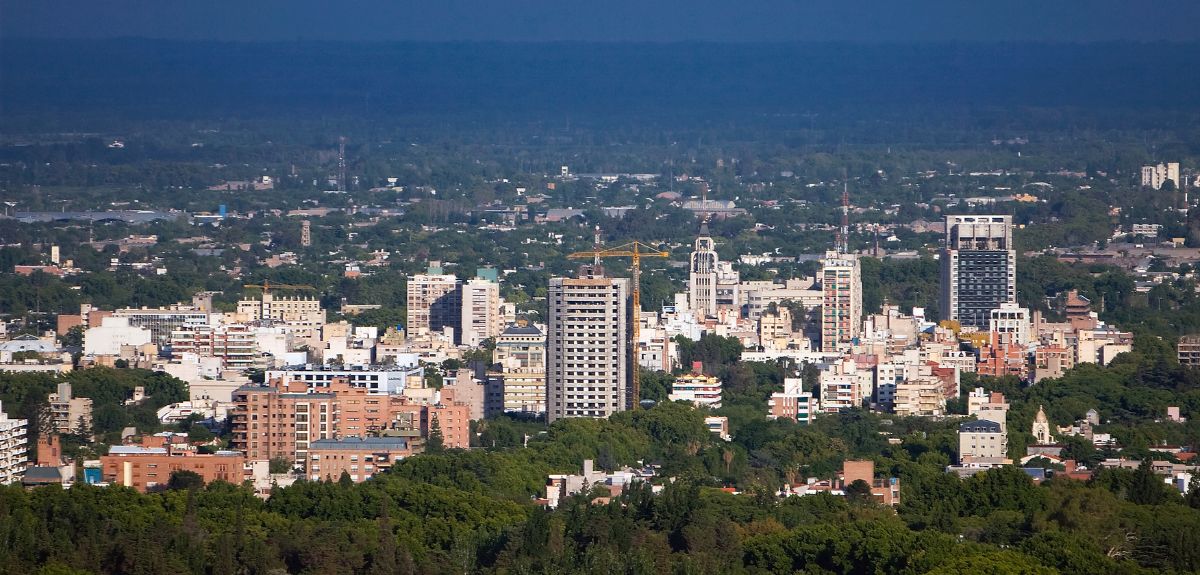
- Mendoza: Nestled at the foot of the Andes, this is wine country heaven—think Malbec tastings, olive groves, mountain views, and outdoor adventures like hiking or rafting.
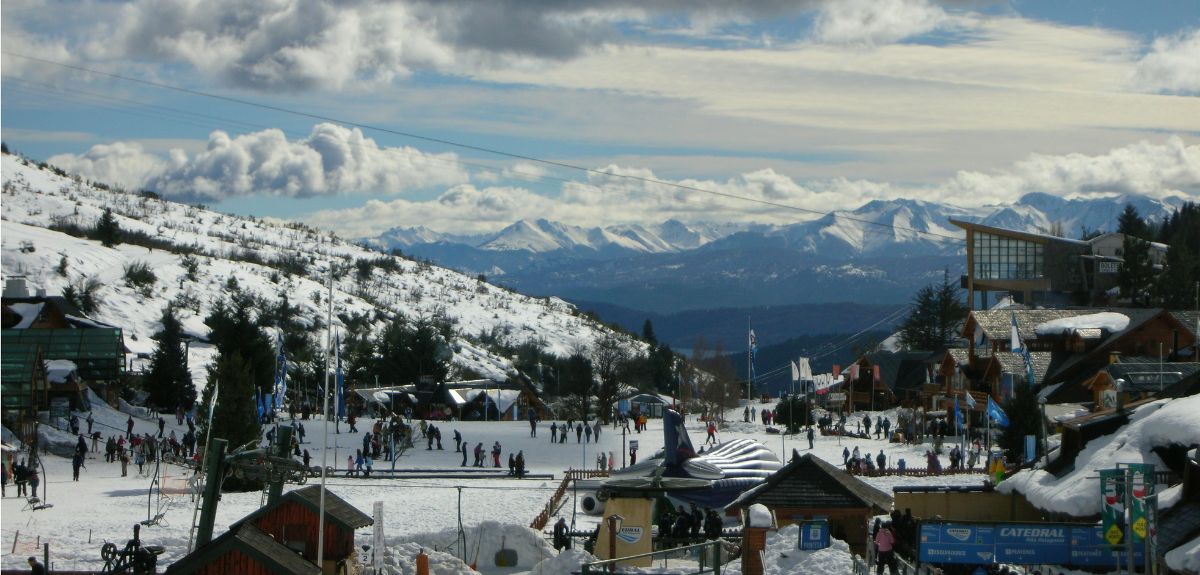
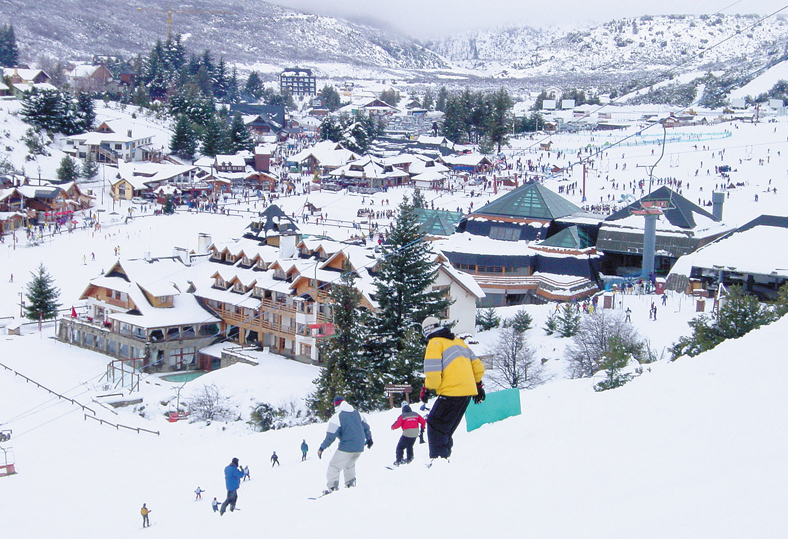
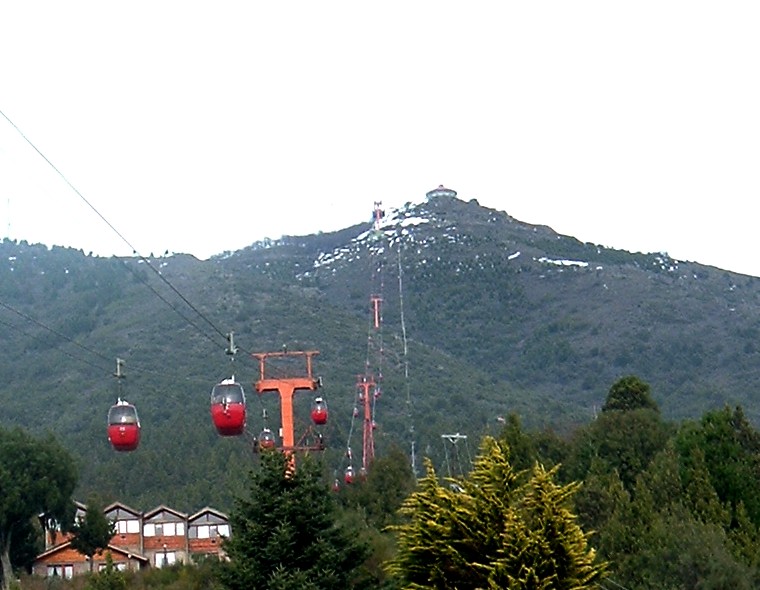
- Bariloche: A Patagonian gem with crystal-clear lakes, chocolate shops, Swiss-style architecture, and endless options for hiking, skiing, or just soaking in the alpine scenery.
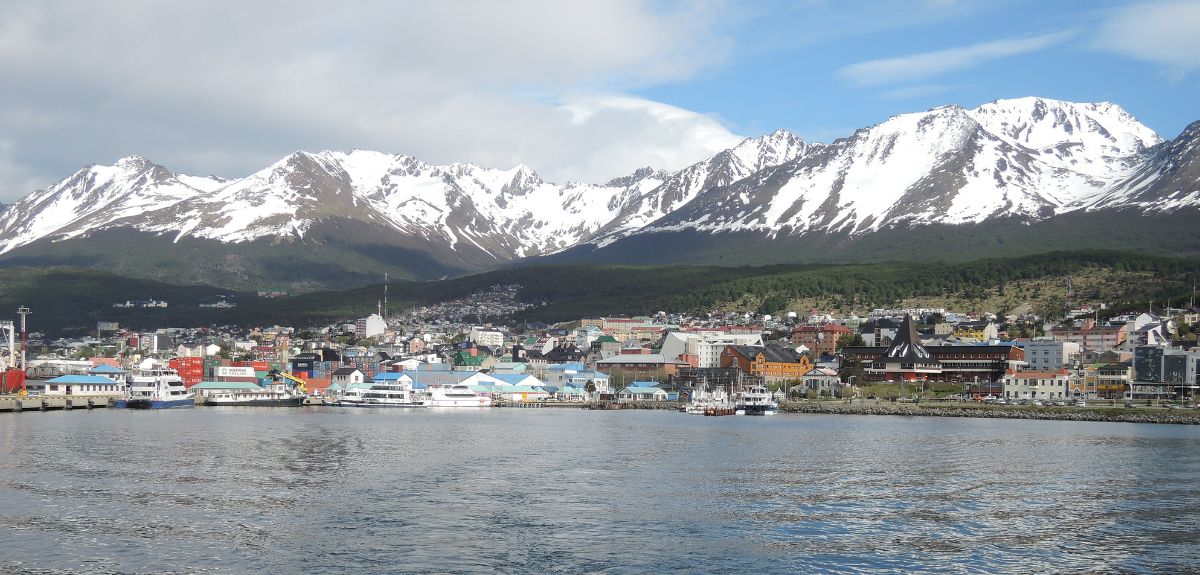
- Ushuaia: The southernmost city in the world, gateway to Tierra del Fuego National Park, penguins, glaciers, and that epic “end of the world” feeling—perfect for nature lovers and Antarctic cruise starters.
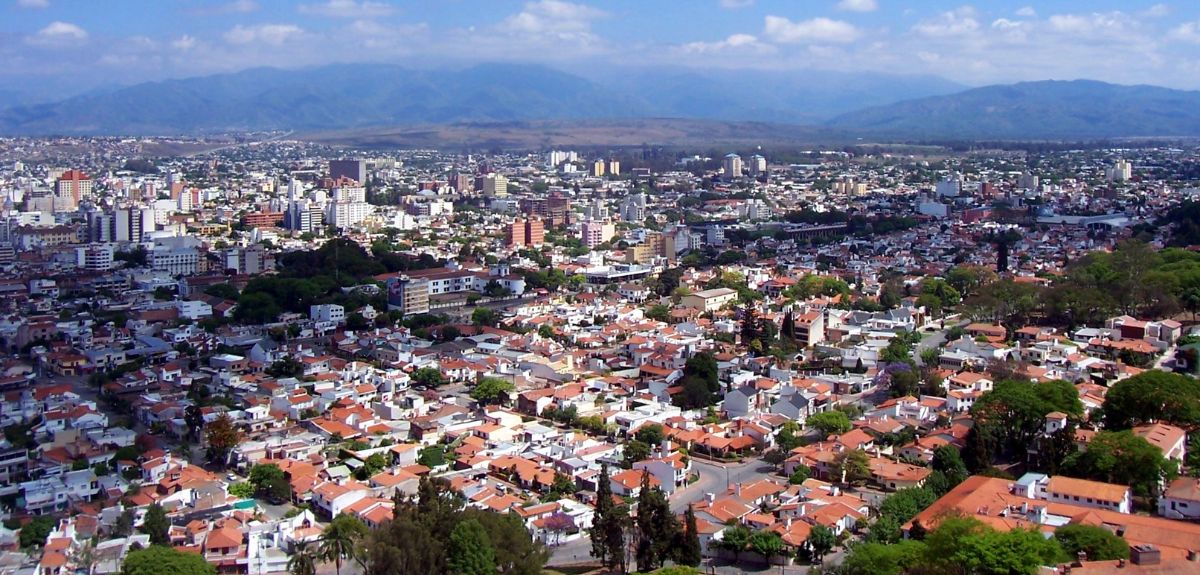
- Salta: A charming colonial city in the northwest with colorful Andean culture, dramatic gorges, salt flats, indigenous history, and a relaxed, friendly vibe that feels worlds away from the big cities.
Accommodation – Mid-range hotels or nice Airbnbs in central areas run about $60–120 USD per night for a double room (cheaper in Salta or Mendoza than in peak Buenos Aires or Ushuaia). Hostels are a steal at $15–35 USD for a dorm bed, while budget private rooms start around $40–70 USD. Luxury boutique spots or wine estate stays can hit $150–300+ USD, especially in high season (December–February). Shoulder seasons (March–May or September–November) save you a ton and mean fewer crowds.
Food – Argentine steak is legendary and often a bargain. A solid parrilla (steakhouse) meal with wine can cost $15–35 USD per person. Empanadas or a quick lunch run $5–10 USD. Breakfast with coffee and medialuna (croissant)? Around $3–6 USD. In Mendoza, a winery lunch with tasting might set you back $20–50 USD. Fine dining or tourist-heavy spots push higher, but you can eat incredibly well without breaking the bank—street food and local markets keep things cheap.
Transportation – Domestic flights (Buenos Aires to Bariloche or Ushuaia) usually range $50–150 USD one-way if booked early. Long-distance buses are comfortable and cheaper ($20–60 USD for major routes). In cities, subway or bus rides cost under $1 USD, and Uber/taxis for short trips run $5–15 USD. Renting a car in Mendoza or Bariloche for wine routes or lakes? Expect $40–70 USD per day plus fuel. Walking old towns is free and often the best way to explore.
Argentina is pure passion and contrast. It’s a country where you can sip espresso in a Parisian-style café in Buenos Aires one day and trek through dramatic red canyons in Salta the next. The people (porteños in the capital, andinos in the north, patagónicos in the south) are warm, opinionated, and quick to chat—expect long dinners that turn into philosophical conversations over Malbec.
The energy is magnetic: late-night dinners (restaurants often fill up after 9 PM), spontaneous tango in the streets, football fever, and a deep love for asado (barbecue). History and modernity mix everywhere—grand European-inspired buildings next to colorful street art, or ancient indigenous roots alongside modern cities.
Weather varies wildly because the country is huge. Buenos Aires has mild winters and hot, humid summers (70–90°F). Patagonia (Bariloche and Ushuaia) gets cold and windy, with snow in winter—perfect for skiing but pack layers. Mendoza enjoys sunny, dry days with mountain breezes. Salta is drier and milder in the highlands. Best overall times? Spring (September–November) or fall (March–May) for pleasant temps and fewer tourists.
Safety-wise, Argentina is generally traveler-friendly, especially in the main tourist zones. I’ve wandered alone in most of these cities without major issues, but like anywhere, stay aware—pickpockets can appear in crowded spots like Buenos Aires’ La Boca or San Telmo markets. Use Uber at night, keep valuables secure, and avoid flashing expensive gear. Public transport is reliable, and domestic flights make jumping between regions easy. Driving is doable but roads in remote areas need caution; many people stick to buses or planes.
Culturally, Argentina feels European with a strong Latin and indigenous twist. You’ll notice the passion for life in everything—from the dramatic tango to the pride in their wine and beef. Learning a few Spanish phrases (“hola,” “gracias,” “una carne bien jugosa, por favor”) opens doors and gets you friendlier service. Siesta vibes exist in smaller cities, but Buenos Aires never really sleeps.
Overall, Argentina makes you feel something deep. It’s dramatic landscapes, heartfelt conversations, incredible food, and that sense of standing at the edge of the world in Ushuaia or toasting with new friends in a Mendoza vineyard. It’s addictive.
So grab our interactive maps and detailed guides for Buenos Aires, Mendoza, Bariloche, Ushuaia, and Salta. Start planning your route, pack those walking shoes and a good appetite, and get ready to explore cities, plan smart, and travel better. Argentina is waiting—¡vamos!