If you’re dreaming of a trip to Bulgaria, you’re in for a treat. I’ve spent a solid chunk of time exploring this underrated Balkan gem, wandering its layered cities, eating my way through mehanas, and staring out over the Black Sea and mountain ridges. Bulgaria hits hard with ancient history, affordable everything, golden beaches, and a culture that feels both rooted and alive. Whether you’re chasing Roman ruins, coastal sun, fortress views, or just a place where your money goes further than almost anywhere else in the EU, these cities deliver. Let me walk you through my top picks, with practical tips and some personal notes so you can plan smart and travel better.
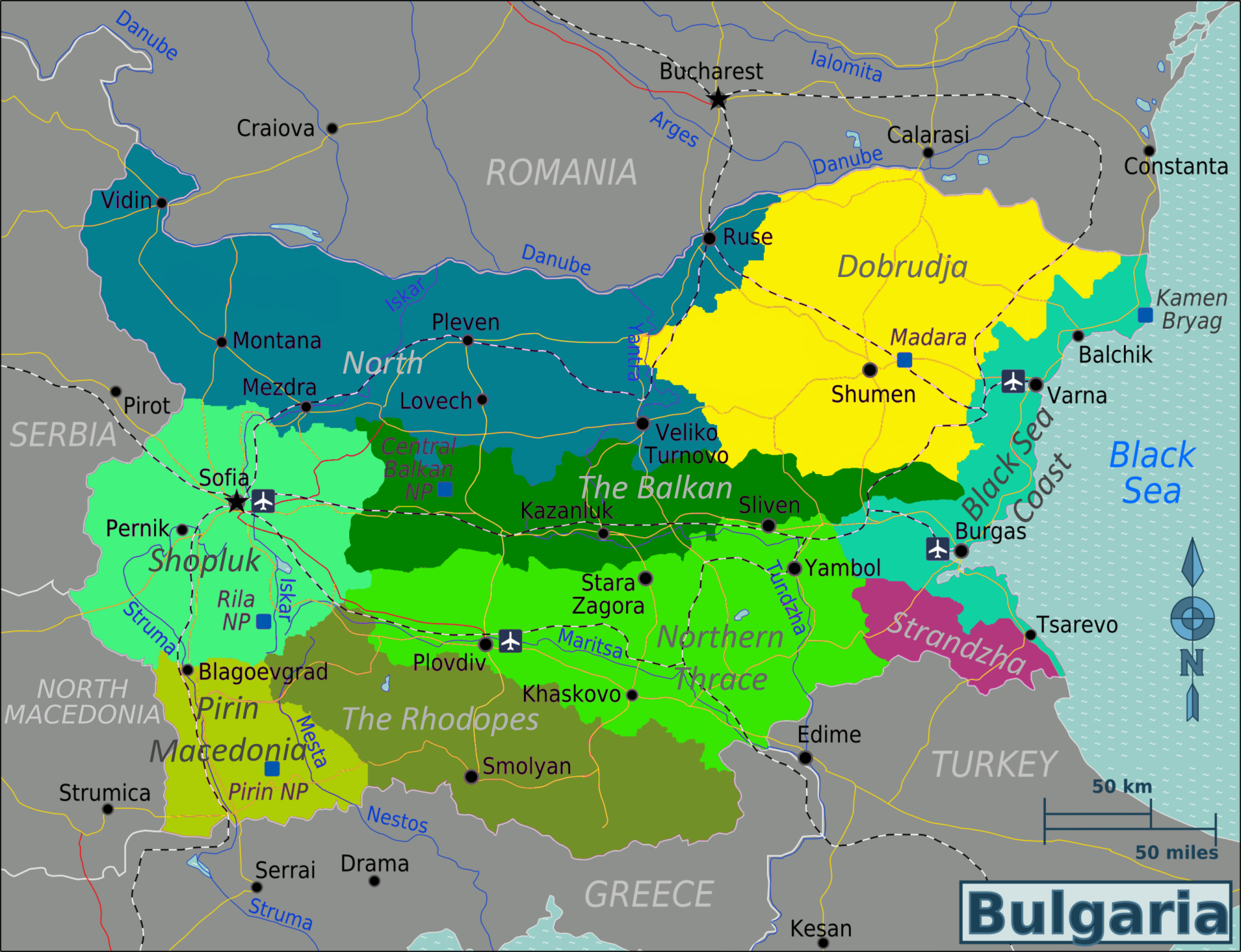
Bulgaria packs a surprising punch for its size. One day you’re standing in an 8,000-year-old city, the next you’re on a Black Sea promenade or looking down from a medieval fortress. I’ve narrowed it to five must-visit cities that show off the country’s range: Sofia, Plovdiv, Varna, Burgas, and Veliko Tarnovo. Each has its own flavor, and I’ll link you to deeper guides so you can dig into the best places to visit in each. You’ll also get the practical side—costs, money-saving moves, and what the vibe actually feels like on the ground.
Top Cities to Visit in Bulgaria
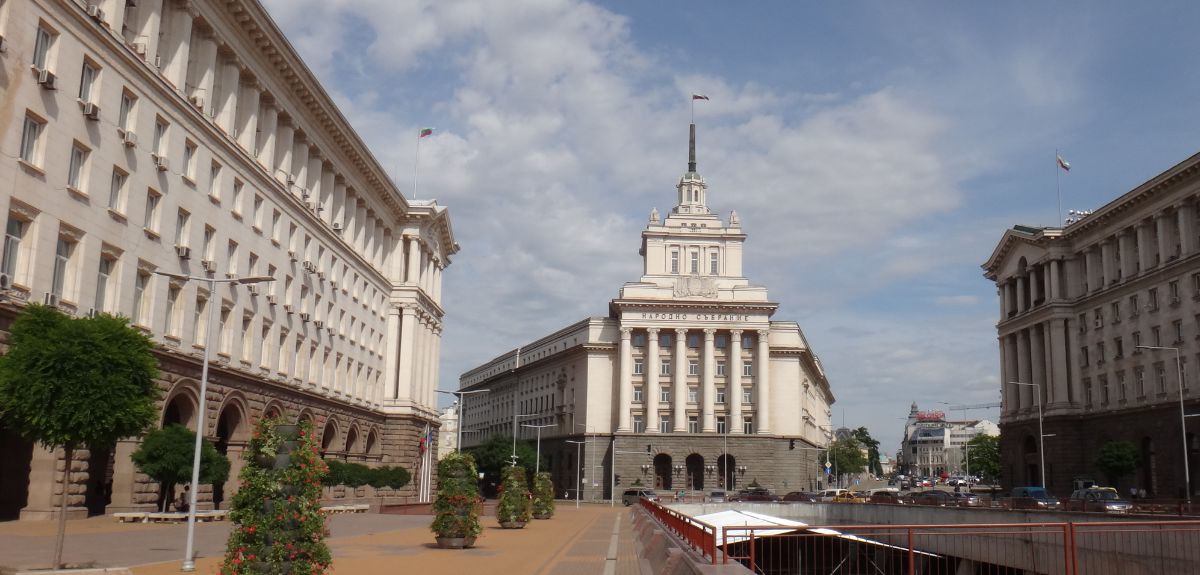
- Sofia: The capital at the foot of Vitosha Mountain, mixing Orthodox cathedrals, Roman ruins under your feet, leafy boulevards, and a growing creative energy.
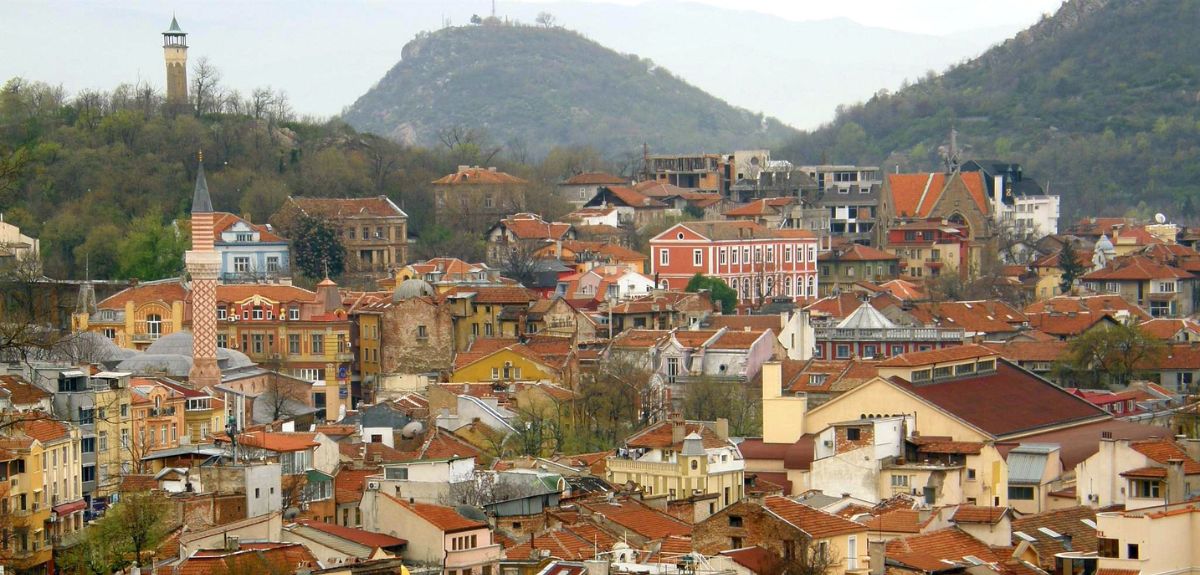
- Plovdiv: Europe’s oldest continuously inhabited city, with a stunning Old Town of Revival houses, a working Roman theatre, and the hip Kapana creative quarter.
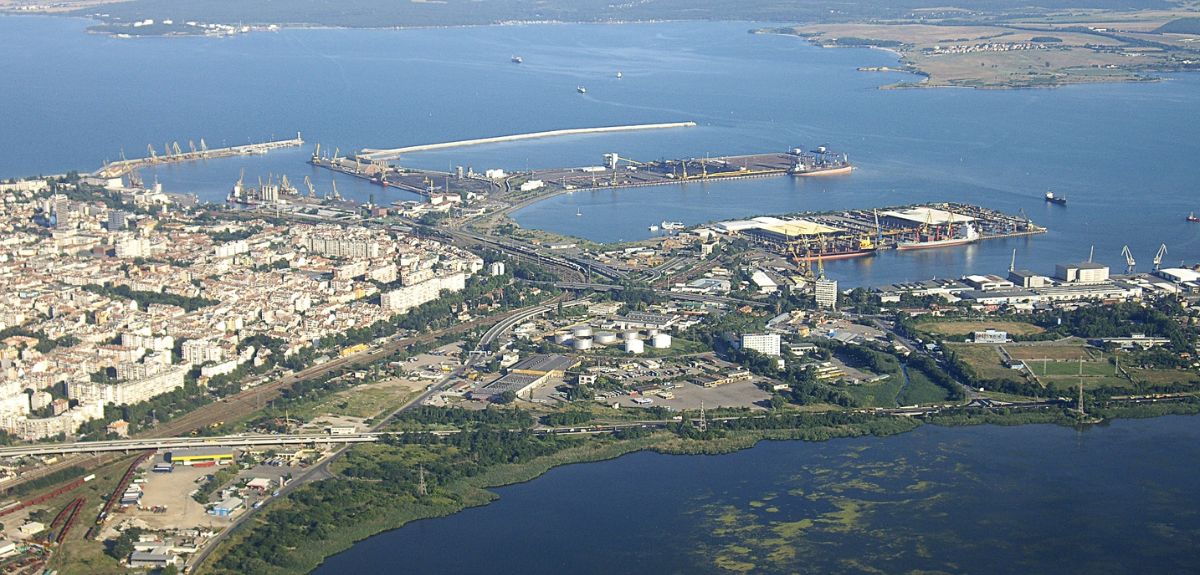
- Varna: The Black Sea’s lively “sea capital,” home to the world’s oldest worked gold, long beach promenades, and a relaxed coastal vibe.
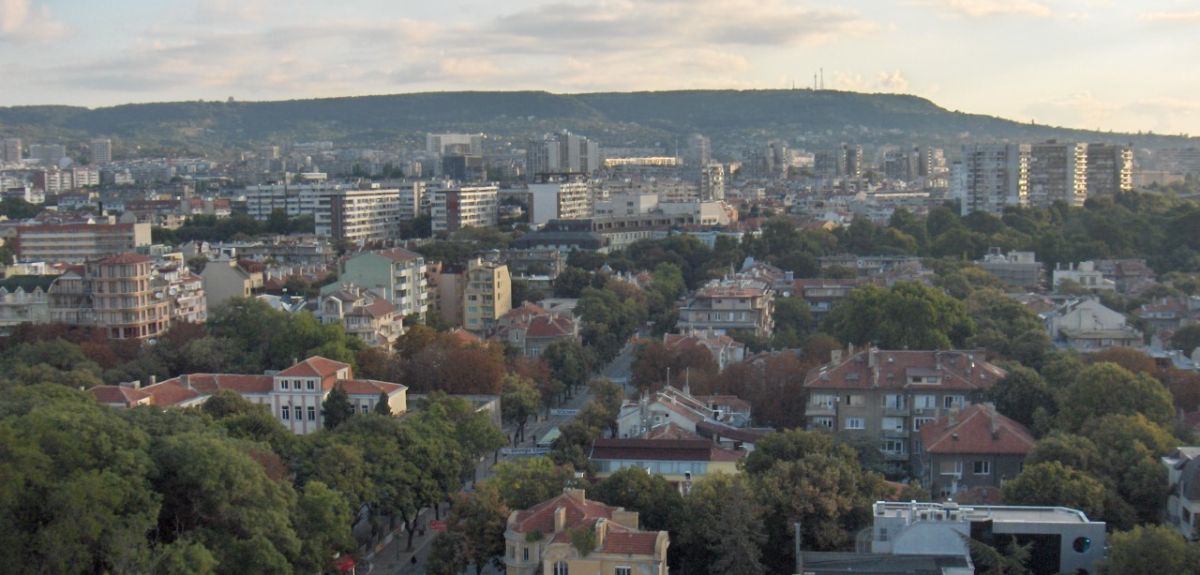
- Burgas: A more low-key seaside city with a beautiful Sea Garden, easy access to beaches and nearby historic towns like Nessebar and Sozopol.
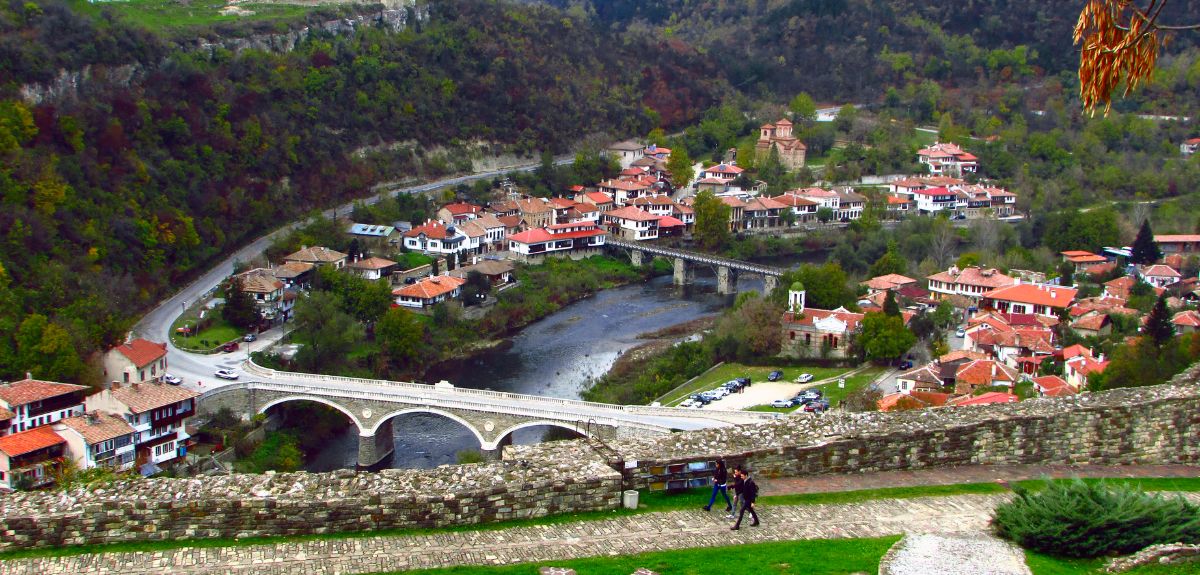
- Veliko Tarnovo: The dramatic former medieval capital, stacked on steep hills around the Yantra River with the towering Tsarevets Fortress and cobbled lanes that feel timeless.
Accommodation – Mid-range hotels or solid guesthouses in cities like Sofia, Plovdiv, or Varna usually run €50–90 per night for a double room with private bathroom and decent location. Hostels are a steal at €12–20 for a dorm bed. Budget private rooms or Airbnb-style stays start around €30–50. Upscale or boutique spots can hit €120–200+, especially on the coast in peak summer (July–August) or in ski season nearby. Shoulder seasons (May–June, September–October) drop prices noticeably.
Food – Bulgaria is one of Europe’s best-value food destinations. A filling meal in a traditional mehana (shopska salad, grilled meat or kebabche, bread, and a drink) often costs €8–15. Street snacks like banitsa (flaky cheese pastry) or mekitsi run €1–3. Coffee is €1.50–3. A solid three-course dinner for two with wine might land around €30–50. Seafood on the coast is excellent and still affordable. Fine dining exists but isn’t necessary—you eat very well without spending much.
Transportation – Public transport is cheap and reliable enough. A single metro or bus ticket in Sofia or Varna is around €0.80–1.20. Intercity buses (Sofia–Plovdiv, Sofia–Varna, etc.) typically cost €8–20 depending on distance and how early you book. Trains are slower but scenic and inexpensive. Taxis or Bolt rides in cities are €5–12 for most trips. Car rental runs €25–40 per day plus fuel. Walking works great in the historic centers.
Activities – Most museums and sites are budget-friendly. Entry to places like the Roman Theatre in Plovdiv, Tsarevets Fortress, or the Varna Archaeological Museum is often €3–8. Alexander Nevsky is free to view from outside (small fee for the interior/crypt if you want). Day trips or guided walks range €20–50. Many parks, promenades, and viewpoints cost nothing.
Bulgaria has this understated magnetism. History is everywhere—Roman theatres still used for concerts, Thracian gold older than the pyramids, Ottoman layers, National Revival houses, and communist-era concrete that somehow fits. The people are straightforward and welcoming once you engage. English is common in tourist areas and among younger folks, but a few words of Bulgarian (“zdravey,” “blagodarya,” “molya”) go a long way and usually get a smile.
Expect contrast. Sofia feels like a real capital with mountain backdrop and nightlife. Plovdiv is more intimate and artistic, with that perfect mix of ancient stones and modern cafés. Varna and Burgas give you Black Sea energy—beaches, promenades, seafood, and a summer buzz that can be lively without the extreme package-tourist intensity of some neighboring resorts. Veliko Tarnovo is pure drama: steep streets, fortress walls, and river views that feel cinematic, especially at sunset or during the sound-and-light show in summer.
Weather varies by region and season. Summers are hot inland (often 85–95°F / 30–35°C in July–August) and pleasant on the coast. Spring and fall are ideal for cities and hiking (60–75°F / 15–25°C). Winters are colder inland with snow in the mountains; the coast stays milder. Pack layers and a light rain jacket for shoulder months.
Safety is solid for travelers. Violent crime against visitors is rare. The usual watch-outs apply: pickpockets in crowded spots or on public transport in Sofia and busy summer beaches, and the classic airport taxi overcharge (use the metro or a reputable app/taxi company instead). I’ve walked cities at night without issues, but normal big-city awareness is smart. Roads are fine; parking in old centers can be tight, so public transport or walking wins most of the time.
Culture shows up in the late dinners, the pride in local food and wine, the Orthodox churches, and the easy mix of old and new. Nodding and head-shaking can feel reversed at first (yes/no signals differ from much of the West), so pay attention. Overall the pace is relaxed compared to Western Europe, and the value is hard to beat.
Bulgaria rewards curiosity. You’ll find yourself lingering longer than planned—whether it’s over a cold beer after climbing fortress walls, watching the light change over Plovdiv’s hills, or just sitting in a Sea Garden as the evening cools. Grab the interactive maps and detailed city guides for Sofia, Plovdiv, Varna, Burgas, and Veliko Tarnovo, and start mapping your route. Explore cities, plan smart, travel better.