Get Inspired

Itineraries

Travel Guides

About Me

Top

Croatia

Best Cities to Visit in Croatia

If you’re dreaming of a trip to Croatia, you’re in for a treat. I’ve spent a ton of time wandering this stunning country, hopping between sun-soaked islands, wandering medieval walls, and eating more fresh seafood and grilled meats than I care to admit. Croatia’s got it all—dramatic Adriatic coastline, living history in Roman palaces and fortress towns, crystal-clear water that looks almost fake, and a relaxed vibe that somehow still feels alive. Whether you’re chasing Game of Thrones vibes, island-hopping, cafe culture, or just that perfect mix of history and beach days, Croatia’s cities deliver. Let me walk you through my top picks for the best cities to visit, with practical tips and a bit of my own experience so you can plan smart and travel better.

Croatia hits you with contrast in the best way. One day you’re walking the massive walls of Dubrovnik with the sea on one side and terracotta roofs on the other. The next you’re exploring a Roman emperor’s palace that people still live in, or watching the waves play music in Zadar. I’ve narrowed it down to five must-visit spots that give you a real taste of the country: Dubrovnik, Split, Zagreb, Zadar, and Hvar Town. Each one has its own personality, and I’ll link you to detailed guides so you can dig deeper. Plus I’ve got the practical stuff covered—costs, money-saving hacks, and what everyday life on the ground actually feels like.

Top Cities to Visit in Croatia

  • Dubrovnik: The Pearl of the Adriatic—walk the famous city walls for unreal views, explore the polished limestone streets of the Old Town, and take the cable car up Mount Srđ for the full panorama.
  • Split: Croatia’s second city and a living museum. Diocletian’s Palace isn’t a fenced-off ruin—people live, eat, and hang laundry inside 1,700-year-old walls. Perfect base for island ferries too.
  • Zagreb: The capital with a completely different energy—Austro-Hungarian architecture, quirky museums (Museum of Broken Relationships is a must), strong coffee culture, and green spaces. Great for a slower, more local pace.
  • Zadar: Underrated coastal gem with Roman ruins, a sea organ that turns waves into music, and some of the best sunsets on the Adriatic. Excellent base for national parks.
  • Hvar Town: Glamorous island capital with a lively harbor, historic fortress views, lavender fields nearby, and easy access to the Pakleni Islands for swimming and boat days.

THINGS TO SEE AND DO IN CROATIA

City Walls & Old Town, Dubrovnik
Diocletian’s Palace, Split
Sea Organ & Sun Salutation, Zadar
Fortress and harbor views, Hvar Town
Museum of Broken Relationships & Upper Town, Zagreb
Cable car to Mount Srđ, Dubrovnik
Marjan Hill & Riva promenade, Split
Day trips to Krka or Plitvice Lakes National Parks
Island-hopping by catamaran or ferry

TYPICAL COSTS WHEN TRAVELLING

Accommodation – Mid-range hotels or apartments in places like Split or Zadar usually run $90–180 USD per night for a double in shoulder season, higher in peak July–August (especially Dubrovnik and Hvar Town). Hostels/dorms sit around $25–45 USD. Budget private rooms or simple Airbnbs start around $50–90 USD. Luxury or sea-view boutique spots easily hit $200–400+ USD in high season. Booking early or coming in May–June or September saves real money.

Food – You can eat really well without breaking the bank. A solid meal in a konoba (traditional tavern) runs $15–30 USD per person. Pizza, pasta, or grilled fish is often $12–25 USD. Coffee is $2–4 USD. Breakfast at a bakery (burek, pastries) is cheap—$3–6 USD. Fine dining or waterfront tourist spots push higher, especially in Dubrovnik and Hvar. Daily lunch specials and local spots away from the main squares keep costs down.

Transportation – Buses between cities are reliable and affordable ($15–30 USD for common routes like Split–Dubrovnik or Split–Zadar). Catamarans/ferries to islands (Split–Hvar is a classic) usually cost $15–45 USD one way depending on the boat and season. City buses are cheap ($1–3 USD). Uber/Bolt or taxis for short city rides run $8–20 USD. Car rental is $30–60 USD per day plus gas and tolls; useful for national parks but parking in old towns can be painful. Trains are limited compared to buses.

Activities – Dubrovnik City Walls are around $40–45 USD for adults in peak season (kids cheaper; often better value with the Dubrovnik Pass that includes museums and buses). Many churches, squares, and viewpoints are free. National parks like Plitvice or Krka run roughly $25–45 USD in high season (cheaper in shoulder months). Boat trips, kayaking, or fortress climbs are typically $20–60 USD. Walking and swimming are free and excellent.

Croatia Regions Map
Credit: Wikimedia Commons

Suggested daily budget – Around 90–140 EUR / $100–155 USD per person for a comfortable mid-range trip (mid-range room, mix of restaurant and simpler meals, public transport/ferries, a couple of paid sights). Splurge a bit more for sea views or nicer dinners and you’re looking at 160–220+ EUR / $175–240 USD. Tight budget travelers can manage closer to 55–80 EUR / $60–90 USD with hostels, self-catering, and free sights.

MONEY SAVING TIPS

1
Travel in shoulder season May–June and September give you warm weather, swimming, fewer crowds, and noticeably lower accommodation and ferry prices than July–August.
2
Eat like a local Skip the waterfront tourist traps. Walk a street or two inland for konobas serving grilled fish, pašticada, or daily specials at better prices. Bakeries and markets are your friends for cheap, filling breakfasts and lunches.
3
Use buses and foot-passenger ferries They’re efficient and cheap. Rent a car only for specific days (national parks). In cities, walk the old towns—most are compact.
4
Stay one street back from the seafront Especially in Dubrovnik, Split, and Hvar Town. You still get easy access but pay less for the room.

WHAT CAN I EXPECT FROM CROATIA?

Croatia has this magnetic mix of drama and ease. The coastline is pure postcard—steep hills dropping into turquoise water, islands everywhere, and towns that feel both ancient and lived-in. History isn’t behind glass here. In Split you’re literally walking through a Roman palace that became a city. Dubrovnik’s walls feel like a movie set because they basically are. Zagreb gives you Central European cafe culture and quirky museums. Zadar surprises with its sea organ and chill vibe. Hvar brings the glamour and the beaches.

Expect a Mediterranean pace mixed with real energy in summer. Meals happen later (especially dinner). Coffee is a sit-down ritual, not a grab-and-go thing. Locals can seem reserved at first but warm up quickly—learning a few words (hvala for thank you, dobar dan for good day) goes a long way. English is widely spoken in tourist areas. The currency is the euro. Cards are accepted almost everywhere, but keep a little cash for smaller places, markets, and tips. Tipping is appreciated but not American-style—round up or leave around 10% for good restaurant service; cash is still preferred for tips.

  • Perched majestically above the shimmering Adriatic, Dubrovnik is a city that feels less like a destination and more like a golden dream etched in limestone and history. As the sun dips below the horizon, casting a warm glow over the

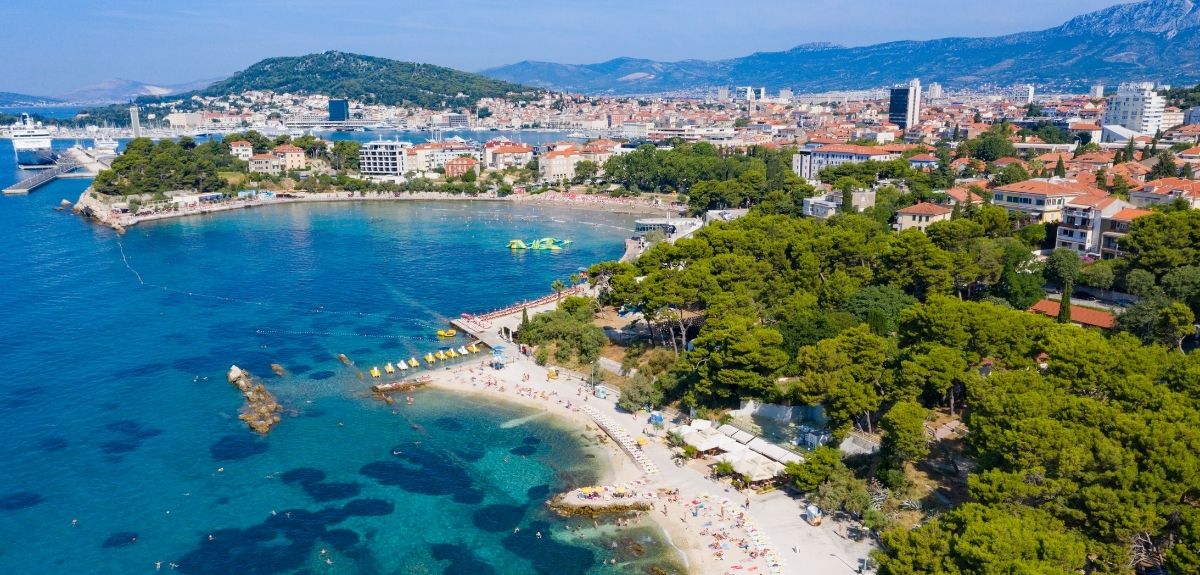
  • Washed by the shimmering turquoise of the Adriatic Sea, Split is a sun-drenched masterpiece where ancient Roman history effortlessly meets modern Mediterranean glamour. To wander through its ivory-colored streets is to step into a living museum, where the scent of

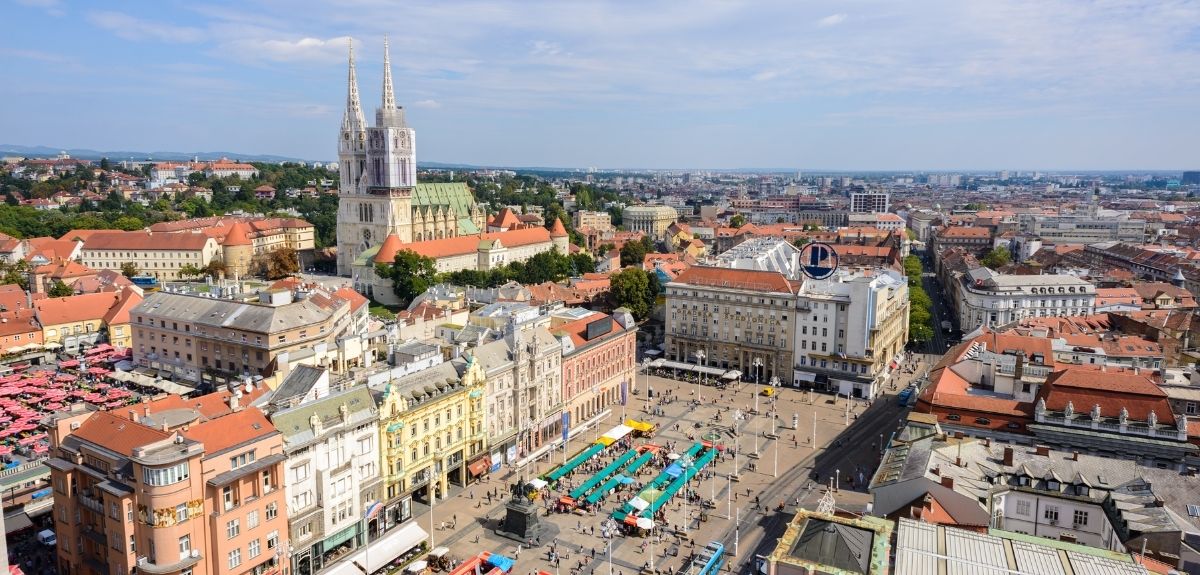
  • Basking in the sophisticated glow of Central Europe, Zagreb reveals itself as a city of dualities, where Austro-Hungarian grandeur meets a quirky, contemporary soul. To wander through the Upper Town at twilight is to step into a living fairytale, where

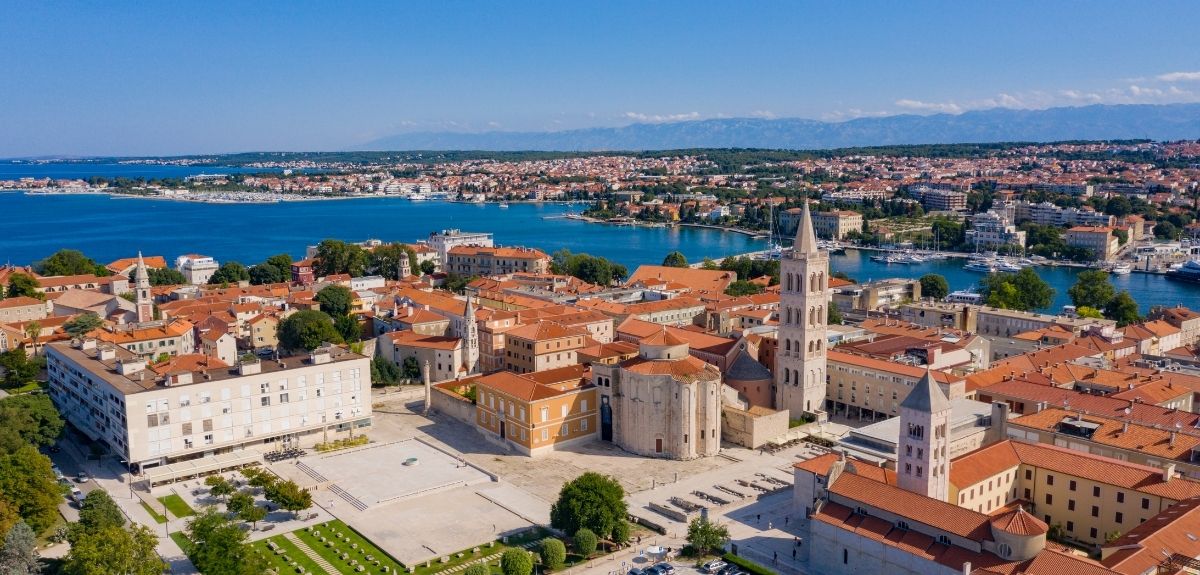
  • Perched on the edge of the crystal-clear Adriatic, Zadar is a city where ancient Roman ruins and avant-garde art installations harmonize under the golden glow of the world's most beautiful sunset. It is a coastal treasure that beckons travelers to

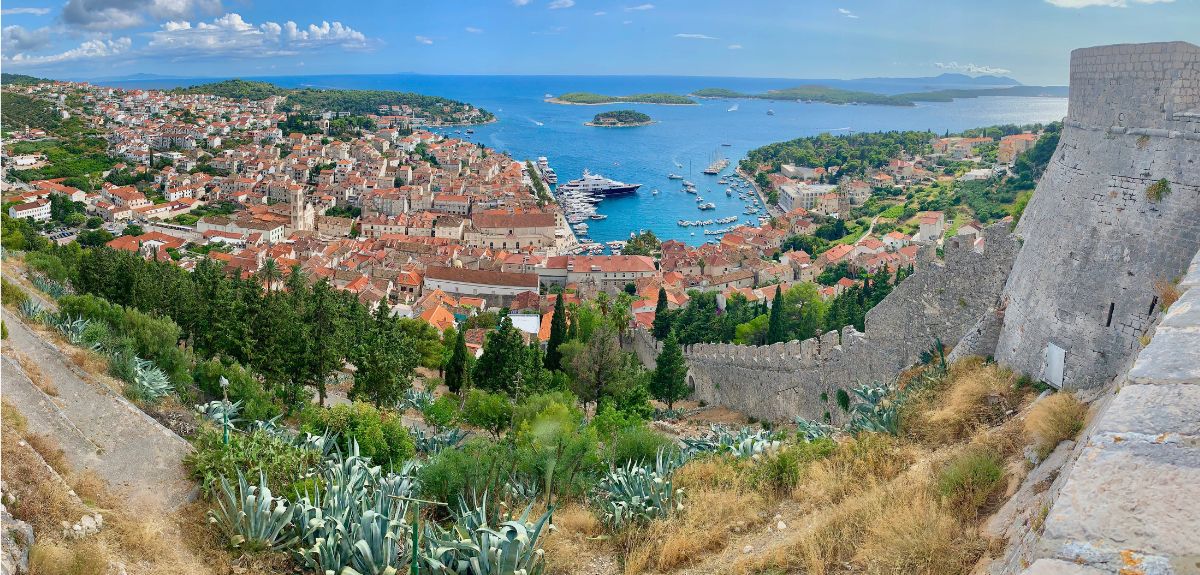
  • Basking under the golden Adriatic sun, Hvar Town reveals itself as a sun-drenched sanctuary where ancient stone walls meet the sleek hulls of superyachts. This Mediterranean jewel is a masterclass in coastal elegance, where the scent of wild lavender drifts

Weather is a big draw. Summers are hot and dry along the coast (often 80–95°F / 27–35°C in July–August). Spring and fall are ideal for sightseeing and swimming (60s–80s°F). Winters are mild on the coast but cooler inland. The sea stays swimmable well into fall in the south. Safety is generally excellent—violent crime is rare. Watch for pickpockets in crowded spots like Dubrovnik’s Old Town or busy ferry terminals, same as any popular European destination. Public transport is solid, and the ferry network makes island-hopping straightforward.

Croatia rewards people who dig a little beyond the Instagram shots. Yes, Dubrovnik can feel crowded in peak season—go early or late. Yes, prices have risen in the hotspots. But step into a side street, catch a local sunset in Zadar, or just sit on the Riva in Split with a coffee and you’ll feel why so many people fall hard for this place. The combination of history, water, food, and easy logistics is hard to beat.

Grab our interactive maps and detailed guides for Dubrovnik, Split, Zagreb, Zadar, and Hvar Town and start mapping it out. Explore cities, plan smart, travel better.

0

post a comment