If you’re dreaming of a trip to Mexico, you’re in for a treat. I’ve spent a ton of time wandering this vibrant country, soaking up its colorful streets, chasing tacos and mezcal, and getting lost in its layered history. Mexico’s got it all—electric megacities, colonial charmers, beach towns with real soul, and a culture that’s as warm as its sun. Whether you’re a foodie, a history nerd, or just chasing that perfect sunset shot, Mexico’s cities deliver. Let me take you through my top picks for the best cities to visit, complete with practical tips and a sprinkle of my own adventures to help you plan smart and travel better.
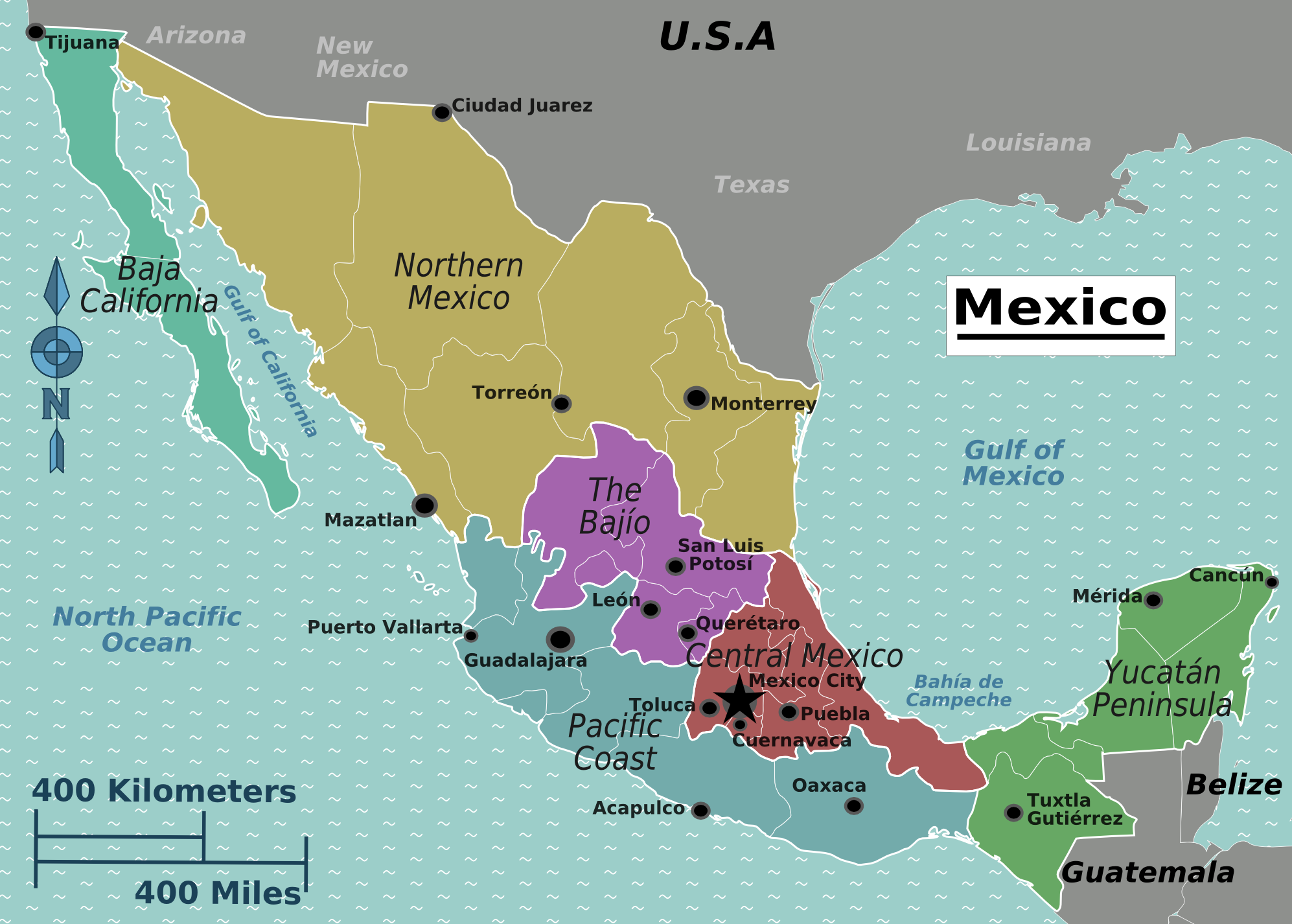
Mexico is a country that hits all the senses. From the chaotic energy of Mexico City’s markets and street food stalls to the quiet cobblestone magic of San Miguel de Allende, every place has its own vibe. I’ve narrowed it down to five must-visit cities that’ll give you a real taste of Mexico’s diversity: Mexico City (CDMX), Oaxaca, San Miguel de Allende, Mérida, and Puerto Vallarta. Each one’s got its own flavor, and I’ll link you to detailed guides so you can dig deeper into what makes them special. Plus, I’ve got you covered with practical stuff like costs, money-saving hacks, and what to expect when you’re wandering Mexico’s streets.
Top Cities to Visit in Mexico
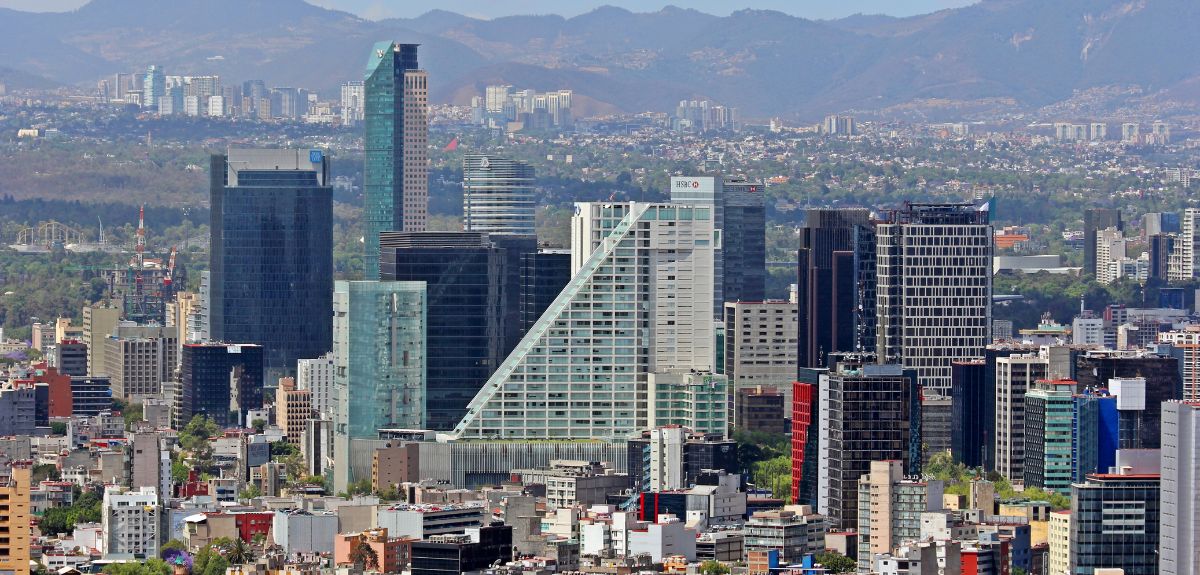
- Mexico City (CDMX): A massive, electric capital blending ancient Aztec ruins, world-class museums, and unbeatable street food scenes in trendy neighborhoods like Roma and Condesa.
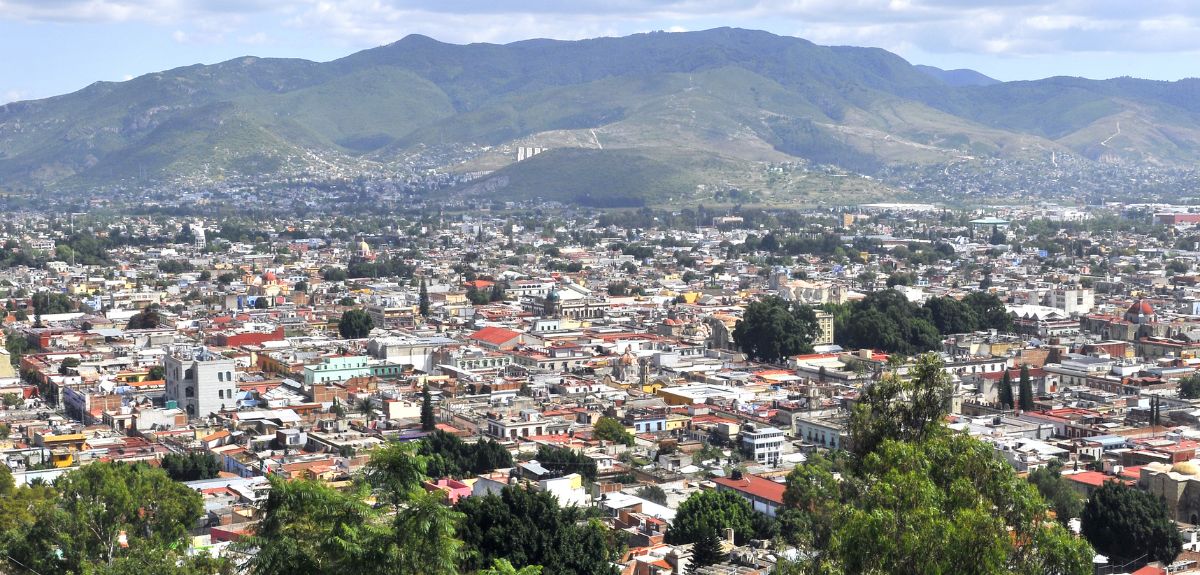
- Oaxaca: The ultimate foodie and culture haven with vibrant indigenous markets, mole masterpieces, mezcal distilleries, and nearby ancient Zapotec sites.
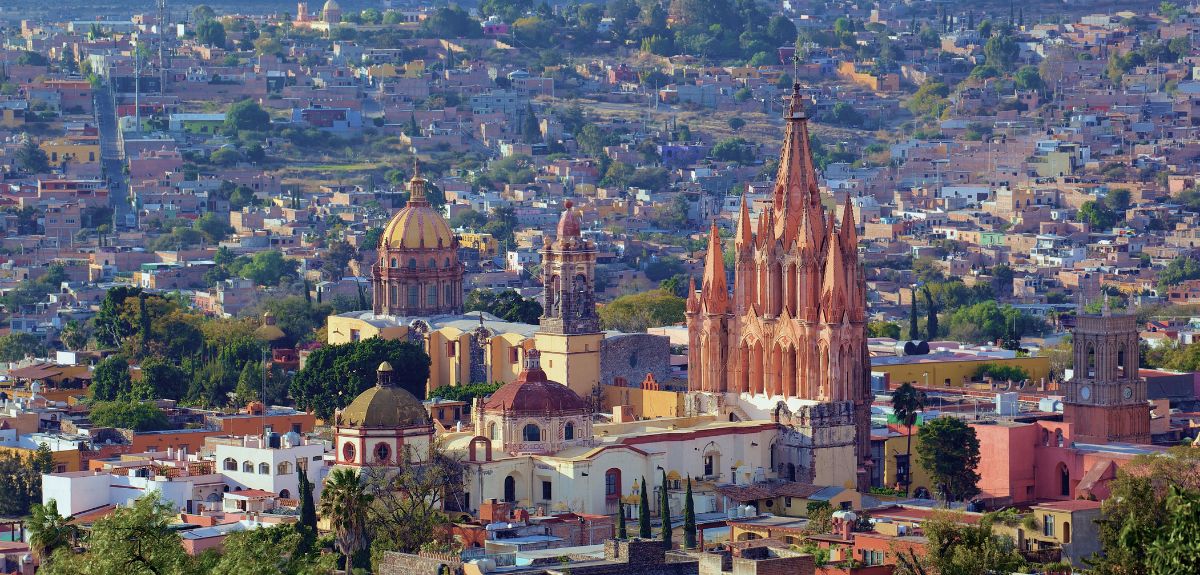
- San Miguel de Allende: A picture-perfect colonial gem with pink stone churches, thriving art galleries, rooftop bars, and that romantic, walkable charm.
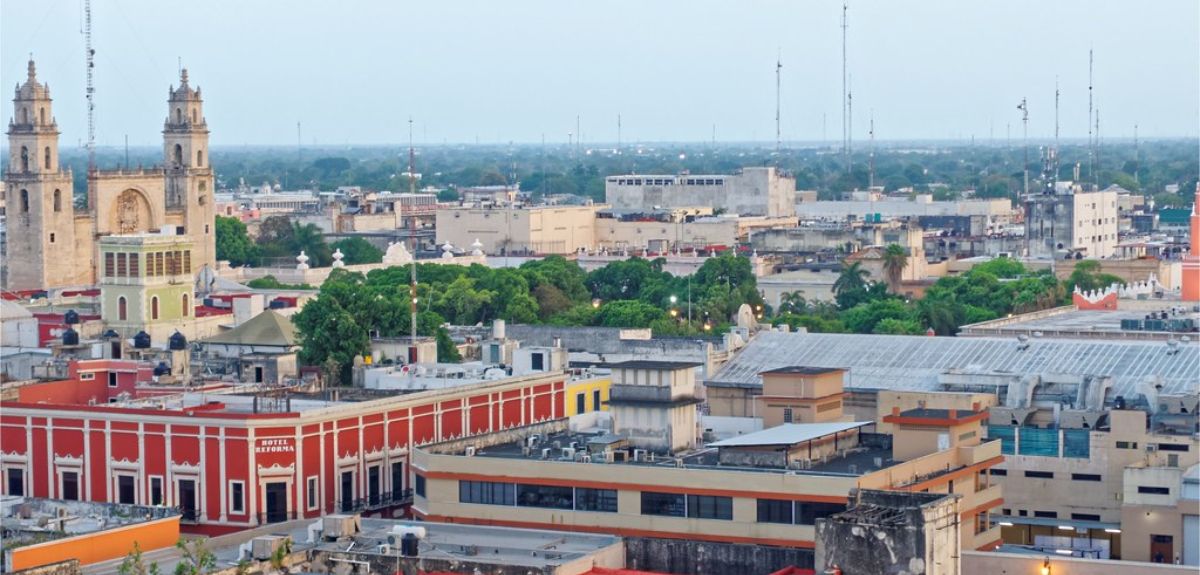
- Mérida: Yucatán’s cultured heart—safe, walkable, with grand plazas, Mayan history, and easy access to cenotes and Chichén Itzá.
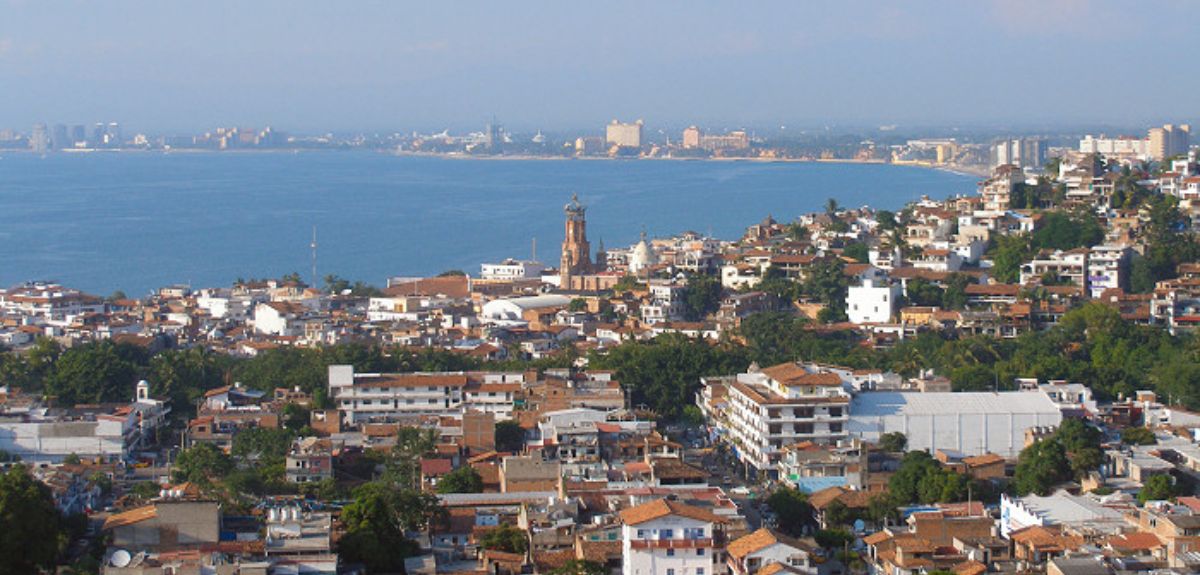
- Puerto Vallarta: A lively Pacific beach city with a classic Malecón boardwalk, good food, sunsets, and a friendly vibe that balances resorts with real town energy.
Accommodation – Mid-range hotels or boutique stays in popular spots (comfortable rooms, private bathrooms, solid locations) run about $60–120 USD per night for a double room. Hostels or simple budget places are $15–40 USD for a dorm or basic private, while nicer Airbnbs or boutique hotels often sit around $50–90 USD. Upscale resorts or high-end stays (especially in Puerto Vallarta) can hit $150–250+ USD, particularly in peak season. Booking ahead or traveling in shoulder months (roughly April–May or September–November, depending on the region) usually helps.
Transportation – Domestic flights (Volaris, Viva Aerobus, etc.) between major cities often cost $40–100+ USD one way if you book ahead. First-class buses (ADO and similar) are comfortable and cheaper for many routes—think $25–50 USD for popular legs like Mexico City to Oaxaca. Inside cities, metro and local buses in CDMX are ridiculously cheap (around $0.30 USD per ride). Uber and DiDi work well in the bigger places and are usually $3–10 USD for short trips. Colectivos (shared vans) are even cheaper for day trips. Renting a car is doable but parking and traffic in old centers can be a headache—public options cover most tourist needs.
Activities – Many big sights are affordable. Entry to major museums or ruins often falls in the $5–20 USD range (Teotihuacán, Monte Albán, Anthropology Museum, etc.). Cenotes near Mérida are typically a few dollars to $15 USD. Guided day trips, mezcal tours, or boat outings can run $30–70 USD depending on what’s included. Free walking tours (tip-based) exist in most of these cities and are a solid starting point.
Mexico has this magnetic energy that pulls you in. It’s a place where ancient history and modern life crash together in the best way—think Aztec and Mayan ruins next to contemporary art and world-class restaurants, or colonial plazas that still feel very much alive with everyday Mexican life. The people are generally warm and welcoming, the streets (especially in the evenings) often buzz with life, and there’s almost always something to celebrate or taste.
Expect a mix of high energy and slower rhythms depending on where you are. Mexico City is a full-on megacity with traffic, density, and incredible neighborhoods once you get past the surface. Oaxaca feels more intimate and food-obsessed, with strong indigenous roots and great day-trip options. San Miguel de Allende is polished, romantic, and very walkable—pretty much Instagram-ready colonial architecture with a big creative and expat scene. Mérida is one of the safest and most pleasant big cities in the country: hot, cultural, and a perfect base for cenotes and ruins. Puerto Vallarta gives you beach town energy with a proper malecón, good food, and enough nightlife without losing all local character.
Weather varies a lot by region. The highlands (Mexico City, Oaxaca, San Miguel) are milder, with cooler nights especially in winter. The Yucatán (Mérida) and Pacific coast (Puerto Vallarta) run hotter and more humid; rainy season is roughly May–October in many areas, with hurricane season affecting coasts. Dry season (roughly November–April) is the most popular for most of these spots.
Locals are friendly, and basic Spanish phrases go a long way (“hola,” “gracias,” “cuánto cuesta,” “una cerveza, por favor”). English is widely spoken in tourist areas and higher-end spots, less so in everyday markets. Safety is a real consideration but highly location-specific. The tourist cores of these five cities are generally fine for visitors who use normal big-city awareness: stick to well-trafficked areas at night, use Uber/DiDi instead of random street taxis when possible, watch belongings in crowded spots, and skip isolated or poorly lit areas after dark. Mérida consistently ranks among the safest large cities in the country. Mexico City’s popular neighborhoods (Roma, Condesa, Polanco, Coyoacán, Centro Histórico) are well-traveled and manageable with common sense.
Culture is the heartbeat. Late dinners are normal in many places, plazas fill up in the evenings, and food is taken seriously everywhere. You’ll feel the warmth in casual interactions, the pride in local traditions, and the pure pleasure of sitting somewhere with a cold drink watching the world go by. Whether you’re eating tacos at a street stand, staring up at a pyramid, or watching the sunset from Puerto Vallarta’s malecón, Mexico has a way of making ordinary moments feel special.
So grab our interactive maps and detailed city guides for Mexico City, Oaxaca, San Miguel de Allende, Mérida, and Puerto Vallarta, and start planning your adventure. Explore cities, plan smart, travel better.