



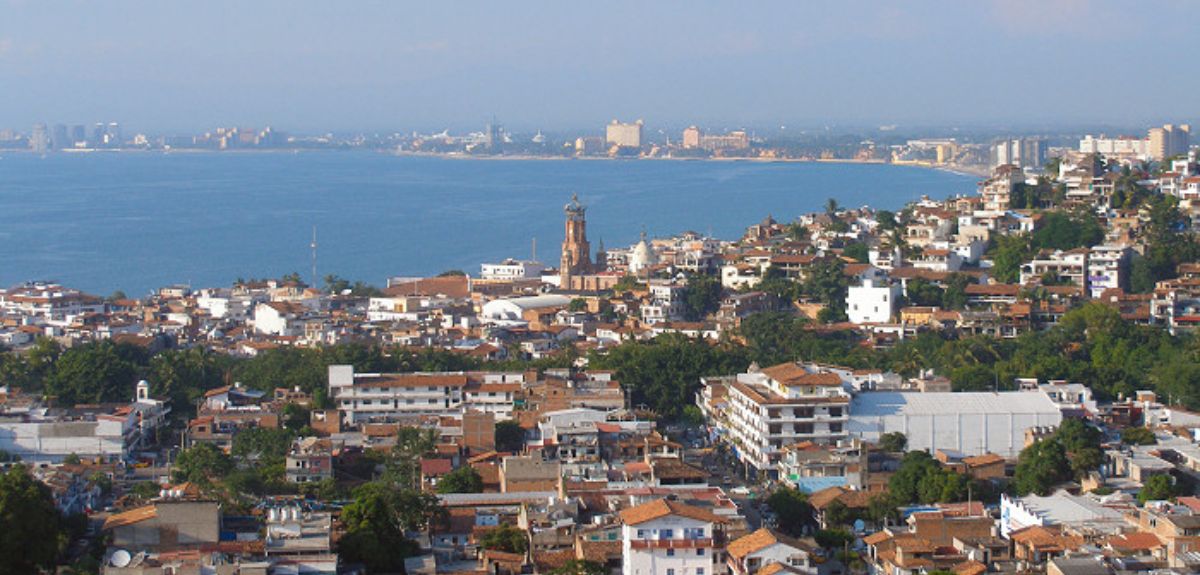
Puerto Vallarta sits where the Sierra Madre mountains drop straight into the Pacific, giving this Jalisco beach city a backdrop most coastal resorts can’t match. Cobblestone streets and a whitewashed church with a wrought-iron crown anchor the old town, while a scenic bay stretches out toward jungle-covered coves reachable only by boat. It’s a beach destination with real depth: genuine Mexican culture in the historic center, dramatic scenery just beyond it, and enough variety to fill a week without repeating a day.
Why Visit Puerto Vallarta?
Whether you’ve come for the beaches, the mountains, or the town’s genuine colonial character, Puerto Vallarta offers a rare mix of resort comfort and authentic Mexican charm:
- The Malecón: Walk this mile-long oceanfront boardwalk lined with bronze sculptures, restaurants, and nightly sunset crowds gathered to watch the sky turn orange over the bay.
- Los Arcos National Marine Park: Snorkel or dive around dramatic granite arches and sea caves just south of the city, home to parrotfish, rays, and nesting seabirds.
- Yelapa: Take a boat to a car-free jungle village reachable only by water, with a laid-back beach and a waterfall hike just inland.
- Our Lady of Guadalupe Church: See the crown-topped tower that has become Puerto Vallarta’s defining landmark, visible across much of the old town skyline.
- Sayulita: Head north to this colorful surf town, known for beginner-friendly waves, a lively plaza, and some of the region’s best street tacos.
Puerto Vallarta rewards travelers who split their time between the beach chair and the boat dock, since the city’s real draw is how much dramatic coastline and jungle sit within such easy reach of a comfortable, walkable town.
PUERTO VALLARTA KEY INFO
Everything you need to hit the ground running.
WHEN TO VISIT
November to April for dry, warm weather and calm seas; avoid September, the peak of hurricane season on this coast
HOW TO GET THERE
Fly into Puerto Vallarta International Airport (PVR). It’s a 15-20 minute taxi ride to the historic center (~MXN 250-350).
HOW TO GET AROUND
Walk within the Malecón and Zona Romántica, and use taxis, water taxis, or local buses for beaches and villages further along the bay.
IDEAL TRIP LENGTH
4-5 days for the city and its closest beaches, but 6-7 days if you want to add Yelapa, Sayulita, and other bay-area day trips without rushing.
What is Puerto Vallarta Mainly Known For?
Puerto Vallarta is known as one of Mexico’s most established beach resort destinations, set on the wide, mountain-ringed Bay of Banderas on the Pacific coast. It’s also known for retaining a genuinely walkable, cobblestone-street colonial core, unlike many purpose-built resort towns, with the crown-topped Our Lady of Guadalupe Church serving as its most recognizable symbol. Beyond the beaches, the city has a long-standing reputation as one of Mexico’s most LGBTQ-friendly destinations, with a vibrant scene concentrated in the Zona Romántica.
Is Puerto Vallarta a Walkable City?
Yes, within its core neighborhoods. The Malecón, Zona Romántica, and the streets around Isla Cuale are all dense, pedestrian-friendly, and connected along the waterfront. Beaches and villages further along the bay, like Yelapa or the northern Riviera Nayarit towns, require a taxi, bus, or boat.
Is it safe to walk in Puerto Vallarta? Yes, generally, both in the Malecón area and the Zona Romántica, including in the evening. As anywhere, use standard travel caution and keep an eye on belongings in crowded tourist areas.
What Is the Best Neighborhood to Walk Around?
The Zona Romántica (Old Town) is the standout, with narrow cobblestone streets, a strong LGBTQ-friendly scene, and easy access to Playa de los Muertos. For a different pace, the Malecón itself offers a long, flat oceanfront walk connecting downtown to the northern hotel zone, dotted with public art the entire way.
What Are the Best Things to Do in Puerto Vallarta? (For Your First Visit)
I split my time between the old town’s walkable core and boat trips out to quieter coves, treating each day trip as its own outing rather than trying to see the whole bay at once. Here’s what stood out:
The Malecón
This mile-long oceanfront boardwalk runs along the heart of downtown, lined with bronze sculptures, open-air restaurants, and street performers who gather most evenings. It’s the social spine of the city and the default spot for watching the sunset over Banderas Bay. Price: Free to walk. Pro tip: Walk the full length at least once after dark, when many of the sculptures and fountains are lit and the street food stalls come alive. Check availability and explore popular experiences.
Our Lady of Guadalupe Church
Built between 1930 and 1940, this church’s crown-topped bell tower has become Puerto Vallarta’s most recognizable symbol, visible from much of the old town. The current crown, rebuilt in 2009 after the original was damaged by a 1995 earthquake, is topped with a glass globe and cross. Price: Free to enter. Pro tip: Get the classic photo of the crown framed against the sky from the streets just south of the church, where the tower rises above the surrounding rooftops. Check availability and explore popular experiences.

Los Arcos National Marine Park
About 20 minutes south of downtown by boat, this cluster of granite islets has been a protected marine park since 1984, with arches, caves, and tunnels carved by the sea over centuries. The surrounding waters, among the deepest in the bay, draw snorkelers and divers for their visibility and marine life. Price: ~MXN 800-1,500 for a shared snorkeling tour, more for private charters. Pro tip: Book a morning tour for the calmest water and best underwater visibility before afternoon winds pick up. Check availability and explore popular experiences.

Playa de los Muertos
Puerto Vallarta’s most popular beach stretches along the Zona Romántica, backed by restaurants, beach clubs, and a lively pier at its northern end. Despite the name (Beach of the Dead, tied to a centuries-old shipwreck legend), it’s the city’s most social, beach-club-lined stretch of sand. Price: Free to access; beach club loungers and food cost extra. Pro tip: Walk to the southern end near El Púlpito for a quieter stretch with fewer vendors and beach clubs. Check availability and explore popular experiences.

Isla Cuale
This narrow island splits the Cuale River as it flows through downtown, connected to both banks by pedestrian bridges and packed with art galleries, restaurants, and a small cultural museum. It’s a shaded, relaxed break from the beach crowds a short walk from the Malecón. Price: Free to walk. Pro tip: Cross via the hanging Puente Colgante footbridge on the island’s western end for a different, more scenic route than the main road bridges. Check availability and explore popular experiences.

Yelapa
Reachable only by boat from Puerto Vallarta or Boca de Tomatlán, this small fishing village at the southern end of the bay has no roads for cars, just footpaths winding between palapa restaurants and a laid-back beach. A short hike inland leads to a jungle waterfall. Price: ~MXN 400-600 round-trip water taxi. Pro tip: Take an early boat out and a late one back to maximize beach and waterfall time before the day-tripper crowds arrive and depart. Check availability and explore popular experiences.
Sayulita
About an hour north in neighboring Nayarit state, this former fishing village has grown into one of Mexico’s most popular surf towns, with a lively central plaza, colorful streets, and a beach known for gentle, beginner-friendly waves. Price: Free to visit; surf lessons run ~MXN 500-800. Pro tip: Rent a board or take a lesson early in the morning when the wind is calmest, then spend the afternoon in the plaza’s cafes and shops. Check availability and explore popular experiences.
Marina Vallarta
This planned marina district north of downtown holds hundreds of yachts and charter boats along a long waterfront promenade, with restaurants, shops, and an 18-hole golf course rounding out the area. It’s a polished, quieter contrast to the busier Malecón and Zona Romántica. Price: Free to walk the boardwalk. Pro tip: Book a sunset dinner cruise or charter fishing trip directly from the marina rather than through a third-party reseller downtown, often for a better price. Check availability and explore popular experiences.
.jpg)
Must-Do Activities in Puerto Vallarta
To really get the most out of your trip, I recommend checking out these experiences:
No products were found!
What Part of Puerto Vallarta is Best for Tourists?
Stay in the Zona Romántica for easy walking access to Playa de los Muertos, Isla Cuale, and the city’s best restaurant and nightlife scene. Travelers who prefer a quieter, more resort-focused stay sometimes base themselves in the Marina Vallarta or Nuevo Vallarta area instead, trading walkability for larger hotels and calmer beaches.
What to Know Before Going to Puerto Vallarta
- Stick to Bottled Water: Tap water isn’t recommended for visitors; stick to bottled water throughout your stay.
- Cobblestones Call for Sturdy Shoes: The Zona Romántica and old town streets are uneven cobblestone; leave the flimsy sandals at home.
- Hurricane Season Runs June to November: Late summer and early fall bring the highest storm risk on this coast; check forecasts if traveling during this window.
- Negotiate Water Taxi Fares: Boat prices to Yelapa and other coves aren’t fixed; confirm the round-trip price before boarding.
- Tipping is Expected: Tipping 10-15% at restaurants and for services is standard and appreciated.
How Many Days Do I Need in Puerto Vallarta?
4 to 5 days covers the city and its closest beaches comfortably, with extra time well spent on outlying villages.
- Day 1: The Malecón, Our Lady of Guadalupe Church, and Isla Cuale, with an evening in the Zona Romántica.
- Day 2: Playa de los Muertos beach day, with an afternoon walk to Marina Vallarta.
- Day 3: Boat trip to Los Arcos National Marine Park for snorkeling.
- Day 4: Full-day boat trip to Yelapa for the beach and waterfall hike.
- Day 5 (optional): Day trip north to Sayulita for surfing and the town’s plaza.
Suggested daily budget – 60-100 EUR / 65-110 USD (Note: This covers a mid-range hotel, a mix of restaurant meals, and taxis or shared tours for day trips. Private boat charters and higher-end beach clubs add meaningfully to the cost).
MONEY SAVING TIPS
- Use Public Water Taxis: Shared water taxis to Yelapa and other bay beaches cost far less than private charters and run on a regular schedule.
- Eat Away from the Malecón: Restaurants directly on the boardwalk charge a premium; walk a few blocks into the Zona Romántica for similar quality at lower prices.
- Skip Beach Club Loungers: Playa de los Muertos and other beaches are free to access without renting a beach club chair; bring your own towel and rent only if you want the amenities.
- Book Snorkeling Tours as a Group: Shared tours to Los Arcos cost significantly less per person than private boat charters.
What’s the Best Month to Visit Puerto Vallarta?
December through April offer the driest, most reliably sunny weather and calm seas, making them the most popular (and priciest) months to visit. November and May are solid shoulder-season alternatives with lower rates and still-good weather. Rainy season runs roughly June through October, with September carrying the highest hurricane risk on this stretch of Pacific coast.
How to Get to Puerto Vallarta
Most travelers fly into Puerto Vallarta International Airport (PVR), with extensive direct connections from the US, Canada, and major Mexican cities. Overland buses connect Puerto Vallarta to Guadalajara and other regional cities for those traveling by land.
- From the airport: The historic center is roughly a 15-20 minute taxi ride away, costing approximately MXN 250-350.
- Regional connections: Puerto Vallarta anchors the southern end of the Riviera Nayarit, making it a natural base for day trips to Sayulita, Bucerías, and other Bay of Banderas towns.
How to Get Around Puerto Vallarta
Walking covers the core neighborhoods, with taxis and boats handling everything further out.
- Walking: The best way to see the Malecón, Zona Romántica, and Isla Cuale, all connected along the waterfront.
- Taxis: Widely available for trips to Marina Vallarta, the airport, or Boca de Tomatlán; confirm the fare before departing since meters are uncommon.
- Water Taxis: The standard way to reach Yelapa and other coves along the southern bay, departing from the Los Muertos pier and Boca de Tomatlán.
- Local Buses: An inexpensive option for reaching Sayulita and other northern Riviera Nayarit towns, though rental cars or organized tours offer more flexibility.
Tips for first-timers: Confirm water taxi schedules and return times before heading out to Yelapa or other coves, since services can be less frequent later in the day. Pack reef-safe sunscreen for snorkeling trips to Los Arcos, since the park’s protected status means some operators restrict regular sunscreen.
Puerto Vallarta earns its long-standing popularity honestly: a walkable, genuinely Mexican old town paired with a bay full of dramatic coastline, hidden coves, and mountain backdrops rarely found together in one resort destination. Split your time between the cobblestones and the water, and it delivers on every front.
Note: This article contains affiliate links. If you purchase something I’ve recommended, I’ll earn a small commission at no extra cost to you. I really appreciate your support and I hope this guide helps you ♡
